9 Types of Stone Flooring (and When Flexible Stone Is the Better Choice)
Choosing the right flooring material is one of the most important decisions in any residential or commercial project. Flooring affects not only the visual identity of a space, but also long-term durability, maintenance costs1, comfort, and property value.
Stone flooring has remained a top choice for centuries thanks to its natural beauty, strength, and timeless appeal. From classic marble to rugged slate, different stone types offer very different performance characteristics—making the right choice highly dependent on where and how the flooring will be used.
In recent years, flexible stone flooring (also known as soft stone or soft porcelain stone) has emerged as a modern alternative for projects where traditional stone is impractical due to weight, installation complexity2, or renovation constraints.
This guide explores:
- The 9 most common types of natural stone flooring3
- Their strengths, limitations, and best applications
- When flexible stone flooring may be a smarter solution
-
How to choose the right flooring for your lifestyle, budget, and project type
What Is Natural Stone Flooring?
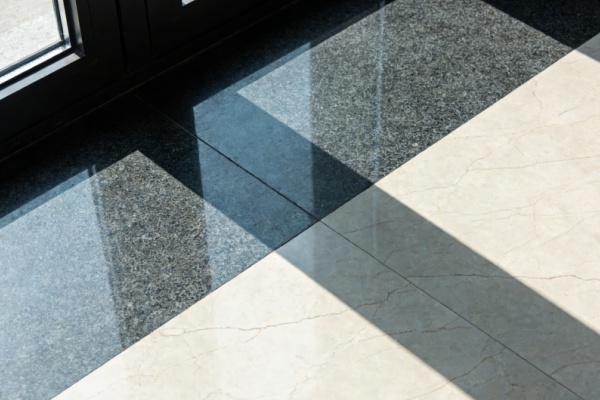
Natural stone flooring is made from stone quarried directly from the earth, cut and processed into tiles, slabs, or pavers. Unlike artificial materials, each stone tile is unique in color, veining, texture, and mineral composition.
Common natural stones used for flooring include:
- Granite
- Marble
- Slate
- Travertine
- Limestone
- Sandstone
- Quartzite
- Onyx
- Pebble stone
Because of its authenticity and longevity, natural stone is widely used in homes, hotels, commercial spaces, and public buildings.
Key Benefits of Stone Flooring
- Exceptional lifespan – often lasting decades or centuries
- High durability – resistant to wear and foot traffic
- Timeless aesthetics – never goes out of style
- Natural, healthy material – non-toxic and hypoallergenic
- Strong property value perception4
However, not all stone performs the same, and not all projects require heavy traditional stone.
9 Common Types of Natural Stone Flooring
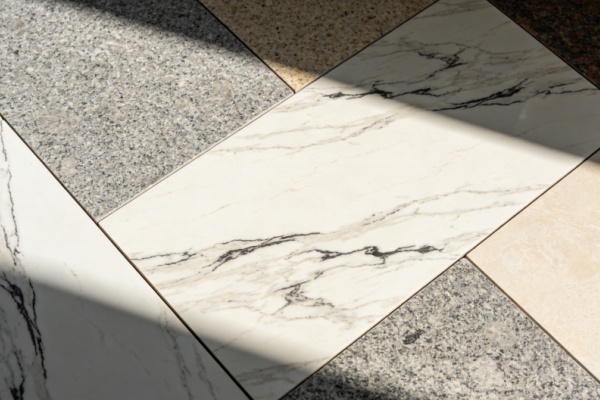
1. Granite Flooring – Maximum Durability
Granite is an igneous rock formed under extreme heat and pressure, making it one of the hardest natural stones available.
Best for:
- High-traffic areas
- Kitchens
- Commercial spaces
Advantages:
- Extremely durable and scratch-resistant
- Low water absorption
- Long lifespan with minimal maintenance
Considerations:
- Heavy material
-
Higher installation cost
2. Marble Flooring – Classic Luxury
Marble has been used in architecture for thousands of years and remains a symbol of elegance and refinement.
Best for:
- Living rooms
- Bathrooms
- Feature areas
Advantages:
- Beautiful veining and color variation
- Reflects light, enhancing space
Considerations:
- Softer stone
- Requires sealing and careful maintenance
- Can be slippery when polished
3. Slate Flooring – Natural Texture and Safety
Slate is a fine-grained metamorphic stone known for its layered structure and textured surface.
Best for:
- Bathrooms
- Kitchens
- Entryways
- Outdoor areas
Advantages:
- Naturally slip-resistant
- Highly durable
- Low maintenance
Considerations:
- Color variation between batches
- Requires quality selection for exterior use
4. Travertine Flooring – Warm and Organic
Travertine is a type of limestone formed near mineral springs and known for its porous texture.
Best for:
- Living areas
- Bathrooms
- Pool decks (filled or honed)
Advantages:
- Warm, earthy tones
- Comfortable underfoot
- Non-slip when honed or tumbled
Considerations:
- Requires sealing
- Softer than granite or quartzite
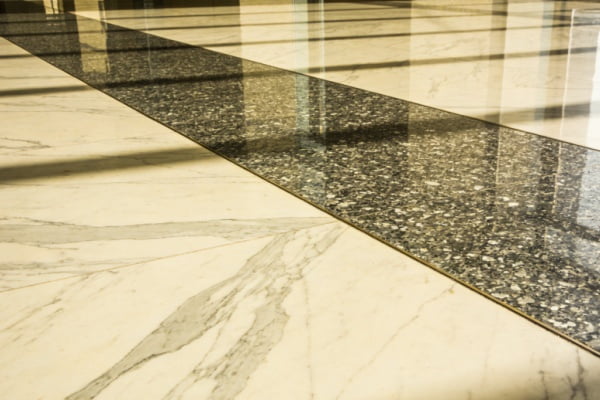
5. Limestone Flooring – Soft, Timeless Elegance
Limestone offers subtle beauty with neutral colors and a smooth, natural appearance.
Best for:
- Living rooms
- Hallways
- Contemporary interiors
Advantages:
- Calm, elegant aesthetic
- Versatile design compatibility
Considerations:
- Softer stone
- Not ideal for very high-traffic or wet areas without treatment
6. Sandstone Flooring – Rustic and Natural
Sandstone is a sedimentary stone with visible grain and warm tones.
Best for:
- Rustic interiors
- Patios and outdoor spaces
- Transitional designs
Advantages:
- Naturally slip-resistant
- Warm, inviting appearance
Considerations:
- Softer than granite
- Quality varies by quarry
7. Quartzite Flooring – Strength with Elegance
Quartzite forms when sandstone undergoes intense heat and pressure, resulting in exceptional hardness.
Best for:
- High-end residential projects
- High-traffic interiors
- Luxury applications
Advantages:
- Very hard and durable
- Marble-like appearance with granite-level strength
Considerations:
- Higher material and installation cost
8. Onyx Flooring – Statement Luxury
Onyx is a rare, translucent stone prized for its dramatic patterns.
Best for:
- Feature floors
- Low-traffic areas
- Luxury interiors
Advantages:
- Unique visual impact
- Can be backlit for dramatic effect
Considerations:
- Soft and delicate
- High maintenance
- Not suitable for heavy use
9. Pebble Stone Flooring – Organic and Tactile
Pebble flooring uses smooth river stones set in a matrix for a natural, spa-like feel.
Best for:
- Bathrooms
- Showers
- Outdoor walkways
Advantages:
- Excellent slip resistance
- Strong connection to nature
- Durable indoors and outdoors
Considerations:
- Uneven surface
- Requires skilled installation
Beyond Traditional Stone: Flexible Stone Flooring
While natural stone flooring3 offers unmatched authenticity, it is not always the most practical solution—especially for renovations, export projects, or lightweight structures.
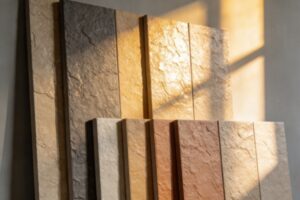
Flexible stone flooring is made using ultra-thin layers of real stone or mineral-based surfaces bonded to a flexible backing. It delivers the visual effect of stone with significantly reduced weight and installation complexity2.
Advantages of Flexible Stone Flooring
- Extremely lightweight
- Faster installation
- Suitable for renovations over existing floors
- Lower transport and export costs
- Can adapt to slight surface irregularities
Common Applications
- Residential renovations
- Commercial flooring projects
- Modular and prefabricated buildings
- Export-oriented construction
Flexible stone does not replace natural stone—it complements it, offering a smarter solution when weight, speed, or cost efficiency matter.
Natural Stone vs. Flexible Stone Flooring
| Factor | Natural Stone | Flexible Stone |
|---|---|---|
| Appearance | Authentic, deep texture | Real stone look |
| Weight | Heavy | Very light |
| Installation | Skilled labor | Faster, simpler |
| Renovation | Challenging | Ideal |
| Export logistics | Higher cost | Highly efficient |
| Best use | New builds, luxury | Renovation, modern projects |
How to Choose the Right Stone Flooring
When selecting stone flooring, consider:
- Traffic level – high vs low use
- Moisture exposure – kitchens, bathrooms, outdoors
- Maintenance tolerance
- Budget and lifecycle cost
- Installation constraints
- Project type – new build vs renovation
There is no single “best” stone—only the best choice for your specific application.
Why Choose YASIQI
YASIQI is a professional exporter of natural stone and flexible stone flooring solutions, serving residential, commercial, and international markets.
We focus on:
- Consistent quality control
- Export-ready materials
- Lightweight and modern flooring solutions
- Supporting both traditional and innovative construction methods
Conclusion
Stone flooring remains one of the most valuable and enduring choices for interior and exterior spaces. From the strength of granite to the elegance of marble and the innovation of flexible stone, today’s flooring options are more diverse than ever.
By understanding material performance—not just appearance—you can make a flooring choice that delivers beauty, durability, and long-term value.
Choosing the right stone is not just about style.
It is about making a smart architectural decision that lasts.
Explore the maintenance costs associated with various flooring types to choose the best option for your budget. ↩
Learn about the various factors that influence the complexity of flooring installation, including material choice. ↩
Learn about the unique qualities of natural stone flooring and why it's a timeless choice for any space. ↩
Understand the impact of flooring choices on property value and how to make informed decisions. ↩