Wood Grain Series
Flexible Stone Wood Grain Series combines the warm, natural appearance of wood with the durability and performance of innovative flexible stone technology. Designed to replicate the authentic texture, grain patterns, and visual depth of natural timber, this collection offers a sophisticated alternative to traditional wood wall coverings for both interior and exterior architectural applications.
Showing 3 products
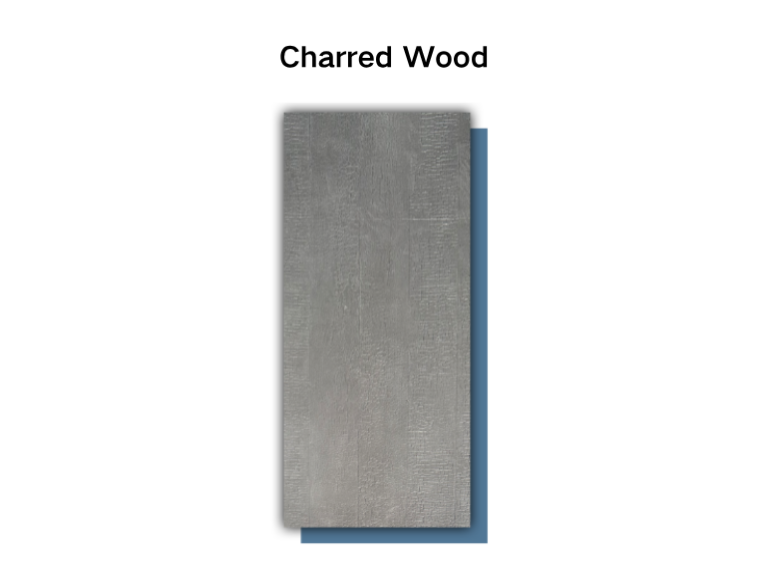
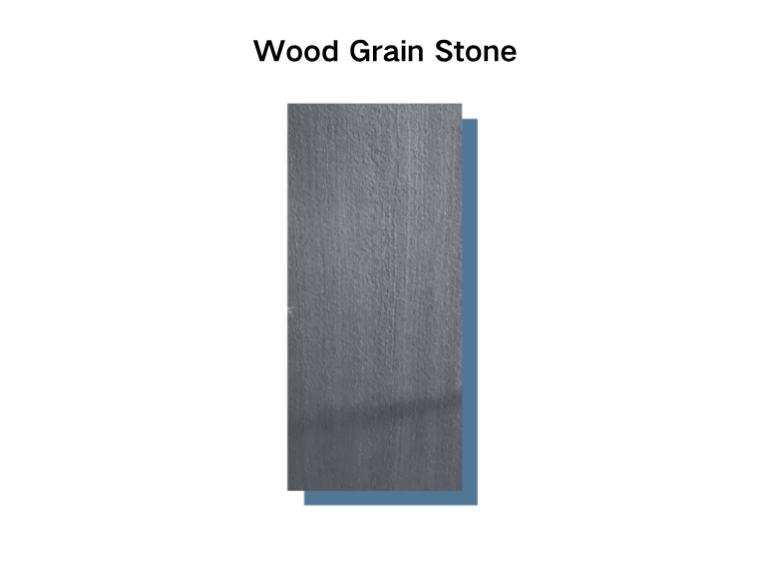
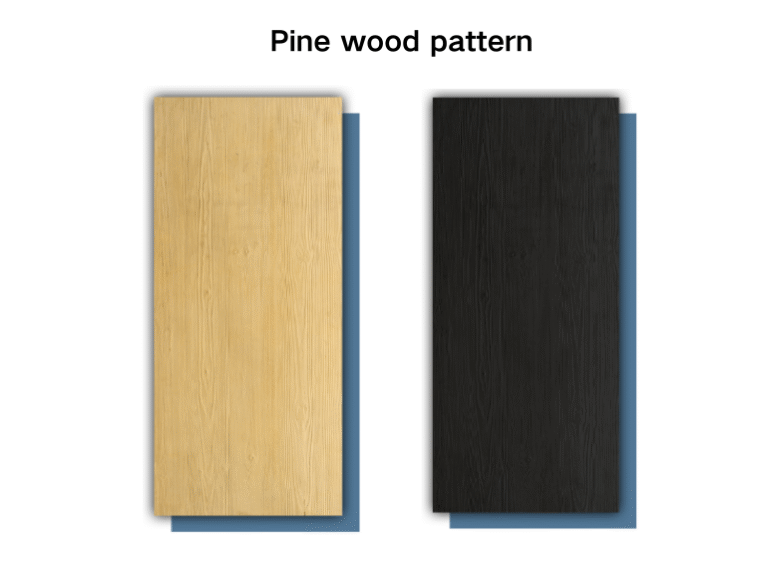
About Wood Grain Series
Flexible Stone for Curved Walls: The Complete Guide to Lightweight Stone for Modern Architectural Designs
Have you ever tried wrapping solid granite or marble around a sweeping architectural curve?
If you have, you already know it’s an absolute nightmare of excessive cutting, skyrocketing labor costs, and wasted material. For years, modern architects have been forced to compromise their vision because traditional stone is just too heavy and rigid to handle intricate, fluid geometries.
But that hassle ends now.
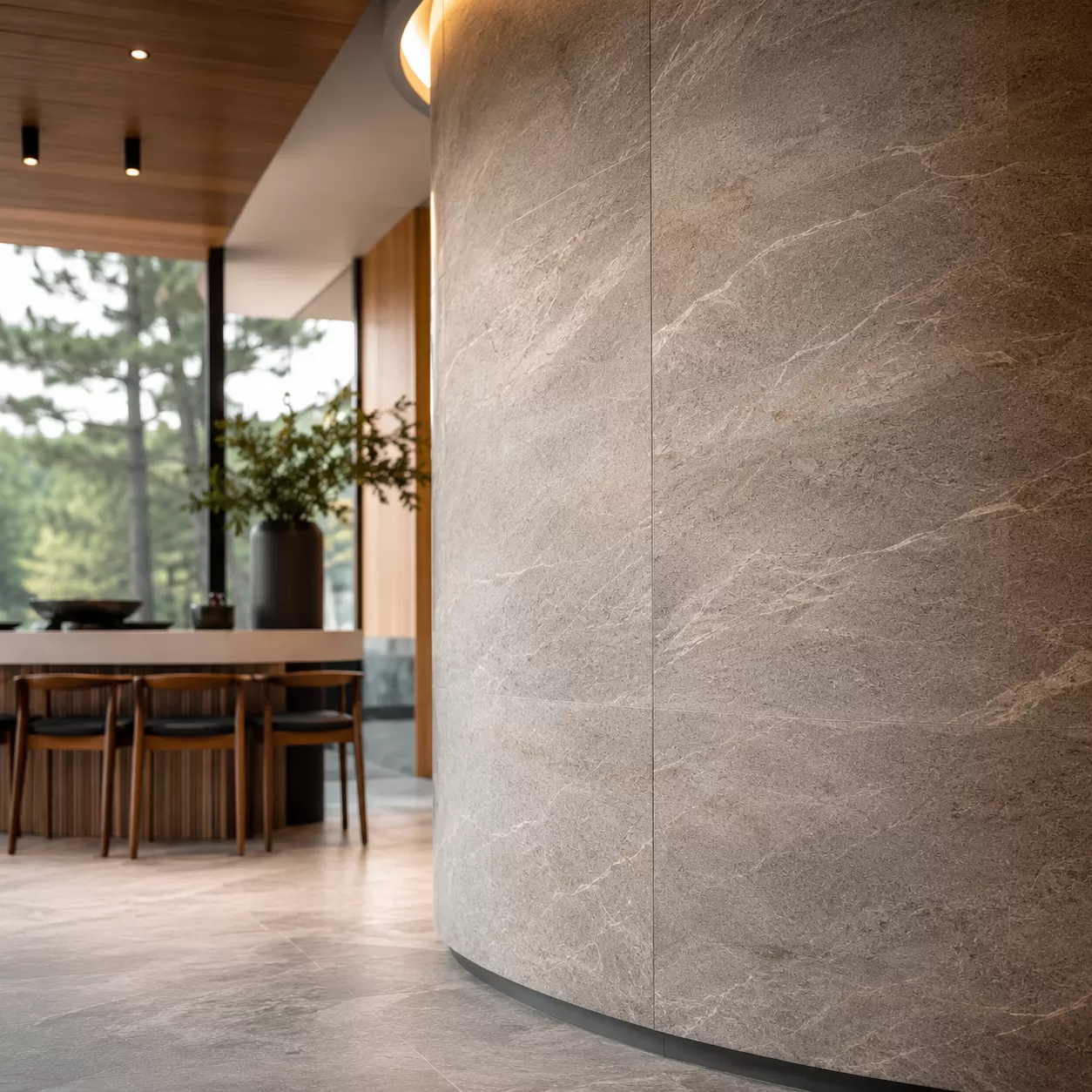
Enter flexible stone veneer—the game-changing material innovation that delivers authentic natural stone aesthetics without the crushing weight or structural limitations. Whether you are designing an arched entryway, a curved commercial reception desk, or a striking exterior facade, this lightweight marvel is completely reshaping what’s possible in modern design.
In Flexible Stone for Curved Walls: The Complete Guide to Lightweight Stone for Modern Architectural Designs, you will discover exactly how to leverage this material to achieve flawless, seamless installations on virtually any substrate.
Let’s dive right in.
What is Flexible Stone Veneer?
Flexible stone veneer represents a monumental shift in how natural stone is utilized in contemporary design. It is a genuine stone layer backed by a fiberglass and polymer composite, allowing it to bend, flex, and adapt to complex geometries. As a leading flexible stone supplier and manufacturer, we have engineered this material to provide the timeless beauty of real quarry stone without the structural liabilities of traditional masonry.
Why Curves Matter in Modern Architecture
Modern architectural features rely heavily on organic shapes, sweeping curves, and fluid transitions. Standard rigid materials struggle to meet the demands of these complex architecture trends.
Design Impact: Curved walls soften interior spaces, guide foot traffic naturally through commercial layouts, and create striking visual focal points that linear designs simply cannot replicate.
By eliminating sharp angles, architects can design seamless structures—ranging from residential accent walls to massive installations in high-rise buildings—where the texture of raw stone wraps flawlessly around radius walls, columns, and arched entries.
The Challenges of Traditional Stone on Curved Walls
Limitations and Rigidity of Traditional Materials
Heavy, rigid stone slabs just don’t bend. When dealing with complex architecture, forcing a flat, unyielding piece of granite or marble onto a curved surface is a recipe for disaster. Traditional stone lacks the structural give required for modern, fluid shapes. This rigidity limits your design freedom, turning ambitious architectural features into logistical nightmares.
Excessive Cutting, Waste, and High Labor Costs
To get a traditional stone to fit a curve, installers have to resort to segmenting—cutting the stone into countless narrow strips to mimic a smooth arc.
Massive Material Waste: The constant cutting creates a mountain of unusable scrap stone.
Skyrocketing Labor Costs: This meticulous process requires highly skilled masons and hours of tedious labor.
Fragmented Aesthetics: Instead of a smooth, continuous curve, you end up with a choppy, faceted surface full of visible joints.
Structural and Weight Limitations in Curved Design
The sheer weight of traditional stone slabs creates massive engineering hurdles, especially on vertical curves or high-rise buildings.
Challenge Factor: Dead Load
Traditional Stone Impact: Requires heavy-duty structural reinforcement and costly anchoring systems.
Challenge Factor: Substrate Stress
Traditional Stone Impact: Puts immense pulling tension on curved drywall or framing, risking structural failure.
Challenge Factor: Height Restraints
Traditional Stone Impact: Extreme weight limits how high you can safely install the stone on curved exterior facades.
As an experienced flexible stone supplier and manufacturer, we see these bottlenecks constantly halting projects. Traditional materials simply weren’t built to handle the demands of modern curved architecture without draining your budget.
Key Advantages of Flexible Stone for Curved Wall Designs
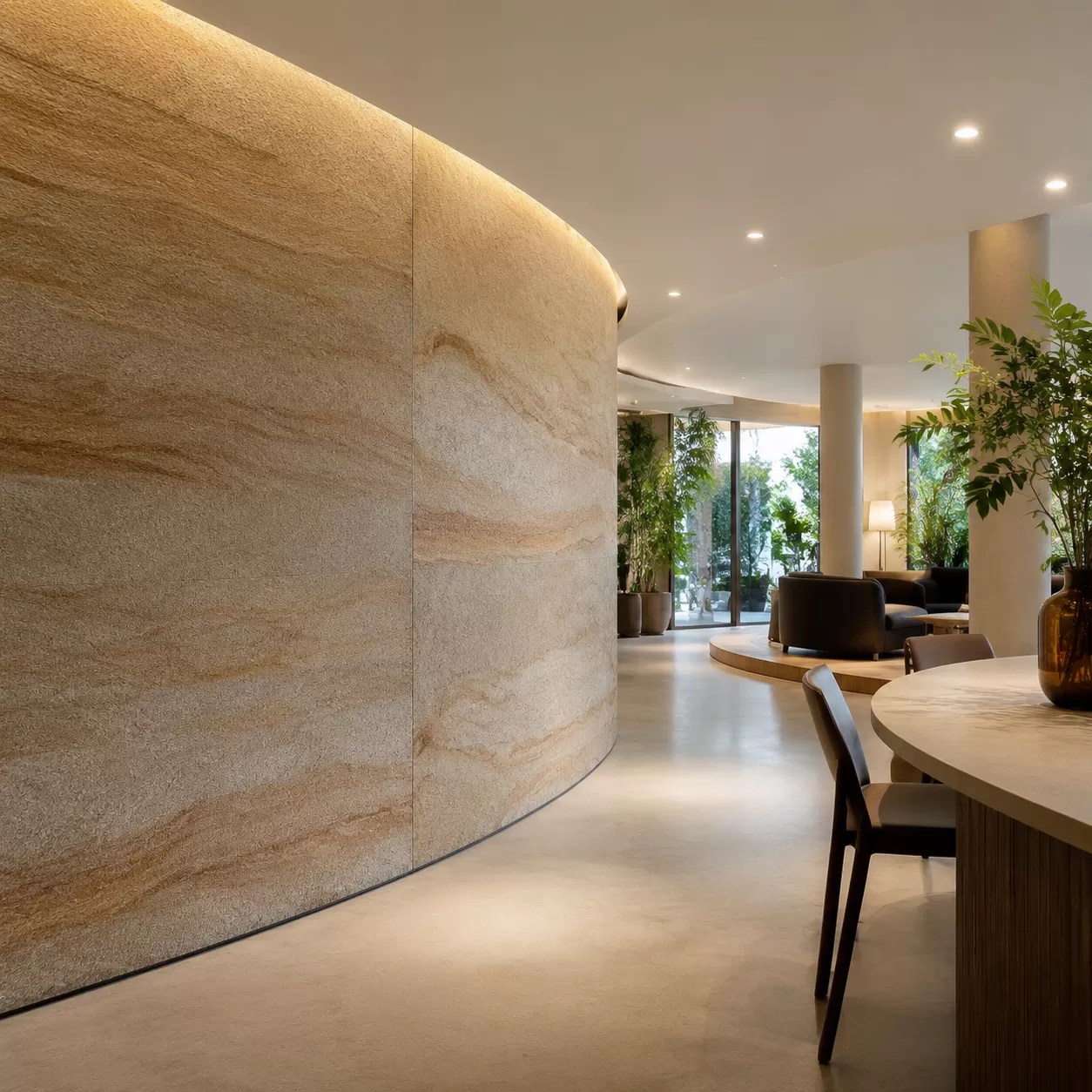
As a flexible stone supplier and manufacturer, we engineered this material to solve the exact structural headaches that standard masonry creates. It unlocks design freedom that was previously impossible or far too expensive to execute.
Exceptional Flexibility and Bending Radius Freedom
Traditional stone forces you to think in straight lines, but flexible stone veneer bends to your project’s unique contours.
Extreme Pliability: It wraps effortlessly around tight curves, sweeping arches, and circular columns.
Zero Cracking: Unlike rigid slabs, it conforms to concave and convex surfaces without breaking or structural failure.
Design Liberty: Architects can confidently sketch complex architecture and organic shapes, knowing the material will adapt.
Authentic Natural Stone Aesthetics Without the Weight
You get the exact texture, depth, and variation of a quarried rock face because it is real stone. However, we have eliminated the massive physical burden.
Ultra-Lightweight Profile: Weighing only a fraction of traditional slabs, it dramatically lowers the dead load on architectural features.
High-Rise Ready: The low mass makes it an ideal, safe choice for interior and exterior walls in high-rise buildings where heavy stone is restricted.
Cost Efficiency and Eco-Friendly Sustainability
Switching to flexible stone drastically cuts down on project overhead while supporting green building initiatives.
Advantage: Lower Shipping Costs
Economic & Environmental Impact: Because it is lightweight and thin, we can ship significantly more square footage per crate compared to heavy stone.
Advantage: Reduced Labor
Economic & Environmental Impact: Faster handling and simple cutting mean projects get wrapped up in days rather than weeks.
Advantage: Eco-Friendly Manufacturing
Economic & Environmental Impact: Our production process uses a thin layer of stone, extracting far less raw material and preserving natural resources.
Advantage: Minimal Waste
Economic & Environmental Impact: The material cuts cleanly, eliminating the high breakage rates common with brittle, traditional stone tiles.
Seamless Installation and Engineering Techniques
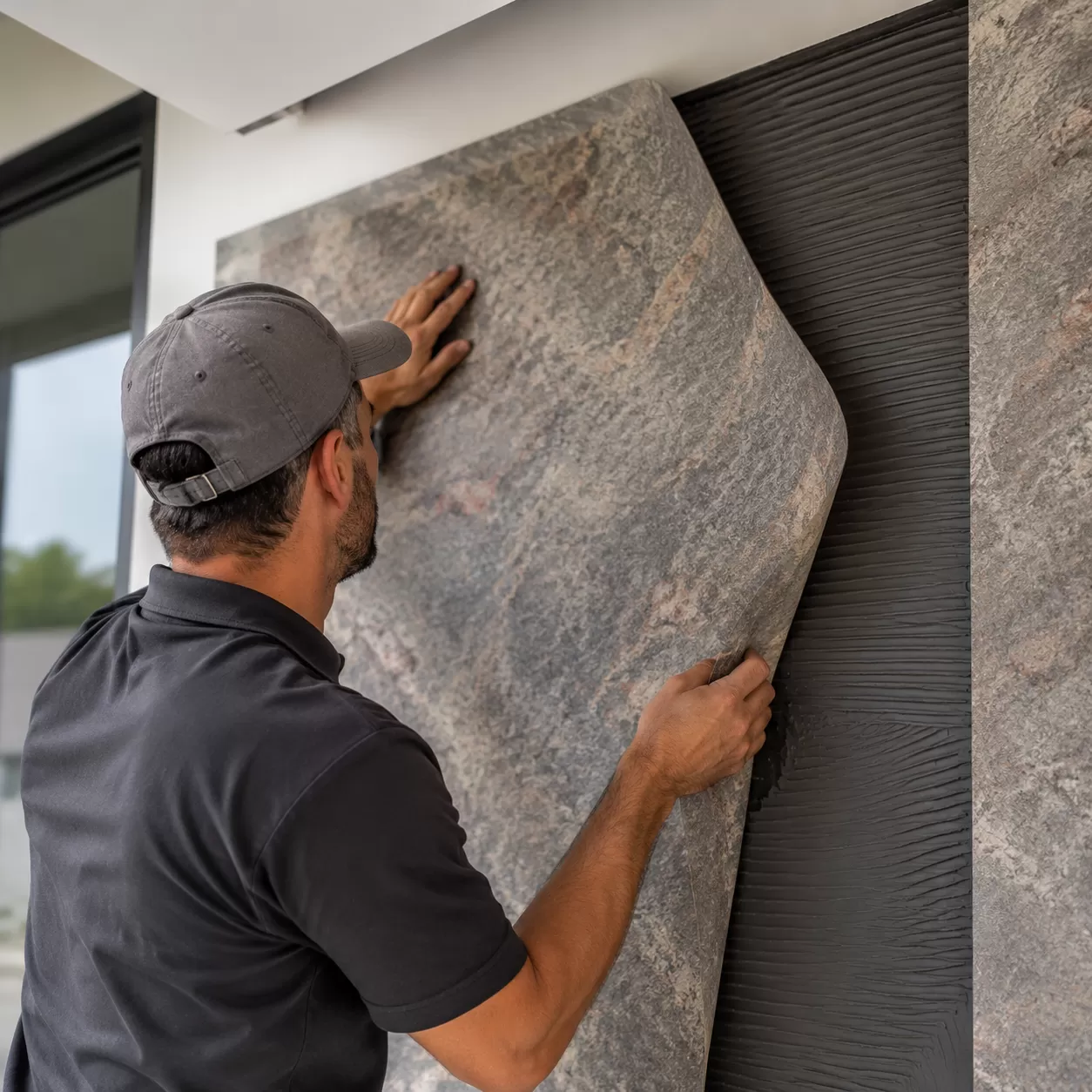
Installing flexible stone veneer on curved surfaces is straightforward when you follow the right engineering steps. Because we manufacture and supply these materials, we design them to adapt to complex architecture without cracking or forcing the installer to fight the material.
Understanding Bending Radius and Heat Application
Every column and arch has a unique curve, and working with a tight radius requires specific handling. While flexible stone naturally wraps around gentle curves at room temperature, tighter architectural features demand a bit of prep work.
Cold Bending: Suitable for large-radius curves like wide hallway walls or massive exterior columns.
Heat Application: For tight radiuses, apply gentle heat using a standard heat gun. This softens the fiberglass and resin backing, making the stone incredibly pliable.
The Golden Rule: Never force a cold sheet onto a sharp bend. Warm it up until it conforms smoothly to the surface shape.
Veneer Layout and Planning on Curved Surfaces
Dry-fitting is a non-negotiable step for a flawless finish on curved walls. Before applying any adhesive, map out the layout to maintain natural stone vein continuity.
Book-Matching: Arrange the sheets on the floor first to ensure the natural patterns flow seamlessly from one panel to the next across the curve.
Grain Direction: Keep the stone grain running consistently—either all vertical or all horizontal.
Pre-Cutting: Trim your edges and outlets while the sheet is flat. It is much easier to make precise cuts before the material is stuck to a rounded surface.
Adhesive Selection and Pressing Techniques for a Flawless Finish
The right bond keeps the veneer locked in place for decades, whether it is installed in low-rise interiors or on high-rise buildings.
Substrate Type: Drywall / MDF / Wood
Recommended Adhesive: High-quality polyurethane construction adhesive
Application Tool: V-notch trowel (3mm)
Substrate Type: Concrete / Cement / Brick
Recommended Adhesive: Flexible polymer-modified thin-set mortar
Application Tool: V-notch trowel (3mm or 4mm)
Substrate Type: Metal / Glass
Recommended Adhesive: Premium MS polymer or epoxy adhesive
Application Tool: Fine-notch trowel
To prevent air pockets, start pressing the sheet from the center of the curve and work your way out to the edges. Use a solid rubber hand roller to apply firm, even pressure across the entire surface. This ensures 100% adhesive contact and eliminates the risk of lifting.
Inspiring Application Scenarios for Curved Flexible Stone
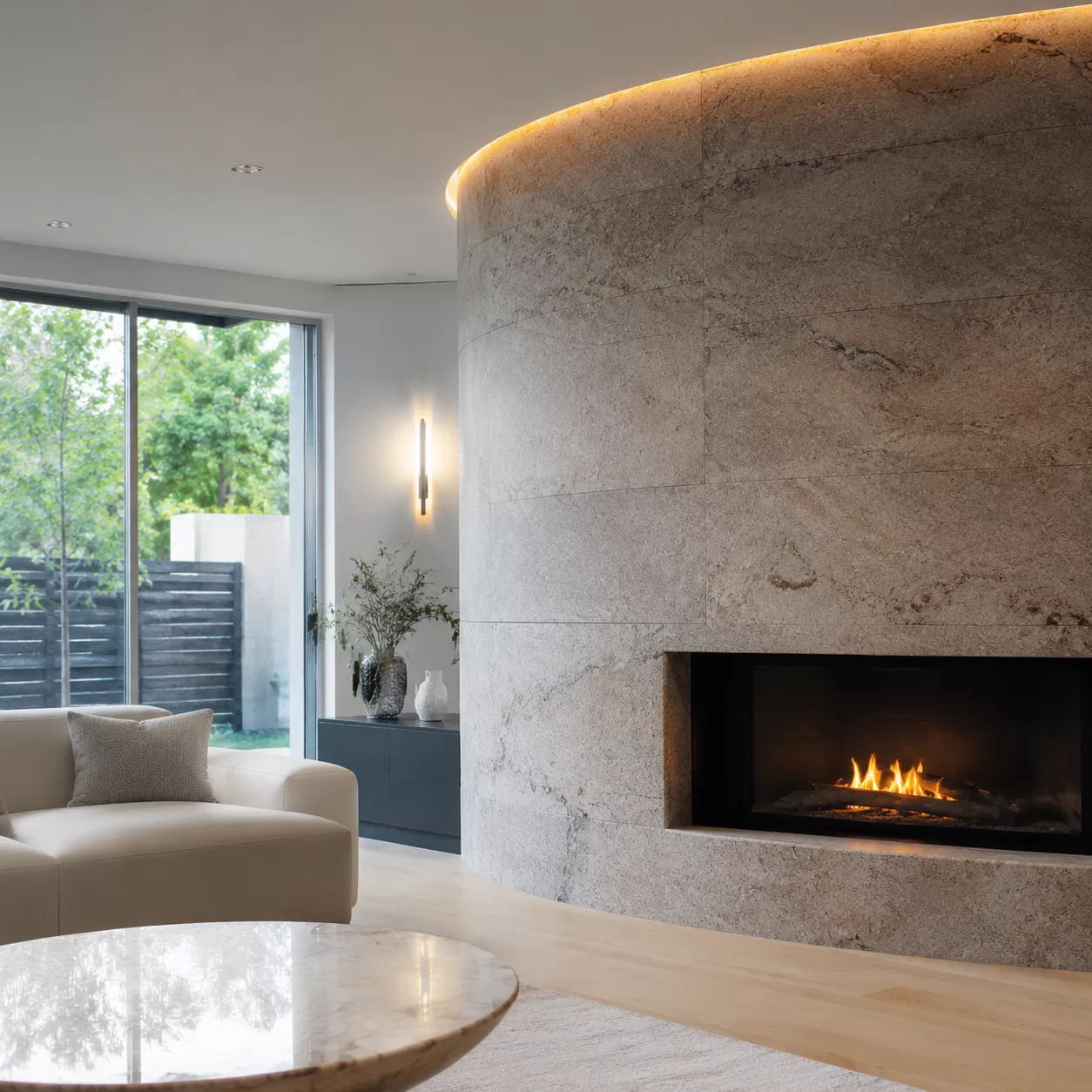
Flexible stone veneer opens up incredible design possibilities, allowing us to bring the raw beauty of natural stone to surfaces that were previously impossible to clad. As a flexible stone supplier and manufacturer, we see this material completely transform spaces by bending around complex architecture with ease.
Feature Walls and Arched Entryways
Indoor feature walls and arched entryways no longer require massive structural support or tedious stone cutting. Flexible stone veneer wraps seamlessly around tight focal points, creating a continuous, unbroken stone texture.
Arches: Wraps perfectly around interior archways without awkward joints.
Living Rooms: Creates high-impact, lightweight stone feature walls.
Fireplace Surrounds: Handles gentle contours and curves effortlessly.
Curved Commercial Reception Desks and Bars
First impressions matter in commercial design. Traditional stone fabrication for curved reception desks or circular bars is incredibly expensive and prone to cracking. Our lightweight stone sheets apply directly to curved joinery, drastically cutting down installation time.
Application: Reception Desks
Design Advantage: Hugs organic, fluid desk shapes
Visual Impact: Premium, monolithic look
Application: Hotel & Bar Fronts
Design Advantage: Resists high-traffic wear
Visual Impact: High-end hospitality vibe
Application: Retail Displays
Design Advantage: Easy to update or retrofit
Visual Impact: Modern, upscale aesthetic
Exterior Curved Facades and Columns
On the building exterior, wrapping round columns or curved structural walls with heavy masonry is a structural nightmare. Flexible stone provides a weather-resistant, UV-stable solution that adds zero architectural strain, making it perfect for modern high-rise buildings and custom residential exteriors.
Round Columns: Eliminates the need for custom-carved stone column covers.
Curved Facades: Provides an authentic masonry finish on sweeping exterior walls.
Weight Reduction: Delivers premium architectural features without the engineered support systems required by heavy slabs.
Flexible Stone vs. Traditional Materials for Curved Surfaces
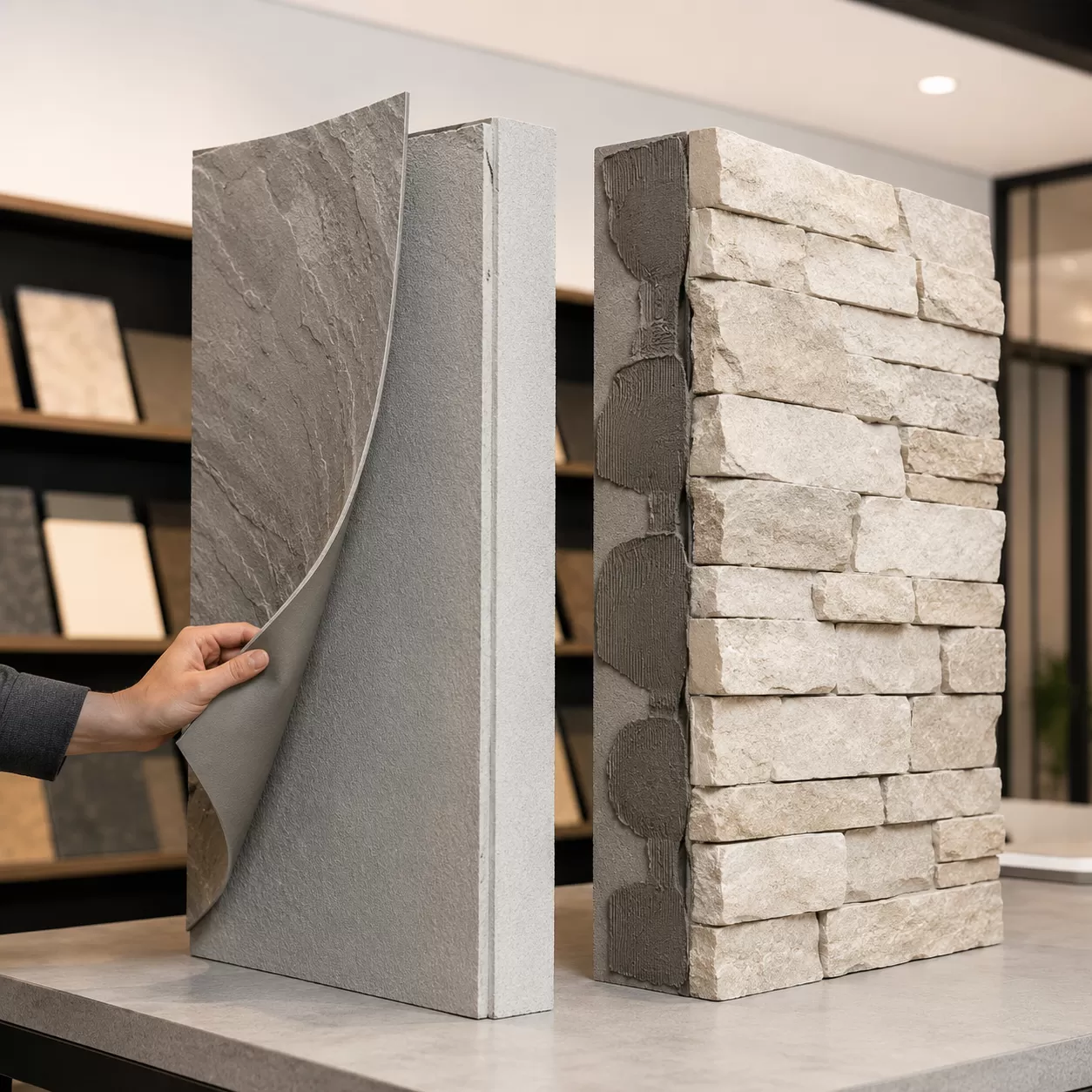
Designing curved architecture shouldn’t be a logistical nightmare. When we compare flexible stone veneer against traditional masonry for radius walls, the differences in handling, budget, and structural impact are massive.
Here is how the materials stack up when forced to bend.
Comparison of Installation Speed and Labor Costs
Traditional stone requires highly skilled masons, specialized cutting tools, structural ties, and days of tedious fitting. Because standard stone is rigid, wrapping a curve means cutting thick blocks into small, faceted segments or ordering expensive, custom-carved radius pieces.
Our flexible stone veneer completely changes this workflow. It cuts with heavy-duty shears, bends without cracking, and adheres directly to the curved substrate.
Performance Metric: Installation Speed
Flexible Stone Veneer: Up to 5x faster; installs like heavy wallpaper
Traditional Natural Stone: Slow; requires masonry anchoring and curing
Performance Metric: Labor Requirement
Flexible Stone Veneer: Standard finish carpenters or drywall teams
Traditional Natural Stone: Specialized, high-cost stonemasons
Performance Metric: Material Waste
Flexible Stone Veneer: Minimal; flexible sheets conform without facet cutting
Traditional Natural Stone: High; significant breakage and scrap from trimming
Performance Metric: Structural Support
Flexible Stone Veneer: None required; sticks directly to backing
Traditional Natural Stone: Heavy footings, ties, and lintels required
Durability and Long-Term Performance Comparison
A common misconception is that a lighter material compromises on longevity. As a specialized flexible stone supplier and manufacturer, we engineer these surfaces to endure. Because the face is actual quarried stone, it retains the UV resistance, colorfastness, and texture of a mountain face, but without the internal stresses that plague heavy stone installations on curved walls.
The Stress Factor: Heavy, rigid stone installed on a curve puts constant outward leverage on mechanical anchors and mortars. Over time, building settling and thermal expansion can cause thick stone panels to crack or detach.
Thermal Expansion: Flexible veneer moves with the building. Its lightweight fiberglass and polymer backing absorbs minor structural shifts without telegraphing cracks to the surface.
Moisture Resistance: The sealed backing acts as an additional water barrier, making it ideal for high-rise buildings and complex architecture exposed to harsh weather.
Impact Resilience: While thin, the stone face behaves like solid rock against scratches and abrasions, outlasting paint, plaster, or synthetic laminate alternatives on high-traffic curved reception desks and pillars.
Frequently Asked Questions About Flexible Stone on Curved Walls
What is the Minimum Bending Radius for Flexible Stone?
As a flexible stone supplier and manufacturer, we design our materials to adapt to challenging architectural features. The minimum bending radius depends on the specific stone type and thickness, but most of our standard veneers can bend to a radius of 10 to 20 cm (approx. 4 to 8 inches) without cracking.
Cold Bending: Suitable for gentle, sweeping curves and large columns.
Heat-Assisted Bending: Applying mild heat with a heat gun softens the fiberglass backing, allowing the stone to wrap around sharp corners and tight complex architecture safely.
Can Flexible Stone Veneer Be Used for Outdoor Curved Walls?
Yes. Our flexible stone veneer is fully engineered for both interior and exterior applications. The natural stone face handles UV exposure perfectly, while the polymer backing resists moisture and temperature fluctuations.
Exposure Type: UV Radiation
Performance Feature: Zero fading or discoloration
Benefit for Curved Facades: Maintains authentic aesthetics over time
Exposure Type: Freeze-Thaw Cycles
Performance Feature: High elasticity backing
Benefit for Curved Facades: Prevents cracking on curved exterior pillars
Exposure Type: Heavy Rainfall
Performance Feature: Weatherproof sealing layers
Benefit for Curved Facades: Protects the building envelope from moisture
What Substrates Are Suitable for Installing Flexible Stone?
You do not need heavy masonry backings. Because our material is incredibly lightweight, it adheres beautifully to standard construction surfaces used in modern residential and high-rise buildings.
Drywall & Gypsum Board: Perfect for indoor feature walls and arched entryways.
Plywood & MDF: Ideal for custom curved furniture, commercial reception desks, and bars.
Concrete & Cement Board: The go-to choice for exterior columns and curved structural facades.
Metal & Glass: Suitable for specialized industrial designs and modern retail fit-outs.
