Kitchen porcelain tile
What is kitchen porcelain tile? Kitchen porcelain tile is a premium engineered ceramic flooring and wall cladding material, specifically designed to withstand the demanding environment of modern kitchens. Crafted from highly refined clay and natural minerals, it is fired at extreme temperatures exceeding 1,200°C (2,200°F). This advanced manufacturing process vitrifies the tile, creating a dense, non-porous material with an exceptionally low water absorption rate of less than 0.5%.
Showing 3 products
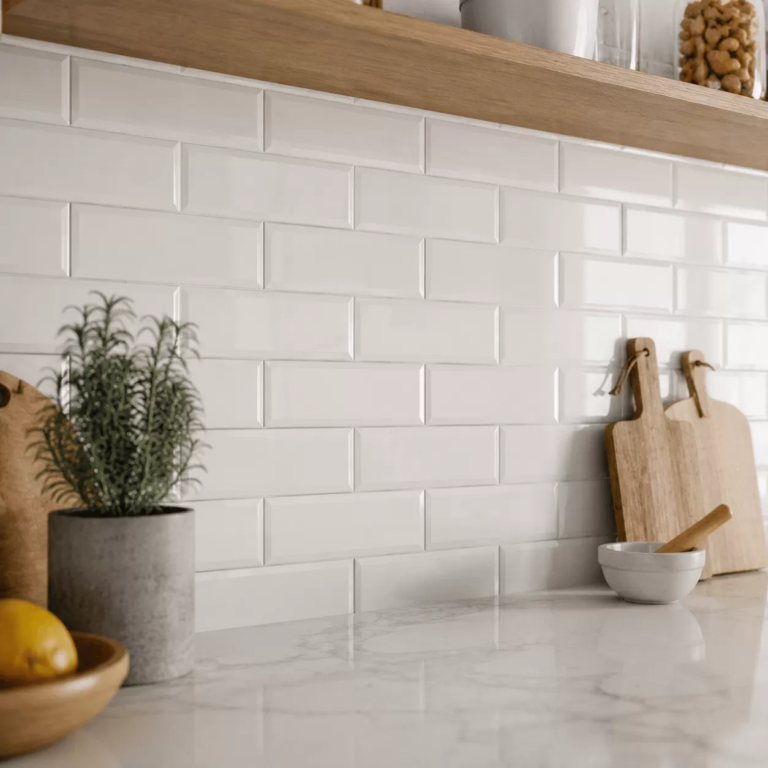

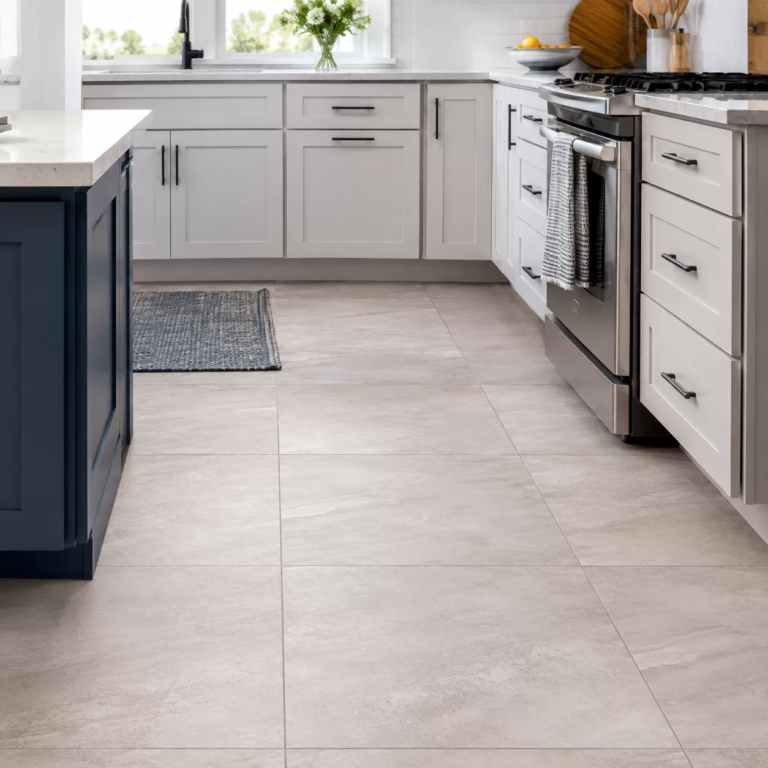
About Kitchen porcelain tile
As a leading Kitchen Porcelain Tile supplier and manufacturer, we engineer these tiles to deliver unmatched structural density and aesthetic versatility for global markets. Unlike standard ceramics, authentic porcelain tile features a uniform composition that enables it to endure heavy foot traffic, impacts, and moisture exposure without degrading. It serves as the ultimate surface solution for high-performance kitchen floors, backsplashes, and countertops.
Key Characteristics of Kitchen Porcelain Tile
High Density: Fired under intense pressure and heat, making it heavier and harder than standard ceramic options.
Low Porosity: Virtually impervious to moisture, preventing liquid penetration and deep-set stains.
Versatile Aesthetics: Available in extensive styles, including hyper-realistic wood grains, natural stone textures, and modern geometric patterns.
Global Compliance: Manufactured to meet rigorous international standards for slip resistance, load-bearing capacity, and environmental safety.
Why Choose Porcelain Tile for Your Kitchen?
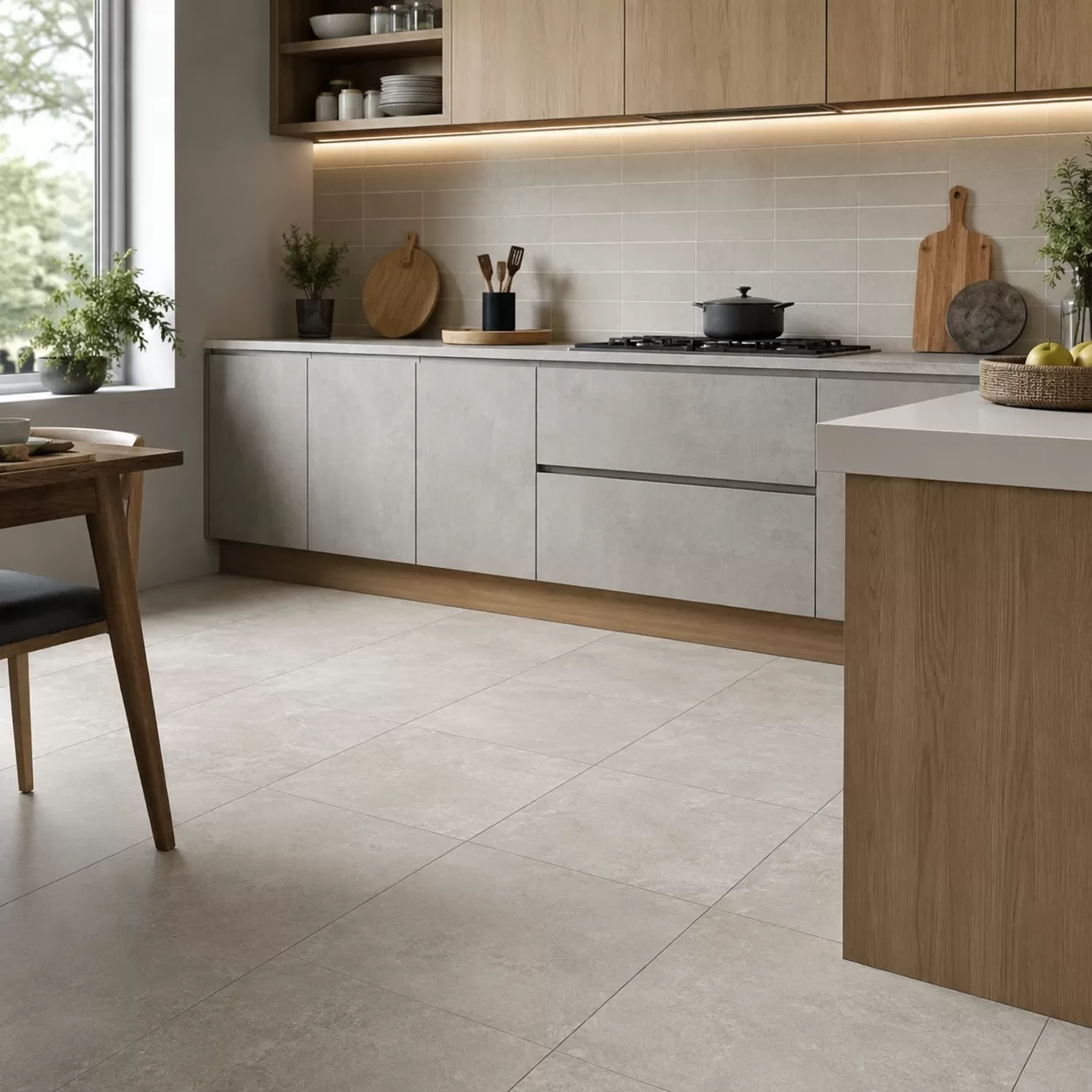
As a leading Kitchen Porcelain Tile supplier and manufacturer, we see firsthand why homeowners and builders consistently choose this material. It offers the ultimate balance of style and heavy-duty performance, making it the smartest investment for the heart of your home.
Unmatched Durability for High-Traffic Areas
The kitchen is the busiest room in the house. Between heavy foot traffic, dropped pots, and moving chairs, your kitchen flooring takes a beating.
High Density: Fired at extreme temperatures, porcelain is incredibly dense and hard.
Impact Resistant: It withstands heavy daily impacts better than ceramic or vinyl.
Long Lifespan: Designed to last for decades without showing signs of wear and tear.
Superior Water, Stain, and Scratch Resistance
Kitchens are prone to spills, splashes, and sharp objects. Porcelain tile offers unmatched peace of mind with its superior protective qualities.
Performance Feature: Water Resistance
How It Benefits Your Kitchen: Near-zero porosity means liquid cannot penetrate the surface, preventing water damage.
Performance Feature: Stain Resistance
How It Benefits Your Kitchen: Spilled wine, coffee, and oil wipe away easily without leaving permanent marks.
Performance Feature: Scratch Resistance
How It Benefits Your Kitchen: High mineral hardness means dog claws, dropped knives, and dragged appliances won’t scratch it.
Low Maintenance and Easy Cleaning
Nobody wants to spend hours scrubbing floors. Porcelain tile keeps your daily chores to a minimum.
Simple Wipe Downs: A quick sweep and a damp mop with mild soap are all it takes to keep floors looking brand new.
No Sealing Required: Unlike natural stone, the glazed surface of porcelain never needs to be resealed to maintain its stain resistance.
Chemical Resistant: It stands up to standard household cleaners without losing its finish.
Eco-Friendly and Allergen-Free Benefits
Porcelain tile creates a healthier living environment for your family.
Hypoallergenic: The hard, non-porous surface does not harbor dust mites, pet dander, mold, or pollen.
Zero VOCs: Manufactured from natural clays, our tiles emit zero volatile organic compounds, ensuring clean indoor air quality.
Sustainable Production: It is a natural product built to last, reducing the need for frequent flooring replacements.
Porcelain Tile vs. Other Kitchen Flooring Materials
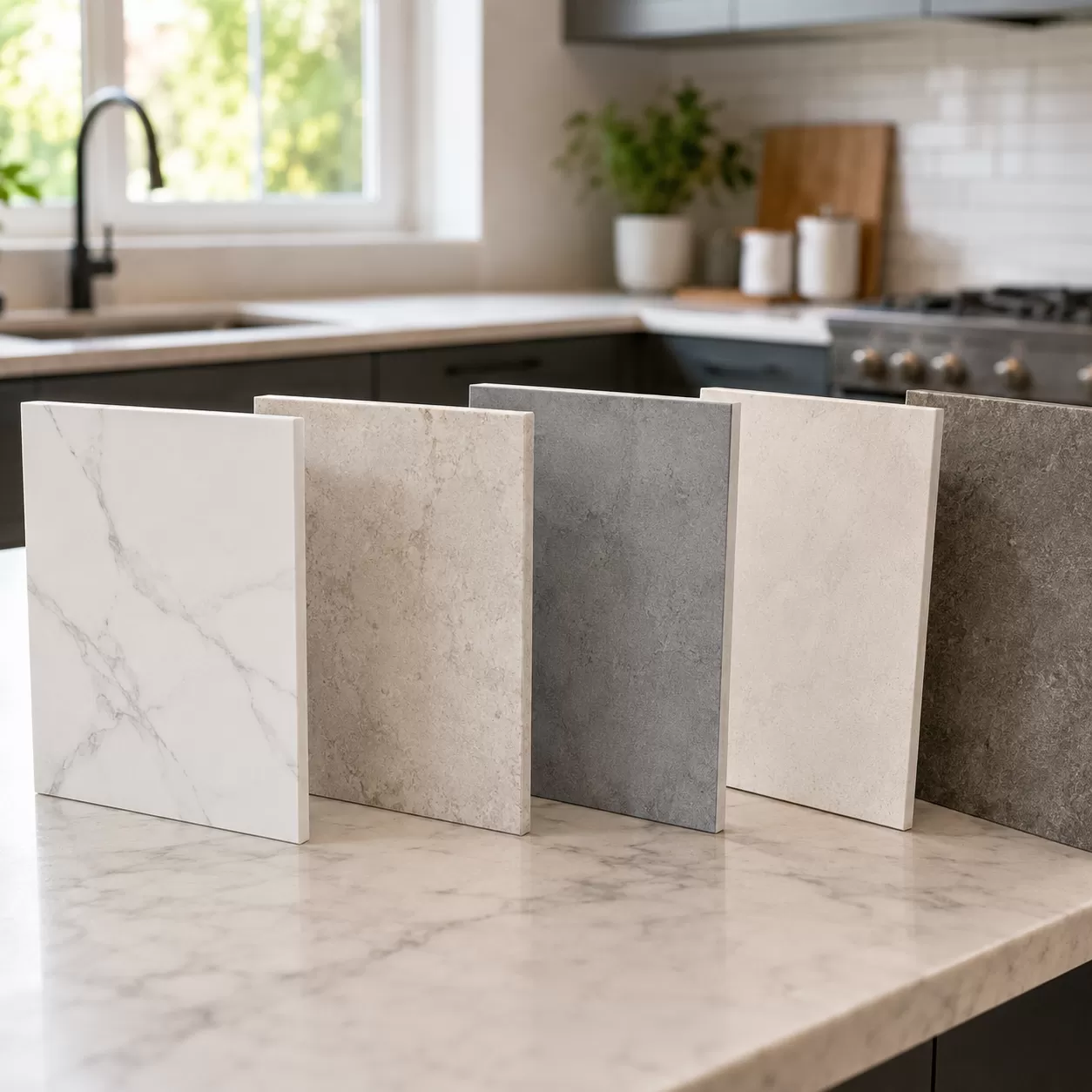
When you’re upgrading your kitchen, the floor takes the most abuse. While there are plenty of options on the market, kitchen porcelain tile consistently outperforms the competition in terms of longevity and return on investment. As a leading manufacturer, I’ve seen how porcelain holds up against moisture and heavy foot traffic compared to softer materials.
Porcelain vs. Ceramic Tile: What’s the Real Difference for Kitchens?
Many people use these terms interchangeably, but they aren’t the same. Porcelain is fired at higher temperatures and made from denser clay, making it much tougher than standard ceramic.
Feature: Water Absorption
Porcelain Tile: < 0.5% (Impermeable)
Ceramic Tile: Higher (Porous)
Feature: Density
Porcelain Tile: High (Hard to crack)
Ceramic Tile: Moderate
Feature: Durability
Porcelain Tile: Best for high-traffic kitchens
Ceramic Tile: Better for walls or light use
Feature: Finish
Porcelain Tile: Consistent color throughout
Ceramic Tile: Glaze can chip, revealing red clay
Porcelain vs. Natural Stone (Marble, Granite, Slate)
Natural stone looks stunning, but it’s high-maintenance. Kitchen porcelain tile can mimic the look of premium marble or slate without the constant need for sealing or the risk of deep staining from spilled wine or oil.
Maintenance: Porcelain never needs sealing; stone requires it annually.
Stain Resistance: Porcelain is non-porous. Stone absorbs liquids quickly.
Consistency: Porcelain offers uniform patterns; stone can have unpredictable “flaws” or weak spots.
Porcelain vs. Luxury Vinyl Plank (LVP) and Hardwood
Hardwood and LVP are popular for their warmth, but the kitchen is a wet zone. Real wood warps when pipes leak, and even “waterproof” vinyl can feel plastic-like and lacks the high-end “clink” of a solid floor.
Heat Resistance: Porcelain is fireproof; LVP can melt or off-gas near hot ovens.
Lifespan: A well-installed porcelain floor lasts 50+ years. LVP usually needs replacing every 10-15 years.
Scratch Resistance: Dragging a kitchen chair won’t gouge porcelain, but it will ruin hardwood and scuff vinyl.
Popular Styles and Design Ideas for Kitchen Porcelain Tile
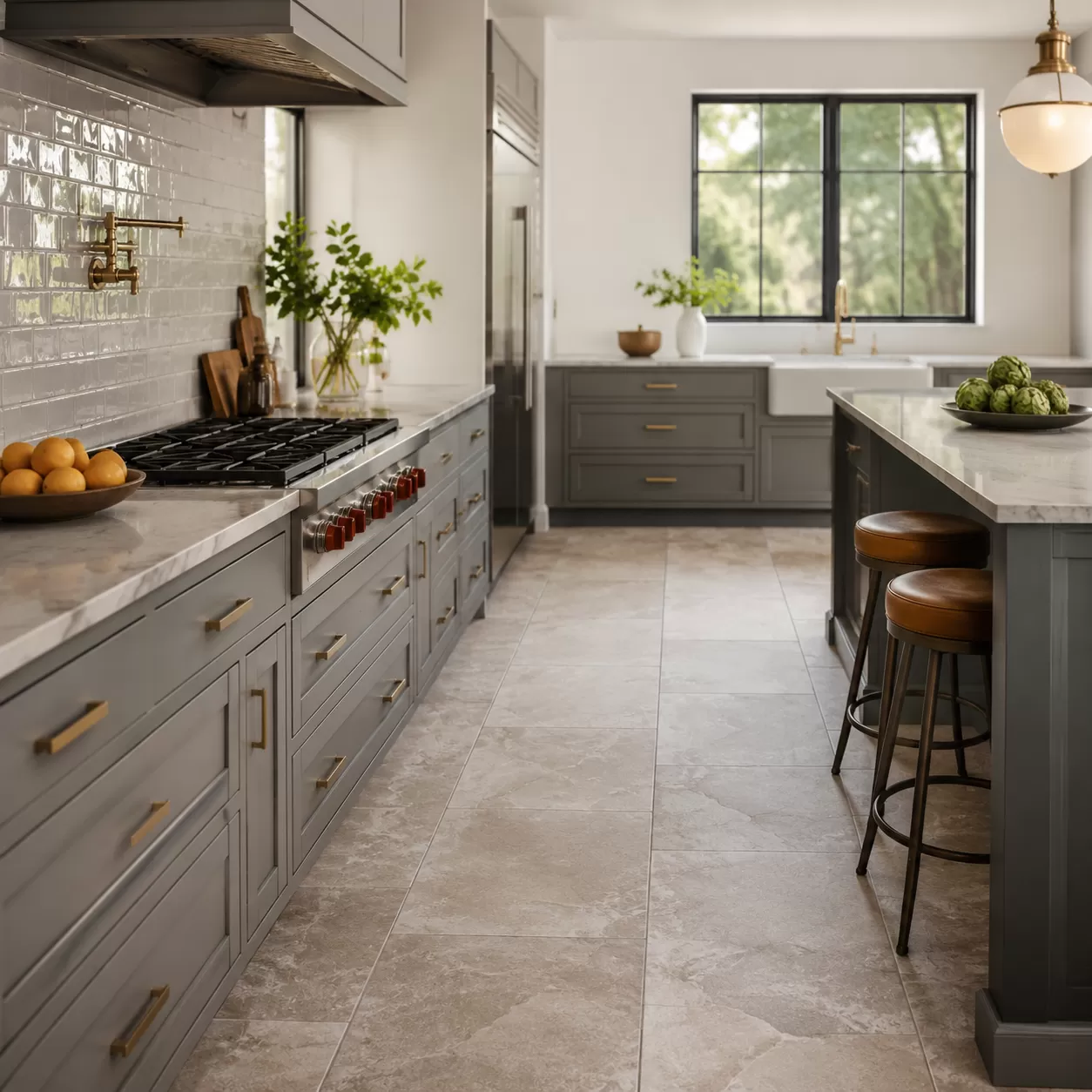
Choosing the right look for your floor or backsplash can completely transform your space. As a leading Kitchen Porcelain Tile supplier and manufacturer, we see firsthand how global design trends blend with everyday functionality. Today’s manufacturing technology lets us recreate natural textures with incredible accuracy while keeping the durable, water resistance, and stain resistance qualities you need in a busy kitchen.
Wood-Look Porcelain Planks for a Warm Aesthetic
You no longer have to worry about water spills warping your kitchen flooring. Wood-look porcelain planks give you the exact grain, knots, and warmth of real hardwood but with total peace of mind.
Top Placements: Perfect for open-concept layouts connecting the kitchen to the living room.
Design Tip: Use narrow grout lines matched perfectly to the tile color for a seamless, authentic wood floor look.
Stone-Look and Luxurious Marble-Effect Tiles
Get the high-end look of natural stone without the constant sealing and maintenance headaches.
Stone Type: Marble-Effect
Visual Effect: Elegant, bright, classic luxury with realistic veining
Best For: Large floors and statement island backsplashes
Stone Type: Slate & Granite-Look
Visual Effect: Earthy, grounded, and rich textures
Best For: High-traffic global kitchens demanding a rustic feel
Modern Geometric Patterns, Hexagons, and Mosaics
If you want your kitchen to stand out, geometric patterns offer a creative edge. These shapes break up the monotony of standard layouts and let you show off some personality.
Hexagons: Great for creating a unique transition zone where the kitchen flooring meets dining room wood.
Mosaics: The ultimate choice for eye-catching backsplashes that handle grease and splashes effortlessly.
Industrial Concrete and Minimalist Cement Looks
For modern, sleek, or loft-style homes, concrete-look porcelain tiles deliver an urban, minimalist vibe.
The Look: Flat, matte finishes with subtle color shifts that mimic poured concrete.
The Benefit: Unlike real concrete, these tiles won’t crack over time, don’t require sealing, and stay completely stain-proof against dropped food and spilled wine.
Kitchen Applications: Floors, Backsplashes, and Countertops
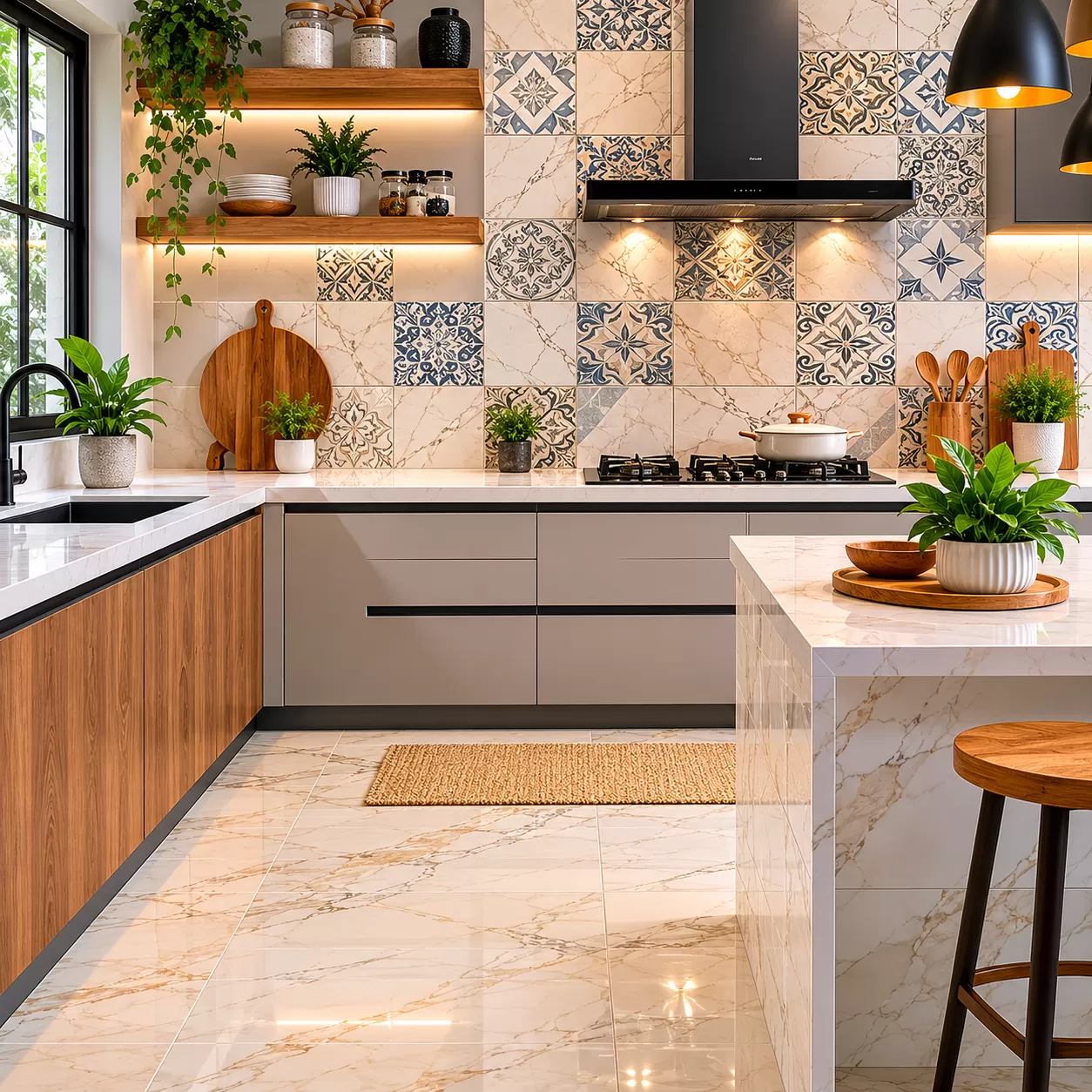
As a dedicated Kitchen Porcelain Tile supplier and manufacturer, we design our products to handle every square inch of your culinary space. From the ground up, porcelain offers the ultimate blend of style and structural integrity.
Choosing the Right Floor Tile for Safety and Comfort
Kitchen floors take a beating from heavy foot traffic, dropped cast-iron pans, and accidental spills. When selecting kitchen flooring, safety and comfort must come first.
Slip Resistance: Look for matte or textured finishes with a high slip-resistance rating to prevent accidents in wet zones.
Underfoot Comfort: While porcelain is inherently dense and hard, pairing it with radiant underfloor heating creates a cozy, comfortable surface.
Impact Resistance: High-fired porcelain withstands heavy impacts far better than standard ceramic options.
Creative Backsplash Ideas to Elevate Your Kitchen Design
The backsplash is the visual focal point of your kitchen. It is the perfect place to experiment with style while keeping walls safe from grease and water damage.
Design Style: Modern & Sleek
Tile Recommendation: Large-format monochromatic tiles
Visual Impact: Clean lines, minimal grout joints
Design Style: Classic & Timeless
Tile Recommendation: Subways or mosaics
Visual Impact: Textured, high-end artisanal look
Design Style: Bold & Artistic
Tile Recommendation: Geometric patterns or hexagons
Visual Impact: Dynamic focal point behind the stove
Because our porcelain features superior water resistance and stain resistance, grease splatters and tomato sauce wipe away with a simple damp cloth.
Porcelain Slabs: The Rising Trend for Kitchen Countertops
Porcelain slabs are rapidly replacing traditional granite and marble countertops, and for good reason. Homeowners and designers are shifting toward large-format porcelain panels to achieve a high-end, seamless look.
Heat Proof: You can set hot pans directly on the surface without worrying about thermal shock or scorching.
Zero Porosity: Unlike natural stone, these surfaces never require sealing and will not harbor bacteria or absorb liquids.
Scratch Proof: Prep food directly on the surface; your knives won’t leave a mark on premium, high-density durable porcelain slabs.
Types of Porcelain Kitchen Tiles and Manufacturing Variations
When we manufacture kitchen porcelain tile, how the tile is made determines how it performs in a busy cooking space. Different manufacturing processes change everything from stain resistance to how the edges line up.
Glazed vs. Unglazed Porcelain Tile
Choosing between glazed and unglazed options comes down to where you are installing the tile in your kitchen.
Glazed Porcelain Tile: This tile features a protective glass-like layer baked onto the surface. It allows for limitless design options, including realistic wood and stone looks. The glaze makes the surface completely non-porous, offering maximum stain resistance for kitchen backsplashes and floors.
Unglazed Porcelain Tile: The color and texture are consistent all the way through the tile. It has a naturally slip-resistant texture, making it an incredibly durable kitchen flooring choice for high-traffic commercial and residential spaces. However, it requires proper sealing to prevent oil stains.
Polished, Matte, Satin, and Textured Finishes
The surface finish alters both the visual style and the safety of your kitchen flooring.
Finish Type: Polished
Best Kitchen Application: Backsplashes & Walls
Key Benefit: High-end gloss, reflects light, wipes clean instantly.
Finish Type: Matte
Best Kitchen Application: Kitchen Floors
Key Benefit: Excellent slip resistance, hides scratches and water spots.
Finish Type: Satin
Best Kitchen Application: Floors & Walls
Key Benefit: Smooth, low-sheen feel with a balance of grip and shine.
Finish Type: Textured
Best Kitchen Application: High-Traffic Floors
Key Benefit: Maximum grip, mimics natural rustic stone perfectly.
Rectified (Seamless Look) vs. Traditional Edges
The way tile edges are finished dictates your final grout line width.
Rectified Tiles: These tiles go through an extra machine-cutting process to ensure every single piece is perfectly square with identical dimensions. This allows for ultra-thin grout lines (1/16 inch), creating a seamless, modern look that minimizes grout cleaning.
Traditional (Pressed) Edges: These feature slightly rounded, natural edges. They are easier to install on slightly uneven subfloors and offer a more traditional, framed tile appearance.
Through-Body vs. Color-Body Porcelain
As a premier kitchen porcelain tile supplier, we always emphasize composition when durability is the top priority.
Through-Body Porcelain: The color and materials on the surface go all the way through the entire brick. If you accidentally drop a heavy cast-iron skillet and chip the tile, the damage is virtually invisible because the color underneath is identical.
Color-Body Porcelain: The independent glaze on top matches the colored ceramic paste core underneath very closely. It offers strong performance for everyday kitchen wear and tear at a more budget-friendly price point.
Key Selection Criteria: Size, Color, and Technical Ratings
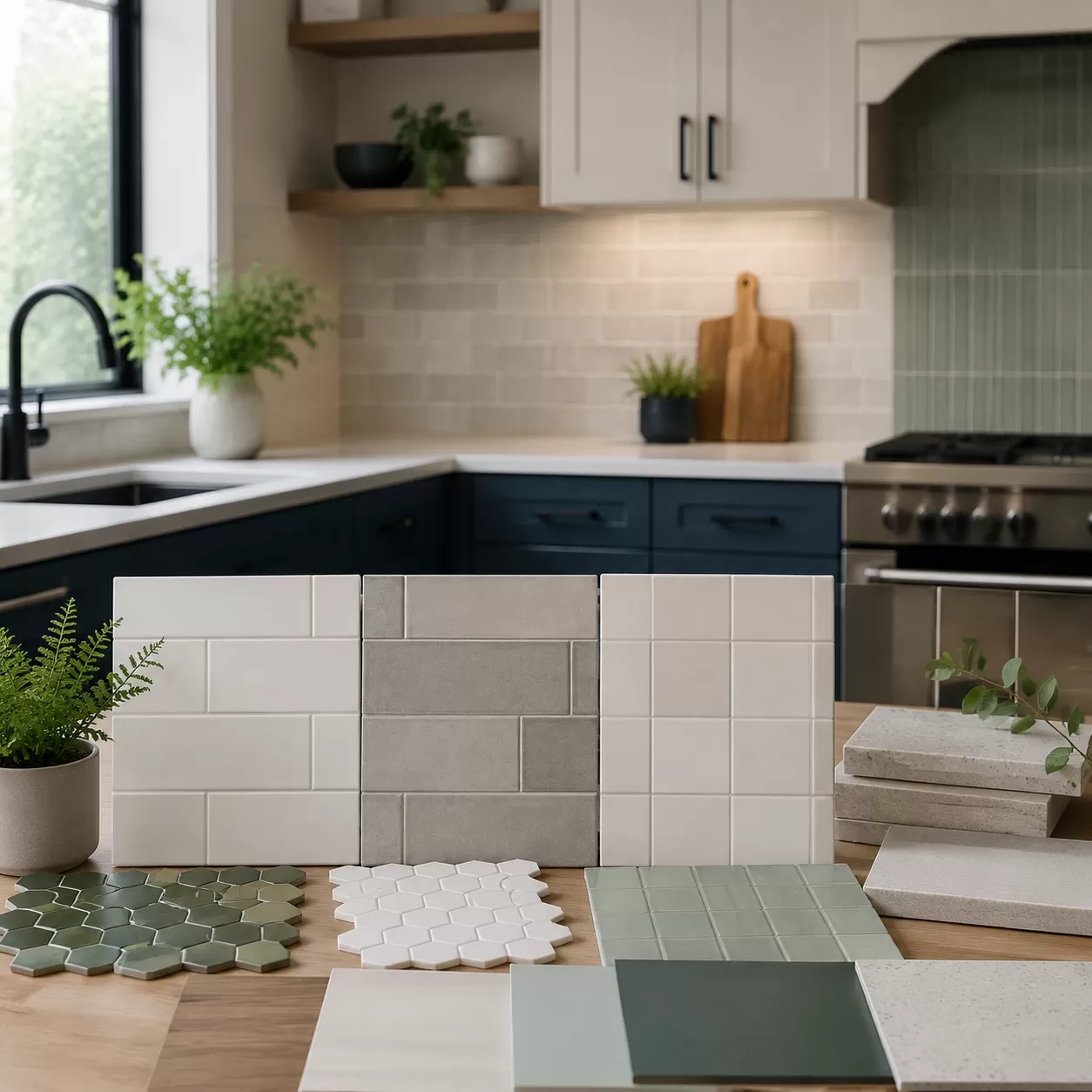
When buying from us as a direct Kitchen Porcelain Tile supplier and manufacturer, getting the technical specs right is just as important as picking the perfect style. Here is exactly what you need to look for to ensure your kitchen flooring looks stunning and lasts for decades.
Choosing the Right Tile Sizes (Large Format vs. Standard) and Thickness
Tile size completely changes the feel of your kitchen. While standard sizes are a timeless choice, large-format tiles are dominating modern designs.
Standard Sizes (12×12, 12×24 inches): Easy to install, great for smaller kitchens, and offers a traditional look.
Large Format (24×24, 24×48 inches and up): Fewer grout lines mean a cleaner look and a visually larger kitchen. It also means less grout to clean.
Thickness Matters: For standard kitchen flooring, 8mm to 10mm is the sweet spot for durability. If you are using porcelain slabs for countertops, look for 12mm to 20mm thickness.
Trending Kitchen Tile Colors and Texture Combinations
The right color and texture combo sets the mood for the entire home. Global design trends currently focus on neutral, organic looks that mask daily wear.
Trend: Modern Organic
Popular Colors: Warm beige, taupe, soft cream
Best Texture Pairings: Matte or lightly textured finishes
Trend: Industrial Chic
Popular Colors: Charcoal, concrete gray, zinc
Best Texture Pairings: Matte or slip-resistant structured finishes
Trend: Classic Luxury
Popular Colors: Calacatta white, dramatic black marble
Best Texture Pairings: Polished (for walls/backsplashes) or Satin (for floors)
Understanding Slip Resistance: PEI Ratings and COF
Kitchen floors face inevitable spills, making safety a top priority. Pay close attention to these technical ratings before purchasing your kitchen flooring:
PEI Rating (Durability): For residential kitchens, choose PEI 3 or PEI 4. This ensures the tile handles heavy foot traffic, dropped pots, and moving barstools without wearing down.
COF (Coefficient of Friction / Slip Resistance): Look for a DCOF (Dynamic Coefficient of Friction) rating of 0.42 or higher. This guarantees the tile provides enough grip to prevent slips when the floor is wet.
Thermal Conductivity: Is Porcelain Tile Compatible with Radiant Underfloor Heating?
Yes, porcelain tile is the absolute best flooring material for radiant underfloor heating.
High Thermal Conductivity: Porcelain heats up quickly and retains warmth efficiently, making your kitchen incredibly comfortable to stand on during colder months.
Zero Warping: Unlike wood or LVP, porcelain will not expand, warp, or crack when exposed to temperature changes from underfloor heating systems.
Kitchen Porcelain Tile Installation and Cost Guide
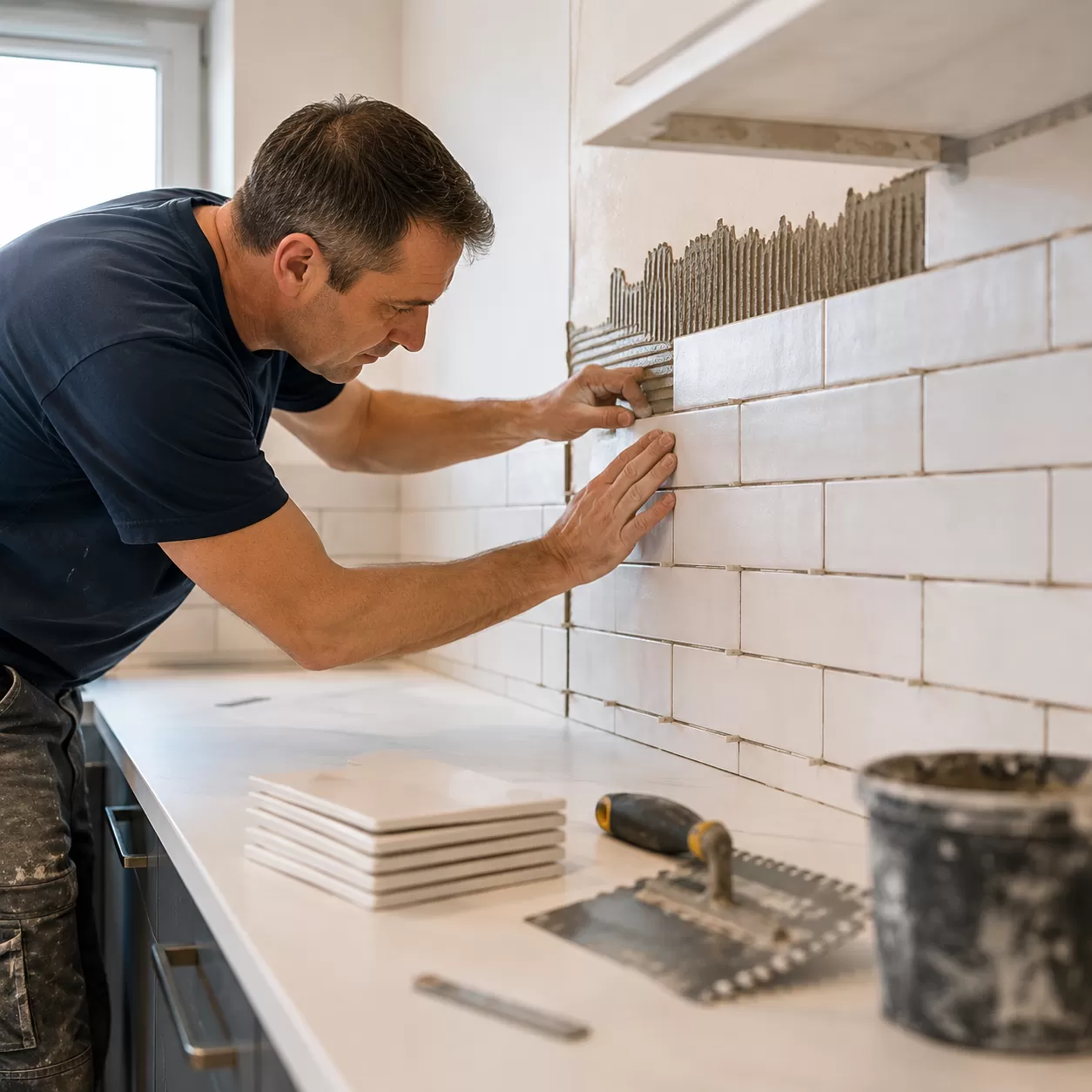
Getting your new kitchen flooring down correctly requires a clear understanding of the setup process and budget. As a leading Kitchen Porcelain Tile supplier and manufacturer, we know exactly what it takes to get a flawless, durable finish that lasts for decades.
Can You Install Porcelain Tile Over Existing Floors? (DIY vs. Professional)
You can sometimes tile over existing floors like old ceramic or concrete, but the surface must be perfectly flat, clean, and structurally sound. If there is any flex or bounce in the subfloor, your new tiles will crack.
The DIY Route: Tiling requires specialized tools like wet saws and laser levels. It is doable for a small backsplash, but a full kitchen floor is highly demanding.
Going Professional: Hiring a pro ensures the subfloor is correctly prepped, the leveling is spot-on, and the layout looks balanced without awkward, tiny cuts at the walls.
Essential Grout Selection, Color Matching, and Sealing Tips
Grout holds your floor together and heavily impacts the final look and maintenance routine of your kitchen flooring.
Grout Types: Use epoxy grout for kitchens. It offers unmatched water resistance and stain resistance against grease and spills.
Color Matching: Matching shades create a seamless, large-format look. Contrasting shades highlight geometric layouts and tile shapes.
Sealing: If you use standard cementitious grout, you must seal it upon installation and reapply yearly to prevent deep stains. Epoxy grout does not require sealing.
Cost Breakdown: Material Prices and Installation Labor Costs
Budgeting for a kitchen porcelain tile project involves balancing material grades with local labor rates.
Cost Component: Porcelain Tile Materials
Average Cost Range (Per Sq. Ft.):$2.00 – $10.00
Key Factors: Style, finish, and size (large format vs. standard).
Cost Component: Installation Materials
Average Cost Range (Per Sq. Ft.):$1.00 – $3.00
Key Factors: Thinset, epoxy grout, spacers, and underlayment.
Cost Component: Professional Labor
Average Cost Range (Per Sq. Ft.):$5.00 – $14.00
Key Factors: Job complexity, pattern layouts, and old floor removal.
Pro Tip: Always add a 10% to 15% waste factor to your total square footage when ordering materials to account for cuts, corners, and future repairs.
Daily Care and Long-Term Maintenance
Porcelain is one of the toughest materials you can choose for your home. As a dedicated Kitchen Porcelain Tile supplier and manufacturer, we design our tiles to withstand heavy daily use. However, keeping them looking brand new requires the right approach to cleaning and upkeep.
Daily Cleaning Routines and Best Cleaning Solutions
Keeping your kitchen flooring spotless doesn’t require expensive chemicals. In fact, harsh cleaners can dull the surface over time.
Daily Sweep: Use a soft-bristle broom or microfiber dust mop to remove grit and crumbs that can cause micro-scratches.
Weekly Mopping: Mix warm water with a few drops of mild dish soap or a pH-neutral tile cleaner.
Avoid These: Stay away from oil-based cleaners, wax, ammonia, and bleach, as they leave a stubborn film that attracts more dirt.
Spill Response: While porcelain offers exceptional water resistance and stain resistance, wipe up acidic spills like wine, coffee, or tomato sauce quickly to keep the surface pristine.
How to Clean and Maintain Grout Lines
Grout is porous and tends to catch dirt long before the actual tile does. Protecting your grout lines preserves the overall look of your kitchen floor.
Grout Care Step: Sealing
Action Required: Apply a high-quality penetrating grout sealer to block moisture and stains.
Frequency: Once a year
Grout Care Step: Light Cleaning
Action Required: Scrub grout lines with a paste of baking soda and water using a nylon brush.
Frequency: As needed
Grout Care Step: Deep Cleaning
Action Required: Use a specialized, non-acidic grout cleaner for heavy discoloration.
Frequency: Every 6 months
Pro Tip: Never use steel wool or metal scrubbing pads on your grout or tiles, as they can leave rust marks and permanent scratches.
Repairing Chipped or Damaged Porcelain Tiles
Porcelain is incredibly durable, but dropping a heavy cast-iron skillet can occasionally cause a chip. You don’t always need to replace the entire floor for minor mishaps.
Minor Chips: Use a color-matched porcelain repair kit or an epoxy resin. Clean the area, apply the resin flush with the tile surface, and let it cure.
Severe Damage: If a tile cracks completely, chisel out the damaged piece, scrape away the old thinset, apply fresh adhesive, and set a replacement tile from your original installation leftover batch.
Frequently Asked Questions About Kitchen Porcelain Tile
Are Porcelain Tiles Prone to Cracking?
No, porcelain tiles are not prone to cracking under normal conditions. Because we manufacture our porcelain with highly refined clay fired at extreme temperatures, it is incredibly dense and tough. Cracking usually only happens due to a poor subfloor installation or if a massive, heavy object is dropped directly onto it.
Is Porcelain Tile Too Hard or Cold for a Kitchen Floor?
Porcelain is a hard material, which is exactly why it serves as such a durable kitchen flooring option that resists scratches and heavy dropped pans. While it can feel cold to the touch in winter, it has excellent thermal conductivity. It pairs perfectly with underfloor radiant heating systems to keep your kitchen cozy. For standing comfort, most homeowners simply place stylish anti-fatigue mats near the sink and stove.
Are Porcelain Tiles More Expensive Than Other Flooring Options?
The upfront cost of porcelain tile can be higher than luxury vinyl plank (LVP) or standard ceramic, but it is more affordable than natural stone like marble or granite. When looking at long-term value, porcelain is actually the most cost-effective choice. It outlasts almost every other material without needing to be replaced or refinished.
Flooring Material: Kitchen Porcelain Tile
Initial Material Cost: Moderate to High
Lifespan: 50+ Years
Long-Term Value: Excellent
Flooring Material: Ceramic Tile
Initial Material Cost: Low to Moderate
Lifespan: 20–30 Years
Long-Term Value: Good
Flooring Material: Luxury Vinyl Plank (LVP)
Initial Material Cost: Low to Moderate
Lifespan: 10–20 Years
Long-Term Value: Moderate
Flooring Material: Hardwood / Natural Stone
Initial Material Cost: High
Lifespan: 30–50+ Years
Long-Term Value: High (But requires high upkeep)
Do Homeowners Regret Installing Porcelain Tile in the Kitchen?
Very rarely. The unmatched water resistance and stain resistance make it a dream for messy cooks and busy households. The only minor complaints come from homeowners who chose an ultra-glossy finish that shows footprints, or went with white grout that requires extra scrubbing. Choosing a matte or textured finish with darker grout lines completely eliminates these issues.
How Do I Calculate How Much Tile I Need to Buy? (Waste Factor Guide)
To find your baseline tile requirement, multiply the length of your kitchen floor by the width to get the total square footage. You must then add a waste factor to cover cuts, corner fits, and potential breakage during installation.
Standard Layouts (Grid pattern): Add 10% to your total square footage.
Diagonal or Herringbone Layouts: Add 15% due to the extra cuts required.
Always save one extra box: Keep a few leftover tiles in your garage for any future unexpected repairs.
