Porcelain floor tile
Porcelain tile flooring is one of the most popular and durable flooring solutions used in residential, commercial, and industrial spaces worldwide. Manufactured from refined clay and fired at extremely high temperatures, porcelain tiles are denser, less porous, and more resistant to water, stains, and wear than many other flooring materials. Their exceptional strength and low maintenance requirements make them ideal for high-traffic areas such as living rooms, kitchens, bathrooms, retail stores, hotels, and office buildings.
Showing 12 products
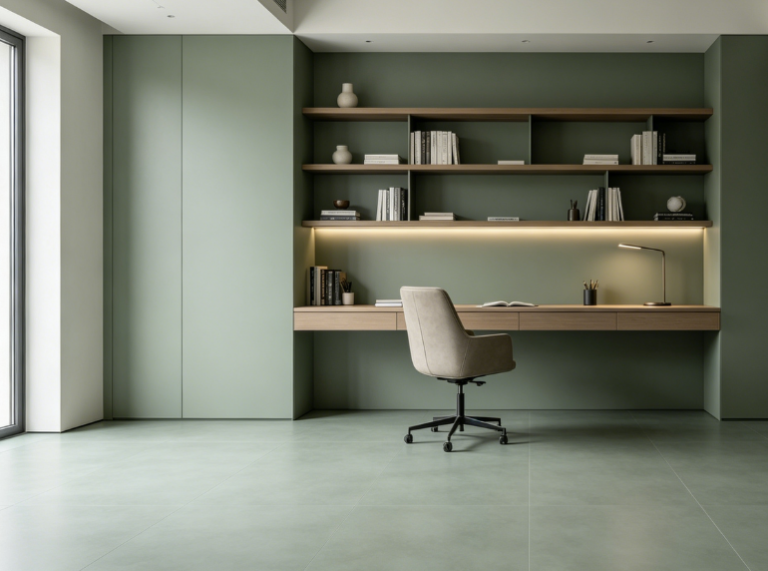
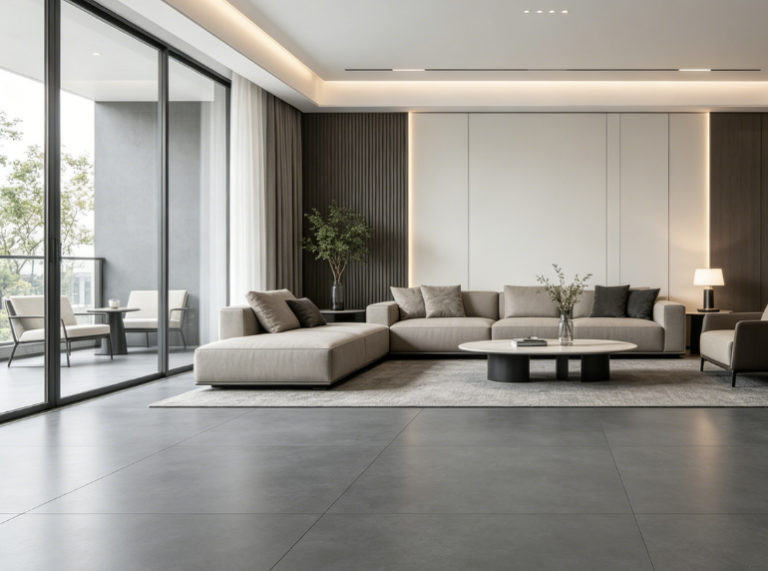
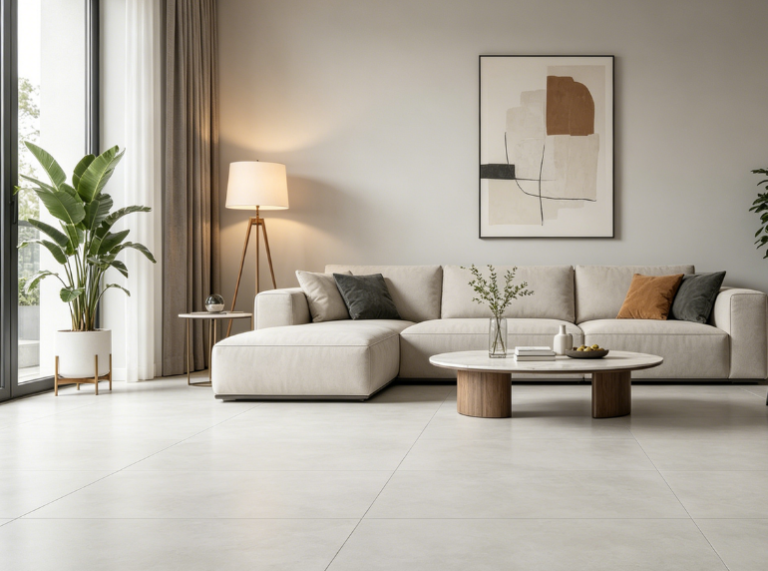
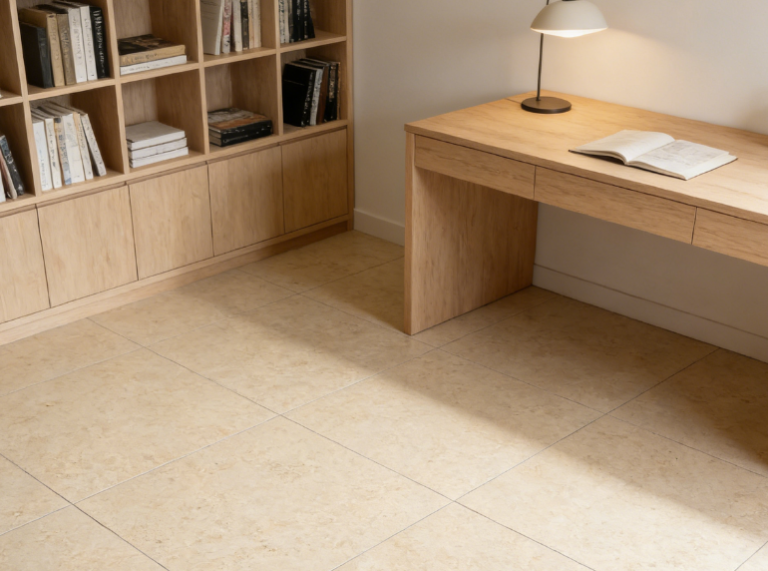
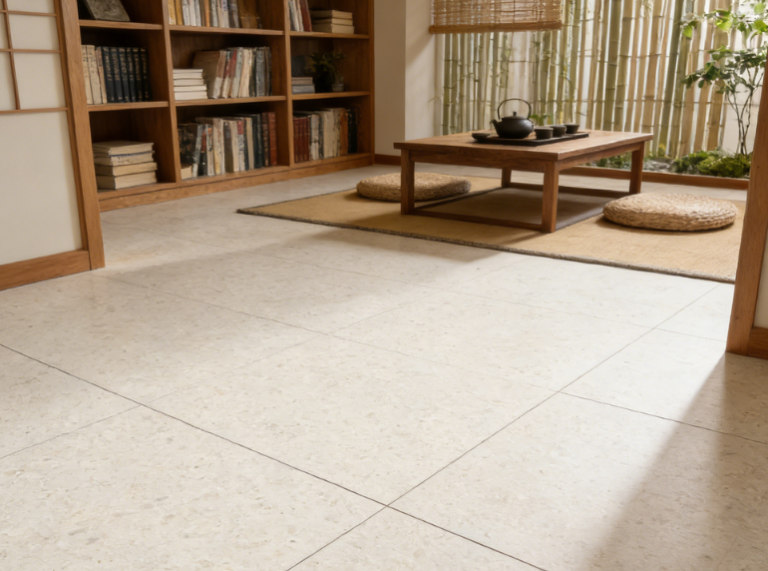
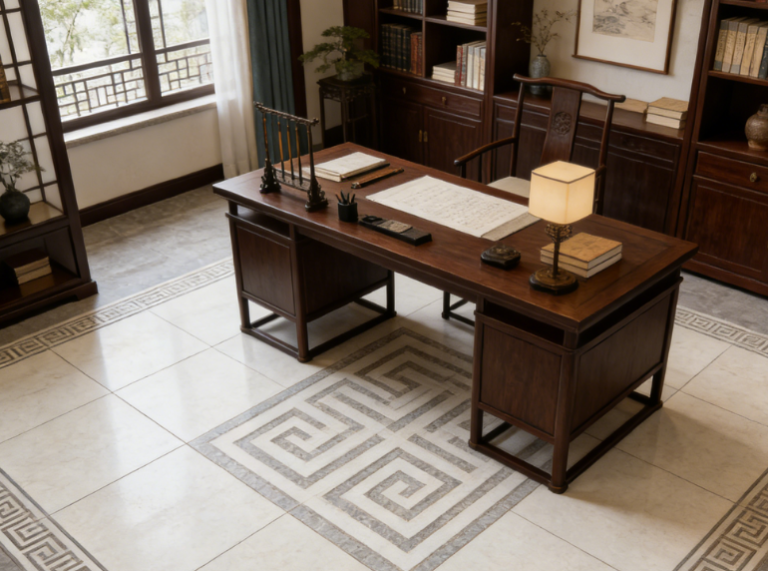
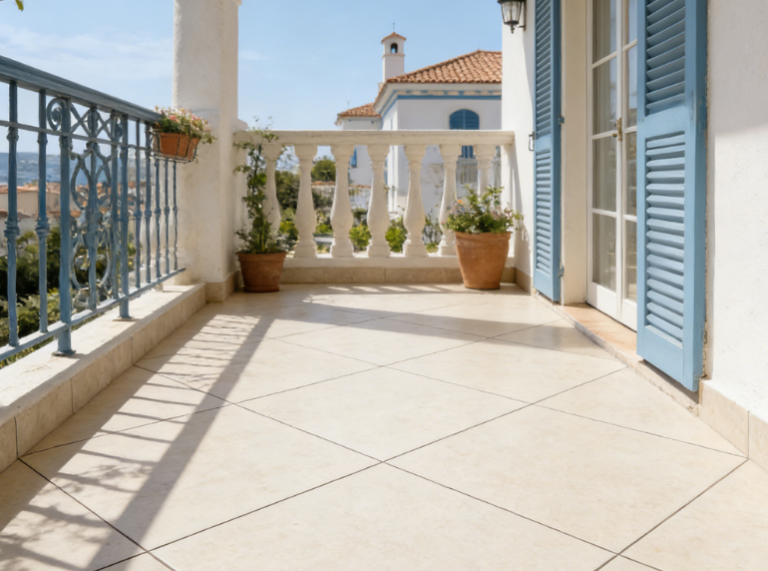
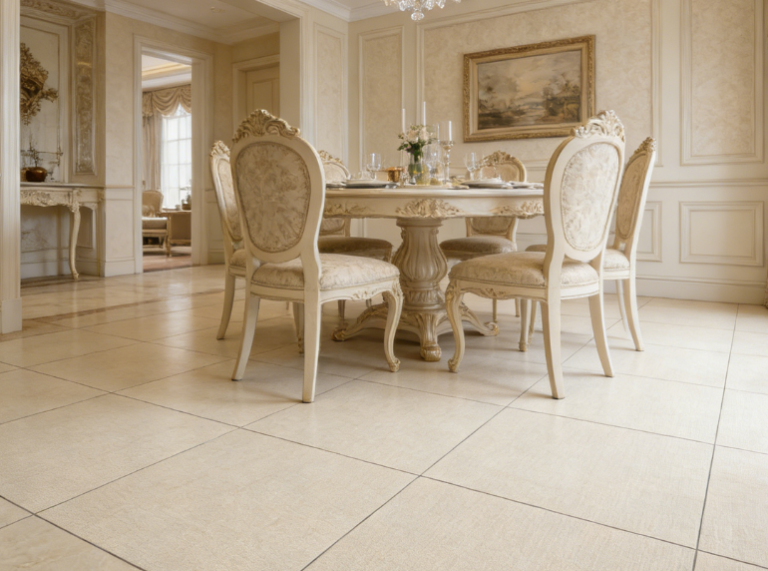
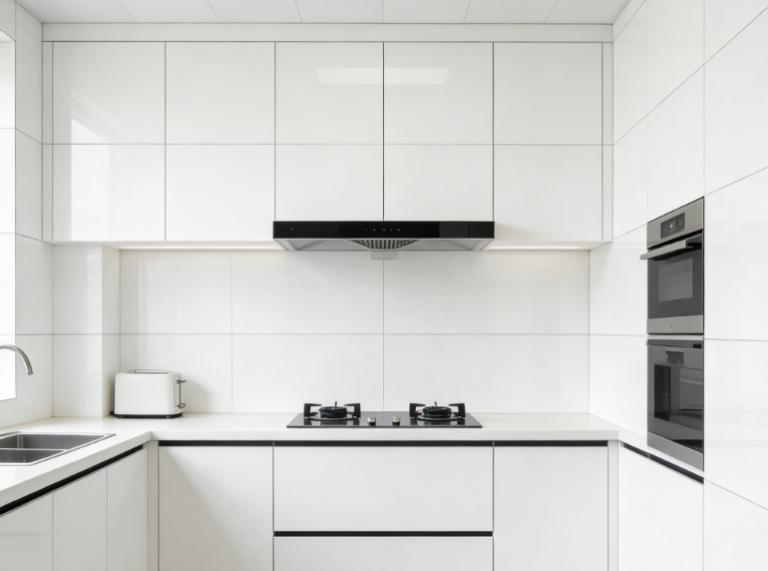
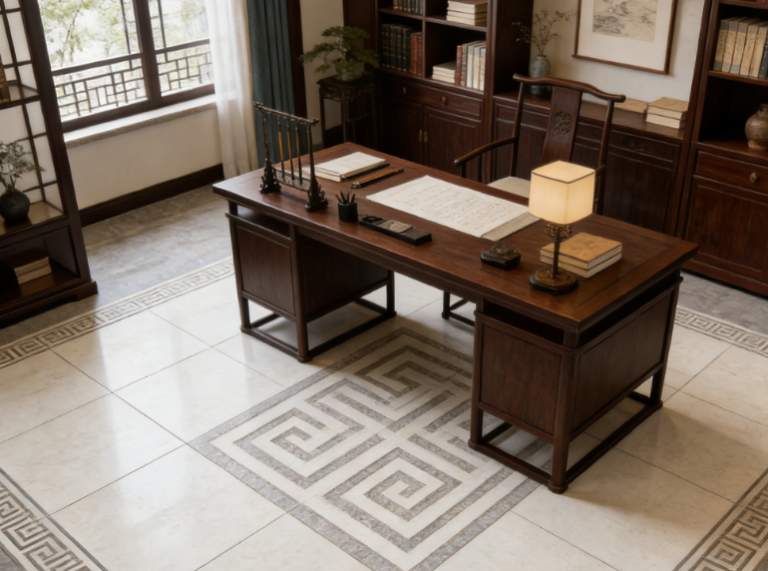
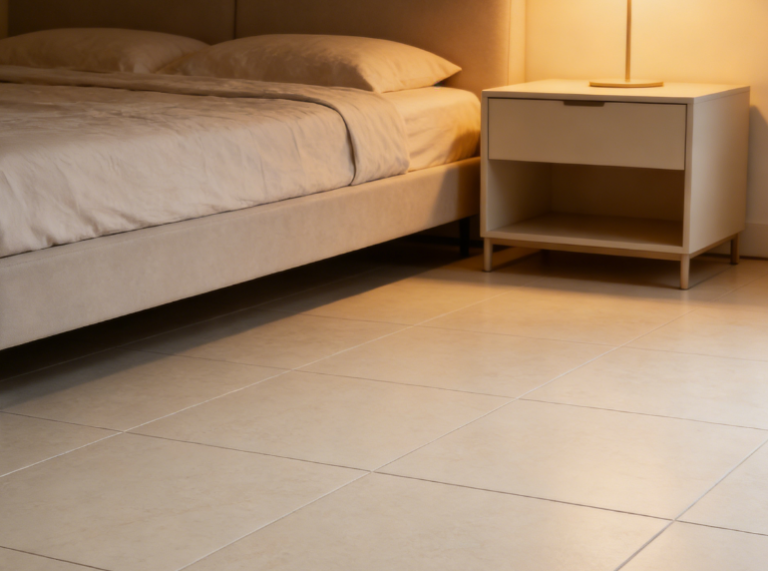
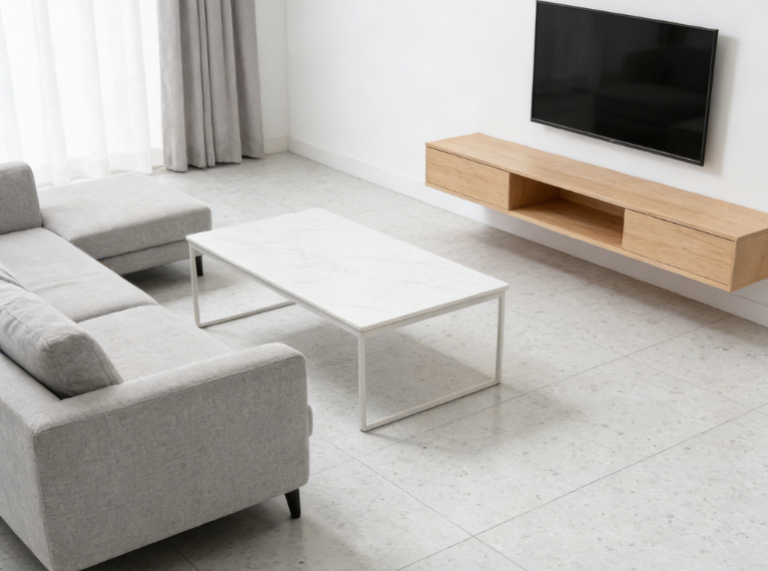
About Porcelain floor tile
Porcelain Tile Flooring: The Complete Guide to Styles, Applications, Costs, and Buying Decisions
The key characteristics of premium porcelain flooring include:
High Density: Fired at extreme temperatures, resulting in a compact, solid structure.
Low Porosity: An official water absorption rate of less than 0.5%.
Through-Body Color: Many porcelain options feature color throughout the entire tile profile, making chips virtually invisible.
Extreme Hardness: Highly resistant to heavy foot traffic, impacts, and scratching.
How Porcelain Tile Flooring is Manufactured
The production of high-grade porcelain flooring requires precision engineering and advanced raw materials.
Material Selection: We blend highly refined, purified clay, feldspar, and quartz sand.
Hydraulic Pressing: The raw mixture is formed under immense hydraulic pressure into the desired large format tile or standard shape.
High-Temperature Firing: The pressed tiles are fired in kilns at temperatures reaching up to 1,200°C to 1,400°C. This vitrification process transforms the raw materials into a dense, glass-like structure.
Finishing: Tiles are either left unglazed, coated with a protective glaze, or polished to achieve specific textures and styles.
Porcelain vs. Ceramic Tile: What is the Difference?
While both belong to the ceramic family, porcelain offers significantly higher performance metrics than standard ceramic options.
Feature: Composition
Porcelain Tile: Refined clays and dense minerals
Ceramic Tile: Coarser, unrefined clays
Feature: Water Absorption Rate
Porcelain Tile: ≤ 0.5% (Impervious)
Ceramic Tile: > 0.5% (Absorbent)
Feature: Firing Temperature
Porcelain Tile: 1,200°C – 1,400°C
Ceramic Tile: 1,000°C – 1,150°C
Feature: Durability
Porcelain Tile: High; suitable for commercial use
Ceramic Tile: Light to moderate; residential use
Feature: Application
Porcelain Tile: Indoor, outdoor, wet areas, commercial
Ceramic Tile: Indoor walls and light-traffic residential floors
Why Porcelain Flooring is Popular Worldwide
Porcelain tile flooring has become the premier choice across global markets because it solves the limitations of traditional flooring options. Architects, builders, and homeowners worldwide rely on it for its balance of aesthetics and longevity.
Climate Resilience: Thanks to its frost-proof nature, it performs flawlessly in both freezing northern climates and humid tropical regions.
Design Versatility: Advanced printing technologies allow us to replicate authentic stone looks, wood grains, and industrial concretes perfectly.
Hygiene and Safety: It is hypoallergenic, easy to sanitize, and ideal for high-moisture zones like the bathroom or commercial kitchens.
Lifecycle Value: It easily outlasts vinyl, laminate, and carpet, offering the lowest total cost of ownership over time.
Pros and Cons of Porcelain Tile Flooring
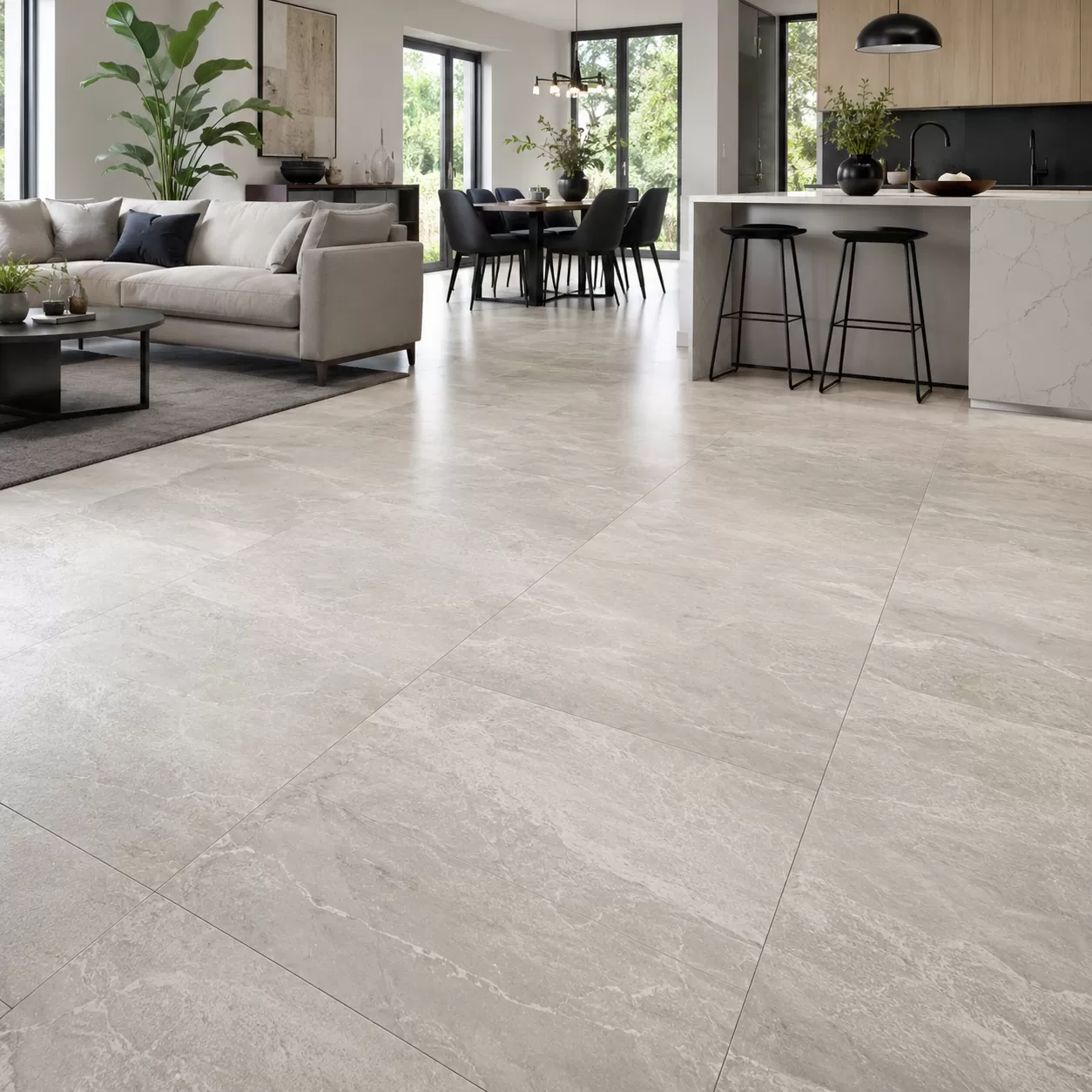
Major Advantages of Porcelain Flooring
Choosing porcelain tile flooring brings unmatched durability to any space. As a leading manufacturer, we engineer these tiles to withstand heavy foot traffic, making them ideal for both busy households and high-end commercial projects.
Near-Zero Water Absorption: Rated at less than 0.5%, making it virtually waterproof.
Extreme Hardness: Resistant to heavy impacts, scratches, and everyday wear.
Low Maintenance: No complex sealing required; messes wipe away easily.
Design Versatility: Available in stunning stone looks, wood grain planks, and large format tile options.
Potential Drawbacks to Consider
While the benefits are extensive, a successful installation requires looking at the full picture.
Heavy Weight: Requires a strong, rigid subfloor to prevent cracking.
Difficult to Cut: The dense composition requires professional tools like a diamond-blade wet saw.
Cold Underfoot: Retains temperature, though it pairs perfectly with radiant heating systems.
Higher Upfront Cost: Premium materials and professional installation require a larger initial budget than standard flooring options.
Is Porcelain Floor Tile Worth the Investment?
Yes, porcelain tile flooring offers a remarkable return on investment. While the upfront costs for materials and professional labor are higher than vinyl or laminate, porcelain lasts for decades. You save money over time by avoiding frequent replacements, heavy repairs, or intense refinishing schedules. For long-term value, durability, and premium aesthetics, it remains one of the smartest investments for any property.
Benefits of Choosing Porcelain Floor Tiles
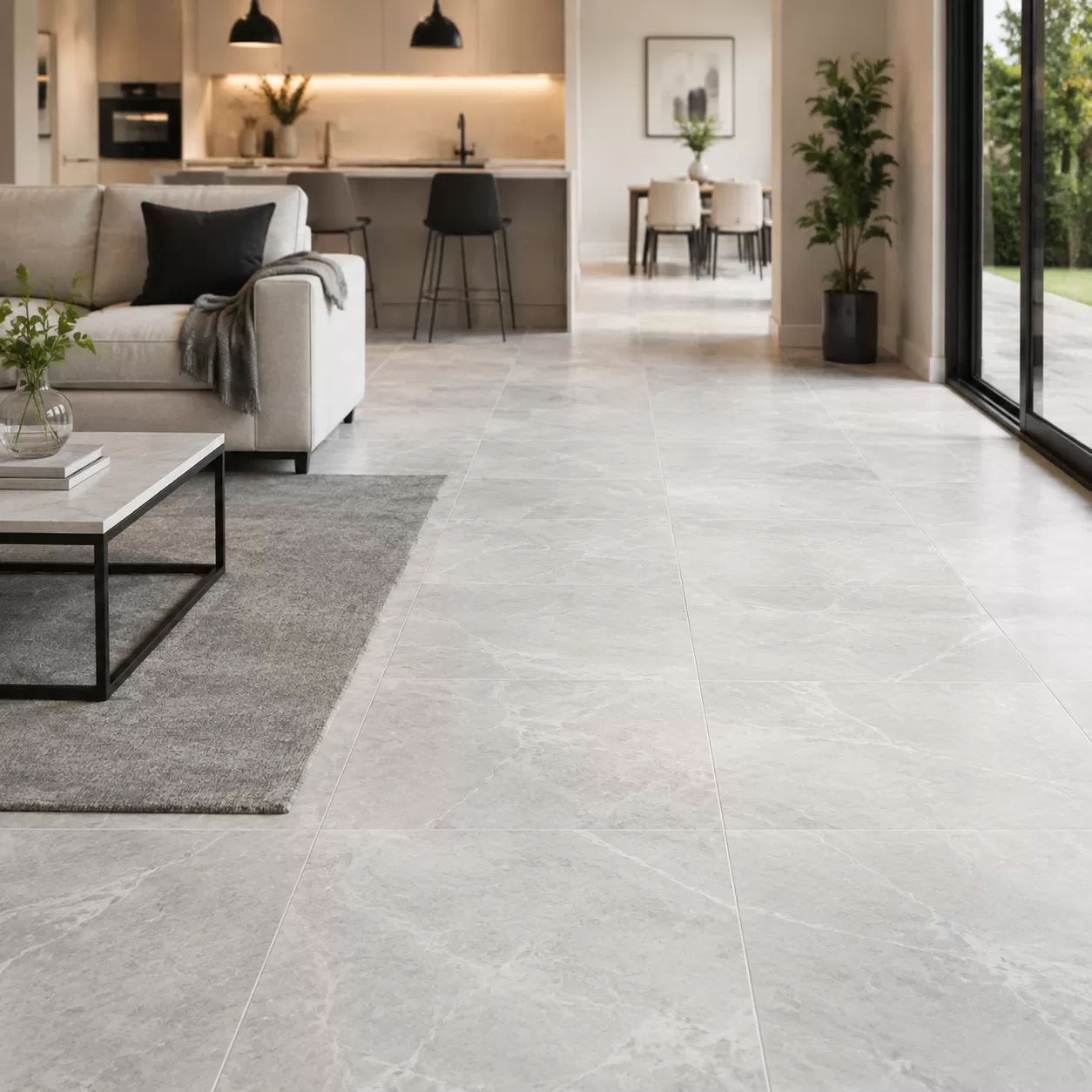
Exceptional Durability and Lifespan
We engineer our porcelain tile flooring to last a lifetime. Because it is fired at extremely high temperatures, it becomes incredibly dense. This dense structure allows it to withstand heavy drops, intense pressure, and decades of constant use without cracking or breaking.
Water Resistance and Low Maintenance
Porcelain has a near-zero water absorption rate, making it inherently waterproof. Spills, moisture, and deep puddles cannot penetrate the surface. Cleaning requires minimal effort—just a quick sweep and a damp mop will keep the floors looking brand new without any specialized chemical treatments.
Scratch, Stain, and Wear Resistance
Busy environments demand tough surfaces. Our porcelain floor tiles easily resist scratches from pet claws, high heels, and moving furniture. The non-porous surface also acts as a shield against stubborn stains from wine, coffee, and oil.
Feature: Water Absorption
Performance Level: < 0.5%
Benefit: Waterproof, prevents mold growth
Feature: Scratch Resistance
Performance Level: High (Mohs scale 7-8)
Benefit: Resists pet claws and heavy foot traffic
Feature: Stain Resistance
Performance Level: Class 5 (Highest)
Benefit: Unaffected by household chemicals and spills
Feature: Lifespan
Performance Level: 50+ Years
Benefit: True permanent flooring option
Versatility for High-Traffic Areas
From busy mudrooms to packed retail spaces, this flooring handles a massive volume of daily foot traffic. It does not fade under direct sunlight, and the surface texture retains its slip resistance and color richness even after years of continuous friction.
Suitable for Residential and Commercial Projects
As a leading Porcelain Tile supplier and manufacturer, we design these products to bridge the gap between home comfort and commercial toughness. They add high-end aesthetic value to living rooms and bathroom layouts while delivering the heavy-duty certified performance needed for malls, airports, and hotel lobbies.
Popular Styles, Colors, and Looks in Porcelain Tile Flooring
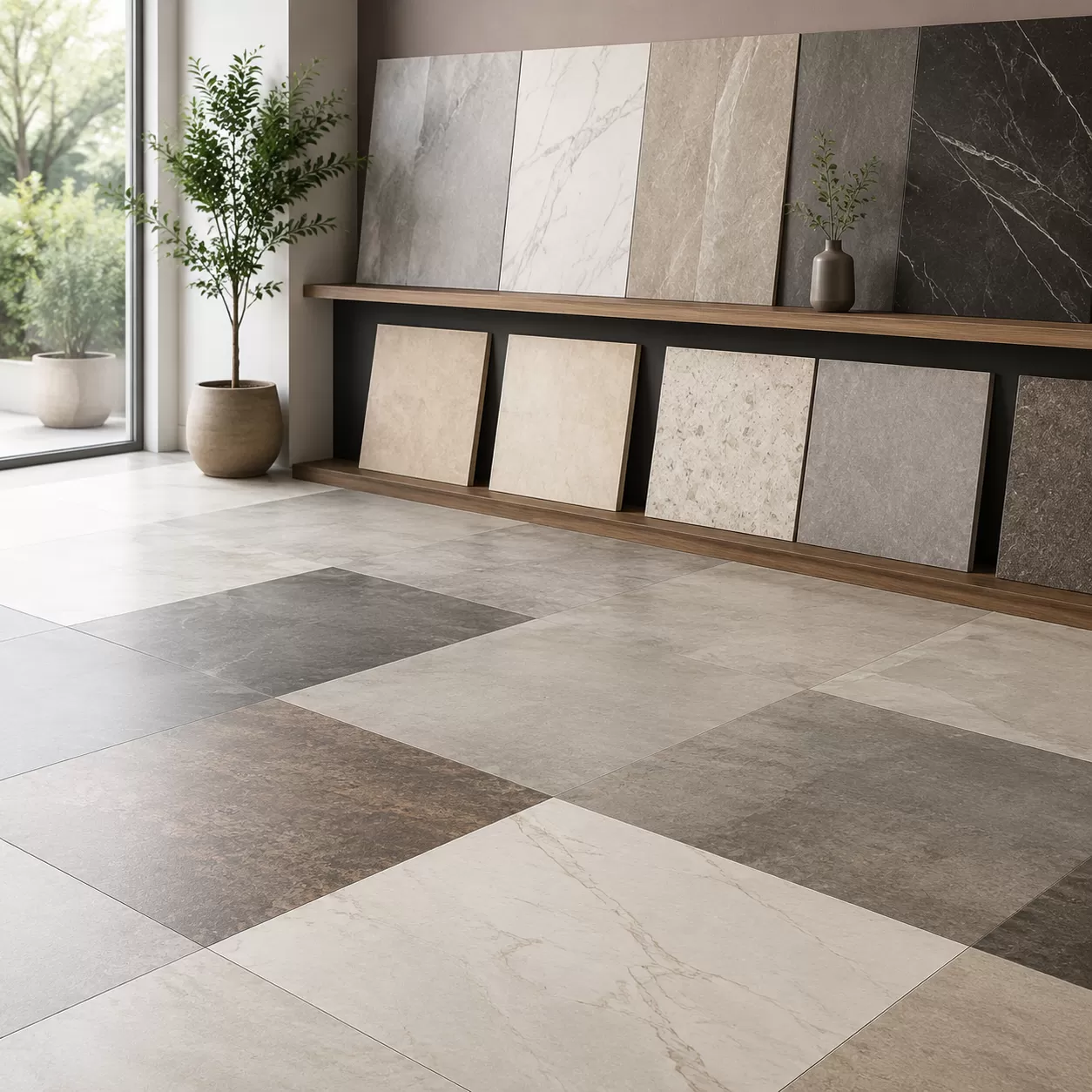
Wood Look Porcelain Flooring
Get the warmth of hardwood without the maintenance. Our wood-look porcelain tile flooring captures realistic grain textures and knots while remaining entirely waterproof. It will not warp, scrape, or dent under heavy foot traffic.
Natural Stone and Travertine Looks
Enjoy the rustic elegance of natural stone looks without the hassle of regular sealing. These porcelain options replicate the earthy textures, pitting, and tonal variations of genuine travertine and slate, built to last a lifetime.
Marble Look Porcelain Floor Tiles
Achieve high-end luxury at a fraction of the cost. Our marble-look porcelain floor tiles feature deep, striking veining and polished surfaces that mirror Carrara and Calacatta marble, bringing an upscale feel to any space.
Concrete and Cement Effect Tiles
Perfect for industrial and minimalist designs. These tiles offer the sleek, raw aesthetic of poured concrete and matte cement effect finishes. They provide a smooth, clean backdrop that pairs seamlessly with modern architecture.
Porcelain Mosaic and Patterned Tiles
Make a bold statement with geometric patterns and intricate mosaic layouts. Ideal for accent walls, backsplashes, and eye-catching floor features, these designs combine artistic flair with the ultimate durability of porcelain tile flooring.
Trending Colors: From Classic White to Modern Grey
We offer a curated palette designed to match evolving global interior design trends.
Classic White & Cream: Brightens up tight spaces and delivers a clean, timeless look.
Modern Grey & Charcoal: The ultimate neutral for contemporary residential and commercial layouts.
Earthy Beiges & Taupes: Adds warmth and a grounded, organic feel to living areas.
Large-Format Contemporary Designs
As a premier porcelain tile supplier and manufacturer, we specialize in large format tile options. These oversized panels minimize grout lines, creating a seamless, expansive look that makes open-concept rooms feel even larger.
Porcelain Tile Flooring Design Ideas
Transforming a space requires a balance of aesthetics and endurance. As a premier porcelain tile supplier and manufacturer, we design our collections to elevate diverse environments, blending global design trends with everyday practicality.
Modern Minimalist Interiors
Minimalism thrives on clean lines and uncluttered surfaces. For these spaces, seamless porcelain tile flooring in monochromatic tones—like soft greys, crisp whites, and muted matts—creates an expansive, calm atmosphere.
Key Look: Monolithic floors with minimal grout lines.
Best Choice: Matte or satin finishes that diffuse light softly.
Vibe: Sleek, functional, and effortlessly clean.
Luxury Residential Spaces
Upscale homes demand materials that exude sophistication while handling daily life. High-gloss marble look porcelain floor tiles deliver the opulence of natural stone without the fragile maintenance routine.
Visual Impact: Deep, continuous veining that mirrors high-end Italian marble.
Popular Formats: Large format tile installations that minimize seams and maximize grandeur.
Application: Grand entryways, open-concept living rooms, and primary suites.
Commercial and Retail Flooring Concepts
In retail and commercial spaces, flooring must protect the brand image while enduring heavy foot traffic. Concrete and cement-effect porcelain tiles offer an industrial, contemporary edge that anchors modern retail layouts.
Durability: High PEI-rated surfaces resistant to heavy wheeled carts and high-heeled shoes.
Design Strategy: Neutral, textured backdrops that make merchandise or corporate branding pop.
Hotel and Hospitality Design Inspiration
Hospitality design relies on creating a memorable first impression. We offer intricate porcelain mosaic and patterned tiles to craft statement lobbies, accent walls, and upscale bar areas.
Custom Layouts: Mixing geometric patterns with warm wood-look borders.
Atmosphere: Welcoming, upscale, and highly photogenic for modern travelers.
Indoor-Outdoor Continuity Designs
Erasing the boundaries between the interior and the exterior is a massive global trend. By utilizing the same style of porcelain tile flooring from the living room out to the patio, you create a visual extension of your square footage.
Application Area: Indoor Living
Finish Recommended: Smooth / Honed
Key Feature: Easy to clean, comfortable for bare feet
Application Area: Outdoor / Patio
Finish Recommended: Anti-slip / Textured (R11+)
Key Feature: Weather-resistant, high traction when wet
Pro Tip: Using matching stone looks across both areas creates a flawless, unbroken visual flow that makes any property feel twice as large.
Common Porcelain Tile Flooring Sizes and Formats
Choosing the right size of porcelain tile flooring completely changes the look and feel of your space. As a manufacturer, we produce a wide range of formats to fit every design goal, whether you want fewer grout lines or a detailed pattern.
Standard Tile Sizes and Layouts
Standard squares and rectangles are the backbone of residential and commercial design. These traditional sizes offer maximum versatility and work perfectly with classic layouts like grid, brick joint, or herringbone patterns.
Grid Pattern: Best for a clean, uniform look.
Offset/Brick Joint: Shifts the lines to mimic traditional masonry.
Staggered Layouts: Adds movement to the floor.
12×24, 24×24, and 24×48 Formats
These three sizes are the industry sweet spot. They balance easy handling during installation with a modern, high-end look.
Tile Size: 12×24
Best Used For: Bathrooms, narrow hallways, and galley kitchens
Visual Impact: Elongates smaller rooms
Tile Size: 24×24
Best Used For: Living areas, open floor plans, and retail spaces
Visual Impact: Balanced, classic square proportions
Tile Size: 24×48
Best Used For: Luxury residential and commercial lobbies
Visual Impact: Minimizes grout lines significantly
Large Format Designs and Slabs
Large format tile options reduce visual clutter. By minimizing grout lines, these massive panels create a seamless, continuous surface that makes any room feel larger and more luxurious.
We manufacture ultra-large porcelain slabs that mimic massive blocks of natural stone. These are perfect for high-end, modern spaces that demand a clean, uninterrupted look on both floors and walls.
Porcelain Planks for Wood-Look Floors
To get the look of real hardwood without the water damage, porcelain planks are the perfect choice. We shape these tiles to match real wood boards, allowing you to install beautiful stone looks and wood textures in wet areas like bathrooms and kitchens.
Common Plank Sizes: 6×36, 8×48, and 9×59 inches.
Top Layout Choice: Herringbone or a 33% offset tile pattern for the most natural wood appearance.
Mosaic and Decorative Formats
For custom accents, shower floors, and backsplashes, mosaic and decorative formats add texturing and slip resistance.
Hexagons & Octagons: Add a vintage or geometric touch to bathroom floors.
Mesh-Backed Mosaics: 2×2 or basketweave sheets that easily contour to sloped shower floors.
Encaustic-Style Patterns: Bold, repeating prints that create a statement floor.
Technical Specifications and Performance Ratings
When choosing the right porcelain tile flooring for your projects, looking past the surface aesthetics is essential. Technical ratings ensure the tile you select can handle the specific demands of your space, whether it is a busy retail hub or a residential bathroom.
Understanding PEI Wear Ratings
The Porcelain Enamel Institute (PEI) rating tells you exactly how much foot traffic a tile can handle before it shows signs of wear. As a premier Porcelain Tile supplier and manufacturer, we recommend matching the PEI rating strictly to your application.
PEI Rating: PEI 1 & 2
Recommended Usage: Light traffic only
Ideal Applications: Residential bathrooms and bedrooms
PEI Rating: PEI 3
Recommended Usage: Moderate traffic
Ideal Applications: General residential spaces, kitchens, and countertops
PEI Rating: PEI 4
Recommended Usage: Heavy traffic
Ideal Applications: All residential areas and light commercial spaces
PEI Rating: PEI 5
Recommended Usage: Extra heavy traffic
Ideal Applications: High-traffic commercial projects, malls, and airports
Slip Resistance Ratings (R9–R13)
Slip resistance is a critical safety metric, especially for wet areas and commercial spaces. The “R” scale measures oil-wet ramp slip resistance to determine the best environment for each tile.
R9: Low friction. Best for dry indoor living spaces and bedrooms.
R10: Moderate friction. Ideal for indoor bathrooms, kitchens, and entryways.
R11: High friction. Perfect for outdoor patios, pool surrounds, and public walkways.
R12 & R13: Maximum friction. Engineered for industrial commercial flooring, commercial kitchens, and steep ramps.
Water Absorption Standards
To be legally classified as true porcelain, a tile must meet strict density standards. Porcelain tile flooring features a water absorption rate of 0.5% or less. This incredibly low porosity makes the tile virtually waterproof, frost-proof, and highly resistant to stains.
Tile Thickness and Load Capacity
Thickness directly impacts the structural integrity and load capacity of your floor. Choosing the right thickness ensures your flooring options last a lifetime without cracking under pressure.
Slim/Thin Tiles (4.5mm – 6mm): Lightweight options used for wall claddings or overlaying existing floors.
Standard Tiles (8mm – 11mm): The industry standard for residential and standard commercial floor installations.
Thick/Paver Tiles (20mm+): Heavy-duty slabs designed for outdoor landscaping, driveways, and high-impact industrial zones.
Rectified vs. Non-Rectified Tiles
The finish of the tile edges determines how close you can lay each piece together, impacting the final look of your layout.
Rectified Tiles: These tiles are baked and then precisely ground to exact dimensions. The perfectly straight, 90-degree edges allow for ultra-thin grout lines (1.5mm), delivering a seamless, high-end look that complements large format tile installations.
Non-Rectified Tiles: These tiles feature natural, slightly uneven edges from the firing kiln. They require wider grout lines to mask slight size variations, offering a more traditional, rustic appearance.
Best Application Scenarios for Porcelain Flooring
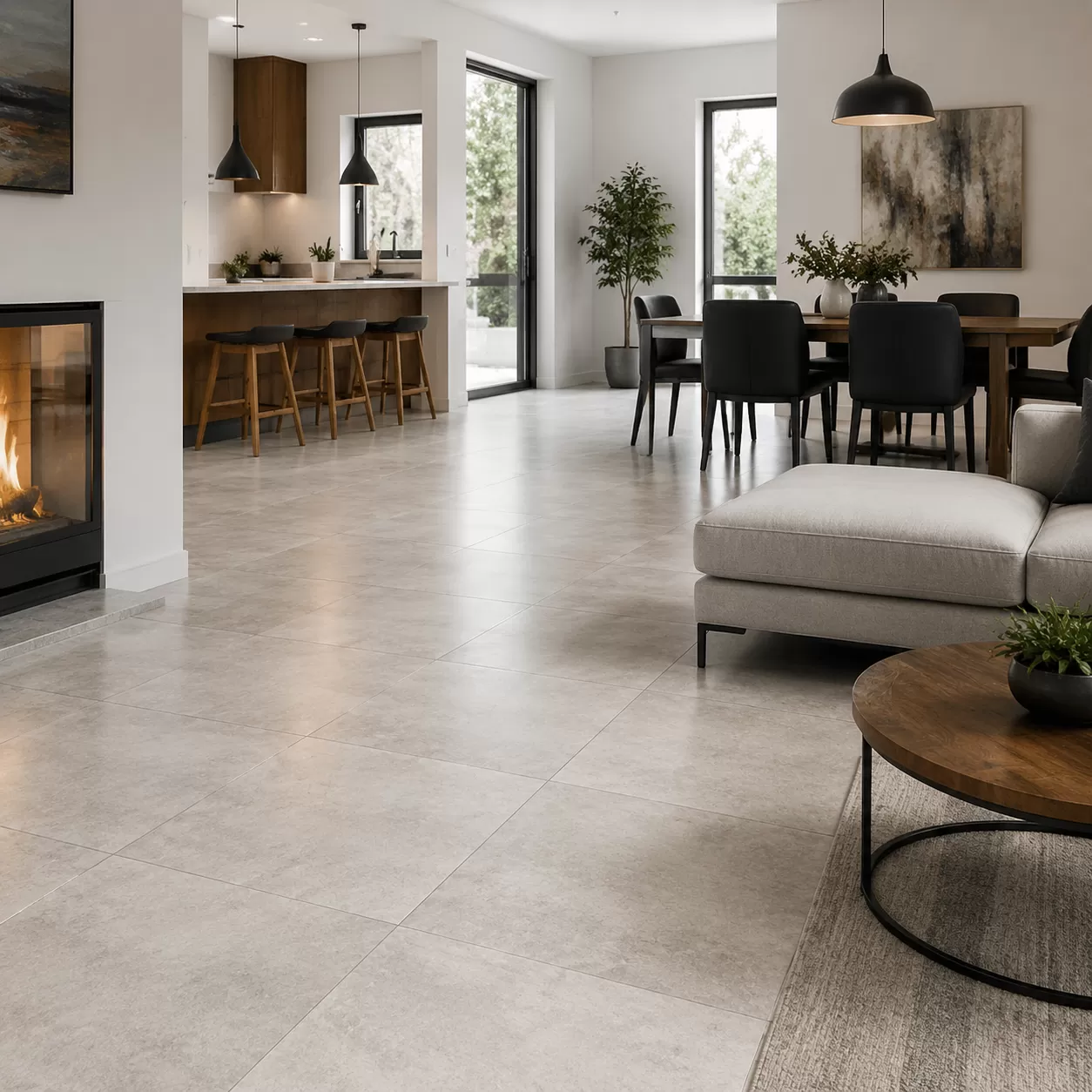
Choosing the right surface means matching style with real-world durability. Porcelain tile flooring thrives in environments that demand high performance, easy maintenance, and long-term wear resistance.
Indoor Living Spaces and Kitchens
Busy households need floors that can handle dropped pans, spilled wine, and constant foot traffic.
Kitchen Hubs: Spills wipe up instantly without staining or absorbing odors.
Living Rooms: Offers a sleek, modern look that resists scratches from furniture and pets.
Underfloor Heating: Conducts heat beautifully, keeping your living spaces cozy during colder months.
Bathroom and Shower Flooring
Bathrooms require materials that can handle constant exposure to water and humidity.
Zero Warping: Unlike wood or laminate, porcelain tile flooring will never swell or rot from moisture.
Texture Matters: Matte and textured finishes provide excellent slip resistance for wet bare feet.
Hygiene First: The non-porous surface stops mold, mildew, and bacteria from taking root.
Commercial Offices and Retail Stores
Commercial spaces demand heavy-duty performance without sacrificing brand aesthetics. As a direct porcelain tile supplier and manufacturer, we build these tiles to withstand heavy rolling loads and continuous daily foot traffic.
Commercial Space: Retail Showrooms
Key Requirement: High Scratch Resistance
Porcelain Benefit: Resists scuffs from high heels and heavy displays
Commercial Space: Corporate Offices
Key Requirement: Low Maintenance
Porcelain Benefit: Easy to clean quickly between shifts
Commercial Space: Lobbies & Entries
Key Requirement: Extreme Durability
Porcelain Benefit: Handles tracked-in dirt, grit, and moisture easily
Hotels, Restaurants, and Public Areas
First impressions matter in the hospitality industry. High-traffic public zones need a premium look that is incredibly easy to sanitize.
Spill Protection: Restaurant dining rooms benefit from a floor that resists grease, dropped food, and harsh chemical cleaners.
Design Flexibility: Achieve high-end stone looks or dramatic large format tile designs that elevate the guest experience.
Outdoor and Patio Installations
Porcelain isn’t just for indoors. Thick, exterior-grade porcelain pavers handle the elements better than natural stone or concrete.
Weatherproof: Features a near-zero water absorption rate, meaning it won’t crack during freeze-thaw cycles.
Fade Resistant: UV rays won’t fade or discolor the tiles, keeping your patio looking new for decades.
Pool Surrounds and High-Moisture Areas
Pool decks and splash zones require the highest level of safety and water resistance.
Safety Grip: Specialized anti-slip finishes keep walkways safe around pools and outdoor showers.
Chemical Resistance: Stands up to pool chlorine, saltwater, and outdoor cleaning agents without eroding.
Seamless Transitions: Use matching indoor and outdoor tiles to create a visually continuous flow from your living room straight to the pool.
Porcelain Tile Flooring for Commercial Projects
Why Architects Choose Porcelain Flooring
Architects and designers demand materials that balance aesthetics with uncompromised structural integrity. We engineer our porcelain tile flooring to meet strict global architectural standards. It provides absolute design freedom, mimicking natural textures while offering the precise technical specs required for blueprints and building codes.
High-Traffic Commercial Flooring Solutions
Commercial spaces experience heavy foot traffic, rolling loads, and constant wear. Standard flooring materials fail under these conditions, but our commercial-grade porcelain tiles are built to endure.
High PEI Ratings: Rated for heavy commercial use to resist abrasion.
Massive Load Capacity: Withstands the weight of heavy retail displays and equipment.
Unmatched Hardness: Resists chipping, cracking, and scratching under extreme daily use.
Hospitality and Retail Applications
In retail and hospitality, the floor sets the brand’s tone. Our diverse collections allow businesses to achieve luxury aesthetics without sacrificing public safety or durability.
Sector: Hotels & Lobbies
Design Requirement: Grand, upscale entrance
Porcelain Solution: Large format tile with high-gloss or polished stone looks
Sector: Restaurants & Cafes
Design Requirement: Spill-prone, high-turnover zones
Porcelain Solution: Slip-resistant, non-porous surfaces for quick cleanup
Sector: Retail Showrooms
Design Requirement: Modern, minimalist backdrops
Porcelain Solution: Sleek concrete effects or contemporary wood looks
Long-Term Lifecycle Value
While alternative flooring options might offer lower upfront costs, porcelain tile flooring delivers the lowest total cost of ownership over its lifespan. As a dedicated Porcelain Tile supplier and manufacturer, we guarantee products that eliminate the need for frequent replacements or expensive refinishing.
Zero Refinishing: Unlike natural stone or hardwood, porcelain never needs sanding, sealing, or polishing.
Decades-Long Lifespan: Outlasts vinyl, laminate, and carpet by decades.
Reduced Downtime: Easy maintenance means businesses spend less time closed for floor repairs.
Porcelain Tile Flooring vs Other Flooring Options
Choosing the right material for your project comes down to balancing performance, looks, and long-term value. As a leading porcelain tile supplier and manufacturer, we see firsthand how porcelain tile flooring stacks up against alternative flooring options.
Here is how porcelain compares directly to the most common materials on the market.
Porcelain Tile vs Ceramic Tile
While they belong to the same family, porcelain and ceramic have distinct differences in density and durability.
Composition: Porcelain uses finer, denser clay fired at much higher temperatures than standard ceramic.
Water Absorption: Porcelain features a certified water absorption rate of less than 0.5%, making it vastly more moisture-resistant than ceramic.
Best Use: Use ceramic for light-traffic walls; choose porcelain tile flooring for heavy-traffic floors, bathrooms, and outdoor spaces.
Porcelain Tile vs Natural Stone
Natural stone offers high-end luxury, but porcelain delivers the same premium aesthetic without the high-maintenance headaches.
Feature: Porosity & Staining
Porcelain Tile Flooring: Non-porous; resists stains and liquids
Natural Stone (Marble, Travertine): Highly porous; stains easily from spills
Feature: Sealing Requirements
Porcelain Tile Flooring: None required for glazed options
Natural Stone (Marble, Travertine): Requires regular sealing every 6–12 months
Feature: Design Consistency
Porcelain Tile Flooring: Uniform color and precise stone looks
Natural Stone (Marble, Travertine): High variation; difficult to match perfectly
Feature: Cost & Installation
Porcelain Tile Flooring: Budget-friendly material and predictable setup
Natural Stone (Marble, Travertine): Expensive raw materials and high labor costs
Porcelain Tile vs Vinyl Flooring
Luxury Vinyl Plank (LVP) and tile are popular for quick renovations, but porcelain wins on lifespan and premium feel.
Durability: Vinyl scratches and fades under direct sunlight over time. Porcelain is virtually scratch-proof and UV-resistant.
Lifespan: Vinyl typically lasts 10–20 years. A quality porcelain floor easily lasts 50+ years.
Eco-Friendliness: Vinyl is petroleum-based and can off-gas VOCs. Porcelain is made from natural clay and minerals, ensuring zero VOC emissions for cleaner indoor air.
Porcelain Tile vs Hardwood Flooring
Hardwood brings undeniable warmth, but it fails in high-moisture or high-traffic zones where porcelain thrives.
Moisture Resistance: Hardwood warps, buckles, and rots when exposed to water. Porcelain is completely unaffected by floods, leaks, or humidity, making it the superior bathroom choice.
Maintenance: Hardwood requires sanding, refinishing, and specialized cleaners. Porcelain cleans up easily with a damp mop and standard cleaners.
The Modern Solution: Our advanced large format tile options include realistic wood-grain textures that deliver the exact look of hardwood with the indestructible nature of porcelain.
Porcelain Tile vs Laminate Flooring
Laminate offers a low-cost alternative to wood, but it cannot match the structural integrity of porcelain.
Water Damage: Even “water-resistant” laminate will swell at the seams if water sits on it. Porcelain handles standing water indefinitely.
Wear and Tear: Laminate layers can delaminate or peel in high-traffic commercial zones. Porcelain retains its finish and color for decades without wearing thin.
Value Add: Laminate is often viewed as a temporary flooring option. Installing permanent porcelain tile instantly boosts the overall property resale value.
How to Choose and Buy the Right Porcelain Floor Tile
Choosing the right porcelain tile flooring involves balancing aesthetics with technical performance. Making the right choice ensures your space looks stunning and stands up to daily wear and tear.
Selecting the Right Finish and Slip Resistance
The finish of your porcelain tile flooring dictates both its visual style and safety level. Polished finishes offer a high-end, reflective look but can be slick. Matte and textured finishes provide superior slip resistance, making them ideal for wet areas.
Finish Type: Polished / High-Gloss
Best For: Living rooms, entryways, feature walls
Slip Resistance Level: Low
Finish Type: Matte / Unpolished
Best For: Kitchens, bathrooms, commercial spaces
Slip Resistance Level: Medium to High
Finish Type: Textured / R11+
Best For: Outdoor patios, pool surrounds, showers
Slip Resistance Level: Very High
Choosing the Ideal Size and Layout
The size of your tile changes how a room feels. Large format tile designs reduce grout lines, creating a seamless, spacious appearance.
Standard Formats (12×24, 24×24): Versatile options that work well in almost any residential layout.
Large Format Slabs (24×48 and up): Perfect for modern, open-concept spaces to minimize visual clutter.
Plank Formats: The go-to shape for achieving authentic stone looks or wood aesthetics.
Matching Tiles to Your Design Style
As a premier Porcelain Tile supplier and manufacturer, we design collections to fit every architectural vision. Match your design style to these proven aesthetics:
Modern Minimalist: Choose monochromatic matte tiles in large formats.
Classic Luxury: Opt for high-gloss marble patterns with sharp, rectified edges.
Rustic / Industrial: Select concrete effects or textured stone looks to add depth and warmth.
Evaluating Performance Ratings
Never skip checking the technical ratings before buying. For high-traffic areas, ensure the tile has a PEI rating of IV or V. Additionally, look for a low water absorption rate (under 0.5%) to guarantee true porcelain quality that resists cracking and frost.
Ordering Samples and Calculating Quantity
Always test a physical sample in your actual space to see how it looks under local lighting conditions. When you are ready to order, use this quick checklist to calculate your total quantity:
Measure Total Square Footage: Multiply length by width for all areas.
Add Waste Factor: Add 10% extra for standard installations, or 15% for diagonal layouts and intricate cuts.
Round Up: Always round up to the nearest full box to ensure you have matching dye lots for future repairs.
Porcelain Tile Flooring Cost Guide
When planning a renovation or commercial build, understanding the budget breakdown for porcelain tile flooring helps ensure a successful project. The total investment relies on material quality, design complexity, and labor requirements.
Average Material Costs
The cost of the tile itself varies based on size, finish, and manufacturing quality.
Standard Porcelain Tiles: Expect to pay $2 to $4 per square foot for basic, mass-produced options.
Mid-Range Designs: Popular options like wood-look planks and standard stone looks run between $4 to $8 per square foot.
Premium & Large Format Slabs: High-end marble looks and large-format contemporary designs range from $8 to $15+ per square foot.
Installation Labor Costs
Professional installation ensures your flooring lasts for decades without cracking. Labor prices generally range from $5 to $12 per square foot, depending on your location and the layout complexity.
Project Type: Standard Grid Layout
Labor Cost (Per Sq. Ft.): $5 – $7
Notes: Straightforward installation, minimal waste.
Project Type: Herringbone or Patterned
Labor Cost (Per Sq. Ft.): $7 – $10
Notes: Requires precise cuts and more time.
Project Type: Large-Format or Slabs
Labor Cost (Per Sq. Ft.): $9 – $12+
Notes: Needs specialized tools and multi-person handling.
Factors That Influence Pricing
Several variables can shift your total project estimate:
Tile Size and Format: Large-format tiles and intricate mosaic patterns cost more to install than standard 12×24 tiles.
Subfloor Preparation: If your subfloor requires leveling, patching, or old flooring removal, expect additional prep fees.
Rectified vs. Non-Rectified: Rectified tiles have perfectly straight, ground edges. They cost more upfront but allow for ultra-thin grout lines.
Waste Factor: Always order 10% to 15% more material than your room’s square footage to account for cuts and waste.
Budget vs. Premium Porcelain Tiles
As a leading Porcelain Tile supplier and manufacturer, we categorize options into two distinct tiers based on project needs:
Budget Tiles: Typically smaller, non-rectified, and utilize standard digital printing. Best for rental properties, basic residential updates, or low-traffic areas.
Premium Tiles: Offer high PEI wear ratings, through-body color, advanced slip resistance, and realistic textures (like authentic stone looks). Ideal for luxury residential spaces, high-traffic commercial projects, and outdoor areas.
Long-Term Value Compared to Other Flooring Materials
While porcelain tile flooring carries a higher upfront cost than vinyl, laminate, or carpet, it delivers the highest return on investment.
Zero Replacement Costs: Unlike vinyl or laminate that wears out in 10–15 years, porcelain lasts a lifetime.
Minimal Maintenance: No regular sealing or refinishing required, unlike natural stone or hardwood.
Property Value: High-quality tile installations directly increase residential and commercial property appraisal values.
Installation and Maintenance of Porcelain Tile Flooring
DIY vs. Professional Installation
Installing porcelain tile flooring requires a high level of skill. While a DIY approach saves on upfront labor costs, professional installation ensures flawless alignment and prevents costly future repairs.
Factor: Cost
DIY Installation: Lower upfront (tools & materials only)
Professional Installation: Higher upfront labor costs
Factor: Skill Level
DIY Installation: Advanced; requires precision cutting
Professional Installation: Expert; handles complex layouts easily
Factor: Risk
DIY Installation: High risk of lippage or cracked tiles
Professional Installation: Covered by warranties and guarantees
Factor: Time Investment
DIY Installation: High; typically spans multiple weekends
Professional Installation: Low; completed efficiently and quickly
Subfloor Preparation Requirements
A perfect installation depends entirely on what lies beneath your porcelain tile flooring.
Perfectly Flat: The subfloor must have no more than 1/8-inch variation over a 10-foot span.
Rigid and Deflection-Free: Wood subfloors need a minimum thickness of 1 1/8 inches to prevent flexing.
Clean and Dry: Remove all dust, oil, old adhesive, and debris before applying mortar.
Underlayment: Use a high-quality cement backer board or an uncoupling membrane to protect against movement.
Essential Tools and Grout Selection
Pro Tip: Always use a high-performance modified thin-set mortar designed specifically for porcelain’s low absorption rate.
Wet Tile Saw: Essential for clean, chip-free cuts on dense porcelain.
Notched Trowel: Use a 1/2″ x 1/2″ square-notched trowel for large-format tiles.
Tile Leveling System: Keeps all tile edges perfectly flush to eliminate lippage.
Grout Choice:
High-traffic or wet areas (like a bathroom): Choose epoxy grout for superior stain and water resistance.
Standard residential areas: Use cementitious grout mixed with a latex additive for flexibility.
Common Installation Mistakes to Avoid
Spot Bonding: Applying mortar in “dots” leaves hollow spaces beneath the tile, causing them to crack easily under heavy loads.
Ignoring Expansion Joints: Failing to leave perimeter gaps causes tiles to tent or buckle when temperatures shift.
Poor Grout Timing: Scraping or washing grout too early pulls it out of the joints; waiting too long makes cleanup incredibly difficult.
Skipping Back-Buttering: Large format tile requires mortar on both the subfloor and the back of the tile to guarantee a 95% mortar coverage.
Best Practices for Cleaning and Long-Term Care
Maintaining your porcelain tile flooring is simple but requires the right routine to keep it looking brand new.
Daily Care: Sweep or vacuum regularly to remove abrasive dirt and grit that can dull the surface finish over time.
Damp Mopping: Use a pH-neutral cleaner mixed with warm water. Avoid harsh bleach, ammonia, or highly acidic cleaners.
Grout Maintenance: Seal cement-based grout lines every six to twelve months to prevent staining and discoloration.
No Waxing: Never use wax or oil-based cleaners on porcelain; they leave a sticky residue that traps dirt.
Porcelain Tile Flooring Supplier and Wholesale Guide
How to Choose a Reliable Porcelain Tile Manufacturer
Finding the right partner for porcelain tile flooring requires looking past low prices. To secure high-quality products that arrive on time and undamaged, look for manufacturers with robust production capacities, consistent color-matching capabilities across batches, and secure packaging methods. As an experienced Porcelain Tile supplier and manufacturer, we recommend evaluating potential partners using the criteria below.
Key Selection Criteria: Production Capacity
What to Look For: Large-scale kilns and automated lines
Why It Matters: Ensures stable supply and prevents project delays.
Key Selection Criteria: Quality Control
What to Look For: Strict testing for flatness, sizing, and water absorption
Why It Matters: Reduces waste during installation and prevents failures.
Key Selection Criteria: Logistics Expertise
What to Look For: Heavy-duty, export-standard crating and palletizing
Why It Matters: Minimizes breakage during international transit.
OEM and Private Label Opportunities
We provide flexible OEM and private label services to help distributors, brands, and large retailers build unique market identities. This allows you to customize product lines to match local preferences without investing in heavy manufacturing infrastructure.
Custom Branding: Custom-printed packaging, logos, and stamps on the back of tiles.
Exclusive Designs: Tailored surface textures, glazes, and colorways based on market trends.
Custom Formats: Production of specialized dimensions, from mosaics to large format tile options.
Bulk Purchasing for Commercial Projects
Sourcing porcelain tile flooring in bulk drives down costs and secures the consistent inventory required for large commercial builds. Ordering by the container ensures that all tiles come from the same production run, eliminating color and caliber variations across large spaces.
Pro Tip: When ordering for large projects, always include a 5% to 10% buffer over the exact square footage to account for installation cuts, waste, and future repairs.
Eco-Friendly Manufacturing Practices
As a leading porcelain tile supplier and manufacturer, we focus on sustainable production. Our factory utilizes natural, raw ingredients like clay, feldspar, and sand. We recycle nearly 100% of our wastewater and reuse scrap materials back into the production loop, drastically minimizing manufacturing waste.
Indoor Air Quality Benefits
Choosing porcelain tile flooring means choosing healthier indoor spaces. Unlike vinyl or laminate flooring options, porcelain contains zero Volatile Organic Compounds (VOCs).
Hypoallergenic: Does not harbor dust mites, pollen, or pet dander.
Chemically Inert: Will not emit toxic fumes, even when exposed to high heat.
Mold Resistant: Non-porous surface prevents bacteria and fungi growth.
Long Product Lifespan and Reduced Waste
Porcelain lasts for decades, outliving almost all other flooring options. This extreme durability directly reduces the environmental footprint by lowering replacement frequencies and keeping demolition waste out of landfills.
Flooring Material: Porcelain Tile
Average Lifespan: 50+ Years
Environmental Impact: Very Low (Recyclable & Long-Lasting)
Flooring Material: Hardwood
Average Lifespan: 20–30 Years
Environmental Impact: Medium (Requires Deforestation)
Flooring Material: Vinyl / LVT
Average Lifespan: 10–15 Years
Environmental Impact: High (Petrochemical-Based, Non-Biodegradable)
Flooring Material: Carpet
Average Lifespan: 5–10 Years
Environmental Impact: High (Frequent Landfill Disposal)
Frequently Asked Questions About Porcelain Tile Flooring
Is porcelain floor tile completely waterproof?
Yes, porcelain tile flooring is virtually waterproof. Because it is fired at extremely high temperatures, it has a water absorption rate of less than 0.5%. While the tile itself won’t absorb water, remember that your grout lines can, so proper installation and sealing of the grout are still essential.
Can porcelain tiles be used outdoors in cold climates?
Absolutely. Thanks to its incredibly low moisture absorption, porcelain tile flooring handles freeze-thaw cycles without cracking. As a leading porcelain tile supplier and manufacturer, we always recommend choosing an outdoor-rated tile with a textured finish for exterior projects to prevent winter slips.
Are porcelain floors slippery when wet?
It depends entirely on the finish. Polished porcelain can be slick when wet, making it better suited for dry areas. For bathrooms, kitchens, and outdoor spaces, always look for matte, textured, or high-DCOF (Dynamic Coefficient of Friction) stone looks and large format tile options to ensure solid traction.
Does porcelain floor tile need sealing?
The glazed or unglazed surface of the porcelain tile itself never needs to be sealed. However, standard cement-based grout is porous and does require a sealant to prevent stains and mold growth. If you want a completely maintenance-free setup, choose an epoxy grout instead.
How long does porcelain tile flooring last?
Porcelain tile flooring is built to last a lifetime. When properly installed on a solid subfloor, it can easily last 50+ years. Its extreme hardness makes it one of the most durable flooring options available on the global market today.
What is the best grout for porcelain floor tiles?
Epoxy Grout: Best for stain resistance, water protection, and high-traffic areas like bathrooms and commercial spaces.
High-Performance Cement Grout: Great for standard residential installations, though it requires periodic sealing.
Can porcelain flooring increase property value?
Yes. Homeowners and buyers love premium flooring options that offer long-term durability. Installing high-quality porcelain tile flooring—especially modern large format tile or realistic wood-look planks—adds permanent, upscale value to any residential or commercial property.
What is the best porcelain floor tile for commercial spaces?
For heavy-use commercial environments, unglazed through-body porcelain tiles with a high PEI rating (Class 4 or 5) are the ultimate choice. They feature the same color all the way through the tile, meaning scratches or heavy wear from massive foot traffic will never show.
