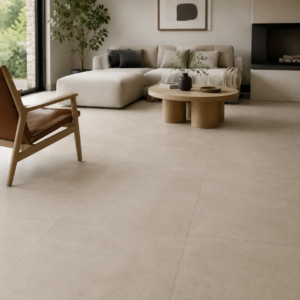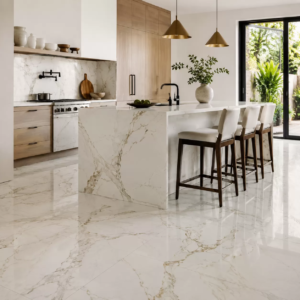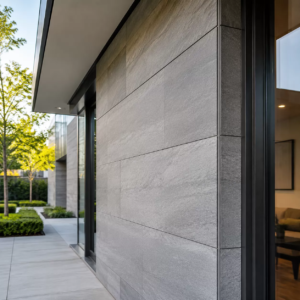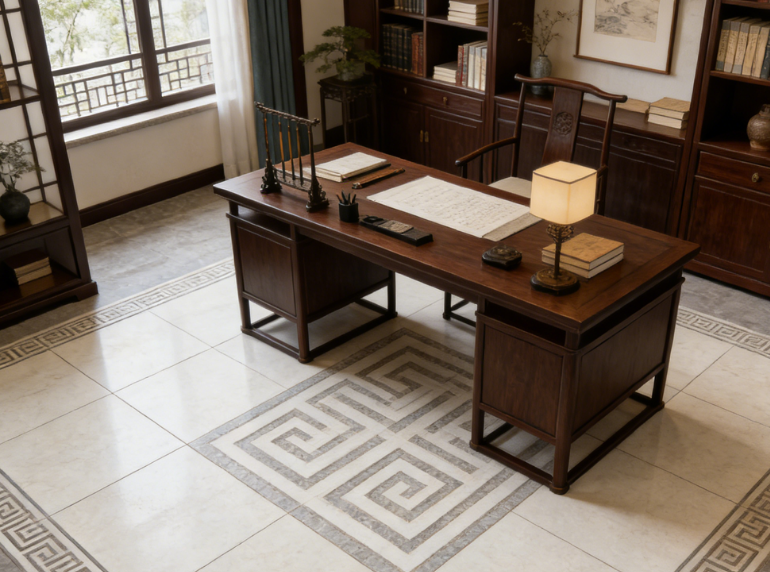
size:600x600mm
pcs/ctn:4pcs/ctn
kg/ctn:26.7kg/ctn
ctn/plt:40ctn/plt
ctn/container:1030ctn/container
Is Tile Waterproof? The Definitive Answer for Homeowners
When you’re planning a bathroom remodel or a kitchen upgrade, the first question is usually: “Is tile waterproof?” Most people assume all tiles handle water the same way, but there’s a massive technical difference between being “water-resistant” and being truly “waterproof.” If you choose the wrong material for a shower or pool deck, you’re looking at expensive moisture damage down the road.
Defining the Terms: Waterproof vs. Water-Resistant
In the world of flooring, these terms aren’t interchangeable.
- Water-resistant tile can withstand splashes and humidity, but if water sits on it for too long, the material will eventually absorb moisture.
- Waterproof tile, specifically impervious porcelain tile, has a density so high that water simply cannot penetrate the body of the tile.
The ASTM C373 Testing Standard
To give homeowners a clear benchmark, the industry uses the ASTM C373 testing standard. This test measures how much water a tile absorbs after being boiled and soaked. The results categorize tiles into four main groups. If you want a “waterproof” result, you must look for Impervious ratings.
The Material Spectrum Table
Understanding where different materials fall on the spectrum helps you avoid buying a “sponge” for your shower floor.
| Tile Category | Water Absorption Rate | Performance Level | Best Use Case |
|---|---|---|---|
| Non-Vitreous | > 7.0% | Low | Accent walls, dry areas |
| Semi-Vitreous | 3.0% – 7.0% | Moderate | Indoor walls, light traffic |
| Vitreous | 0.5% – 3.0% | High | Kitchen floors, bathrooms |
| Impervious (Porcelain) | < 0.5% | Elite/Waterproof | Showers, pools, outdoors |
By focusing on high-density vitrified tile, I ensure that the core of your installation remains bone-dry. Choosing a tile with a low water absorption rate is the only way to guarantee a lifetime of protection against mold, mildew, and structural rot.
Why Porcelain Tile Reigns Supreme in Wet Environments
When we talk about the ultimate defense against moisture, porcelain tile is the undisputed champion. While standard ceramic is fine for dry walls, porcelain is engineered to handle constant water exposure without flinching.
The Manufacturing Difference
The secret lies in the heat and the pressure. We kiln-fire porcelain at temperatures exceeding 1,200°C (2,200°F). This extreme heat, combined with highly refined clays, creates a high-density vitrified tile that is far more compact than standard ceramic. This process effectively eliminates internal air pockets, leaving almost no room for water to penetrate.
Through-Body vs. Glazed Porcelain
Not all porcelain is the same, but both types offer elite water resistance. Choosing between them usually comes down to your specific project needs:
| Feature | Through-Body Porcelain | Glazed Porcelain |
|---|---|---|
| Composition | Color/pattern runs through the entire slab | Pattern is printed on the surface |
| Water Resistance | Extremely high (Impervious) | Excellent (Glass-like seal) |
| Best Use | Heavy commercial & outdoor | Residential baths & kitchens |
| Wear Masking | Scratches are nearly invisible | Vibrant designs and textures |
Key Structural Benefits
Choosing a non-porous floor tile like our porcelain collections offers more than just a dry subfloor; it provides long-term structural integrity.
- Zero Swelling: Unlike wood or laminate, porcelain won’t warp or buckle when soaked.
- Frost Resistance: Because it absorbs less than 0.5% water, it won’t crack in freezing outdoor temperatures.
- Stain Immunity: Its dense structure prevents mold, mildew, and liquid stains from deep-rooting.
- Load Bearing: The high density makes it much harder to crack under the weight of heavy appliances or high foot traffic.
The Critical Weak Link: Grout and the Substrate System
You can buy the most expensive, impervious porcelain tile on the market, but your installation is only as waterproof as its weakest point. Many homeowners don’t realize that while the tile itself won’t let water through, the grid surrounding it is a completely different story.
The Reality of Grout Lines
Standard cement-based grout is inherently porous. It acts like a hard sponge, slowly absorbing moisture every time you take a shower or wash the floors.
- Water Migration: Over time, moisture seeps through these tiny pores.
- Structural Risk: Left unchecked, water travels downward, threatening your bathroom floor tile underlayment.
- The Myth: Relying solely on tile and standard grout to block water will eventually lead to mold, mildew, and costly subfloor rot.
Advanced Grout Alternatives
To build a bulletproof setup, you need to upgrade what goes between your tiles.
| Grout Type | Water Resistance | Best Used For |
|---|---|---|
| Standard Cement Grout | Low (Porous) | Dry living areas, accent walls |
| High-Performance Cement | Medium | Low-moisture floors, kitchens |
| Epoxy Grout for Wet Areas | 100% Waterproof | Showers, wet rooms, pool decks |
We always recommend epoxy grout for wet areas. It is completely non-porous, resists stains, and forms a literal plastic-like barrier that water cannot penetrate.
The Invisible Shield
What happens beneath the surface matters most. True waterproofing relies on a complete system approach, starting from the wall studs and subfloor up.
- Moisture-Resistant Backer Board: Never install tile directly onto standard drywall in a wet zone. You need a solid, cementitious base that won’t disintegrate if it gets damp.
- Waterproof Shower Tile Substrate: Before a single piece of porcelain is set, we apply a continuous waterproof tile membrane (either a liquid-applied elastomeric roll-on or a sheet membrane).
This creates an unbroken, invisible shield. Even if a hairline crack develops in your grout lines, the water hits this membrane and stops dead in its tracks, protecting your home’s framing from hidden water damage.
Room-by-Room Guide: Selecting the Right Tile Spec
Choosing the right tile goes beyond aesthetics. Different spaces demand different technical specs to handle moisture, foot traffic, and the elements. Here is how to select the perfect non-porous floor tiles and wall coverings for every area of your home.
Shower Enclosures & Wet Rooms
Shower floors and wet rooms face constant water exposure. For these areas, a mistake in material selection can lead to costly water damage.
- The Spec: You need an impervious porcelain tile with a water absorption rate of less than 0.5% (tested via ASTM C373).
- Safety First: Look for textured surfaces or smaller mosaics to maximize grout lines, providing essential anti-slip waterproof flooring.
- The Substrate: Always pair your tile with a waterproof shower tile substrate and a high-quality waterproof tile membrane behind the scenes.
Kitchen Backsplashes & Accent Walls
Kitchen walls handle a mix of water splashes, hot grease, and daily food stains, meaning the focus shifts to easy maintenance.
- The Spec: Ceramic tiles work well here, but porcelain vs ceramic water resistance favors porcelain for ultimate longevity.
- Design Choice: Large format porcelain panels are ideal for minimizing grout lines, creating a sleek look that wipes clean instantly.
- Protection: Even on walls, ensure the drywall is backed by a moisture-resistant backer board near sinks and cooktops.
High-Traffic Living Spaces & Mudrooms
Mudrooms and entryways bear the brunt of wet boots, pet paws, and tracked-in dirt.
- The Spec: Opt for high-density vitrified tile that resists both heavy impact and moisture penetration.
- Grout Choice: Use an epoxy grout for wet areas in these zones to prevent dirty water from staining your floors.
- Underlayment: A solid bathroom floor tile underlayment or uncoupling membrane should be used if transitioning these tiles into adjacent laundry or powder rooms.
Outdoor Patios & Pool Decks
Exterior tiles must survive harsh weather cycles, frost, and direct sunlight without cracking or absorbing water.
- The Spec: Standard tiles will fail outdoors. You must use specialized outdoor glazed porcelain slabs designed specifically for exterior use.
- Weather Resistance: True impervious porcelain tile prevents water from entering the tile body, meaning it won’t freeze, expand, and crack in the winter.
- The YASIQI Advantage: Our YASIQI premium tile collections feature advanced frost-proof engineering and high slip resistance, making them the top choice for secure outdoor living.
Best Practices for Achieving a Truly Waterproof Tile System
Buying the right tile is only half the battle. If you want a space that stands up to heavy moisture without rotting your subfloor, you need a systematic approach. Here is how we ensure a waterproof tile system remains bulletproof for decades.
Step 1: Substrate Preparation
Everything starts with what’s underneath. You cannot install tile over standard drywall in a wet area. I always recommend using a moisture-resistant backer board or cement board. Ensure the surface is level, clean, and structurally sound to prevent shifting, which leads to cracked grout and water intrusion.
Step 2: Continuous Membrane Application
The tile and grout are your first line of defense, but the waterproof tile membrane is your safety net. We apply a liquid-applied or sheet-bonded membrane over the substrate. This creates a “tanked” environment, ensuring that even if water gets past the tile, it stays away from your home’s framing.
Step 3: Correct Thinset Selection
The bond matters. For high-moisture areas, we use a high-quality, polymer-modified thinset. This provides the flexibility needed to handle temperature changes and maintains a tight grip in damp conditions. Using the wrong adhesive is a common mistake that leads to “loose” tiles and water pooling underneath.
Step 4: Sealing Protocols
While our impervious porcelain tiles don’t need sealing, your installation system might.
- Cementitious Grout: Must be treated with a high-grade sealer to reduce porosity.
- Epoxy Grout: A superior, non-porous alternative that doesn’t require sealing.
- Expansion Joints: Use 100% silicone sealant in corners and change-of-plane joints to allow for movement without breaking the waterproof seal.
| Step | Action Item | Goal |
|---|---|---|
| Preparation | Install Cement Backer Board | Rigid, rot-proof foundation |
| Barrier | Apply Waterproof Membrane | Total moisture isolation |
| Bonding | Modified Thinset Adhesion | Prevent tile delamination |
| Finishing | Seal Grout & Silicone Joints | Block surface penetration |
Why Professionals Choose YASIQI Porcelain Tiles
At YASIQI, we manufacture and supply high-performance porcelain tile solutions that bridge the gap between architectural demands and practical installation. Global contractors and design professionals repeatedly rely on our products for environments where water resistance and structural integrity cannot be compromised.
Uncompromising Technical Specs
Every batch of our impervious porcelain tile undergoes strict testing to ensure it beats industry baselines. We focus on high-density vitrified tile production to guarantee minimal porosity and maximum longevity in wet environments.
Design Meets Engineering
We don’t force you to choose between aesthetics and technical performance. Our manufacturing facility utilizes advanced pressing and digital printing technologies to deliver diverse, high-end product formats designed for modern spaces.
- Large Format Porcelain Panels: Minimize grout lines in luxury shower enclosures to create a sleek look with fewer potential leak points.
- Outdoor Glazed Porcelain Slabs: Engineered to withstand thermal shock and freeze-thaw cycles on patios and pool decks without cracking or absorbing moisture.
- Through-Body Color Consistency: Ideal for high-traffic commercial projects where edges are exposed or heavy wear is expected.
- Precision Rectified Edges: Ensures tight, uniform joints that require less grout, optimizing the performance of modern epoxy grout for wet areas.
Frequently Asked Questions (FAQ)
Can water leak through porcelain tile itself?
No. An impervious porcelain tile features a high-density vitrified tile body that absorbs virtually zero water. According to the water absorption rate ASTM C373, premium porcelain absorbs less than 0.5% moisture. When you use our YASIQI non-porous floor tiles, water cannot pass through the face or body of the tile itself. Any leaks you experience in a bathroom stem from failed grout lines or an incomplete waterproof shower tile substrate underneath.
How often do I need to reseal my bathroom tile and grout lines?
Porcelain tile itself never needs to be sealed. However, standard cementitious grout lines require sealing every 1 to 2 years to maintain porcelain vs ceramic water resistance integrity. If you want to skip the endless maintenance cycle, we highly recommend upgrading to epoxy grout for wet areas. Epoxy grout is completely non-porous, stain-resistant, and never requires sealing.
Is ceramic tile acceptable for a master shower floor?
While ceramic is fine for walls, it is not ideal for a master shower floor. In the debate of vitreous tile vs impervious tile, standard ceramic falls into the vitreous category, meaning it absorbs more water. Constant exposure to standing water can cause ceramic to saturate, crack, or loosen over time. For high-moisture floors, always choose a true impervious porcelain tile to ensure long-term durability and safety.
What happens if water gets trapped underneath my floor tiles?
Trapped moisture is a recipe for disaster. If water bypasses the surface and gets stuck over a poor bathroom floor tile underlayment, it leads to mold growth, rot, and structural failure. Over time, the trapped water degrades the adhesive, causing your tiles to tent, crack, or pop loose. This is exactly why a continuous waterproof tile membrane and a solid moisture-resistant backer board are non-negotiable during installation.