Wood look porcelain tile
What Is Wood Look Porcelain Tile? Wood look porcelain tile is a premium, ultra-durable flooring and wall solution engineered to replicate the exact aesthetics of natural timber. Manufactured from highly refined porcelain clay, it undergoes a rigorous process of extreme compression and firing at temperatures exceeding 1,200°C. Advanced high-definition inkjet printing technology prints authentic grain patterns, knots, and textures directly onto the surface. As a leading Wood Look Porcelain Tile supplier and manufacture, we ensure each plank delivers the warmth of organic wood combined with the structural integrity of advanced engineered ceramics.
Showing 2 products
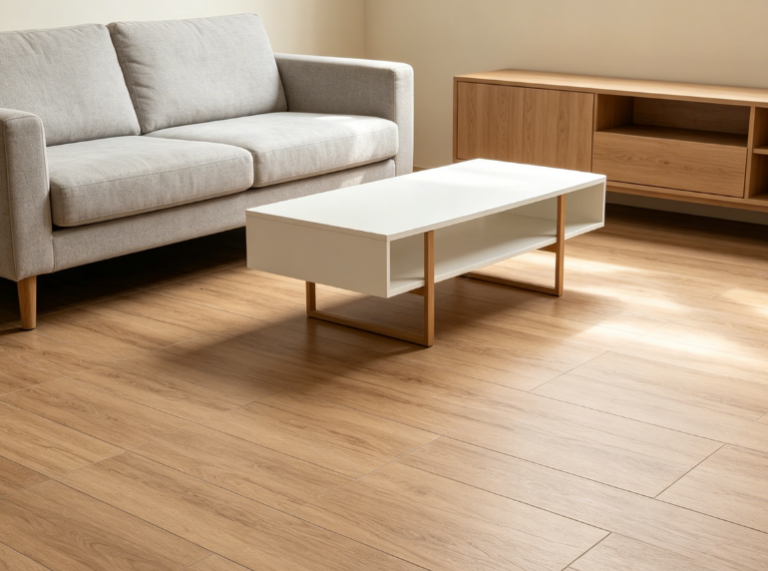
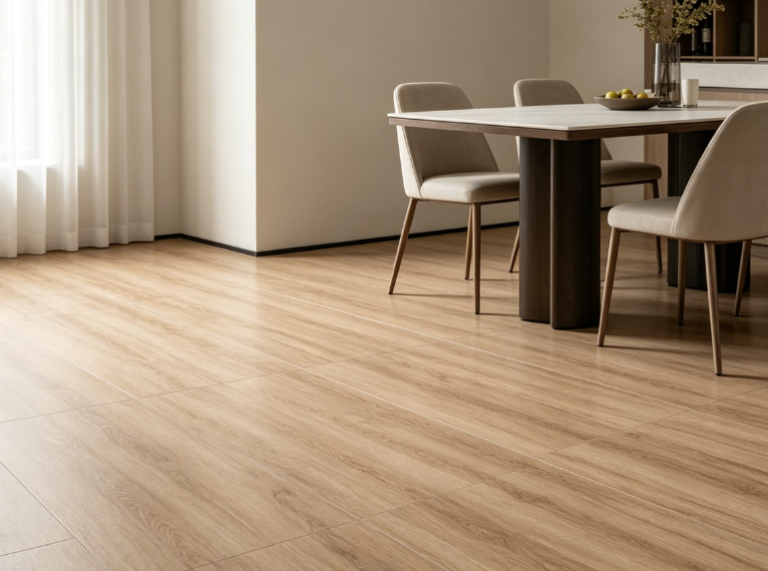
About Wood look porcelain tile
The B2B Architect’s & Contractor’s Guide to Wood Look Porcelain Tile
Are you struggling to balance aesthetic appeal with the brutal demands of high-traffic environments? If you’re a contractor or architect, you know that specifying the wrong flooring leads to costly callbacks and dissatisfied clients. That’s why The B2B Architect’s & Contractor’s Guide to Wood Look Porcelain Tile is the only resource you need to master this material.
I’ve spent years navigating the complexities of commercial specifications, and I’ve seen firsthand how the right choice can transform a project’s ROI while maintaining a premium look. In this guide, I’m cutting through the marketing fluff to give you the technical insights that actually matter—from PEI ratings and DCOF slip resistance to the nuances of rectified edges.
If you want to deliver projects that look like high-end hardwood but perform like industrial-grade stone, this guide is for you. Let’s dive in.
Wood Look Porcelain vs. Real Hardwood: A Side-by-Side Comparison
For high-traffic architecture and large-scale construction, material selection directly impacts long-term project ROI. While natural timber offers traditional appeal, it fails to match the performance metrics of porcelain in demanding environments.
Performance Metric: Moisture Resistance
Wood Look Porcelain Tile: 100% Waterproof (Absorbs < 0.5%)
Real Hardwood Flooring: Highly Porous; Prone to warping and rot
Performance Metric: Scratch Resistance
Wood Look Porcelain Tile: Excellent; Resists heavy foot traffic
Real Hardwood Flooring: Poor; Prone to dents, scuffs, and pet claws
Performance Metric: Fire Rating
Wood Look Porcelain Tile: Class A Non-combustible
Real Hardwood Flooring: Combustible; Requires fire-retardant treatments
Performance Metric: Maintenance
Wood Look Porcelain Tile: Minimal; No sealing or sanding required
Real Hardwood Flooring: High; Requires periodic refinishing and waxing
Performance Metric: Underfloor Heating
Wood Look Porcelain Tile: Highly efficient thermal conductivity
Real Hardwood Flooring: Limited; Prone to shrinking and cracking
Porcelain vs. Ceramic Wood Tile: Why Material Grade Matters for B2B
Specifying the correct material grade is critical for commercial space longevity. While porcelain and ceramic look similar on the surface, their structural differences dictate their application limits.
Density and Water Absorption: Porcelain is fired at higher temperatures and pressures than standard ceramic. This creates a dense, vitrified tile with a water absorption rate of less than 0.5%, making it completely waterproof and frost-resistant.
Wear Resistance and Durability: Porcelain features a higher PEI rating, ensuring it remains scratch resistant under heavy commercial foot traffic. Ceramic tiles wear down faster, risking glaze chips in busy retail or hospitality zones.
Load-Bearing Capacity: Porcelain possesses superior mechanical strength. It withstands heavy static loads from equipment and furniture without cracking, making it the definitive choice for any high-traffic commercial space.
Benefits of Choosing Wood Look Porcelain Tile for Commercial and Residential Projects
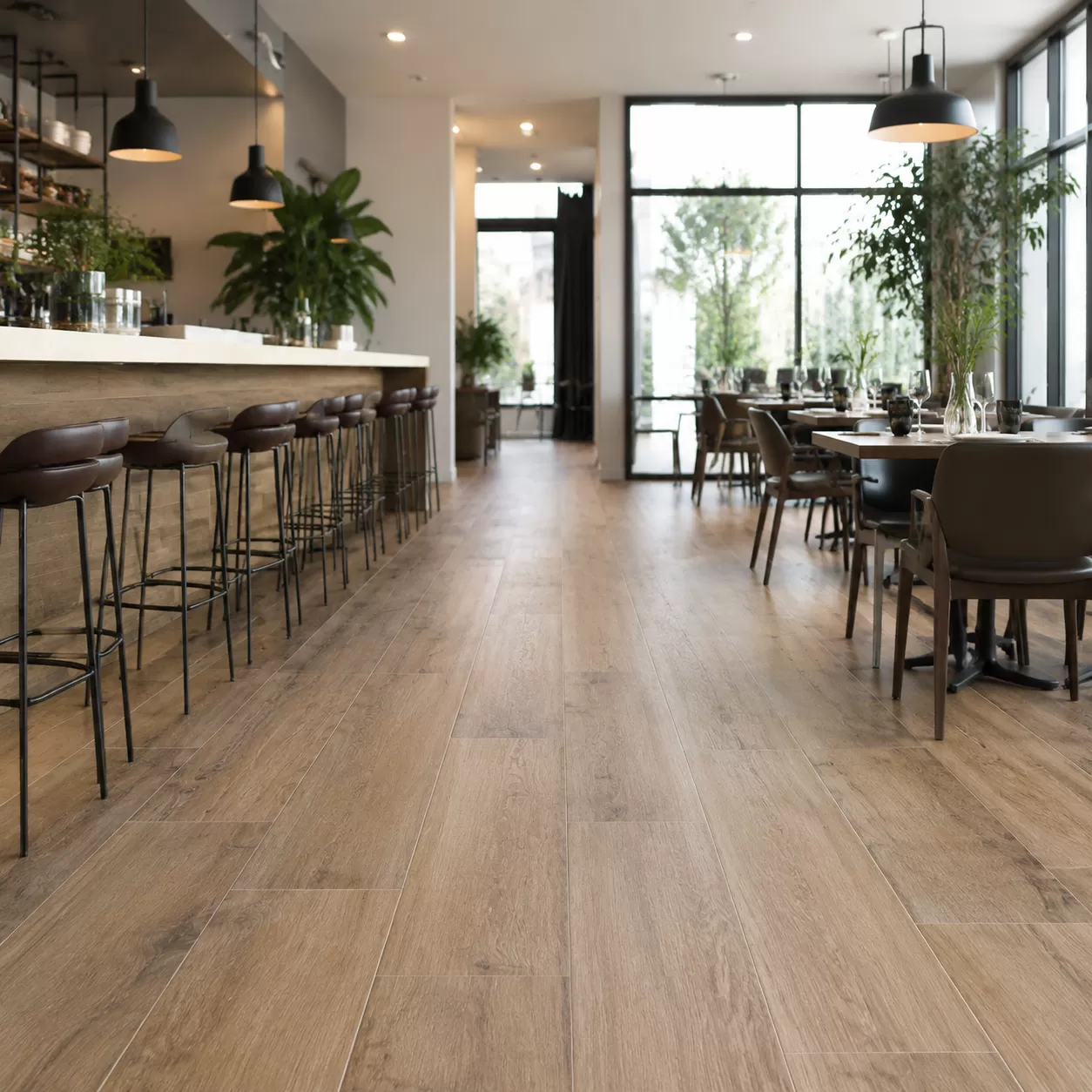
When specifying flooring for high-traffic commercial spaces or premium residential projects, balancing aesthetics with performance is critical. As a direct wood look porcelain tile supplier and manufacturer, we engineer these surfaces to deliver the warmth of natural timber alongside the indestructible nature of engineered ceramics.
Unmatched Durability, PEI Ratings, and Scratch Resistance
Unlike natural wood, wood look porcelain tile does not scratch, dent, or gouge under heavy foot traffic, high heels, or moving furniture. The structural integrity of the tile is determined by its PEI (Porcelain Enamel Institute) rating, which dictates wear resistance.
PEI Rating: PEI 3
Traffic Suitability: Light to Moderate
Ideal Applications: Residential bedrooms, bathrooms, and living areas.
PEI Rating: PEI 4
Traffic Suitability: Moderate to Heavy
Ideal Applications: All residential areas, restaurants, boutiques, and hotel rooms.
PEI Rating: PEI 5
Traffic Suitability: Extra Heavy
Ideal Applications: Commercial space entryways, airports, malls, and public walkways.
Our commercial-grade collections feature a PEI 4 or PEI 5 rating, ensuring the surface remains pristine under relentless commercial wear.
100% Waterproof and Moisture Performance (Ideal for Wet Areas)
Real hardwood fails in environments with fluctuating humidity and direct water exposure. Porcelain features an incredibly low water absorption rate (less than 0.5%), making this flooring completely waterproof.
Zero Warping: Will not swell, buckle, or cup when exposed to standing water.
Wet Area Approved: Perfect for high-moisture zones like commercial kitchens, bathrooms, mudrooms, and spa facilities.
Mold & Bacteria Resistant: The non-porous surface prevents moisture from trapping mold, mildew, or allergens beneath the surface.
Low Maintenance, Easy Cleaning, and Long-Term ROI
For property managers and homeowners alike, the long-term return on investment (ROI) hinges on maintenance costs. Wood look porcelain tile eliminates the expensive upkeep cycles required by traditional timber.
No Refinishing: Requires zero sanding, staining, or resealing throughout its lifespan.
Simple Cleanup: Spills, mud, and oil wipe away with standard eco-friendly cleaners or simple mop setups.
Chemical Resistance: Resists harsh commercial disinfectants and cleaning agents without losing its color or finish depth.
Eco-Friendly and Sustainable Flooring (LEED Certification Benefits)
Sustainability is a core requirement for modern architectural specifications. Utilizing our wood look porcelain tile aids projects in securing LEED certification credits.
Recycled Content: Manufactured using natural clays and recycled materials with zero toxic off-gassing.
Improved IAQ (Indoor Air Quality): Completely free of VOCs (Volatile Organic Compounds), formaldehyde, and PVC.
Thermal Efficiency: Exceptional thermal mass properties, optimizing the efficiency of radiant underfloor heating systems to lower building energy consumption.
Popular Design, Texture, and Style Trends in Wood Look Porcelain Tile
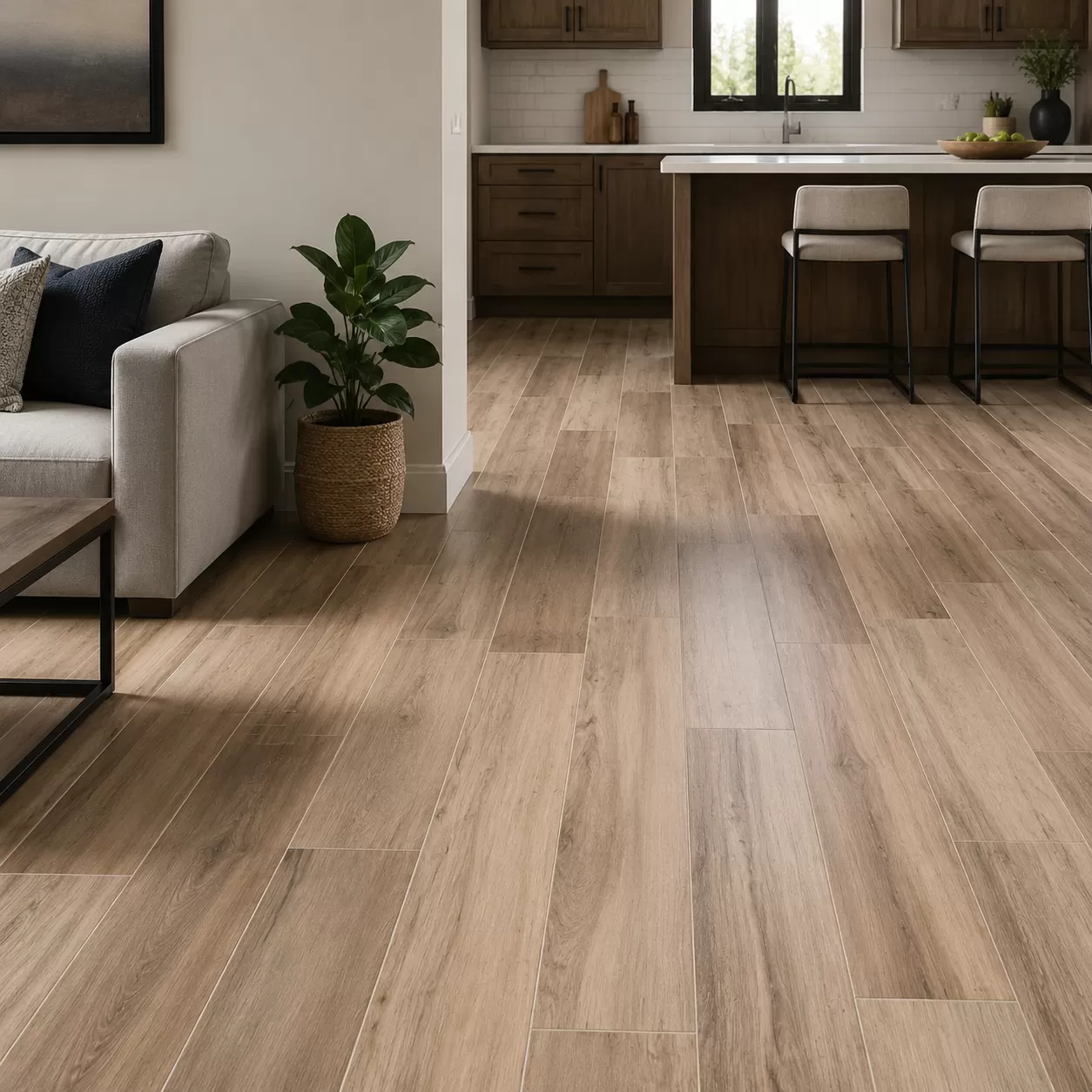
We track the global market to ensure our wood look porcelain tile designs mirror the latest shifts in architecture and interior styling. From minimalist Scandinavian vibes to rugged industrial aesthetics, the design versatility of porcelain allows for creative freedom that natural timber simply can’t match.
Trending Colors, Tones, and Finishes
Today’s projects demand specific palettes to set the right mood. We focus on high-definition finishes that cater to both tactile and visual preferences:
Matte & Natural: The go-to for commercial spaces and high-traffic residential areas; provides a slip-resistant, organic feel.
Glossy & Polished: Perfect for luxury feature walls or high-end hotel lobbies looking for a sophisticated “lacquered” wood appearance.
Distressed & Reclaimed: Features simulated saw marks and weathered edges for a rustic, lived-in look without the splinters.
Best Applications for High-Traffic Projects
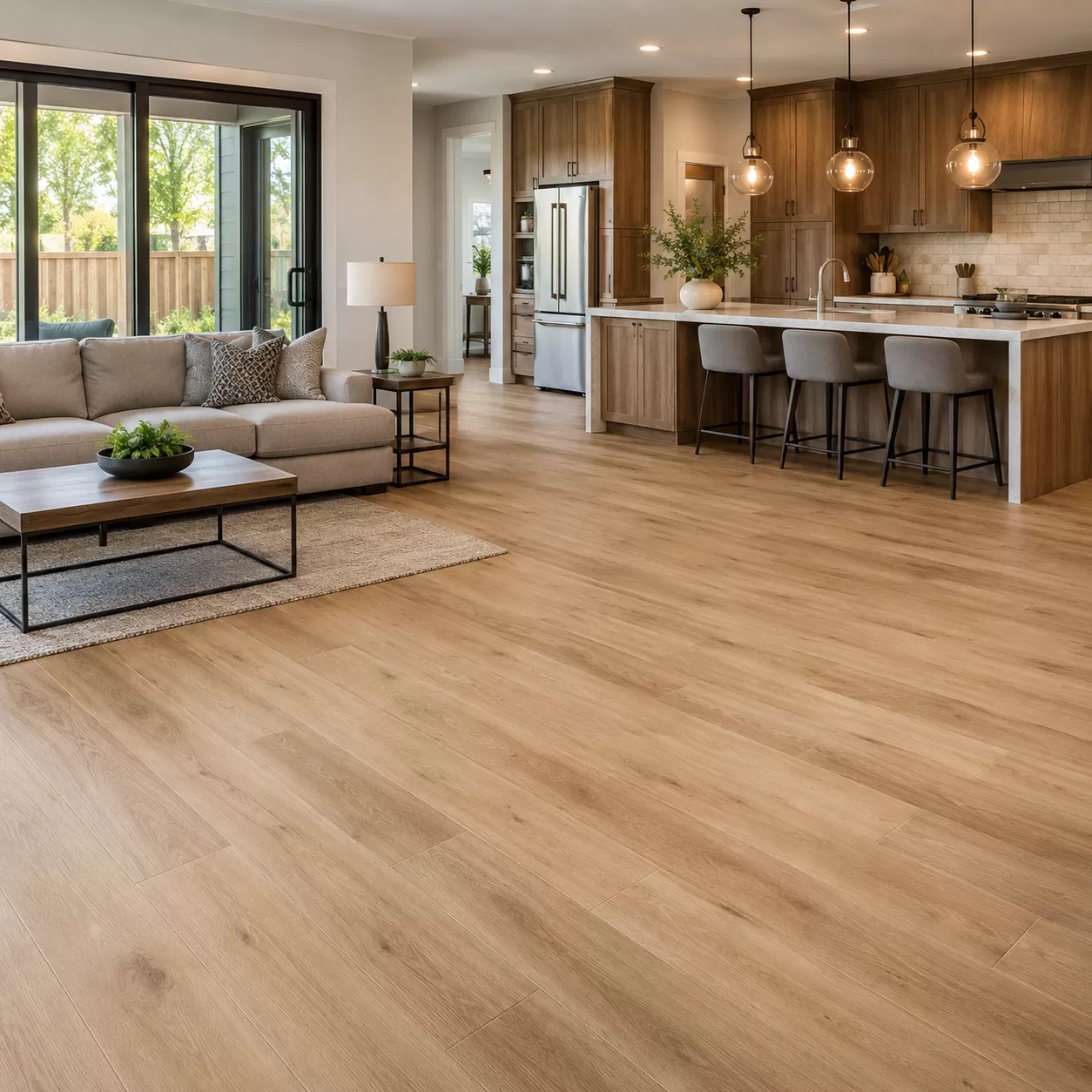
Choosing the right flooring means matching high-traffic demands with long-term performance. As a premier wood look porcelain tile supplier and manufacturer, we design our collections to handle heavy foot traffic while maintaining a flawless aesthetic across diverse environments.
Residential Applications: Kitchens, Bathrooms, and Mudrooms
Residential spaces need flooring that can handle daily chaos without wearing down. Wood look porcelain tile brings the warmth of hardwood into areas where real wood fails.
Kitchens: Resists dropped cast-iron pans, oil spills, and heavy foot traffic near cooking zones.
Bathrooms: Completely waterproof, making it safe for high-moisture shower floors and walls.
Mudrooms: Handles tracked-in mud, melting snow, and pet claws without scratching.
Commercial Applications: Hotels, Restaurants, Retail, and Office Spaces
For a commercial space, downtime for flooring repairs is lost revenue. Our porcelain tile delivers a premium look with industrial durability.
Commercial Sector: Hotels & Lobbies
Main Benefit: Luxury aesthetic + high durability
Why It Matters: Creates a strong first impression that resists luggage wheel wear.
Commercial Sector: Restaurants & Bars
Main Benefit: Stain and spill resistance
Why It Matters: Acidic food, wine, and grease wipe away without staining the surface.
Commercial Sector: Retail Stores
Main Benefit: Extreme scratch resistance
Why It Matters: Withstands continuous foot traffic and heavy display fixtures.
Commercial Sector: Office Spaces
Main Benefit: Low acoustic echo + easy rolling
Why It Matters: Allows office chairs to glide smoothly without scuffing the floor.
Creative Wall Cladding, Backsplashes, and Accent Applications
Do not limit wood look porcelain tile to the floor. Designers use it vertically to add texture and warmth to modern interiors.
Feature Walls: Creates a striking, maintenance-free wood accent wall in hotel lobbies or residential living rooms.
Kitchen Backsplashes: Offers a unique, textured alternative to traditional subway tile that is incredibly easy to wipe clean.
Fireplace Surrounds: Porcelain is naturally fire-resistant, making it perfect for safe, stylish fireplace facings.
Outdoor Applications: Patios, Decks, and Poolsides
Our 20mm thick porcelain tiles extend the seamless indoor-outdoor living trend to exterior spaces. They replace high-maintenance timber decking with a permanent solution.
Frost & UV Resistant: Will not crack in freezing winters or fade under direct sunlight.
Slip-Resistant Surfaces: Engineered with high-traction finishes ideal for wet poolside surrounds and open patios.
Unmatched Strength: Structural 20mm thickness supports heavy outdoor furniture and high traffic easily.
Recommended Pattern Layouts
The layout pattern defines the final look of the project. Wood look planks offer incredible design flexibility.
Staggered (Traditional Plank): The classic look. Always use a 1/3 offset (33% breakdown) rather than a 50% brick pattern to ensure a flat, lippage-free installation.
Herringbone: Planks are set at a 90-degree angle to create an upscale, dynamic pattern perfect for large commercial spaces and entryways.
Chevron: Planks are cut at an angle to create a continuous, sharp “V” arrow design, delivering a high-end, modern European vibe.
Basketweave: Grouped planks run horizontally and vertically in alternating blocks, offering a distinct retro-modern accent zone.
B2B Sourcing Guide: Selecting Wood Look Porcelain Tile
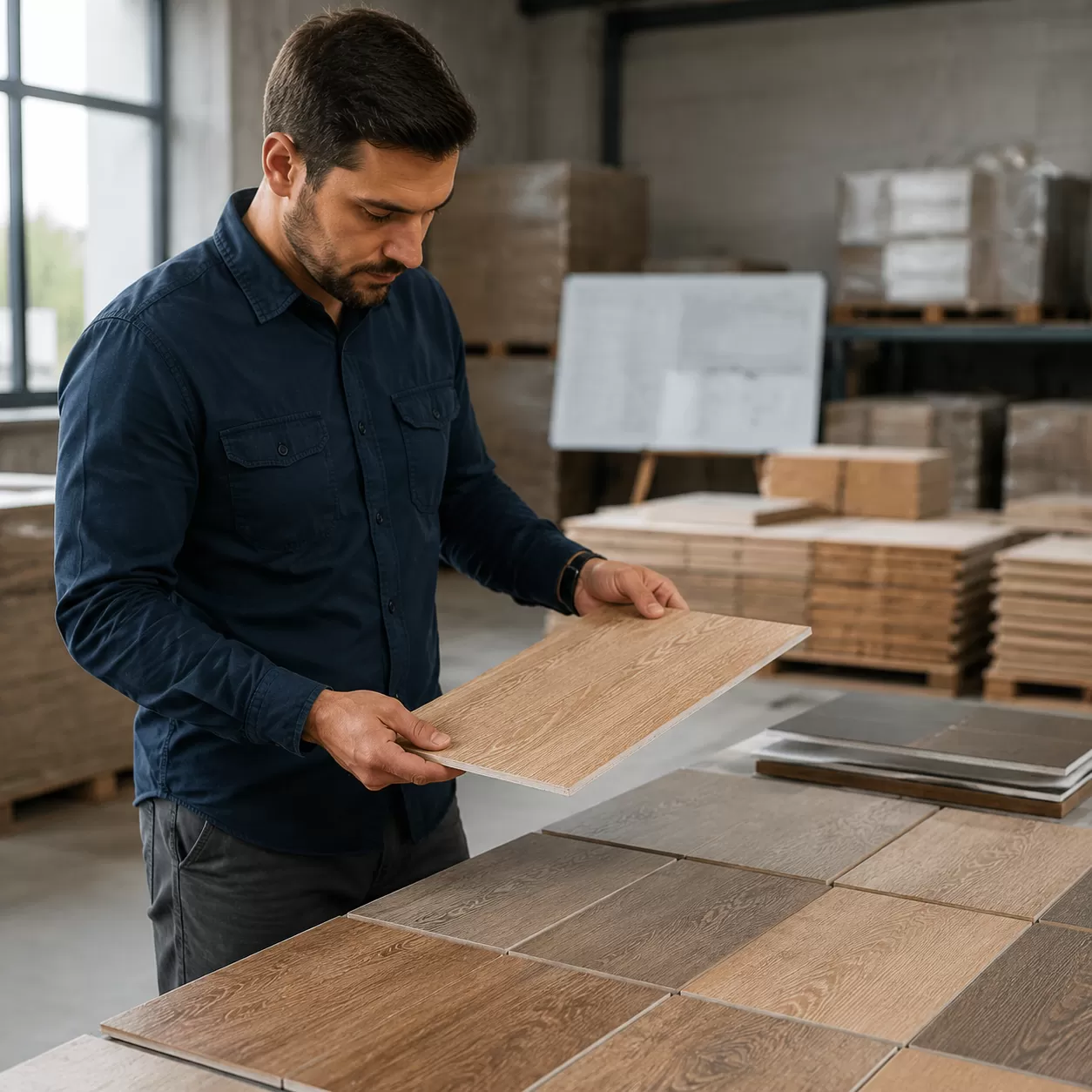
When sourcing wood look porcelain tile for commercial projects, relying on aesthetics isn’t enough. Technical specifications dictate how the material performs under heavy foot traffic, impacts installation budgets, and ensures safety compliance.
Understanding Slip Resistance Ratings (DCOF and R-Values)
Safety and liability are top priorities in commercial spaces. We test and rate our flooring using two primary metrics to ensure compliance with local building codes:
DCOF (Dynamic Coefficient of Friction): For level interior spaces expected to get wet, the standard requirement is a DCOF score of 0.42 or higher. Anything lower is restricted to dry areas.
R-Values (Ramp Test): Used widely in global specifications, these ratings range from R9 to R13.
R9 & R10: Ideal for office spaces, hotel rooms, and dry retail zones.
R11 & R12: Required for commercial kitchens, public restrooms, and outdoor walkways.
Rectified vs. Non-Rectified Edges
Edge termination fundamentally changes both the installation cost and the final look of the project.
Edge Type: Rectified Edges
Description: Machine-cut and ground for exact dimensions and perfectly straight edges.
Grout Joint Requirement: 1/16 inch (1.5mm) to 1/8 inch
Best Used For: High-end commercial spaces wanting a seamless, real-wood look.
Edge Type: Non-Rectified Edges
Description: Pressed in a mold and fired; natural size variances occur during cooling.
Grout Joint Requirement: 3/16 inch or wider
Best Used For: Budget-conscious projects or rustic design schemes.
Project Manager Tip: Rectified tiles require a perfectly flat subfloor. Factor in extra surface prep time and budget if specifying rectified planks for large layouts.
How to Inspect Quality: Thickness, Flatness, and V-Shade
As a direct wood look porcelain tile supplier and manufacturer, we recommend inspecting these three quality benchmarks before approving any bulk shipment:
Tile Thickness: Standard commercial floor planks should be at least 9mm to 11mm thick to handle heavy loads. Outdoor applications require 20mm thick porcelain pavers.
Flatness (Warpage Control): Large format planks inherently have a slight bow from the kiln firing process. Check that the center curvature meets ISO standards to prevent severe lippage during installation.
V-Shade (Color Variation): Porcelain tile is categorized from V1 (uniform appearance) to V4 (substantial variation). For a realistic wood look, a V3 to V4 rating is ideal because it mimics natural lumber grain variations across the floor layout.
Installation, Grout, and Maintenance Guide
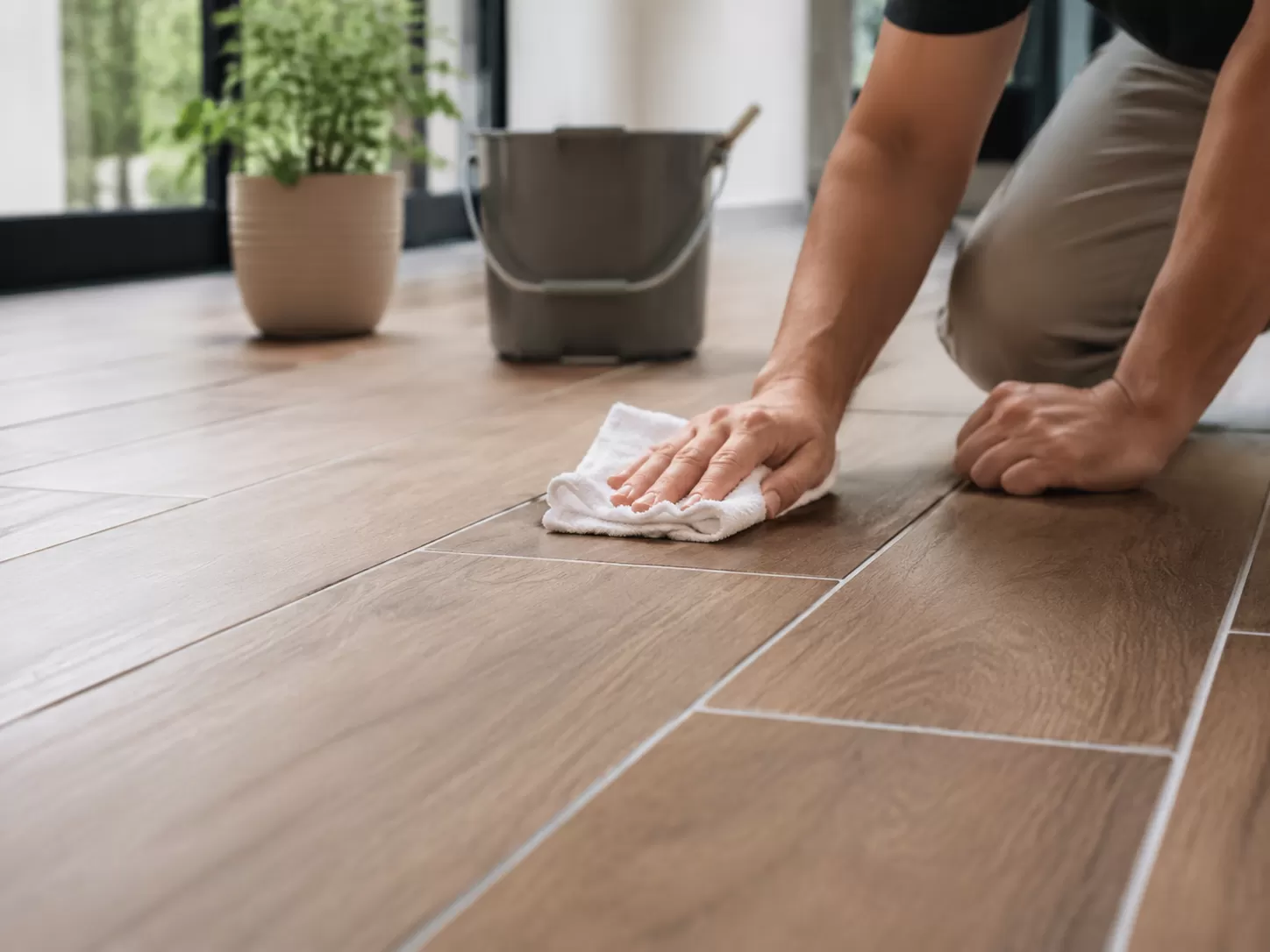
We know that a flawless finish depends entirely on proper execution. As a premier wood look porcelain tile supplier and manufacturer, we see firsthand how the right installation techniques protect your investment and deliver that high-end, seamless aesthetic.
Does Wood Look Tile Need Grout?
Yes, wood look porcelain tile absolutely requires grout. Because porcelain expands and contracts slightly with temperature shifts, laying tiles flush without a joint causes chipping, tenting, or cracking. To simulate a genuine hardwood floor, you must use a minimal grout joint.
Rectified Tiles: Allow for a tight 1/16 inch to 1/8 inch (1.5mm to 3mm) grout joint.
Non-Rectified Tiles: Require a 3/16 inch (4.5mm) joint minimum to mask slight edge variances.
Lippage Control: Always use a mechanical leveling system during installation to ensure planks lie perfectly flat.
Choosing the Right Grout Color and Type
Achieving a realistic wood appearance requires making the grout disappear.
Color Matching: Select a grout color that matches the darkest grain or undertone of the tile, rather than the primary background shade. A slightly darker grout creates a natural shadow line that mimics real wood planks.
Grout Type:
High-Performance Cementitious Grout: Excellent for standard commercial spaces when modified with latex additives.
Epoxy Grout: The gold standard for high-traffic retail or wet areas. It is 100% waterproof, stain-resistant, and requires no sealing.
Installation Cost, Subfloor Prep, and Material Waste
Phase: Subfloor Preparation
Core Requirements & Industry Standards: Must be perfectly flat within 1/8 inch over 10 feet. Use self-leveling underlayment to prevent plank lippage.
B2B Cost Impact: High upfront impact; prevents long-term tile failure.
Phase: Material Waste
Core Requirements & Industry Standards: Budget 10% to 15% waste for standard staggered runs; budget 15% to 20% for herringbone or chevron patterns.
B2B Cost Impact: Impacts total procurement volume and budget forecasting.
Phase: Labor Cost
Core Requirements & Industry Standards: Higher than standard square tiles due to plank leveling, pattern layout, and subfloor prep.
B2B Cost Impact: Varies by region, but offset by the low lifecycle maintenance.
Long-Term Care: Commercial Cleaning and Sealing
Porcelain flooring is highly valued in commercial spaces due to its incredibly low lifecycle cost.
Initial Clean: Remove grout haze immediately after installation using a professional-grade acidic cleaner to prevent a permanent dull film.
Daily Maintenance: Sweep, vacuum, or use an auto-scrubber with a neutral, film-free commercial cleaner. No specialized wood polishes or waxes are ever required.
Sealing Requirements: Porcelain tile itself is completely non-porous and never needs sealing. If you install cementitious grout, apply a high-grade penetrating sealer every 1 to 3 years to maintain stain resistance. Epoxy grout requires zero sealing.
Frequently Asked Questions (FAQs)
Is Wood Look Tile Out of Style or Too Trendy for Modern Design?
No, wood look porcelain tile is not a passing trend; it has become a staple in modern commercial and residential design. While specific color trends shift—like the move from cool grays to warm, natural oaks—the demand for a durable, waterproof alternative to hardwood remains permanent. As a dedicated Wood Look Porcelain Tile supplier and manufacturer, we see continuous demand from architects who value the timeless aesthetic of timber combined with industrial-grade performance.
Is Wood Look Porcelain Tile Slippery or Cold Underfoot?
Porcelain can feel cool to the touch, but it features excellent thermal conductivity, making it perfectly compatible with underfloor heating systems. Once paired with radiant heating, it holds warmth longer than real wood. Regarding slip resistance, modern manufacturing allows us to apply specific finishes to match your project needs. For high-traffic commercial space applications, we produce tiles with a high Dynamic Coefficient of Friction (DCOF) rating to ensure a safe, slip-resistant surface even in wet conditions.
Can You Wax or Polish Wood Look Porcelain Tile?
No, you should never wax or polish wood look porcelain tile. Porcelain is non-porous and fired at extremely high temperatures, meaning topical waxes and polishes cannot penetrate the surface. Applying them will only leave a sticky, dull film that traps dirt and ruins the factory finish. To maintain the authentic matte or textured wood grain, stick to standard neutral cleaners.
How Does the Lifespan Cost of Wood Tile Compare to Luxury Vinyl Plank (LVP)?
While Luxury Vinyl Plank (LVP) offers a lower initial material and installation cost, wood look porcelain tile delivers a significantly higher long-term ROI.
Feature: Average Lifespan
Wood Look Porcelain Tile: 50+ Years
Luxury Vinyl Plank (LVP): 10 to 20 Years
Feature: Scratch Resistance
Wood Look Porcelain Tile: Extremely High (Commercial Grade)
Luxury Vinyl Plank (LVP): Moderate (Prone to tearing/gouging)
Feature: Sunlight/UV Resistance
Wood Look Porcelain Tile: 100% Fade-proof
Luxury Vinyl Plank (LVP): Prone to fading and discoloration
Feature: Long-Term Value
Wood Look Porcelain Tile: Permanent asset, increases property value
Luxury Vinyl Plank (LVP): Temporary flooring, requires replacement
Porcelain is completely scratch resistant and will not warp, fade, or degrade over time, making it the most cost-effective choice for heavy-use environments.
What Is the Lead Time and Minimum Order Quantity (MOQ) for Custom Projects?
Our standard lead time for factory orders typically ranges from 4 to 6 weeks, depending on the production schedule and custom specifications like unique sizes or custom surface textures. Because we operate as a direct factory supplier, our Minimum Order Quantity (MOQ) generally starts at one full container load (FCL) for custom runs. This allows us to maintain strict quality control and offer competitive wholesale pricing for large-scale commercial developments.
