Bathroom porcelain tile
What is Bathroom Porcelain Tile? Bathroom porcelain tile represents the pinnacle of modern surface engineering, offering an unmatched blend of aesthetic versatility and technical performance. As a premier bathroom porcelain tile supplier and manufacturer, we design these surfaces to meet the rigorous demands of residential and commercial wet environments globally.
Showing 2 products
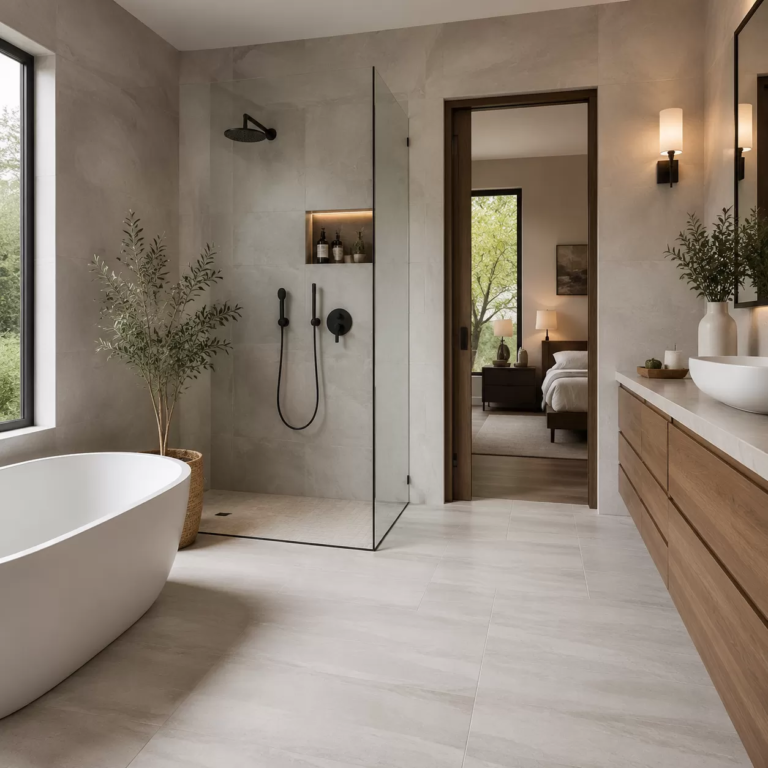
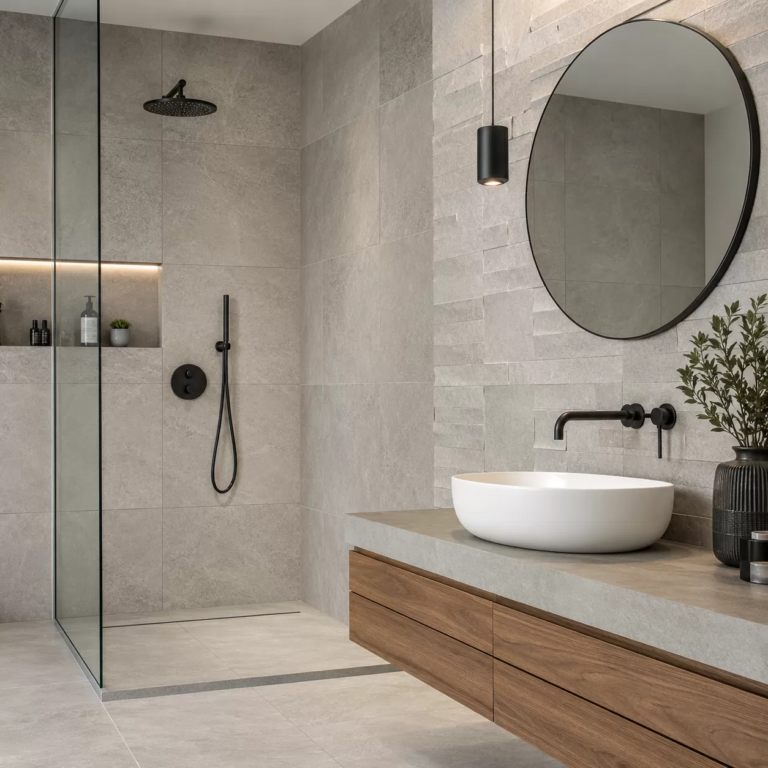
About Bathroom porcelain tile
The Difference Between Ceramic and Porcelain
While both belong to the ceramic family, porcelain is a distinct, premium upgrade over standard ceramic tile.
Feature: Clay Composition
Porcelain Tile: Refined kaolin clay; dense and pure
Ceramic Tile: Coarser clay; less refined
Feature: Water Absorption Rate
Porcelain Tile: ≤ 0.5% (Impervious)
Ceramic Tile: > 0.5% (Absorbent)
Feature: Firing Temperature
Porcelain Tile: Higher (Up to 1200°C – 1400°C)
Ceramic Tile: Lower (Around 1000°C)
Feature: Color Composition
Porcelain Tile: Through-body color (unglazed)
Ceramic Tile: Surface glaze only
Feature: Durability
Porcelain Tile: Heavy commercial traffic
Ceramic Tile: Light to medium residential traffic
How Bathroom Porcelain Tile is Made
Our manufacturing process utilizes advanced dust-pressing technology to ensure flawless structural integrity:
Raw Material Selection: We blend highly refined kaolin clay, quartz, and feldspar.
Hydraulic Pressing: The mixture is compressed under extreme pressure into high-density green bodies.
High-Temperature Firing: The tiles are vitrified in kilns at temperatures exceeding 1200°C. This liquefies the silica, transforming the clay into a dense, glass-like, non-porous structure.
Why Porcelain is Highly Durable and Water-Resistant
The extreme density achieved during vitrification makes bathroom porcelain tile naturally impervious to moisture.
Waterproof Core: With a certified water absorption rate of less than 0.5%, water cannot penetrate the tile body, preventing mold growth, structural rot, and subfloor water damage.
Impact Resistance: The dense mineral structure resists heavy impacts, scratches, and daily wear, making it an ideal long-term choice for both high-traffic floor tiles and vertical wall tile installations.
Is Porcelain Tile Slippery When Wet?
Not all porcelain surfaces behave the same way in wet conditions. Slipperiness is determined entirely by the surface finish and the tile’s Dynamic Coefficient of Friction (DCOF) rating:
Polished Finishes: High gloss, sleek, and best reserved for accent shower walls or dry vertical surfaces.
Matte & Textured Finishes: Specifically engineered for wet environments. These floor tiles provide enhanced traction underfoot, ensuring a safe, slip-resistant surface for shower floors and high-moisture zones.
Pros and Cons of Bathroom Porcelain Tile
When you are remodeling or building from scratch, picking the right floor and wall coverings is a major decision. As a dedicated bathroom porcelain tile supplier and manufacturer, we see firsthand how this material stacks up. Here is a direct, no-nonsense look at the benefits and drawbacks of using bathroom porcelain tile in your home.
Main Advantages of Bathroom Porcelain Tile
Porcelain stands out as a premier choice for high-moisture zones. The main perks include:
Near-Zero Water Absorption: It locks out moisture, making it ideal for shower walls and high-humidity zones.
Extreme Durability: It resists scratches, dents, and heavy foot traffic far better than standard ceramic tile.
Stain and Chemical Resistance: Spilled makeup, harsh cleaners, and bath oils won’t ruin the surface.
Design Versatility: Modern manufacturing allows us to replicate natural wood, marble, and concrete perfectly.
Potential Drawbacks to Consider
While it is an exceptional material, you should weigh these challenges before buying:
Higher Initial Cost: It carries a higher price tag than basic floor tiles or vinyl options.
Difficult Installation: Because it is incredibly dense, cutting and drilling require specialized diamond blades.
Cold and Hard: Without underfloor heating, it can feel cold underfoot and offers zero cushion if you drop fragile items.
Heavy Weight: Ensure your subfloor can handle the load, especially when installing large-format options on a wall tile application.
Is Porcelain Tile Worth It for Bathrooms?
The Bottom Line: Yes, bathroom porcelain tile is absolutely worth the investment.
While the upfront material and labor costs are higher, it easily outlasts cheaper alternatives like vinyl or standard ceramic tile. It adds permanent value to your property, prevents costly water damage, and stays looking brand new for decades with minimal upkeep. For a busy family bathroom, it is the smartest financial choice you can make.
Benefits of Choosing Porcelain Tile for Your Bathroom
Waterproof and Moisture-Resistant Properties
Bathrooms deal with constant splashing, steam, and high humidity. As a leading bathroom porcelain tile supplier and manufacturer, we engineer our tiles to have a water absorption rate of less than 0.5%. This dense composition completely blocks water from penetrating the surface, preventing underlying water damage, warping, and structural mold issues.
Stain Resistance and Easy Maintenance
Our bathroom porcelain tile features a non-porous surface that naturally repels liquids, oils, and hygiene products. Unlike natural stone, it requires no specialized cleaners or complex sealing routines to stay pristine.
Mess Type: Soap Scum & Grime
Cleaning Method: Wipe down with a damp cloth and mild detergent.
Mess Type: Makeup & Toothpaste
Cleaning Method: Simple scrub with a soft brush and warm water.
Mess Type: Deep Dirt
Cleaning Method: Occasional mopping with a pH-neutral cleaner.
Long-Lasting Durability for Floors and Walls
Porcelain stands out because it resists heavy foot traffic, dropped bottles, and daily wear without cracking or chipping.
Floor Tiles: Withstand massive pressure and impact without scratching.
Wall Tile & Shower Walls: Maintain structural integrity and color vibrancy for decades.
Scratch Resistance: Dense clay composition prevents surface blemishes from pet nails or vacuum attachments.
Suitable for Heated Bathroom Floors
Porcelain tile is an excellent conductor of heat, making it the perfect partner for underfloor radiant heating systems. It absorbs and distributes heat evenly across the floor, retaining warmth long after the system turns off. It will not crack or expand when exposed to temperature fluctuations, ensuring your feet stay warm during colder seasons.
Pet- and Family-Friendly Surface
Family bathrooms require tough materials. Our bathroom porcelain tile provides a highly hygienic surface that does not harbor allergens, pet dander, or bacteria.
Odors: Non-porous material prevents pet accidents or moisture from soaking in and causing smells.
Claws: High hardness rating means large dogs won’t leave scratch marks on the floor.
Safety: Choosing textured options provides a slip-resistant surface for kids stepping out of the tub.
Popular Styles and Design Trends
Staying ahead of design shifts is key when selecting the perfect look. As a leading bathroom porcelain tile supplier and manufacturer, we see firsthand how global design trends are evolving. Today’s market demands a balance of high-end aesthetics and long-term durability.
Wood-Look Porcelain Planks
Wood-look planks offer the warmth of natural hardwood without the warp and water damage. These rectified floor tiles feature realistic grain textures, making them ideal for seamless, continuous flooring from the master bedroom straight into the splash zone.
Natural Stone and Marble-Look Options
Get the luxury of Carrara or Calacatta marble without the high maintenance. Our advanced printing technology replicates the deep veining of natural stone on highly durable bathroom porcelain tile, giving you a high-end look that resists stains and acid damage.
Concrete-Look Minimalist Tiles
For modern, industrial, or urban spaces, concrete-look porcelain delivers a sleek, raw aesthetic. These tiles provide a smooth, minimalist backdrop that pairs perfectly with matte black fixtures and open-concept wet rooms.
Modern Terrazzo and Patterned Designs
Terrazzo is making a massive comeback in global interior design. From retro geometric patterns to playful flecks of color, patterned wall tile and floor options let you create a distinct personality on shower walls or bathroom floors.
Trending Bathroom Tile Colors
While classic white remains a staple, color palettes are shifting toward earthy, grounding tones.
Trend Level: Top Tier
Popular Colors: Sage Green, Terracotta, Eucalyptus
Best Application: Feature Walls & Niches
Trend Level: Modern Classic
Popular Colors: Charcoal, Matte Black, Soft Gray
Best Application: Floor Tiles & Large Formats
Trend Level: Timeless
Popular Colors: Cream, Warm Beige, Alabaster
Best Application: All-Over Wall Tile
Textured and 3D Porcelain Tiles
Texture adds depth to spaces without relying solely on color. 3D textured tiles create striking visual dynamics when used as a feature wall tile, catching the light perfectly in well-lit shower enclosures.
Porcelain Tile Types and Formats
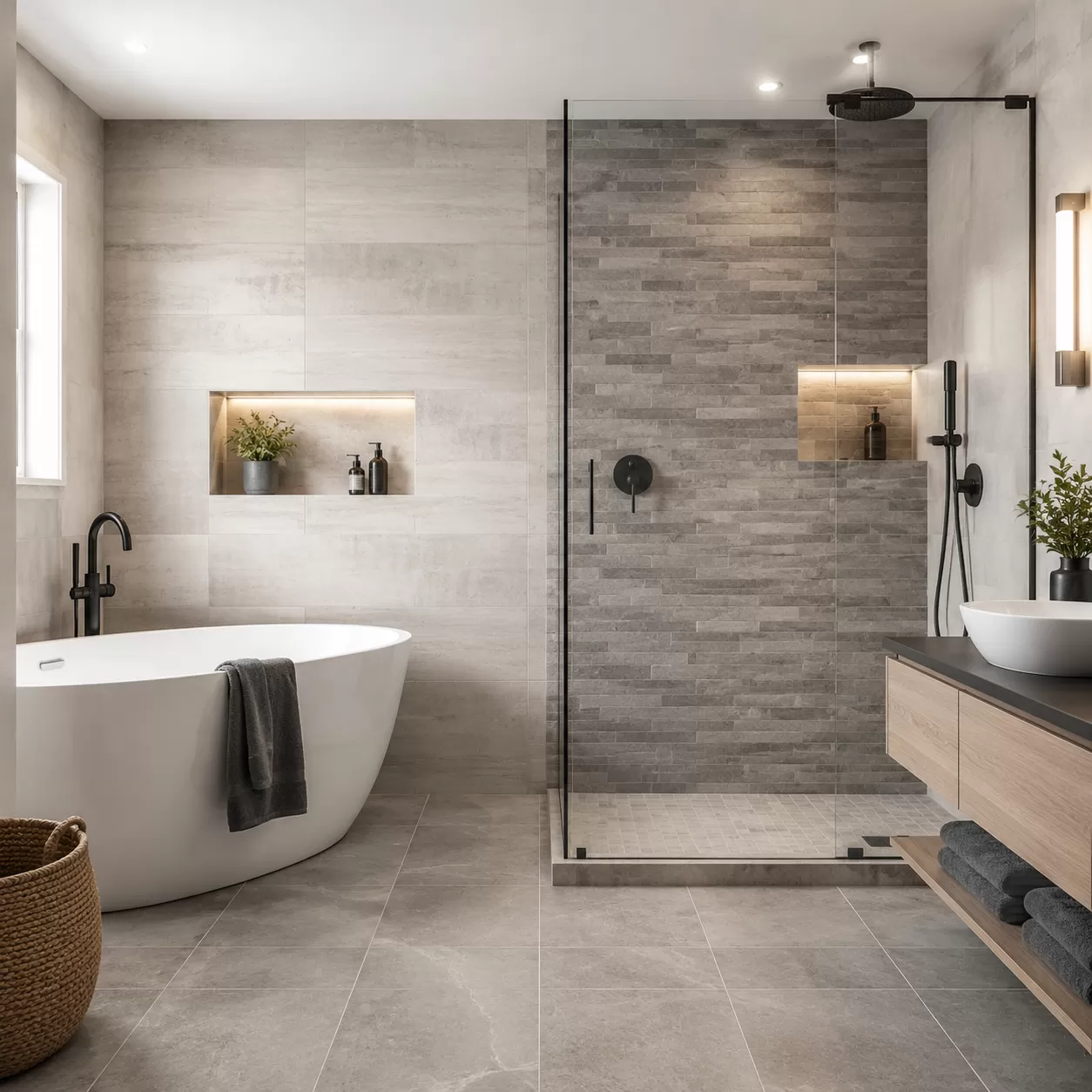
Choosing the right bathroom porcelain tile involves more than just picking a color. The size and edge finish of the tile dramatically change the look and feel of your space. As a leading bathroom porcelain tile supplier and manufacturer, we focus on providing formats that balance aesthetics with ease of installation.
Large-Format Porcelain Tiles
Large-format tiles (typically anything larger than 15 inches on one side) are a top choice for modern bathrooms.
Fewer Grout Lines: Creates a seamless, high-end look.
Spacious Feel: Makes small bathrooms appear significantly larger.
Easy Cleaning: Less grout means fewer places for mold and soap scum to hide.
Porcelain Mosaic Tiles for Accent Walls and Showers
For areas that require extra grip or a pop of detail, porcelain mosaic tiles are the go-to solution.
Flexibility: Perfect for sloping shower floors to ensure proper drainage.
Design Accents: Ideal for niches, backsplashes, and decorative borders.
Slip Resistance: The high frequency of grout lines provides natural traction underfoot.
Rectified vs. Non-Rectified Tiles
The edge of your wall tile or floor tiles determines how close they can be laid together.
Tile Type: Rectified
Edge Finish: Precision-cut, 90-degree edges
Grout Joint Width: Ultra-thin (1/16″)
Best For: Modern, seamless looks
Tile Type: Non-Rectified
Edge Finish: Natural, slightly rounded edges
Grout Joint Width: Wider (1/8″ or more)
Best For: Traditional or rustic styles
Glazed vs. Unglazed Porcelain Tile
Glazed Porcelain: Features a protective wear layer that allows for endless colors and patterns. It is highly resistant to stains and perfect for shower walls.
Unglazed Porcelain: The color goes all the way through the tile. It is incredibly dense and slip-resistant, making it a rugged choice for high-traffic commercial or residential bathroom floors.
Standard Tile Sizes: 12×24, 24×24, and More
While custom sizes exist, sticking to standard formats helps keep costs down without sacrificing style.
12×24: The most popular “subway” style for modern floors.
24×24: A balanced square format that works well in medium-sized bathrooms.
Plank Sizes: Often used for wood-look porcelain to mimic natural hardwood flooring.
Best Porcelain Tile Ideas by Bathroom Type
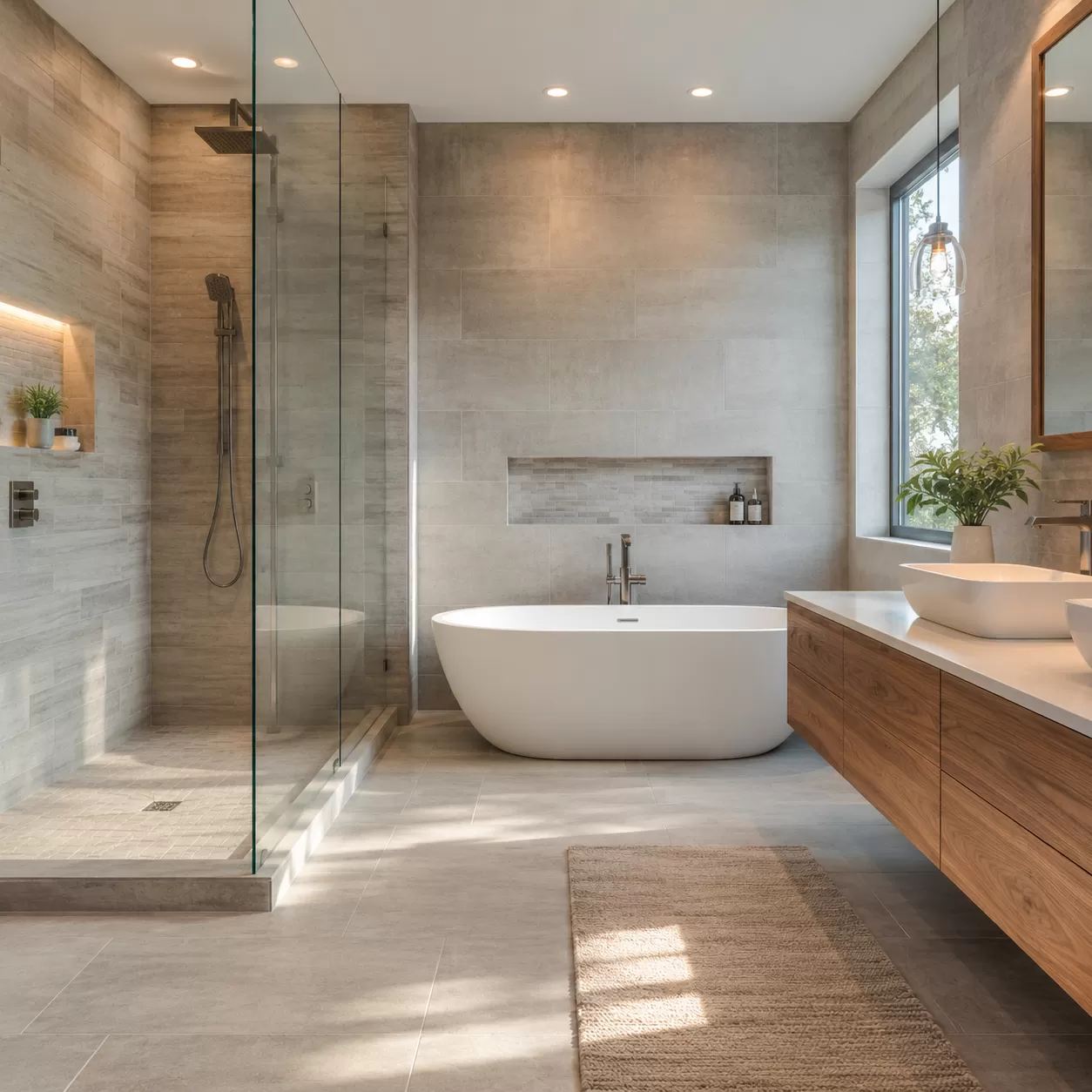
Every bathroom has its own vibe and layout challenges. Over the years as a bathroom porcelain tile supplier and manufacturer, we have seen how picking the right format and style completely transforms a space. Here is how to match the perfect tile to your specific bathroom type.
Small Bathroom Tile Ideas
Don’t let limited square footage hold you back. The right floor tiles and wall tile choices can make a tight space feel open and airy.
Go Big: Use large-format 12×24 inch tiles on both floors and walls. Fewer grout lines mean less visual clutter, making the room look instantly larger.
Light Colors: Stick to bright whites, soft creams, or light grays to bounce light around the room.
Vertical Stacking: Lay rectangular bathroom porcelain tile vertically on shower walls to draw the eye upward and fake a higher ceiling.
Modern Bathroom Porcelain Tile Designs
Modern design is all about clean lines, bold contrasts, and sleek finishes. It is a highly popular look for urban global homes.
High-Contrast Palettes: Pair matte black floor tiles with crisp white ceramic tile accents or large white porcelain slabs.
Geometric Layouts: Use hexagon shapes or herringbone patterns on feature walls to add a subtle architectural edge.
Monolithic Look: Run the exact same tile from the floor straight up the wall for a continuous, seamless appearance.
Luxury Spa-Style Bathrooms
Turn your daily routine into a high-end retreat with materials that mimic world-class resorts.
Feature: Flooring & Walls
Best Tile Choice: Large-format marble-look porcelain
Visual Effect: Seamless, upscale elegance
Feature: Shower Floors
Best Tile Choice: Matching porcelain mosaic tiles
Visual Effect: Texture, slip-resistance, and high-end detail
Feature: Accents
Best Tile Choice: Polished book-matched porcelain slabs
Visual Effect: Dramatic focal points
Farmhouse and Rustic Bathrooms
You can easily achieve a warm, cozy, weathered look without worrying about water damage or warping.
Wood-Look Planks: Enjoy the authentic knots and grains of real hardwood with the waterproof durability of bathroom porcelain tile.
Matte Finishes: Stick to low-sheen finishes that look natural and feel great underfoot.
Earth Tones: Choose warm grays, muted beiges, and soft charcoal shades to ground the space.
Minimalist Bathroom Tile Inspiration
Minimalism focuses on texture, simplicity, and zero distractions. It is the ultimate choice for a calming, clutter-free environment.
Subtle Textures: Use concrete-look porcelain tiles that add depth without relying on loud patterns.
Matching Grout: Always use a grout color that perfectly matches your tile to eliminate distracting grid lines.
Undistracted Surfaces: Opt for large, clean porcelain surfaces on the floors and shower walls to keep the design quiet and peaceful.
Key Application Areas in the Bathroom
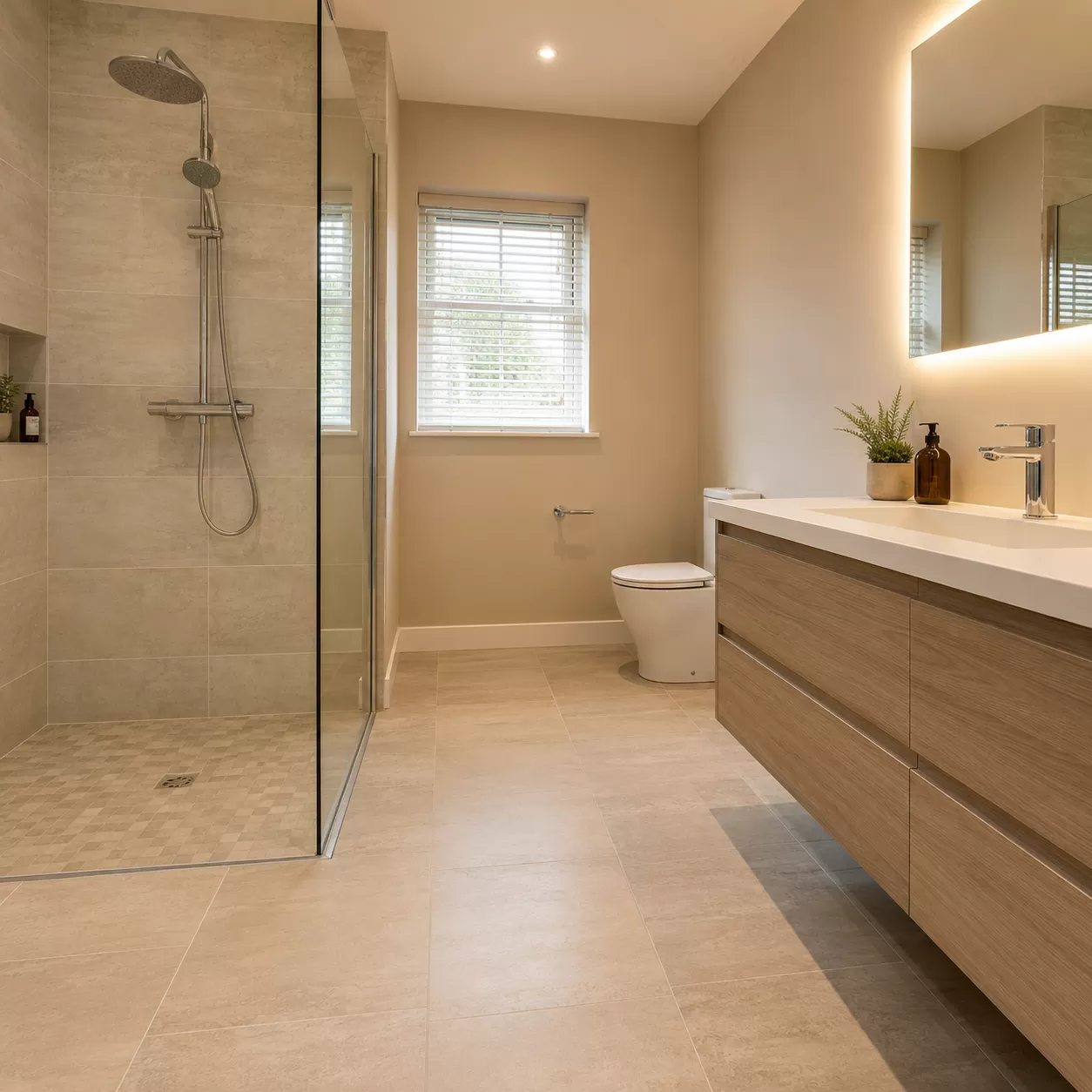
Porcelain is the ultimate chameleon of the tiling world. Because it is incredibly dense and absorbs almost no water, you can put it practically anywhere. As a trusted bathroom porcelain tile supplier and manufacturer, we see this material transform spaces from top to bottom.
Here is how you can maximize bathroom porcelain tile across different areas of your space.
Bathroom Floor Tile Options
Bathroom floors take a beating from foot traffic, dropped items, and constant puddles. Bathroom porcelain tile floor options provide the ultimate durable foundation. For floors, prioritize texture and slip resistance over high-gloss finishes.
Best Finishes: Matte, honed, or textured surfaces.
Safety First: Look for options with a high slip-resistance rating to prevent falls.
Pro Tip: Large-format floor tiles (like 12×24 or 24×24) mean fewer grout lines, which makes the bathroom feel larger and simplifies your cleaning routine.
Stylish Bathroom Wall Tiles
Wall tiles don’t need to handle heavy weight, but they do need to look sharp and resist moisture. Using porcelain as a wall tile lets you play with vertical design, from sleek minimalist slabs to classic subway layouts.
Design Flexibility: You can use polished or glazed finishes here to reflect light and make the room feel brighter.
Easy Upkeep: Wipe away toothpaste splatters, hairspray buildup, and water spots with zero effort.
Visual Continuity: Run the same tile from the floor straight up the wall to create a high-end, seamless look.
Shower Floors and Tub Surround Tile
The shower is the ultimate test zone for any material. Constant water exposure will ruin lesser materials, but bathroom porcelain tile thrives here.
Application Area: Shower Floors
Best Tile Choice: Mosaic ceramic tile or porcelain sheets
Why It Works: High number of grout lines provides crucial traction underfoot.
Application Area: Tub Surrounds
Best Tile Choice: Large-format porcelain tiles
Why It Works: Minimizes grout lines where mold and mildew like to hide.
Application Area: Shower Walls
Best Tile Choice: Standard or large-format shower walls tile
Why It Works: Full water resistance prevents moisture from leaking into the drywall.
Porcelain Backsplash Tile
The area behind your sink deals with daily water splashes, soap scum, and makeup stains. A porcelain backsplash protects your walls while adding a major style element right at eye level.
Creative Freedom: This is a great spot for fun shapes, like hexagons, herringbones, or intricate mosaic patterns.
Stain-Proof Protection: Unlike natural stone, porcelain won’t absorb colorful bathroom products like cosmetics or hair dyes.
Feature Walls and Niches
If you want your bathroom to feel like a boutique hotel, focus on a feature wall or a built-in shower niche. It breaks up the monotony and gives the eye a beautiful place to land.
Accents and Niches: Use contrasting colors or 3D textured tiles inside shower shelves to make them pop.
Floor-to-Ceiling Impact: Tile a single wall behind a freestanding tub or the vanity to create a stunning focal point that anchors the entire room.
How to Choose the Right Porcelain Tile for Your Bathroom
Picking the perfect bathroom porcelain tile involves blending style with safety and durability. As a direct supplier and manufacturer, we recommend focusing on technical ratings, finishes, and layouts to ensure your space looks great and functions flawlessly.
Selecting the Best Finish: Matte vs. Polished
The finish of your floor tiles and wall tile impacts both the room’s vibe and its safety.
Finish: Matte
Best Used For: Shower floors, main bathroom floors, high-traffic areas
Pros: Excellent slip resistance, hides water spots and dust
Cons: Less reflective, can look muted
Finish: Polished
Best Used For: Shower walls, accent walls, backsplashes
Pros: High luxury shine, reflects light to make spaces look bigger
Cons: Slippery when wet, shows smudges
Choosing the Right PEI Rating
The Porcelain Enamel Institute (PEI) rating tells you how much foot traffic the tile can handle. For residential bathrooms, look for these specific ratings:
PEI 2: Suitable for light traffic (ideal for bathroom walls or guest baths).
PEI 3: Best for standard residential bathroom floors with normal daily use.
PEI 4: High durability, perfect for busy family bathrooms or commercial spaces.
Understanding Slip Resistance Ratings
Safety is non-negotiable on wet bathroom floors. Check the DCOF (Dynamic Coefficient of Friction) rating before you buy:
DCOF ≥ 0.42: The standard requirement for level interior spaces expected to be walked upon when wet. Always choose tiles meeting this standard for bathroom floors and shower walls.
Textured Surfaces: Look for specialized anti-slip matte finishes to prevent accidental falls.
Matching Tile Shapes and Sizes to Your Space
The right size can alter the perception of your bathroom’s square footage:
Small Bathrooms: Use large-format floor tiles (like 12×24) to reduce grout lines, creating a seamless, larger look.
Shower Floors: Opt for smaller mosaic tiles. More grout lines mean better traction underfoot.
High Ceilings: Run rectangular tiles vertically on the walls to draw the eye upward.
Choosing the Right Grout Color
Grout is more than just a structural necessity; it is a major design element.
Matching Grout: Choose a color that matches your bathroom porcelain tile for a clean, modern, seamless look.
Contrasting Grout: Use dark grout with light tile (or vice versa) to highlight geometric shapes and tile patterns.
Practical Choice: Medium gray or greige shades hide dirt and moisture stains much better than pure white.
Best Tile Layout Patterns
How you lay your ceramic tile or porcelain tile changes the entire design dynamic:
Straight (Grid): Clean, minimalist, and modern. Tiles line up perfectly.
Offset (Brick Joint): Classic look that breaks up continuous lines; ideal for 12×24 tiles.
Herringbone: Adds a high-end, dynamic texture to feature walls and floors.
Diagonal: Pushes the eyes outward, making narrow bathrooms feel much wider.
Bathroom Porcelain Tile Installation Guide
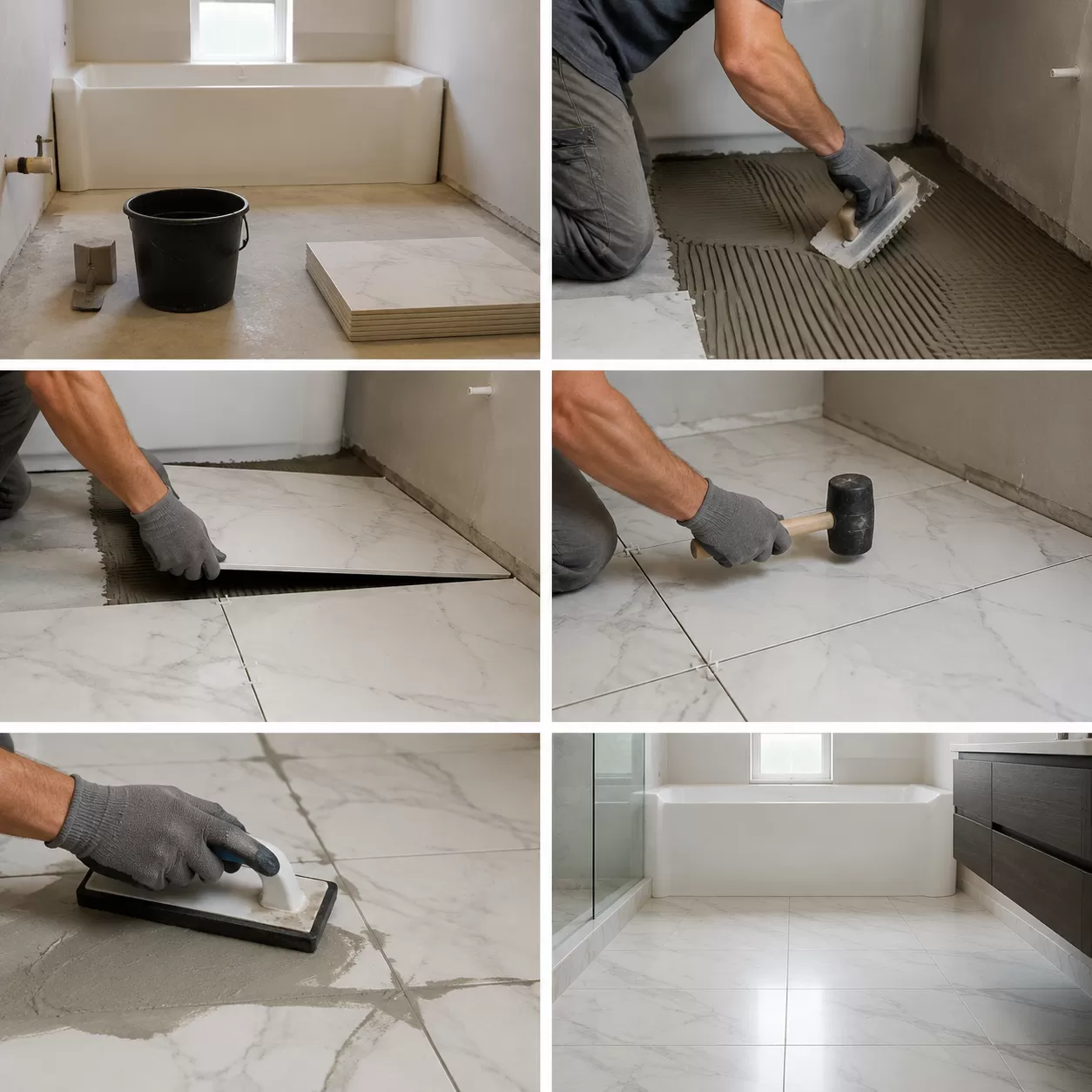
Installing bathroom porcelain tile requires precision, patience, and the right approach. Whether you handle the job yourself or hire a pro, understanding the installation process ensures a flawless, waterproof finish that lasts for decades.
Can You Install Porcelain Tile Yourself?
Yes, you can install bathroom porcelain tile as a DIY project, but it is highly demanding. Porcelain is denser and harder to cut than standard ceramic tile. If you have experience with power tools, a wet tile saw, and precise measurements, you can tackle it. However, for complex layouts, large-format tiles, or shower pans, hiring a professional installer is often the safest bet to avoid costly mistakes.
Subfloor and Wall Preparation
A successful tile job is 90% preparation. Porcelain tile requires a completely flat, rigid, and clean surface to prevent cracking.
For Floors: Ensure the subfloor has no flex. Install a cement backer board or a waterproofing uncoupling membrane over the plywood subfloor.
For Walls and Showers: Never tile directly onto standard drywall in wet areas. Use cement board or specialized waterproof foam boards, and seal all joints with waterproof tape and banding.
Recommended Adhesives and Grout
Because porcelain is highly dense and non-porous, it needs specific materials to bond correctly.
Material Type: Adhesive
Recommended Option: Polymer-modified thinset mortar
Why It Matters: Provides the high-bond strength needed for heavy, dense porcelain.
Material Type: Grout
Recommended Option: Epoxy or Premium Cement Grout
Why It Matters: Epoxy is highly stain- and water-resistant, making it perfect for wet bathroom environments.
Tile Spacing and Expansion Joints
Proper spacing prevents tiles from pushing against each other and cracking during temperature changes.
Tile Spacers: Use a minimum of 1/16-inch joints for rectified bathroom porcelain tile, and 1/8-inch or 3/16-inch for non-rectified tiles.
Leveling Systems: Use tile leveling clips to eliminate “lippage” (uneven tile edges), which is especially important for large-format tiles.
Expansion Joints: Leave a small gap (about 1/4 inch) around the perimeter of the room and where the floor meets the wall. Fill this gap with 100% silicone caulk, not grout.
Common Installation Mistakes to Avoid
Using the Wrong Trowel Size: Ensure 100% mortar coverage on the back of the tile, especially for large formats.
Spot Bonding: Never place dots of mortar on the corners of the tile (the “five-dot method”). This leaves empty cavities underneath, causing the tile to crack easily under weight.
Grouting Too Early: Wait at least 24 hours for the thinset mortar to cure completely before applying grout. Locking in moisture can weaken the bond.
Skipping Waterproofing: Failing to apply a dedicated waterproof membrane in the shower zone will eventually lead to hidden mold and rot behind your beautiful new wall tile.
Bathroom Porcelain Tile Cost Guide
When planning a renovation, budgeting for your bathroom porcelain tile project is the first step toward a successful build. Costs can vary wildly depending on style, origin, and installation complexity, but breaking down the numbers ensures there are no surprises mid-project.
Average Cost Per Square Foot
On average, materials for bathroom porcelain tile cost between $2 and $10 per square foot. Basic, mass-produced options sit on the lower end of this spectrum, while high-end, designer layouts or imported large-format tiles can jump to $15 to $30+ per square foot.
Installation Labor Costs
Labor is a significant part of the overall investment. Hiring a professional installer typically runs between $5 and $15 per square foot, depending on your local market and the complexity of the layout.
Pro Tip: Installing intricate patterns like herringbone or working with tiny mosaic ceramic tile on shower walls will push labor rates toward the higher end of the scale due to the detail work required.
Budget vs. Premium Porcelain Tile
Understanding what you get for your money helps you allocate funds effectively across your floor tiles and wall tile zones.
Tile Tier: Budget
Price Range (Material Only):$1 – $3 / sq. ft.
Best Used For: Rental properties, simple guest baths
Typical Features: Standard sizes (12×12), simple glazed finishes, basic color palettes.
Tile Tier: Mid-Range
Price Range (Material Only):$4 – $9 / sq. ft.
Best Used For: Standard residential master baths
Typical Features: Wood-look planks, popular 12×24 formats, good slip resistance.
Tile Tier: Premium
Price Range (Material Only):$10 – $30+ / sq. ft.
Best Used For: Luxury spas, high-end feature walls
Typical Features: Large-format slabs, custom textures, rectified edges, unique imported designs.
Factors That Affect Tile Pricing
As a direct bathroom porcelain tile supplier and manufacturer, we look at several variables that ultimately drive the final retail price:
Size and Format: Oversized tiles require flatter subfloors and more care to prevent lippage, driving up both material and labor costs.
Edge Treatment: Rectified tiles (mechanically cut for perfectly straight edges) cost more than non-rectified options but allow for ultra-thin grout lines.
Finish and Texture: High-gloss polished finishes or specialized anti-slip textures for shower floors demand more intensive manufacturing processes.
Room Layout: Small bathrooms with tight corners, built-in niches, and curved walls require more cuts and waste, increasing the total square footage you need to buy.
Cleaning and Maintaining Bathroom Porcelain Tile
Keeping your bathroom porcelain tile looking brand new doesn’t require hours of scrubbing or harsh chemicals. Because we manufacture our tiles to meet strict density and low-porosity standards, they resist dirt and moisture naturally. A simple, consistent routine is all it takes to maintain their factory finish.
Daily Cleaning Guidelines
For everyday upkeep, skip the heavy duty cleaners. Heavy chemical residues can actually create a dull film over time.
Sweep or Vacuum: Remove loose dirt, hair, and dust daily to prevent scratching.
Wipe Down: Use a microfiber mop or cloth dampened with warm water.
Mild Detergent: If needed, add a drop of pH-neutral soap to your water.
Dry the Surface: Wipe the floor or wall tiles dry to prevent water spots and streaks.
How to Clean Grout Lines Safely
While bathroom porcelain tile is completely waterproof, the grout lines between them are porous and tend to catch dirt. Protecting your grout preserves the look of your entire layout.
Pro Tip: Avoid wire brushes and bleach, which erode grout over time. Use a soft-bristled nylon brush instead.
Cleaning Method: Routine Freshness
Ingredients: Baking soda and water paste
Best For: Light stains and brightening
Cleaning Method: Deep Clean
Ingredients: Specialized pH-neutral grout cleaner
Best For: Stubborn dirt and high-traffic areas
Preventing Soap Scum and Hard Water Stains
Hard water minerals and soap residue can leave a cloudy layer on shower walls and floor tiles. Prevention saves time on deep scrubbing.
Squeegee After Use: Wipe down wall tile and shower glass after every use.
Vinegar Solution: Spray a 1:1 mix of white vinegar and water weekly, then rinse thoroughly.
Ventilation: Run your bathroom exhaust fan to reduce humidity and stop mold before it starts.
Can Porcelain Tile Crack or Chip?
Yes, but it takes serious force. As a premier bathroom porcelain tile supplier and manufacturer, we bake our porcelain at extreme temperatures to make it incredibly dense.
While it easily handles heavy foot traffic and daily impacts, dropping heavy tools or iron fixtures can cause chips. Subfloor movement or improper installation can also lead to stress cracks across the tile face.
How to Repair Damaged Porcelain Tile
If an accident happens, you don’t have to tear up the whole bathroom floor.
Minor Chips: Fill the chip with a color-matched epoxy or ceramic repair acrylic compound. Smooth it flat and let it cure.
Cracked Tiles: Chisel out the broken piece carefully to avoid damaging the surrounding ceramic tile or porcelain pieces. Clean the old adhesive, apply fresh thin-set, and set a replacement tile.
Regrout: Fill the joints around the new tile, match the existing color, and wipe clean.
Porcelain Tile vs Other Bathroom Flooring Options
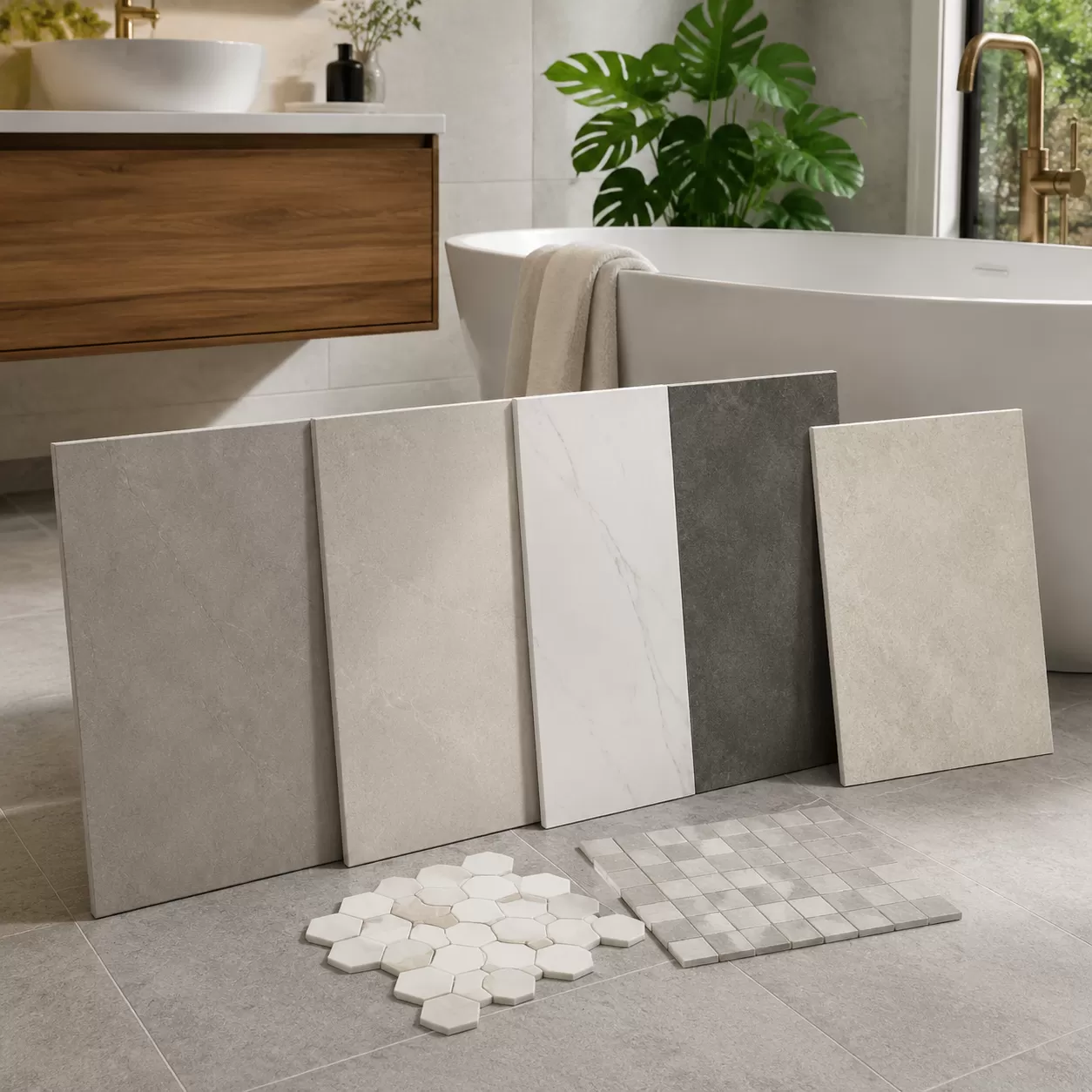
Choosing the right material for your bathroom renovation comes down to balancing durability, maintenance, and budget. While bathroom porcelain tile stands as a premier choice for high-moisture environments, comparing it directly to other popular materials helps determine the absolute best fit for your specific space and lifestyle.
Material: Porcelain Tile
Water Resistance: Excellent
Durability: High
Maintenance: Low
Average Lifespan: 50+ Years
Material: Ceramic Tile
Water Resistance: Good
Durability: Moderate
Maintenance: Low
Average Lifespan: 20–30 Years
Material: Natural Stone
Water Resistance: Porous (Needs Sealing)
Durability: High
Maintenance: High
Average Lifespan: 100+ Years
Material: Vinyl Flooring
Water Resistance: Excellent
Durability: Low to Moderate
Maintenance: Low
Average Lifespan: 10–20 Years
Material: Quartz Panels
Water Resistance: Excellent
Durability: High
Maintenance: Very Low
Average Lifespan: 25+ Years
Porcelain Tile vs Ceramic Tile
While they look similar, bathroom porcelain tile and ceramic tile have distinct structural differences. As a dedicated manufacturer, we craft porcelain using denser clay fired at much higher temperatures.
Water Absorption: Porcelain absorbs less than 0.5% moisture, making it highly superior for shower walls and wet floors.
Density: Porcelain is through-bodied; if it chips, the color remains uniform. Ceramic reveals a different base color underneath.
Usage: Ceramic works well for light-traffic wall tile, but porcelain is the definitive choice for high-traffic floor tiles.
Porcelain Tile vs Natural Stone
Natural stone like marble or travertine offers a luxury look, but it requires high-maintenance upkeep that doesn’t suit every household.
Porosity: Natural stone is highly porous and prone to staining from soaps and makeup. Bathroom porcelain tile is completely impervious to liquids.
Maintenance: Stone requires annual sealing and specialized cleaners. Porcelain cleans easily with standard household solutions.
Cost: Porcelain replicates the exact veining of luxury marble at a fraction of the material and installation cost.
Porcelain Tile vs Vinyl Flooring
Luxury Vinyl Plank (LVP) and tile are popular budget options, but they cannot match the long-term value of kiln-fired tile.
Lifespan: Vinyl floors need replacement every 10 to 20 years. A proper porcelain installation lasts a lifetime.
Property Value: Real bathroom porcelain tile adds permanent equity to your home, whereas vinyl is viewed as a temporary finish.
Radiant Heating: Porcelain conducts heat perfectly for underfloor heating systems; vinyl can degrade or release VOCs under high heat.
Porcelain Tile vs Quartz Wall Panels
Quartz engineered panels are growing in popularity for modern vertical surfaces, offering a distinct alternative to traditional tiling.
Grout Lines: Quartz panels offer a seamless look with zero grout lines, making them incredibly fast to wipe down.
Versatility: Quartz works beautifully for shower walls but is generally too heavy, slick, and expensive for bathroom floor applications.
Design Flexibility: Bathroom porcelain tile provides far more layout options, sizes, and textures to customize a unique space.
Frequently Asked Questions
Is porcelain tile good for small bathrooms?
Yes, bathroom porcelain tile is excellent for small spaces. Using large-format tiles like 12×24 inches reduces grout lines, which visually expands the room and creates a seamless, open look. Light colors also help reflect light to make the space feel bigger.
What color porcelain tile is easiest to keep clean?
Mid-tone colors like grey, beige, or taupe with slight texturing or mottling are the easiest to maintain. Pure white shows every dark hair, while pure black highlights soap scum and water spots. A neutral, matte finish hides daily dust and water marks best.
Does porcelain tile need sealing?
The porcelain tile itself is dense and non-porous, so it does not require sealing. However, if you choose unglazed porcelain or use standard cement-based grout, those specific elements will need a penetrating sealer to prevent stains and moisture absorption.
How long does bathroom porcelain tile last?
As a durable floor tiles and wall tile option, porcelain lasts decades. When properly installed with the right adhesive and subfloor prep, high-quality porcelain tile can easily last 50 years or more, outliving most other bathroom materials.
What is the best grout for bathroom porcelain tile?
Epoxy grout or high-performance cement grout (like calcium aluminate grout) is best for wet areas. Epoxy grout is completely waterproof, stain-resistant, and shrinks less, making it the perfect match for a heavy-duty bathroom porcelain tile installation.
Can porcelain tile be used on shower walls?
Absolutely. Porcelain is highly water-resistant and handles constant moisture perfectly, making it an ideal choice for shower walls and tub surrounds. It protects your walls from water damage while providing a beautiful, easy-to-clean surface.
Thoughts
Investing in bathroom porcelain tile is one of the smartest upgrades you can make for your home. As a direct supplier and manufacturer, we see firsthand how this single choice transforms everyday bathrooms into durable, high-end spaces. It successfully bridges the gap between luxury aesthetics and practical, everyday performance.
Key Takeaways for Your Project
Unmatched Value: Outperforms standard ceramic tile and luxury vinyl in moisture resistance and lifespan.
Versatility: Seamlessly transitions from heavy-traffic floor tiles to stunning shower walls and wall tile features.
Low Maintenance: Saves time and money on long-term upkeep, making it a favorite for busy households and rental properties alike.
Choosing the right surface comes down to balancing your personal style with the specific technical needs of your space. With its water resistance, design flexibility, and proven longevity, bathroom porcelain tile consistently delivers the highest return on investment. Explore our complete collection today to find the perfect match for your upcoming renovation.
