Tile Series
Flexible Stone Tile Series combines the timeless appearance of natural stone tiles with the advantages of modern lightweight flexible stone technology. Designed to replicate the look and texture of traditional stone tile installations, this collection offers a practical and cost-effective solution for architects, designers, contractors, and distributors seeking innovative wall and facade materials.
Showing 2 products
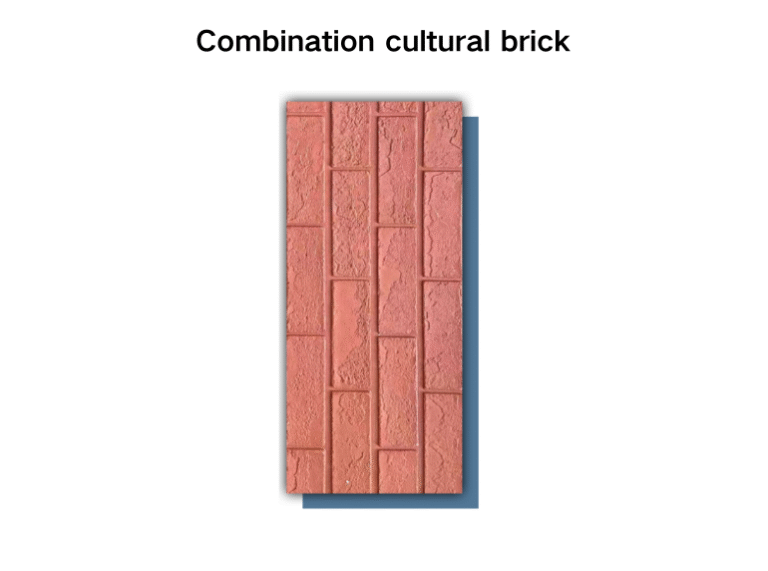
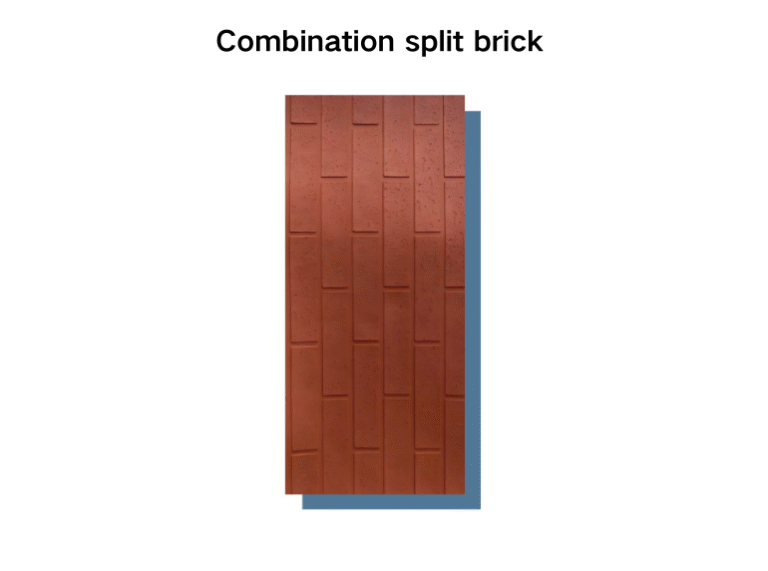
About Tile Series
Why Are Structural Engineers Recommending Ultra-Thin Flexible Stone for old house renovation?
Understanding Ultra-Thin Flexible Stone Veneer
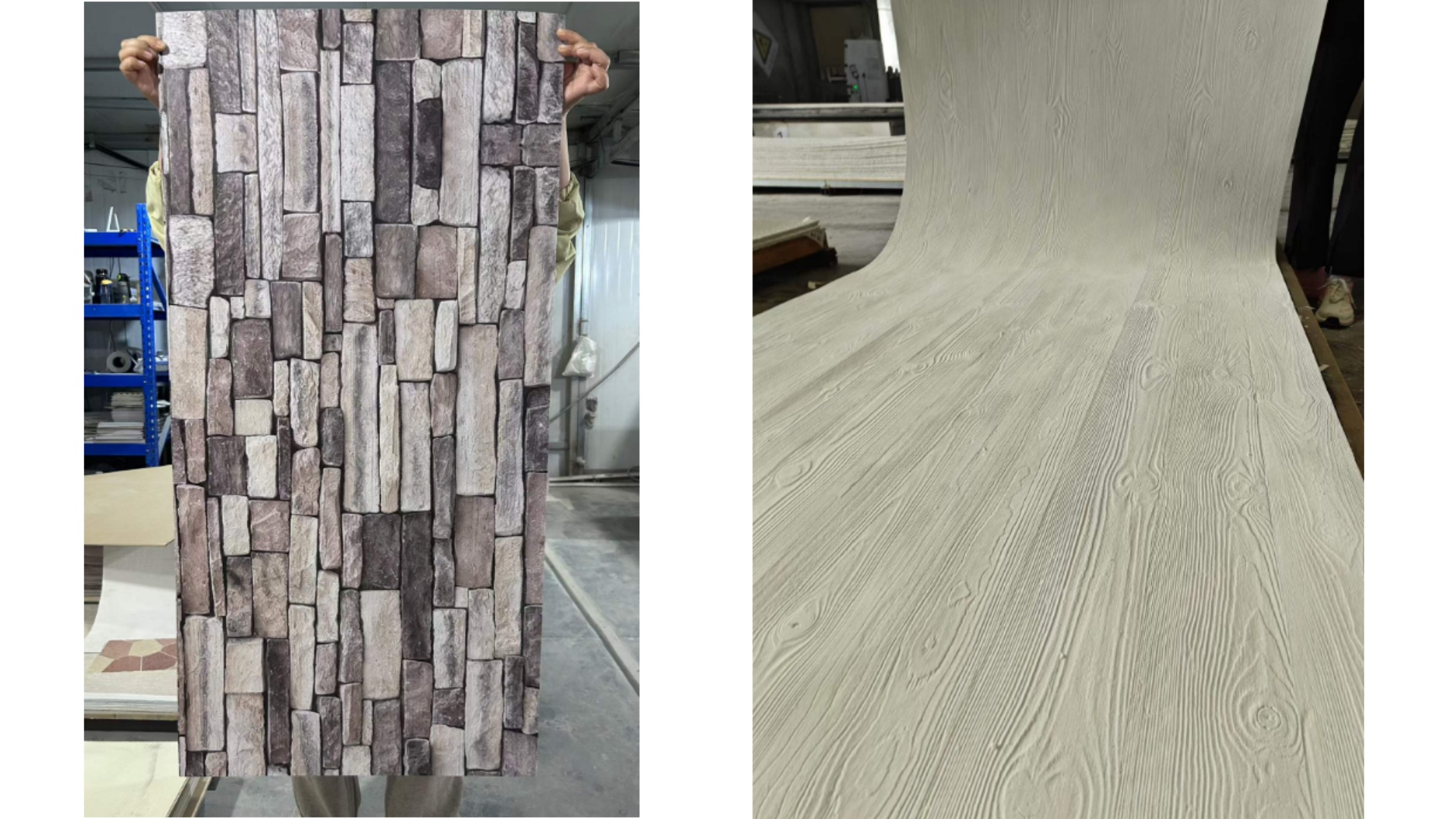
Ultra-thin flexible stone veneer represents a massive leap forward in architectural materials, especially for aging structures. Fabricated from a thin layer of natural quarried stone—such as slate, quartzite, or sandstone—this material is backed by a fiberglass, polyester, or cotton composite mesh.
The result is a genuine stone surface that possesses the unique texture and beauty of natural rock, yet can be bent, curved, and cut with standard hand tools. It bridges the gap between authentic geology and modern engineering, offering a lightweight, adaptable solution that eliminates the weight penalties of traditional masonry.
Key Differences From Traditional Building Stone
Traditional building stone requires extensive structural support due to its immense weight and thickness. Ultra-thin flexible stone fundamentally changes the installation equation, optimizing material efficiency without sacrificing the premium aesthetic of natural stone.
The table below contrasts the technical differences between these two materials:
Feature: Thickness
Traditional Building Stone: Typically 20mm to 50mm+
Ultra-Thin Flexible Stone Veneer: 3mm to 9mm
Feature: Weight
Traditional Building Stone: ~45 kg/m² to 100+ kg/m²
Ultra-Thin Flexible Stone Veneer: ~3 kg/m² to 9 kg/m²
Feature: Flexibility
Traditional Building Stone: Rigid, brittle, flat pieces only
Ultra-Thin Flexible Stone Veneer: Highly flexible; bends around curves
Feature: Installation Speed
Traditional Building Stone: Slow; requires masons and mortar
Ultra-Thin Flexible Stone Veneer: Fast; uses structural adhesives
Feature: Structural Support
Traditional Building Stone: Requires footings, ties, and lintels
Ultra-Thin Flexible Stone Veneer: No additional support required
Feature: Transport & Logistics
Traditional Building Stone: High carbon footprint, heavy freight
Ultra-Thin Flexible Stone Veneer: Low carbon footprint, easy handling
As a leading flexible stone supplier and manufacturer, we engineered this product to solve the weight and clearance limitations that routinely stall historic renovations. By separating the timeless look of real stone from the physical burdens of traditional building stone, it serves as a highly sustainable product and cost-effective option for modern engineering and interior remodeling projects alike.
—
Why Flexible Stone Is Ideal for Old House Renovations
The Challenges of Renovating Older Buildings
Old houses come with a unique set of headaches. Decades of settling leave behind uneven walls, fragile foundations, and structural limits that cannot handle heavy modern materials. If you try to mount traditional building stone onto these aging surfaces, you risk causing structural cracks or even partial collapses.
Reducing Structural Load Without Sacrificing Aesthetics
This is exactly why structural engineers are recommending ultra-thin flexible stone for old house renovation projects. It delivers the exact look and feel of premium natural stone without the massive weight penalty.
Featherlight profile: It weighs only a fraction of full-bed stone or thick cladding.
Zero structural strain: Eliminates the need for expensive footings or foundation upgrades.
Authentic look: You get the deep textures of real slate, marble, or limestone while keeping the building safe.
Protecting Existing Building Structures
Preserving the original skeleton of an old home is our top priority. Heavy masonry requires invasive mechanical ties and anchors that pierce old, brittle walls. Flexible stone bonds directly to the existing substrate using specialized adhesives. This creates a protective, breathable layer that flexes with the house’s natural movements instead of fighting against them, stopping moisture trap and masonry decay before they start.
Supporting Modern Renovation Standards
Today’s retrofits demand high energy efficiency and strict building code compliance. Our ultra-thin flexible stone integrates perfectly with modern external insulation systems (EIFS). Because it is so thin, it allows you to add necessary insulation and weather barriers without creating awkward, bulky profiles around historic windows and doors. It is the smartest way to bring an old property up to modern living standards without erasing its soul.
—
Why Structural Engineers Recommend Ultra-Thin Flexible Stone for Old House Renovation
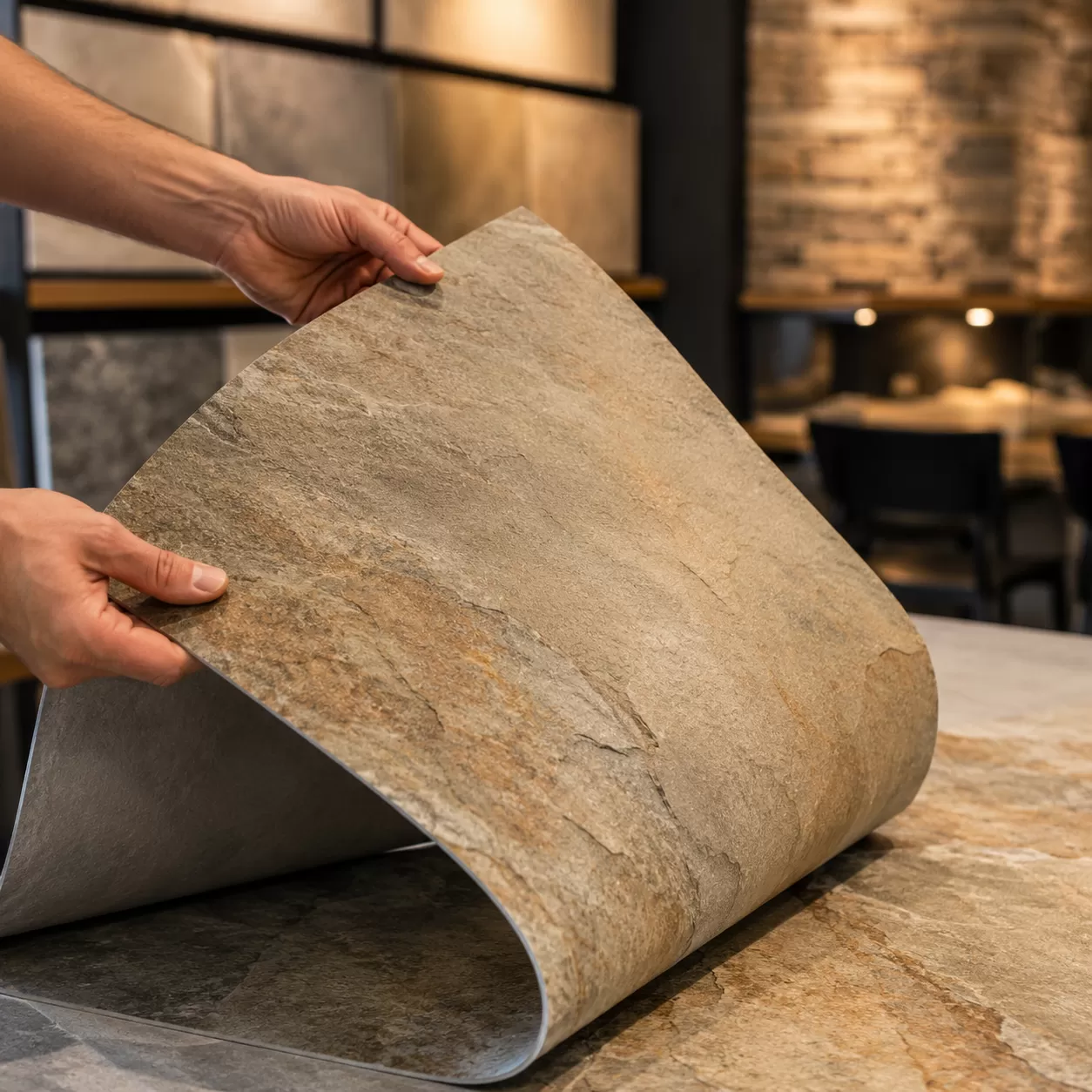
As a manufacturer and supplier, we work closely with structural engineers who face unique challenges when restoring aging properties. When it comes to an old house renovation, engineers increasingly reject heavy traditional building stone in favor of ultra-thin flexible stone. It solves the structural liabilities common in historical preservation without compromising on the timeless look of real masonry.
Mitigating Structural Weight and Foundation Load
Older foundations degrade over time, losing their capacity to bear heavy loads. Adding tons of real stone cladding can trigger catastrophic foundation settling or wall failure.
Weight Comparison: Ultra-thin flexible stone weighs roughly 3 to 9 kg/m², whereas traditional stone cladding regularly exceeds 45 to 100 kg/m².
Dead Load Reduction: It eliminates up to 95% of the dead load compared to standard masonry.
Foundation Protection: Eliminates the need for underpinning or widening existing footings.
Material Type: Ultra-Thin Flexible Stone
Average Weight (per m²): 3 – 9 kg
Structural Load Impact: Extremely Low (Negligible)
Material Type: Traditional Building Stone
Average Weight (per m²): 45 – 100+ kg
Structural Load Impact: High (Requires engineering checks)
Material Type: Brick Veneer
Average Weight (per m²): 30 – 50 kg
Structural Load Impact: Medium to High
Adapting to Settled, Uneven, and Curved Walls
Old houses are rarely straight. Decades of settling cause walls to bow, shift, and lean. Rigorous, rigid materials fail on these surfaces because they cannot handle the structural deflection.
Inherent Flexibility: This material conforms seamlessly to bows, waves, and gentle curves down to a tight radius.
Movement Tolerance: It moves with the building rather than fighting against it, preventing the cracking and popping common with rigid tiles.
No Substrate Leveling: It accommodates minor wall imperfections without requiring massive layers of leveling mortar.
Preserving Existing Architectural Integrity
Preserving the original fabric of a historic building is a primary directive for engineers. Heavy renovations often destroy the very character homeowners want to save.
Zero Damage to Original Substrates: It bonds directly to existing stable surfaces like old brick, concrete, or plaster using specialized adhesives.
Ultra-Thin Profile: At just 3mm to 9mm thick, it preserves original building profiles, window reveals, and architectural depths without requiring extensions.
Authentic Texture: Because it is split from genuine quarried stone layers, it delivers the exact texture, variance, and premium feel required for high-end interior remodeling and exterior restoration.
Minimizing Structural Reinforcement Requirements
Standard stone retrofits require extensive, invasive structural upgrades before the first stone is even laid. Flexible stone bypasses this entirely, making it an incredibly cost-effective option.
No Mechanical Ties or Anchors: Traditional stone requires heavy-duty steel wall ties anchored deep into the framing. Flexible stone relies entirely on high-performance adhesive bonding.
No Footing Ledges Needed: Traditional masonry must rest on a concrete ledge or foundation footing. Flexible stone hangs securely on the wall, supported completely by its own adhesion.
Preserved Framing: Avoids the need to sister joists, reinforce studs, or install heavy lintels over doors and windows. This makes it a highly sustainable product that reduces raw material consumption on-site.
—
Key Benefits of Flexible Stone in Remodeling Projects

As a leading flexible stone supplier and manufacturer, we see firsthand how this material revolutionizes interior remodeling and exterior retrofits. When dealing with aging structures, choosing a cost-effective option that balances performance with preservation is crucial. Ultra-thin flexible stone delivers exactly what modern renovations demand.
Lightweight Design and Reduced Structural Support Requirements
Traditional building stone adds massive dead load to a property, often requiring expensive foundation underpinning. Flexible stone completely eliminates this issue.
Ultra-Thin Profile: Only 1 to 3 mm thick.
Featherweight Performance: Weighs up to 90% less than thick stone slabs.
No Structural Reinforcement: Eliminates the need for footings, ties, or heavy-duty anchors.
Exceptional Durability and Weather Resistance
Don’t let the flexibility fool you; this is real stone reinforced with advanced polymer backings. It stands up to the harshest environmental conditions without cracking or degrading.
Weather Threat: Heavy Rainfall
Flexible Stone Performance: Completely waterproof; prevents moisture ingress into old substrates.
Weather Threat: Extreme Temperature Changes
Flexible Stone Performance: Flexes naturally with thermal expansion, preventing cracks.
Weather Threat: High Wind & Impact
Flexible Stone Performance: High tensile strength prevents chipping and delamination.
Eco-Friendly Sustainability and Waste Reduction
We manufacture this sustainable product with a focus on green building standards. It minimizes environmental impact from production to installation.
Low Carbon Footprint: Significantly fewer emissions generated during transport due to its lightweight nature.
Resource Efficient: Extracts only the top layer of natural stone, extending the life of natural quarries.
Zero Waste Cutting: Easy to trim precisely, reducing job site construction waste.
Improved Installation Efficiency
Time is money on any remodeling job. Flexible stone cuts down project timelines dramatically compared to traditional masonry.
Simple Tools: Cuts easily with tin snips or a utility knife—no heavy wet saws required.
Direct Application: Bonds straight onto existing drywall, concrete, or old masonry using specialized adhesives.
Mess-Free Setup: Minimizes heavy dust and noisy grinding, keeping the job site cleaner.
Long Service Life and Low Maintenance
Once installed, this material performs reliably for decades with minimal upkeep. It offers the timeless look of natural stone without the high-maintenance headaches.
Stain Resistant: Non-porous surface barrier resists dirt buildup and oil stains.
Easy Cleaning: Requires only a simple wipe down with water or mild detergents.
No Sealing Required: Unlike raw, porous traditional building stone, it retains its look without frequent resealing.
—
Flexible Stone vs Traditional Renovation Materials
When updating an older property, choosing the right cladding can make or break the project. Traditional materials often push aging foundations to their limits. As a premier manufacturer and supplier, we see how ultra-thin flexible stone fundamentally changes the math for old house renovation projects compared to legacy materials.
Flexible Stone vs Natural Stone Cladding
Traditional building stone looks incredible, but its massive weight is a structural nightmare for older homes.
Weight: Full-bed natural stone requires heavy-duty footings and structural reinforcement. Flexible stone is ultra-lightweight, eliminating the need for foundation upgrades.
Thickness: Traditional stone eats up valuable real estate with its thickness, while flexible stone profiles stay under a few millimeters.
Installation: Real stone requires highly skilled masons and days of noisy, dusty cutting. Our flexible alternative bonds directly to existing walls with minimal mess.
Flexible Stone vs Brick Veneer
Brick veneer is a classic choice, but it comes with rigid limitations during retrofits.
Feature: Dead Load
Ultra-Thin Flexible Stone: Extremely low; no structural stress
Brick Veneer: Moderate to high; requires ledge support
Feature: Flexibility
Ultra-Thin Flexible Stone: Bends around curves and settled walls
Brick Veneer: Rigid; cracks under structural movement
Feature: Space Savings
Ultra-Thin Flexible Stone: Minimal thickness maximizes footprint
Brick Veneer: Takes up several inches of exterior/interior space
Flexible Stone vs Fiber Cement Panels
Fiber cement is popular for modern upgrades, but it often falls short in historic preservation and authentic aesthetics.
Aesthetics: Fiber cement looks manufactured. Flexible stone features a real natural stone surface texture that preserves historic charm.
Moisture Handling: Fiber cement can absorb moisture if seams aren’t sealed perfectly, leading to rot in old wood framing. Flexible stone offers superior, breathable weather resistance.
Handling: Fiber cement panels are heavy, brittle, and prone to cracking during transport and installation on uneven, older walls.
Flexible Stone vs Porcelain Wall Panels
Large-format porcelain is sleek, but it is notoriously difficult to work with in an old house renovation.
Substrate Requirements: Porcelain requires a perfectly flat, dead-level surface. Older homes have settled, bowed, and imperfect walls where porcelain will simply crack.
Adaptability: Flexible stone conforms to the natural waves and shifts of aging structures without cracking.
On-Site Modification: Cutting large porcelain panels requires specialized wet saws and carries a high risk of breakage. Flexible stone cuts easily with basic tools, speeding up the installation process.
—
Application Scenarios in Old House Retrofits

When dealing with aging properties, traditional heavy masonry often presents a structural risk. Ultra-thin flexible stone offers a lightweight, versatile solution for modern retrofits. Here is how we apply it across different areas of an old house renovation:
Exterior Facade and Cladding Upgrades
Old exterior walls frequently suffer from settling, cracking, or weakened load-bearing capacities. Installing ultra-thin flexible stone allows for a complete aesthetic upgrade without adding heavy dead weight to the existing foundation.
Weight reduction: Eliminates the need for structural tie-ins or footings.
Weather barrier: Provides a breathable yet water-resistant outer layer.
Direct application: Bonds securely over existing stable stucco, brick, or concrete.
Historic Building Restoration Projects
Preserving the character of a heritage property requires minimal intervention. Because we manufacture this sustainable product to replicate natural textures precisely, it allows structural engineers to maintain historic aesthetics while adhering to strict weight and modification limits.
Restoration Challenge: Fragile, aging foundations
Flexible Stone Solution: Extremely low load-bearing impact
Restoration Challenge: Strict preservation codes
Flexible Stone Solution: Authentic traditional building stone appearance
Restoration Challenge: Irregular, hand-built walls
Flexible Stone Solution: Conforms to original shifts and waves
Interior Feature Walls and Fireplace Surrounds
For interior remodeling, heavy stone slabs often require floor reinforcement. Our ultra-thin stone solves this issue completely, offering a cost-effective option for creating premium focal points.
Fireplace surrounds: High temperature resistance makes it ideal for wrapping existing brick chimneys.
Living areas: Installs directly onto standard drywall or plaster without extra framing.
Bathroom and Kitchen Wet Area Renovations
Old homes often have moisture issues in kitchens and bathrooms. Flexible stone sheets feature a non-porous backing that blocks water penetration while remaining easy to clean.
Shower walls: Continuous, large-format sheets minimize grout lines where mold usually grows.
Backsplashes: Thin profile allows it to fit neatly behind existing plumbing fixtures and countertops.
Columns, Archways, and Curved Architectural Features
Traditional building stone cannot bend around curves without complex, expensive masonry cutting. Our flexible stone bends easily, making it perfect for the unique architectural details found in older homes.
Columns: Seamlessly wraps round structural pillars.
Archways: Bends smoothly around tight radii without cracking or breaking.
Basement and Foundation Wall Renovations
Old basements are notorious for uneven, damp concrete or stone foundations. This material provides an efficient way to finish below-grade spaces without losing valuable square footage to thick furring strips and heavy drywall assemblies.
—
Architectural Possibilities with Ultra-Thin Flexible Stone
Old houses rarely feature perfectly straight lines. Decades of settling create unique architectural challenges. As a flexible stone supplier and manufacturer, we see firsthand how this material transforms spaces where traditional building stone fails. It opens up design avenues that were previously impossible or cost-prohibitive in old house renovation projects.
Installing on Curved and Irregular Surfaces
Older properties are full of character, including bowed walls, structural columns, and arched transitions. Standard masonry cannot adapt to these shapes without intensive cutting and structural support.
Pliable Nature: Wraps smoothly around columns and tight radiuses.
No Heavy Equipment: Bonds directly to existing curved substrates using specialized adhesives.
Seamless Finish: Eliminates the jagged edges common when forcing rigid tile onto curved surfaces.
Replicating Natural Stone Without Structural Constraints
Homeowners love the premium look of heavy masonry, but aging foundations often cannot handle the weight. Ultra-thin flexible stone solves this dilemma completely.
Material Property: Weight
Traditional Building Stone: Heavy (Requires structural footings)
Ultra-Thin Flexible Stone: Ultra-lightweight (No reinforcement needed)
Material Property: Thickness
Traditional Building Stone: Generally 20mm to 50mm+
Ultra-Thin Flexible Stone: Roughly 1.5mm to 3mm
Material Property: Installation Speed
Traditional Building Stone: Slow, labor-intensive masonry
Ultra-Thin Flexible Stone: Fast, simple adhesive application
Material Property: Structural Impact
Traditional Building Stone: High stress on old foundations
Ultra-Thin Flexible Stone: Zero added structural load
Blending Historic Character with Modern Design
Renovating a historic property requires a delicate balance between preserving the past and updating the living space. Interior remodeling with flexible stone allows you to introduce contemporary textures while honoring the original architecture.
Authentic Texture: Features a real stone face, retaining the natural variations, depth, and feel of quarried rock.
Minimal Profile: The ultra-thin footprint ensures it fits behind existing trim, historic moldings, and window casings without forcing you to rip them out.
Contrast and Complement: Excellent for creating a modern focal point—like a minimalist fireplace surround—inside a traditional, centuries-old room layout.
Custom Finishes and Decorative Applications
Because this material cuts easily with standard tools, it functions more like a heavy-duty wallpaper or veneer than a rigid slab. This flexibility makes it a highly cost-effective option for custom architectural detailing.
Feature Walls: Create expansive, floor-to-ceiling accent walls without floor-load concerns.
Ceiling Accents: Apply real stone overhead on ceilings or inside recessed alcoves where real stone is too dangerous or heavy to install.
Precision Matching: Easily cut into custom geometric patterns, inlaid designs, or specific block sizes to replicate localized historical masonry styles.
—
Performance in Challenging Renovation Environments
Old houses face tough environmental battles. When evaluating why structural engineers are recommending ultra-thin flexible stone for old house renovation, durability under harsh conditions is a massive deciding factor. This material isn’t just about looks—it is engineered to perform where traditional masonry often fails.
Water Resistance and Moisture Protection
Older buildings are notoriously prone to rising damp and moisture intrusion. Traditional brick and heavy stone absorb water, which traps moisture against aging structural framing.
Impermeable Barrier: Our ultra-thin flexible stone acts as a protective shield, stopping liquid water from penetrating the substrate.
Breathability: While it blocks liquid water, the specialized backing allows vapor to escape, preventing the destructive mold and rot common in historic retrofits.
No Efflorescence: Unlike concrete or standard plaster, this material won’t develop those ugly, powdery white salt stains over time.
Freeze-Thaw Durability for Exterior Applications
In regions with severe winters, traditional building stone often cracks, spalls, or detaches due to the constant freeze-thaw cycle. Water seeps into the stone pores, freezes, expands, and breaks the material apart.
Material Type: Traditional Stone
Water Absorption Rate: High (Porous)
Risk of Freeze-Thaw Damage: High (Cracking & Spalling)
Material Type: Flexible Stone Veneer
Water Absorption Rate: Near Zero
Risk of Freeze-Thaw Damage: Extremely Low (Flexible Backing)
Because our flexible stone utilizes a resin-bound composite backing, it expands and contracts naturally with temperature shifts. It will not crack or pop off the wall when the temperature drops below freezing.
UV Resistance and Color Stability
Exterior renovations need to look good for decades, not just a few seasons. Standard vinyl or low-grade composites fade and warp under intense sunlight.
Natural Stone Surface: The top layer consists of genuine quarried stone, meaning the color is created by nature, not artificial dyes.
UV-Inhibiting Binders: The polymers used in our manufacturing process resist UV degradation, ensuring the panels won’t become brittle or yellow over time.
Long-Term Aesthetics: Your exterior facade retains its deep, rich architectural character without requiring constant resealing or painting.
Fire Safety and Building Code Compliance
Meeting modern building codes is one of the biggest hurdles in old house renovation. Structural engineers cannot compromise on fire safety when retrofitting aging timber-framed properties.
Safety Standard: Our ultra-thin flexible stone undergoes rigorous testing to achieve top-tier fire ratings (typically Class A/Group 1 standards).
It does not contribute to flame spread or produce toxic smoke, making it a fully compliant, safe choice for both exterior cladding and high-risk interior zones like fireplace surrounds and kitchen cooking areas.
—
Installation Efficiency and Cost Savings
Upgrading an old house usually means bracing for weeks of mess, high labor costs, and unexpected structural surprises. As a flexible stone supplier and manufacturer, we see firsthand how ultra-thin flexible stone fixes these exact headaches. It completely changes the financial and logistical math of old house renovation.
Accelerated Installation Compared to Traditional Masonry
Traditional stone masonry is a slow, piece-by-piece craft. Why structural engineers are recommending ultra-thin flexible stone for old house renovation comes down to speed.
No Heavy Ties: It bypasses the need for mechanical anchors, footings, or drying layers.
Fast Cutting: Installers can score and cut the stone with standard hand tools or shears right on-site.
Rapid Adhesion: It bonds quickly to the wall, cutting project timelines down by up to 70% compared to traditional building stone.
Lower Labor Costs and Transportation Expenses
Heavy materials rack up massive freight bills and require specialized masonry crews. Flexible stone flips the script on logistics.
Cost Factor: Shipping & Freight
Traditional Building Stone: High weight, expensive bulk transport
Ultra-Thin Flexible Stone: Lightweight, tightly packed boxes
Cost Factor: On-Site Handling
Traditional Building Stone: Requires teams or machinery to lift
Ultra-Thin Flexible Stone: A single installer can carry multiple sheets
Cost Factor: Labor Specialty
Traditional Building Stone: Highly paid, specialized masons
Ultra-Thin Flexible Stone: General finish carpenters or painters can install
Minimal Demolition Requirements
The cleanest demolition is the one you don’t have to do. Because this stone is ultra-thin, you can often apply it directly over stable existing surfaces.
Zero Landfill Waste: Skip the expensive dumpster rentals and disposal fees for old brick or stucco.
No Mess: Avoid the pervasive dust and noise that comes with hammering down old walls.
Preserved Backing: It protects the underlying structure from the shock and vibration of heavy demolition tools.
Substrate Preparation for Older Homes
Older houses are notorious for shifting, bowing, and settling. Preparing these surfaces for a cost-effective option like flexible stone requires just a few straightforward steps:
1. Clean the Surface: Remove loose paint, crumbling plaster, dust, and grease.
2. Patch Major Void Spaces: Use a high-quality structural filler to smooth out deep cracks or holes.
3. Apply a Primer: Seal porous older substrates to ensure maximum adhesion for the stone matrix.
4. Check for Flatness: While the stone bends, the underlying wall should be structurally sound and free of active moisture leaks.
Best Installation Practices for Long-Term Performance
Pro Tip: For a flawless finish on aging walls, always use the manufacturer-recommended polymer modified adhesive. Apply the adhesive using a notched trowel to achieve 100% back-coverage, avoiding any hollow spots behind the stone veneer.
Roll the surface firmly during installation to eliminate air pockets, and seal the joints properly if you are using it in exterior or high-moisture interior remodeling zones.
—
Renovating Historic and Heritage Buildings With Ultra-Thin Flexible Stone
Restoring a heritage property requires a delicate balance between preservation and modernization. Why are structural engineers recommending ultra-thin flexible stone for old house renovation? Because it delivers the timeless look of real masonry without the destructive, heavy interventions that historic buildings simply cannot handle.
Maintaining Original Architectural Character
Preserving the visual soul of a heritage property is non-negotiable. Our ultra-thin flexible stone is crafted from actual quarried stone layers, capturing the exact texture, color variations, and depth of traditional building stone. It allows us to upgrade a building’s performance while keeping its historical aesthetics perfectly intact.
Reducing Intervention on Existing Structures
Older foundations and fragile timber framing are highly sensitive to weight and aggressive drilling. Traditional stone cladding adds massive dead load, often requiring invasive structural reinforcement.
No Heavy Anchors: Eliminates the need for intrusive mechanical ties that damage old substrates.
Minimal Surface Impact: Applies directly with specialized adhesives, leaving the original core structure untouched.
Zero Structural Strain: At just a fraction of the thickness of regular stone, it adds virtually zero weight to aging foundations.
Meeting Preservation Project Requirements
Historical review boards demand that renovations be minimally invasive and, where possible, reversible. As a premier flexible stone supplier and manufacturer, we engineer our materials to comply with strict preservation guidelines.
Preservation Challenge: Weight Load
Traditional Building Stone: Heavy; requires foundation checks
Our Ultra-Thin Flexible Stone: Ultra-lightweight; no engineering upgrades needed
Preservation Challenge: Substrate Damage
Traditional Building Stone: High; requires bolting and mesh
Our Ultra-Thin Flexible Stone: Low; adheres directly with minimal prep
Preservation Challenge: Reversibility
Traditional Building Stone: Extremely difficult to remove
Our Ultra-Thin Flexible Stone: Can be removed with minimal impact to core walls
Preservation Challenge: Cost-Effectiveness
Traditional Building Stone: Expensive labor and material costs
Our Ultra-Thin Flexible Stone: Highly cost-effective option for historic budgets
Examples of Heritage Building Applications
We have supplied ultra-thin flexible stone for various interior remodeling and exterior restoration projects on aging properties:
Centuries-Old Masonry Overlays: Resurfacing deteriorating, spalling brick facades without altering the building’s original boundary lines.
Historic Fireplace Surrounds: Upgrading interior hearths where the floorboards cannot support the weight of full-bed stone.
Timber-Framed Estate Retrofits: Adding natural stone accents to weak, shifting wood-frame structures that reject heavy materials.
—
Cost Analysis and Return on Investment
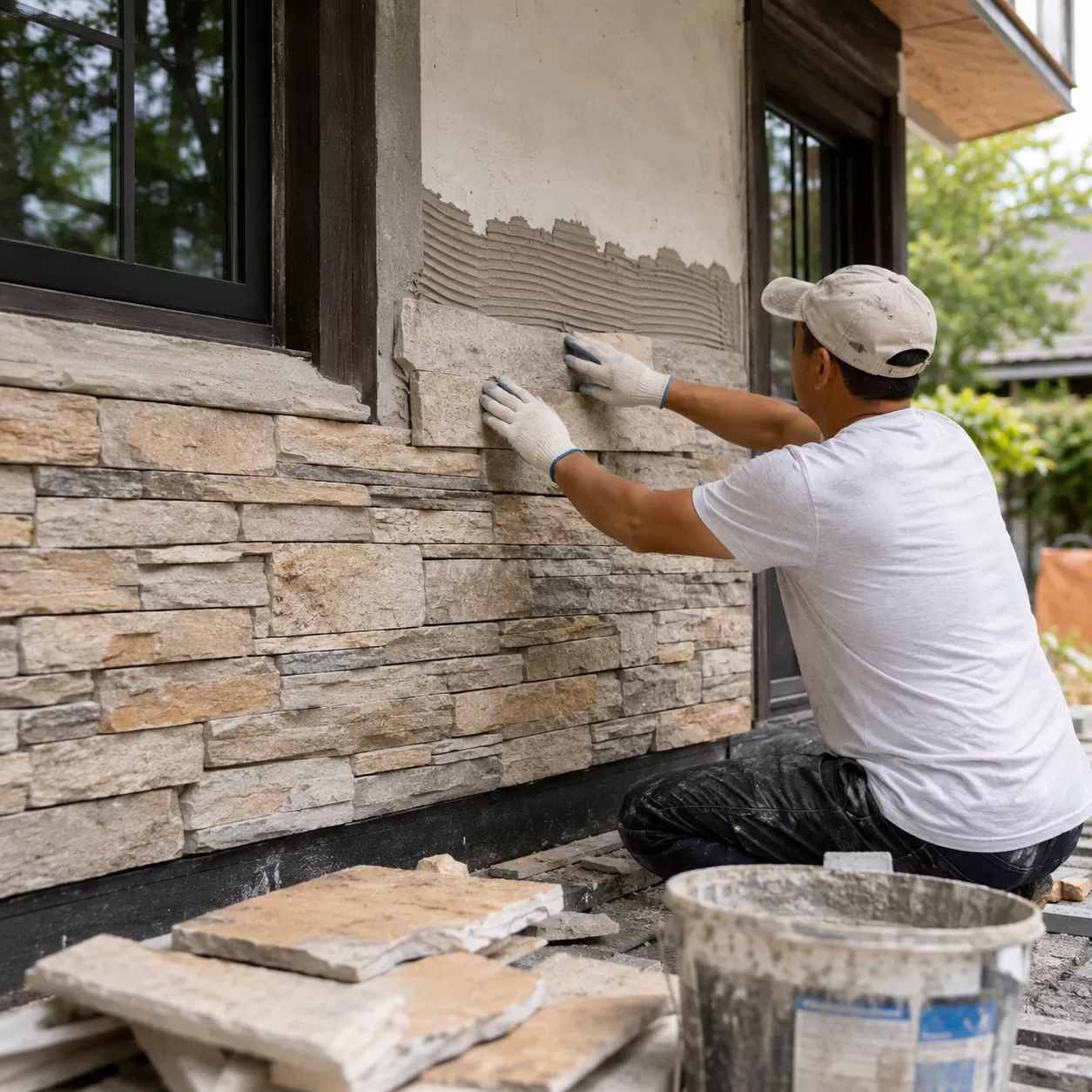
When looking at the financial side of an old house renovation, traditional masonry costs add up fast. As a premier flexible stone supplier and manufacturer, we analyze these numbers daily. Choosing ultra-thin flexible stone veneer isn’t just about cutting upfront expenses—it fundamentally shifts the ROI of your entire remodeling project.
Material Cost Comparison
At first glance, the raw material cost of ultra-thin flexible stone sits at a premium compared to basic budget siding, but it is highly competitive with premium natural stone. However, the true financial advantage of this sustainable product becomes clear when you look at the total project invoice.
Material Type: Ultra-Thin Flexible Stone
Material Cost: Moderate
Shipping & Handling: Very Low (Lightweight)
Structural Support Needed?: No
Material Type: Traditional Building Stone
Material Cost: High
Shipping & Handling: Extremely High (Heavy)
Structural Support Needed?: Yes
Material Type: Brick Veneer
Material Cost: Moderate to High
Shipping & Handling: High
Structural Support Needed?: Often Yes
Installation Cost Savings
Labor is where traditional masonry drains your budget. Traditional building stone requires highly specialized stonemasons, heavy mixing equipment, and days of slow, meticulous stacking.
Speed: Flexible stone installs up to three times faster than heavy stone blocks.
Simplicity: It cuts easily with basic tools and adheres directly to existing substrates using specialized structural adhesives.
Labor Grade: You do not need a master mason; standard finish carpenters or skilled renovators can handle the job, slashing your local labor expenses significantly.
Reduced Structural Reinforcement Expenses
This is exactly why structural engineers recommending ultra-thin flexible stone for old house renovation point to the budget. Aging foundations and settling walls cannot handle the massive dead load of standard stone cladding.
If you use traditional building stone, you have to pay for:
Footing upgrades: Pouring new concrete ledges or underpinning the foundation.
Wall ties and framing: Beefing up the studs and adding heavy-duty anchors.
Flexible stone bypasses these hidden costs completely. Because it weighs next to nothing, you spend $0 on structural reinforcement.
Long-Term Maintenance Benefits
An old house renovation should fix problems, not create new maintenance chores. Our flexible stone is engineered to withstand the elements without the constant upkeep of older masonry.
No tuckpointing: Traditional mortar joints crack and fail over time, costing thousands to repair. Flexible stone eliminates this vulnerability.
Moisture protection: It acts as a protective barrier, preventing the water intrusion that typically destroys old brick and plaster walls.
Simple cleaning: A quick rinse or wipe down keeps the surface pristine.
Lifecycle Value Compared to Traditional Stone
Over a 15-to-20-year lifecycle, ultra-thin flexible stone delivers a far better financial return than heavy alternatives. You save money during shipping, spend less on installation, completely avoid structural engineering modifications, and face minimal maintenance costs down the road. It stands out as a highly cost-effective option for premium interior remodeling and historic exterior retrofits alike, protecting both the building and your budget.
—
How to Choose the Right Flexible Stone for Renovation Projects
Selecting the right ultra-thin flexible stone for old house renovation projects requires balancing aesthetic goals with structural reality. Because aging buildings possess unique structural vulnerabilities, the materials chosen must align perfectly with the existing substrate and environmental exposure.
Selecting the Appropriate Stone Texture and Finish
Old houses carry distinct architectural legacies. When updating these structures, the stone texture must match the era of the building or intentionally complement it.
Slate and Quartz textures: Ideal for rustic, historical, or rugged exterior retrofits.
Marble and Travertine finishes: Perfect for clean, classic, or high-end modern interior feature walls.
Sandstone textures: Best suited for warm, historic restorations requiring a softer, weathered look.
Choosing Between Interior and Exterior Grades
We manufacture flexible stone to perform in specific environments. Using the wrong grade compromises the longevity of the renovation.
Application Layer: Exterior Facades
Material Grade Requirement: Exterior Grade
Key Performance Features: Enhanced UV blockers, advanced freeze-thaw resistance, heavy-duty polymer backing.
Application Layer: Interior Walls
Material Grade Requirement: Interior Grade
Key Performance Features: High flexibility for tight curves, zero VOC emissions, optimized for standard construction adhesives.
Application Layer: Wet Areas (Baths/Kitchens)
Material Grade Requirement: Moisture-Resistant Treated
Key Performance Features: Sealed surface finish, mold-resistant properties, compatible with waterproof substrates.
Evaluating Technical Specifications
Structural engineers recommend ultra-thin flexible stone because its technical data far outperforms traditional building stone in renovation environments. Before purchasing, verify these critical metrics:
Thickness: Ensure it sits between 3mm to 9mm to maintain the ultra-thin, lightweight profile.
Weight: Standard specification should be approximately 3 kg/m² to 6 kg/m² to eliminate the need for structural reinforcement.
Flame Retardancy: Look for Class A fire ratings to meet modern building safety codes for older homes.
Flexibility Radius: Verify the material can bend around curves without cracking or tearing the natural stone veneer face.
Working With Reliable Manufacturers and Suppliers
As a direct Flexible Stone supplier and manufacturer, we understand that old house renovations leave no room for material failure. Partnering directly with the manufacturer ensures project success through consistent quality control and tailored technical support.
Direct Sourcing: Eliminates supply chain delays, supporting faster renovation timelines.
Certified Testing: We provide verified data sheets for weight, fire rating, and UV stability.
Customization: Access custom sizes, finishes, and backing options specifically engineered for challenging historical substrates.
—
Why Contractors and Architects Choose Flexible Stone
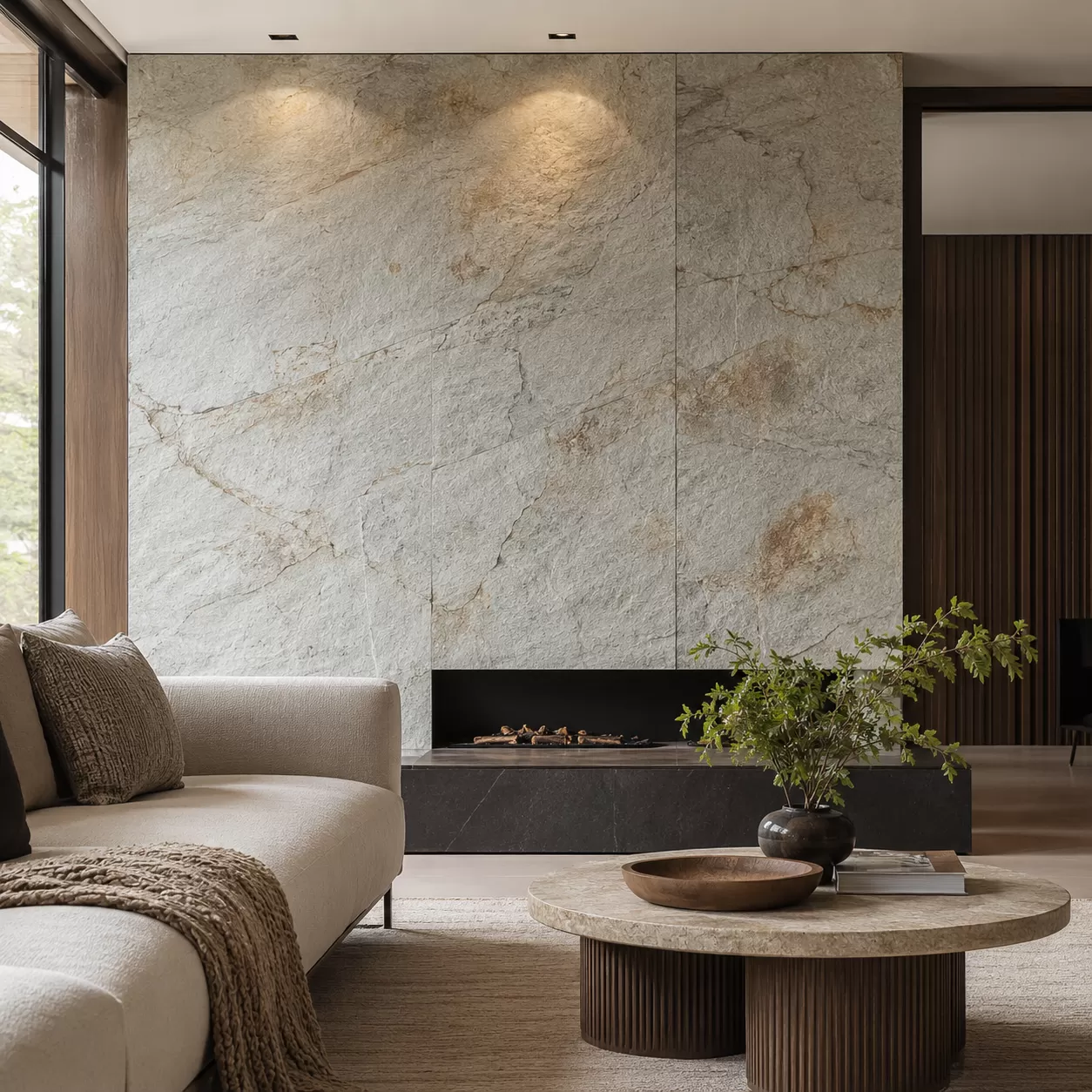
When tackling old house renovations, professionals look for materials that solve structural headaches while keeping projects on schedule and under budget. As a flexible stone supplier and manufacturer, we see firsthand why top contractors and architects are shifting away from traditional building stone for historic and aging properties.
Supporting Faster Renovation Timelines
Traditional stone masonry takes weeks of meticulous, heavy labor. Ultra-thin flexible stone cuts installation time by up to 70%.
Rapid Cutting: No heavy wet saws required; a simple utility knife or shears gets the job done.
Fast Adhesion: Prepped sheets bond directly to existing substrates using specialized structural adhesives.
Simultaneous Work: Lightweight sheets allow single installers to cover large surface areas rapidly without waiting for structural mortar cures.
Reducing Project Complexity
Old houses are full of architectural surprises, settled foundations, and fragile walls. Flexible stone minimizes the unpredictable variables that derail renovation timelines.
Traditional Masonry Challenges: Heavy structural reinforcement needed for weak walls
Flexible Stone Solutions: Eliminates engineering retrofits entirely
Traditional Masonry Challenges: Messy demolition of old plaster or brick
Flexible Stone Solutions: Installs directly over stable existing surfaces
Traditional Masonry Challenges: Complex staging and heavy equipment logistics
Flexible Stone Solutions: Material arrives in lightweight crates, easily carried by hand
Enhancing Design Flexibility
Architects love the material because it removes the creative boundaries imposed by heavy, rigid alternatives. It offers a premium, authentic stone aesthetic that can wrap around sharp columns, conform to curved archways, and line interior feature walls without demanding additional floor space or structural footings. It bridges the gap between classic historic charm and modern structural realities.
Delivering Better Project Economics
For any interior remodeling or exterior retrofit, the financial benefits are clear. While it delivers the high-end look of solid stone, it functions as a highly cost-effective option across the entire project lifecycle.
Lower Shipping Fees: Being ultra-thin means significantly less weight per square foot, slashing transportation expenses.
Reduced Labor Hours: Faster install times translate directly to lower crew payouts.
Zero Structural Modification Costs: Saves thousands of dollars normally spent on reinforcing foundations, footings, and load-bearing framing.
Sustainable Long-Term Value: It is a highly sustainable product that minimizes raw material extraction and job site waste, checking the box for modern green building requirements.
—
Case Studies: Old Houses Transformed with Flexible Stone
Real-world projects prove why structural engineers recommending ultra-thin flexible stone for old house renovation is becoming the industry standard. By replacing heavy masonry with engineered flexibility, we have helped property owners breathe new life into aging structures without risking their structural safety.
Historic Home Exterior Renovations
On a recent 19th-century residential remodel, the original wood and crumbling brick facade needed an upgrade. Traditional building stone cladding was ruled out because the foundation couldn’t handle the extra weight.
The Solution: We supplied ultra-thin flexible stone panels directly over the prepared exterior substrate.
The Result: The home achieved a premium, rugged stone look without any costly foundation underpinning.
Traditional House Interior Upgrades
An interior remodeling project for an early 1900s craftsman home required a floor-to-ceiling fireplace overhaul. The existing interior wall framing lacked the load-bearing capacity for heavy rock slabs.
Dead Load Reduction: Replacing heavy fieldstone with ultra-thin slate veneers kept the structural load minimal.
Aesthetic Impact: Delivered a seamless, modern stone hearth while preserving the integrity of the original timber framing.
Heritage Property Restoration Projects
Preserving heritage buildings requires strict adherence to conservation rules. For a designated heritage estate renovation, preserving the original lime-mortar walls was non-negotiable.
Engineer’s Note: Traditional stone cladding requires mechanical anchors that damage historic frameworks. Flexible stone bonds directly with lightweight adhesives, minimizing structural intervention.
As a leading flexible stone supplier and manufacturer, we provided custom-textured panels that matched the local historical quarry stone perfectly, satisfying both preservation officers and structural engineers.
Commercial Building Retrofit Examples
Property Type: 1950s Main St. Retail
Old Material: Damaged Stucco
New Facade: Flexible Granite Veneer
Structural Savings: Zero structural reinforcement needed
Property Type: Old Suburb Office
Old Material: Cracking Concrete
New Facade: Flexible Travertine
Structural Savings: 85% weight reduction vs. solid stone
By choosing this sustainable product, the commercial owners cut down installation timelines by 60%, making it a highly cost-effective option for large-scale retrofits.
—
Frequently Asked Questions (FAQs)
Can flexible stone veneer be applied directly over old brick or plaster?
Yes. As long as the existing substrate is structurally sound, clean, flat, and dry, you can apply our ultra-thin flexible stone directly over old brick or plaster. For crumbling or highly textured surfaces, we always recommend applying a leveling coat first to ensure maximum adhesion.
How long does ultra-thin flexible stone last on exterior walls?
When installed using our recommended high-performance polymers and adhesives, ultra-thin flexible stone has an expected lifespan of over 20 to 25 years on exterior walls. Its advanced formulation resists UV degradation, cracking, and severe weather conditions just like traditional building stone.
Is flexible stone veneer waterproof and safe for historic home interiors?
Absolutely. The material is naturally water-resistant, making it an excellent choice for interior remodeling in wet environments like kitchens and bathrooms. Furthermore, it is completely safe for historic home interiors, as it does not emit harmful VOCs (volatile organic compounds).
Does flexible stone require structural reinforcement?
No, it does not. One of the main reasons why structural engineers recommending ultra-thin flexible stone for old house renovation projects is its incredibly low weight. Weighing only a fraction of natural slabs, it completely eliminates the need for expensive foundation upgrades or wall reinforcement.
Can flexible stone be used on curved walls?
Yes, this is one of its standout features. Because it is highly flexible, it bends seamlessly around columns, archways, and radiused walls without cracking, allowing you to achieve a premium stone finish on surfaces where heavy stone could never go.
Is flexible stone suitable for heritage building restoration?
Yes. It provides a non-invasive way to upgrade a property. Because it requires minimal surface demolition and places virtually zero stress on fragile, aging masonry, it is highly favored for preserving the historic character of heritage structures.
How does flexible stone compare to traditional stone cladding?
While traditional stone requires heavy anchors, extensive labor, and massive structural support, our flexible stone is lightweight, fast to install, and highly adaptable. It cuts easily with standard tools and reduces overall project transportation costs, making it a highly sustainable product and a cost-effective option for any renovation.
