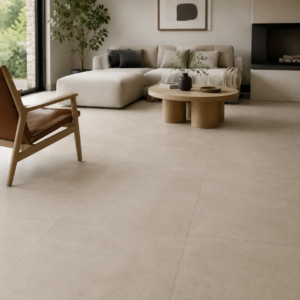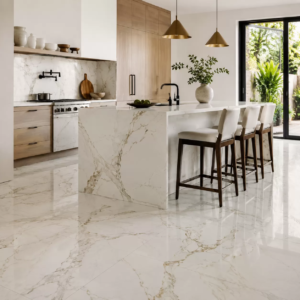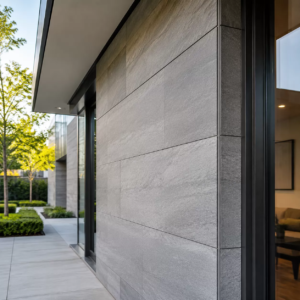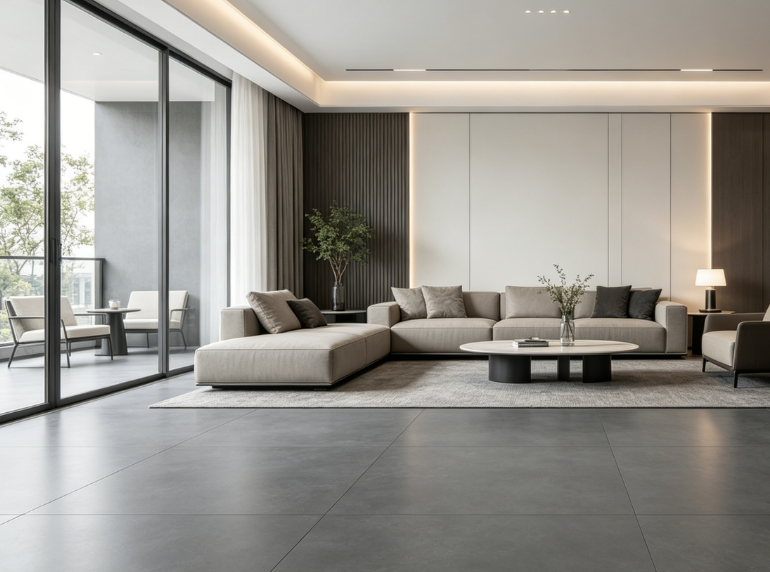
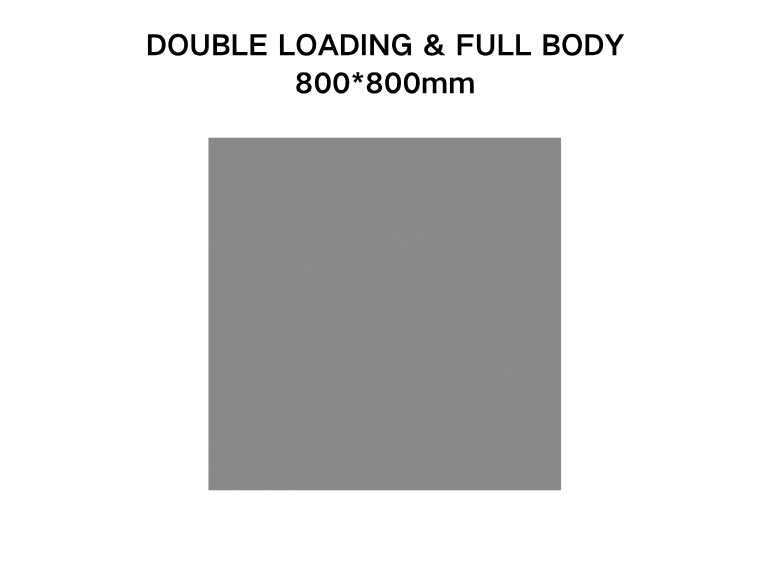
size:800x800mm
pcs/ctn:3pcs/ctn
kg/ctn:44.1kg/ctn
ctn/plt:28/31/plt
ctn/container:590ctn/container
Advantages of Porcelain Tile in Your House
What Is Porcelain Tile?
Porcelain tile represents the pinnacle of modern ceramic engineering, offering a premium surfacing solution for global architecture and interior design. As a leading porcelain tile manufacturer and supplier, we engineer these tiles to deliver unmatched structural integrity and aesthetic versatility for high-end home renovation projects.
The Unique Production and Composition
Porcelain is crafted from a highly refined blend of natural clays, feldspar, and fine quartz sand. The production process involves two critical stages that give porcelain its superior technical specifications compared to standard flooring options:
- High-Pressure Pressing: The raw mineral blend is compressed under extreme hydraulic pressure, eliminating internal voids and air pockets.
- Ultra-High Temp Firing: The pressed green tiles are kiln-fired at temperatures ranging from 1,200°C to 1,400°C.
This intensive manufacturing process triggers a chemical transformation called vitrification, turning the raw minerals into a dense, glass-like, and nearly completely impervious material.
How to Tell the Difference Between Porcelain and Ceramic
While both belong to the ceramic family, porcelain and non-porcelain ceramic tiles have distinct performance differences. The primary differentiator recognized by global standards is water absorption rate.
| Feature | Porcelain Tile | Ceramic Tile |
|---|---|---|
| Water Absorption Rate | $le 0.5%$ (Impervious) | $> 0.5%$ (Porous) |
| Clay Composition | Refined white clay with high feldspar content | Coarser red or brown clay |
| Firing Temperature | 1,200°C to 1,400°C | 1,000°C to 1,150°C |
| Density & Hardness | Extremely high (Through-body color options) | Moderate (Soft bisque under a glazed surface) |
| Best Suited For | High-traffic zones, outdoor spaces, commercial use | Low-traffic walls and residential interiors |
To easily identify porcelain in the field, look at the edge or back of an unglazed tile. Porcelain features a fine-grained, smooth, and uniform color composition throughout, whereas standard ceramic typically reveals a distinct red or tan body beneath the top glaze layer.
Top Benefits of Installing Porcelain Tile in Your House
Choosing the right flooring for a home renovation comes down to finding a balance between looks and long-term performance. As a direct porcelain tile manufacturer and supplier, we see firsthand how this material outperforms the competition. Installing porcelain tile offers distinct advantages that keep a home beautiful and functional for decades.
Unmatched Durability and Wear Resistance
Porcelain tile is built to last. Thanks to high-firing temperatures and dense clay composition, it shrugs off heavy foot traffic, dropped mugs, and moving furniture without cracking or chipping.
- High Scratch Resistance: Perfect for homes with pets, kids, and heavy furniture.
- Long Lifespan: Easily lasts decades outperforming standard flooring options.
- Heavy Traffic-Ready: Ideal for busy entryways, hallways, and living rooms.
| Feature | Porcelain Tile | Standard Ceramic |
|---|---|---|
| Density & Hardness | Extremely High | Medium |
| Scratch Resistance | Excellent | Moderate |
| Expected Lifespan | 50+ Years | 15–20 Years |
Excellent Water and Stain Resistance
Moisture resistance is a major factor when picking floors for kitchens, bathrooms, and basements. Porcelain has an incredibly low water absorption rate (less than 0.5%), making it virtually waterproof. Spills, mud, and liquid messes sit on top of the surface rather than soaking in, which completely eliminates the risk of water damage or deep-set stains.
Low Maintenance and Easy Cleaning
Nobody wants to spend their weekends scrubbing floors. One of the best advantages of installing porcelain tiles is the stress-free, low-maintenance upkeep. It doesn’t require sealing, waxing, or special chemical cleaners to look brand new.
- Daily Care: A quick sweep and a damp mop are all it takes.
- Stain Defense: Spilled wine, coffee, and oil wipe right off.
- No Resealing Needed: Unlike natural stone, the protective barrier is permanent.
Improved Home Hygiene and Indoor Air Quality
Your floors directly impact the air you breathe. Because porcelain is fired at extreme temperatures, it creates a non-porous surface that doesn’t harbor allergens.
- Hypoallergenic: Dust mites, pollen, and pet dander cannot penetrate the tile surface.
- Mold and Bacteria Resistant: Zero moisture retention means no breeding ground for mold, mildew, or fungus.
- Zero VOCs: Porcelain is made from natural materials and emits zero volatile organic compounds, keeping your indoor air clean and safe.
Design and Aesthetic Advantages of Porcelain
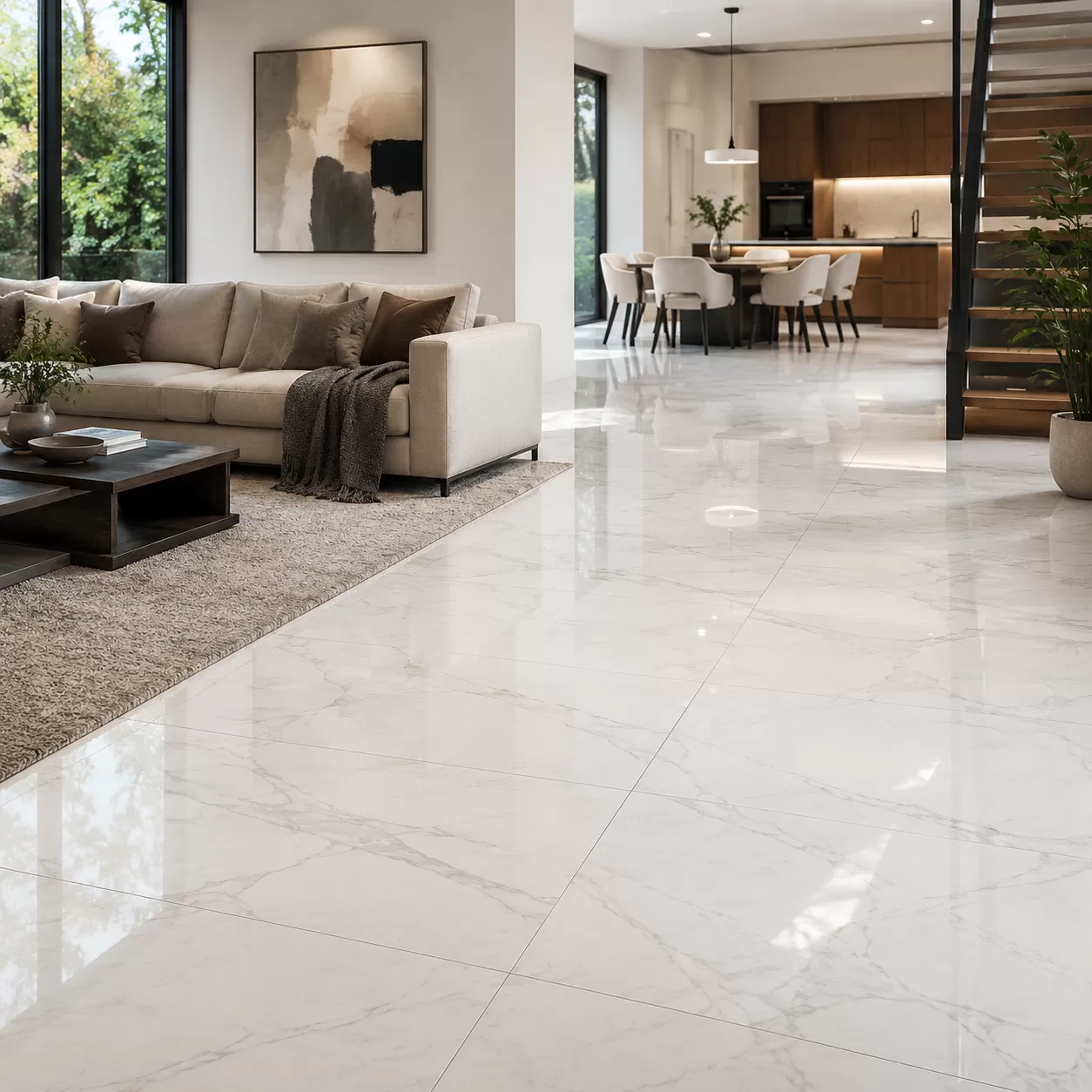
When you are looking at the advantages of installing porcelain tiles in your house, design flexibility is a major selling point. As a direct manufacturer and supplier, we have watched technology completely transform what these tiles can do. They are no longer just plain, sterile squares—they are design chameleons that can elevate the look of any room.
Endless Styles from Marble to Wood Looks
Thanks to modern high-definition printing, porcelain can mimic almost any premium material on the planet. You get the high-end look without the high-maintenance headache.
- Marble Looks: Achieve the luxury of Carrara or Calacatta marble without the risk of acid staining or etching.
- Wood Looks: Get the warmth of hardwood planks in areas where real wood fails, like bathrooms and basements.
- Concrete & Stone Aesthetics: Perfect for modern, industrial, or rustic home renovations.
Large-Format Tiles for Luxury Design
If you want a seamless, upscale vibe, large-format porcelain tiles are the way to go.
- Fewer Grout Lines: Bigger tiles mean less visual clutter, making small rooms feel spacious and grand.
- Continuous Patterns: Slabs can be book-matched or pattern-matched for a continuous, high-end stone appearance.
- Easy Upkeep: Less grout means fewer places for dirt to hide, boosting the low maintenance appeal.
Light, Fade, and Scratch Resistance
The beauty of porcelain isn’t just skin-deep; it is built to last. The intense firing process ensures long-term durability against daily wear and tear.
- Fade Proof: UV rays from large windows won’t fade the colors or patterns, keeping your floors looking brand new for decades.
- Scratch Proof: Pet claws, high heels, and moving furniture won’t leave scuffs or marks on the tough surface.
- Stain Proof: The dense moisture resistance stops liquids from penetrating and ruining the design, making it a reliable choice for busy global households.
Where to Use Porcelain Tiles in Your House
High-Traffic Indoor Areas and Living Spaces
Busy living rooms, hallways, and entryways need floors that can take a beating. One of the biggest advantages of installing porcelain tiles in your house is their ability to withstand heavy foot traffic without showing wear. As a leading porcelain tile manufacturer and supplier, we design these tiles to resist scratches from pets, high heels, and moving furniture, making them ideal for the busiest hubs of your home.
Kitchen and Bathroom Walls and Floors
Kitchens and bathrooms demand materials that handle moisture and frequent spills. Porcelain tile excels here due to its exceptional moisture resistance.
- Floors: Spills, dropped pots, and heavy appliances won’t dent or crack the surface.
- Walls and Backsplashes: They wipe clean instantly, preventing grease and water stains from ruining your walls.
Extending Seamless Design to Outdoor Spaces
You can easily take the beauty of your interior design straight to your patio, deck, or walkway. Because quality porcelain handles extreme temperature shifts without cracking, it serves as the perfect transition from indoor living spaces to the outdoors. It creates a seamless, high-end look that expands your visual living area while offering a low maintenance solution for backyard hosting.
Potential Disadvantages and Considerations
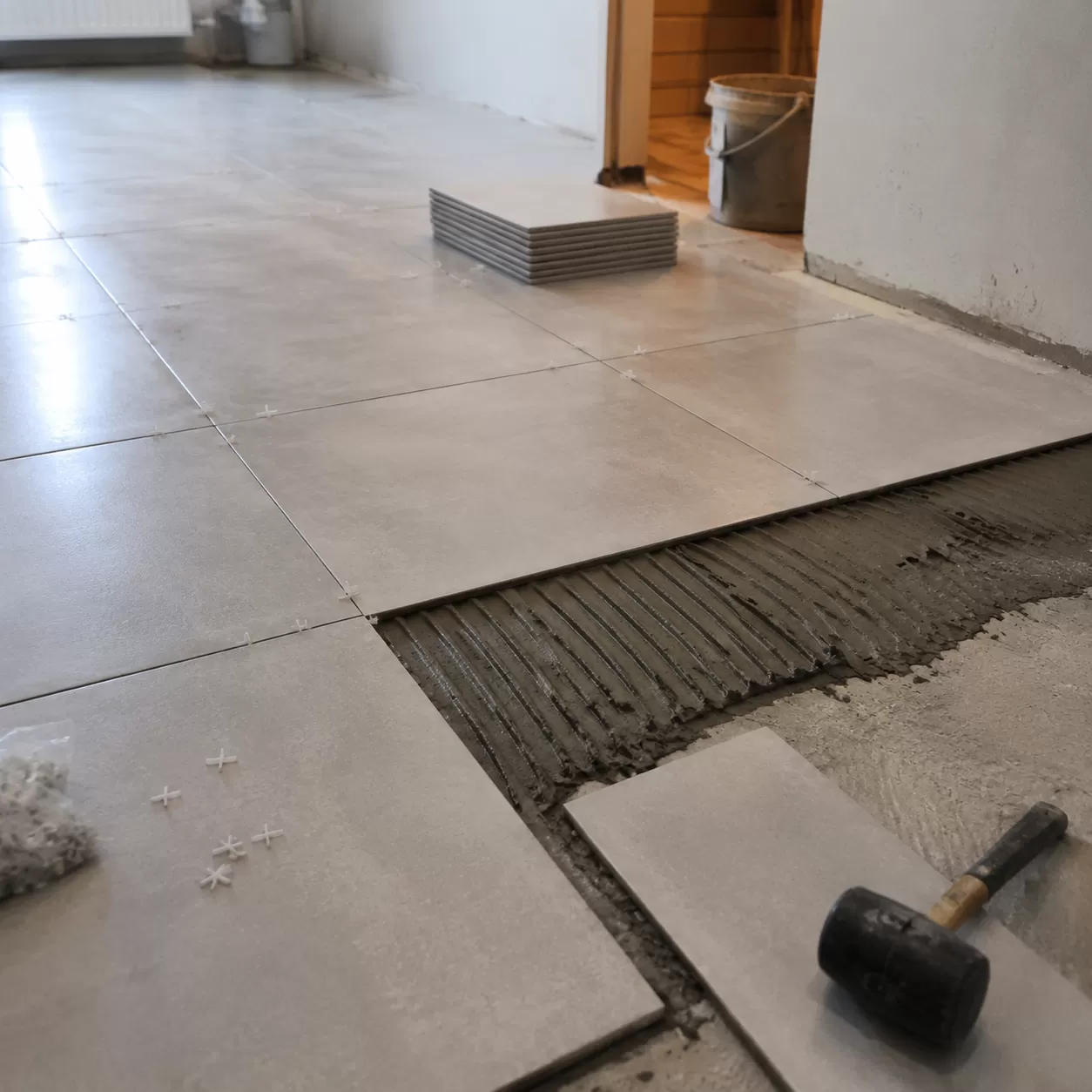
While the advantages of installing porcelain tiles in your house are clear, making the right choice for your home renovation project requires looking at the full picture. Here is what you need to consider before buying.
High Initial Material and Installation Costs
Porcelain is a premium material, and its pricing reflects that quality. Because it is incredibly dense and tough, cutting and laying these tiles requires specialized tools and expertise.
- Higher Upfront Investment: The material cost per square foot is generally higher than standard ceramic or vinyl.
- Specialized Labor: As a porcelain tile manufacture and supplier, we always advise against DIY installation. The density makes it prone to cracking if cut incorrectly, meaning professional installation is a necessity, which adds to the overall budget.
Cold and Hard Surface Properties
The same density that gives porcelain its legendary durability also brings a couple of physical drawbacks.
- Temperature Sensitivity: Porcelain holds the ambient temperature of the room. In cold weather or air-conditioned spaces, it will feel chilly underfoot.
- Zero Flex: It is completely unforgiving. Standing on it for hours can tire your feet, and dropped glassware will almost certainly shatter.
Pro Tip: If you hate cold floors, pair your porcelain tiles with an underfloor radiant heating system during installation. It transforms a cold floor into a cozy luxury.
Slip Risks and Safety Solutions
A smooth, glossy floor looks stunning, but moisture resistance can turn into a slip hazard if you choose the wrong finish for the wrong room.
| Tile Finish | Slip Risk | Best Applied In |
|---|---|---|
| Polished / High-Gloss | High (when wet) | Accent walls, low-traffic areas, formal entryways |
| Matte / Honed | Medium | Kitchens, living rooms, hallways |
| Textured / Anti-Slip | Low | Bathrooms, shower floors, outdoor patios |
To keep your home safe, always check the slip-resistance rating (often called the COF or DCOF rating) before finalizing your purchase, especially for wet areas.
Popular Types of Porcelain Tiles
When considering the advantages of installing porcelain tiles in your house, it helps to know that not all porcelain is created equal. We manufacture and supply a diverse range of tiles tailored to different functional and design needs. Choosing the right type ensures you get the maximum durability and moisture resistance for your specific space.
Glazed Porcelain Tiles
Glazed porcelain features a protective layer of liquid glass or enamel baked onto the tile surface. This layer allows for endless design possibilities, including realistic digital prints.
- Best For: Kitchen backsplashes, bathroom walls, and residential floors.
- Key Advantage: Unmatched stain resistance and an easy-to-clean finish.
- Design Variety: Can mimic natural stone, concrete, or intricate patterns perfectly.
Polished Porcelain Tiles
To create these sleek tiles, we put the unglazed porcelain through a high-tech mechanical polishing process. This gives the surface a brilliant, mirror-like shine without adding a glaze layer.
| Feature | Polished Porcelain Details |
|---|---|
| Aesthetic | High-end, luxury, and spacious feel |
| Light Reflection | Maximizes natural light in living rooms and lobbies |
| Maintenance | Low maintenance, but requires sealing to protect microscopic pores |
Common Unglazed and Textured Tiles
Unglazed porcelain is solid color all the way through, meaning it won’t show wear even if chipped. We often texture these tiles during manufacturing to provide extra grip.
- Slip Resistance: Matte and textured surfaces offer superior traction.
- Heavy Traffic Duty: Perfect for mudrooms, entryways, and outdoor patios.
- Raw Appeal: Offers a rustic, natural stone look that fits modern and industrial home renovation styles.
Porcelain vs. Other Tile Options: How to Choose
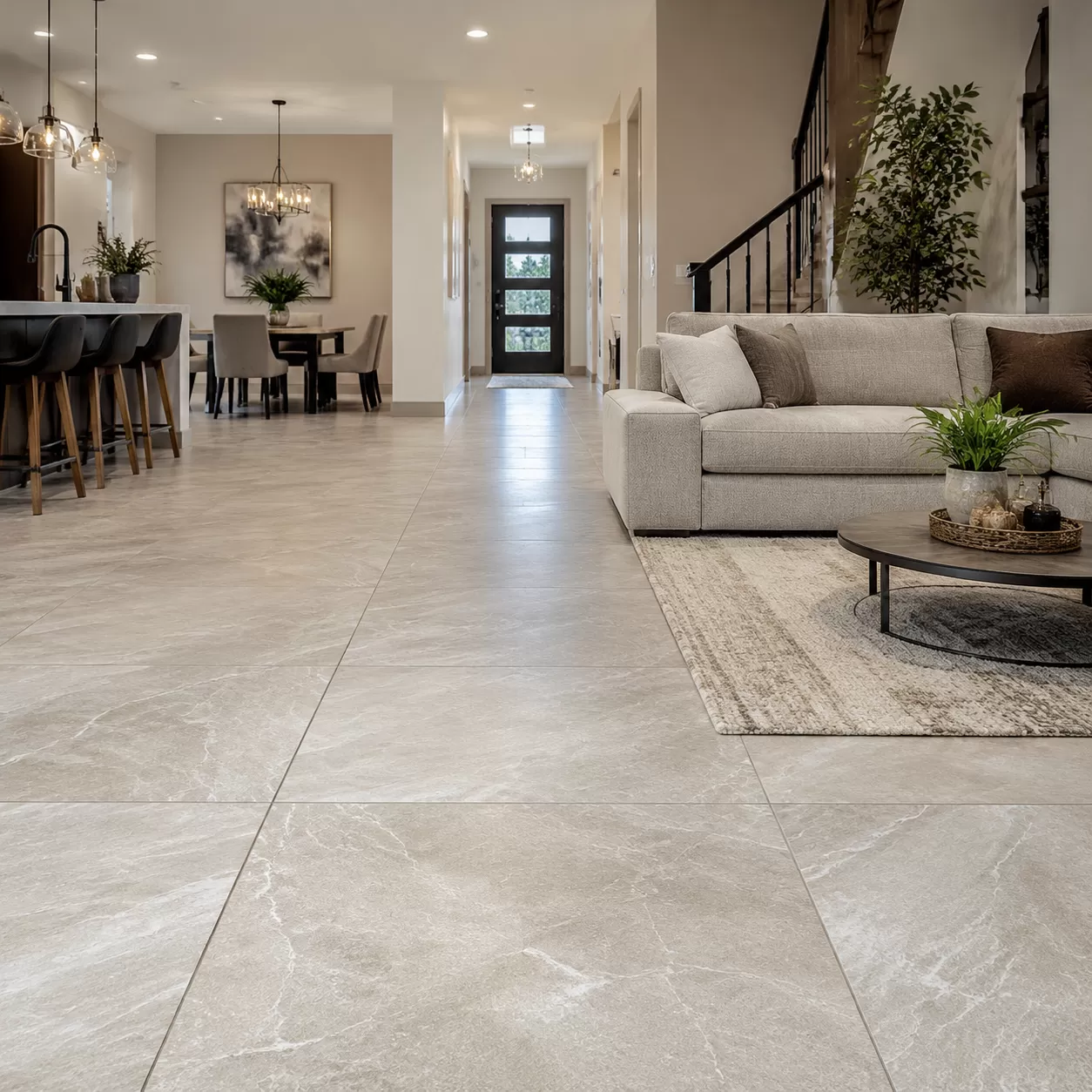
When planning a home renovation, picking the right flooring can feel overwhelming. While there are advantages of installing porcelain tiles in your house, you need to know how they stack up against other popular materials. We specialize as a porcelain tile manufacturer and supplier, and we want to help you make the right choice for your lifestyle and budget.
Here is how porcelain compares to the top three flooring alternatives.
Porcelain vs. Ceramic Tile
While they look similar, the biggest difference lies in their durability and moisture resistance. Porcelain is fired at much higher temperatures than ceramic, making it denser and less porous.
- Water Absorption: Porcelain absorbs less than 0.5% water, making it ideal for showers and outdoor patios. Ceramic absorbs more water and is better suited for dry wall applications.
- Wear Resistance: Porcelain features solid color throughout the tile, meaning scratches won’t show. Ceramic has a glazed surface, so if it chips, the clay color underneath is exposed.
Porcelain vs. Natural Stone
Natural stone like marble or travertine offers a luxury look, but it comes with high-maintenance headaches.
- Maintenance: Natural stone requires regular sealing to prevent stains. Porcelain delivers low maintenance with the exact same look.
- Cost and Care: Stone can scratch and stain easily from acidic liquids. Porcelain resists scratches, acids, and heavy impacts without breaking a sweat.
Porcelain vs. Luxury Vinyl Plank (LVP)
LVP is a popular budget-friendly choice, but it cannot match the lifespan or premium feel of porcelain.
- Lifespan: LVP lasts about 10 to 20 years and can fade in direct sunlight. Porcelain lasts a lifetime and will never fade from UV rays.
- Eco-Friendliness: Porcelain is made from natural clay and contains zero VOCs, ensuring better indoor air quality than plastic-based vinyl.
Quick Comparison Table
| Feature | Porcelain Tile | Ceramic Tile | Natural Stone | Luxury Vinyl Plank (LVP) |
|---|---|---|---|---|
| Durability | Extremely High | Medium | High (but brittle) | Medium |
| Moisture Resistance | Excellent | Moderate | Low (Requires sealing) | High |
| Maintenance | Low | Low | High | Low |
| Lifespan | 50+ Years | 20–30 Years | 50+ Years | 10–20 Years |
| Scratch Resistance | Excellent | Moderate | Low | Moderate |
Installation and Maintenance Guidelines
Installing porcelain tiles requires precision to unlock the full advantages of installing porcelain tiles in your house. Proper setup ensures your investment looks flawless and lasts for decades.
Essential Tools and Subfloor Preparation
A successful project starts with the right gear and a flawless foundation. As a leading porcelain tile manufacturer and supplier, we cannot stress enough that subfloor prep is the most critical step for maximum durability.
- Must-Have Tools: A high-quality wet tile saw with a diamond blade, notched trowels, tile spacers, a rubber mallet, and a leveling system.
- Subfloor Requirements: The surface must be perfectly flat, clean, and structurally sound. Any flex or unevenness in the subfloor will cause the tiles to crack over time.
- Moisture Barriers: For concrete slabs or wet areas, always apply a waterproofing membrane to ensure total moisture resistance from beneath.
Choosing the Right Adhesives and Grouting
Porcelain is incredibly dense, meaning it requires specialized materials to bond correctly during your home renovation.
| Material Type | Recommended Option | Why It Matters |
|---|---|---|
| Tile Adhesive | Polymer-modified thinset mortar | Standard mortar won’t stick to non-porous porcelain. Modified thinset offers the high bond strength needed. |
| Grout | High-performance cement or epoxy grout | Resists stains and cracking, matching the low maintenance nature of the tile itself. |
Why Professional Installation Is Recommended
While DIY is tempting, working with porcelain demands expert skill. It is much harder and heavier than standard ceramic, making it difficult to cut and drill without the right industrial equipment.
Hiring a professional ensures perfectly flat lines, prevents lippage (uneven tile edges), and eliminates costly material waste. Leaving the job to an experienced installer guarantees you get the full aesthetic and structural value out of your premium flooring.