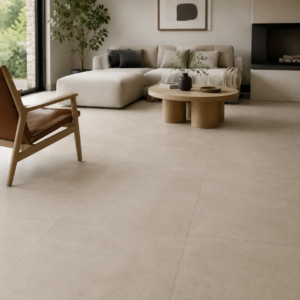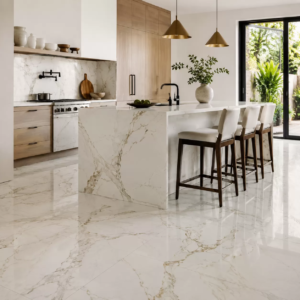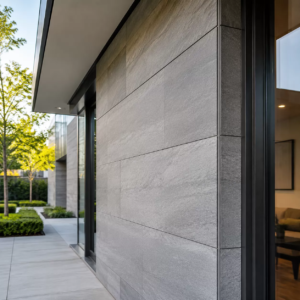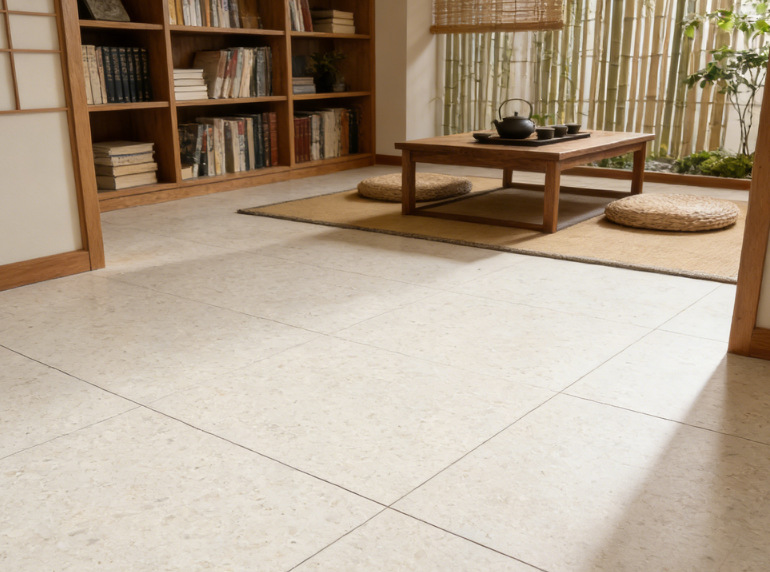
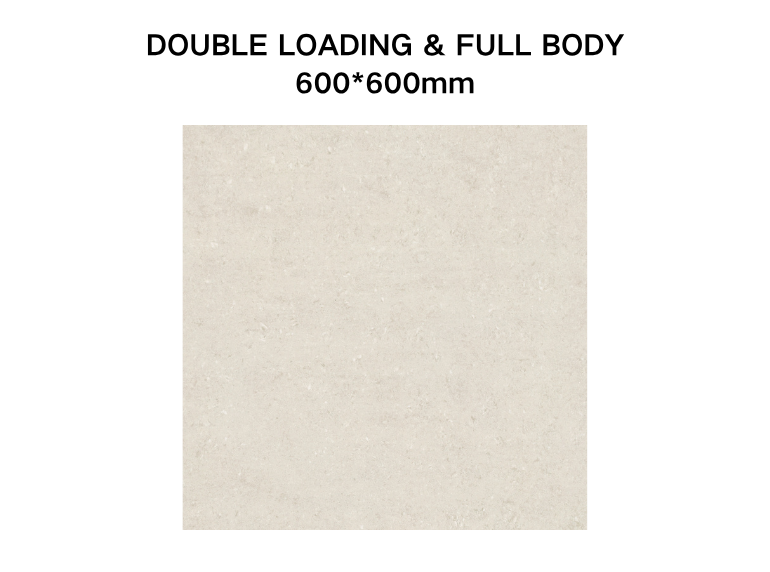
size:600x600mm
pcs/ctn:4pcs/ctn
kg/ctn:26.7kg/ctn
ctn/plt:40ctn/plt
ctn/container:1030ctn/container
Understanding Water Resistance vs. Waterproof in Tile Flooring
Water-Resistant vs. Waterproof: What is the Difference?
In the flooring industry, these terms are often used interchangeably, but they represent distinct levels of protection. Water-resistant tile can withstand topical moisture for a limited time, while waterproof tile is essentially impervious to water penetration, regardless of exposure duration. As a leading manufacturer, we ensure our products meet the highest standards to prevent structural swelling or degradation.
Understanding Water Absorption Rates and Ratings
The efficiency of a tile is measured by its water absorption rate. This is the primary metric used to determine whether a tile is suitable for submerged environments (like pools) or high-moisture areas (like showers).
| Tile Category | Absorption Rate | Best Use Case |
|---|---|---|
| Non-Vitreous | > 7.0% | Indoor wall accents only |
| Semi-Vitreous | 3.0% – 7.0% | Dry indoor living spaces |
| Vitreous | 0.5% – 3.0% | Kitchens and bathrooms |
| Impervious | < 0.5% | Full wet rooms and exteriors |
How Tile Composition and Material Density Affect Water Resistance
The secret to superior water resistance lies in the material density. Our manufacturing process involves firing refined clays at extreme temperatures, a process known as vitrification.
- High Density: Denser tiles have fewer microscopic pores, leaving no room for water to seep in.
- Mineral Composition: We use high-quality feldspar and kaolin to create a glass-like internal structure.
- Pressure: Utilizing high-tonnage presses ensures the body of the tile is compact, enhancing its structural integrity against moisture-induced expansion.
The Benefits of Choosing Water-Resistant Tile Flooring
Investing in high-quality flooring means looking for materials that stand up to daily spills and heavy foot traffic. As a premier Porcelain Tile manufacture and supplier, we design our products to offer maximum protection against moisture while maintaining structural integrity.
Superior Durability and Structural Longevity
Choosing water-resistant tile flooring ensures your surfaces won’t warp, swell, or crack when exposed to moisture. Standard flooring materials often degrade quickly in humid environments, but dense tile compositions retain their strength for decades.
| Feature | Water-Resistant Tile | Standard Flooring |
|---|---|---|
| Lifespan | 20+ years | 5–10 years |
| Moisture Resistance | High to Excellent | Low (prone to warping) |
| Heavy Traffic Wear | Minimal | High |
- High Density: Resists heavy impacts and scratches.
- Long-Term Value: Reduces the need for costly floor replacements.
Protection for Subfloors and Prevention of Water Damage
Liquid spills can easily seep through porous surfaces, destroying the underlying subfloor and creating expensive structural issues. Our specialized tile manufacturing process creates a tight barrier that keeps water on the surface, preventing deep moisture penetration.
- Subfloor Shielding: Stops water from rotting plywood or damaging concrete foundations.
- Stain Prevention: Keeps spills from soaking into the body of the tile.
- Cost Savings: Eliminates the risk of hidden structural repairs caused by slow leaks.
Easy Maintenance and Hygienic Living Environments
Water-resistant surfaces naturally repel dirt, grime, and liquid messes, making them incredibly simple to clean. Because moisture cannot penetrate the tile surface, it creates an unfavorable environment for contaminants to grow.
- Quick Cleanup: Simple wiping or mopping removes stubborn spills.
- Hygienic Surfaces: Low porosity prevents dust, pet dander, and allergens from embedding in the floor.
- Chemical Resistance: Stands up to household cleaners without losing its finish or protective qualities.
Comparing Water-Resistant Tile Materials
When exploring the water resistance of tile flooring, the material you choose makes all the difference. As a premier porcelain tile manufacturer and supplier, we understand how different materials handle moisture. Choosing the right tile ensures long-term durability and protection against water damage.
Porcelain Tile: The Ultimate Choice for Water Resistance
Porcelain tile stands out as the absolute best option for wet environments. Because it is fired at extremely high temperatures, it is incredibly dense and nearly impervious to moisture.
- Absorption Rate: Less than 0.5%, making it highly waterproof.
- Best For: Showers, high-traffic bathrooms, and commercial spaces.
- Our Advantage: As a direct factory supplier, we engineer our porcelain tiles to withstand heavy moisture while maintaining a premium finish.
Ceramic Tile: Cost-Effective Protection for Moderate Moisture
Ceramic tile is a fantastic, budget-friendly alternative for areas that experience light to moderate wetness. It shares a similar clay base with porcelain but is less dense.
- Pros: Highly affordable, easy to cut, and available in endless designs.
- Cons: Higher porosity than porcelain, meaning it requires proper glazing to resist water.
- Best For: Kitchen backsplashes, accent walls, and powder rooms.
Natural Stone Tile: Aesthetic Appeal with Varied Porosity
Natural stone offers unmatched luxury and unique textures, but it behaves differently than engineered clay tiles when exposed to water.
| Stone Type | Porosity Level | Water Resistance | Maintenance Needed |
|---|---|---|---|
| Marble | Medium | Moderate | Regular Sealing |
| Slate | Low-Medium | Good | Periodic Sealing |
| Travertine | High | Low | Frequent Sealing |
Important Note: Unlike porcelain, all natural stone tile is porous. To protect your investment and maintain water resistance, stone must be treated with a high-quality impregnating sealer during installation and reapplied regularly.
The Role of Grout, Sealing, and Professional Installation in Exploring the Water Resistance of Tile Flooring
Why Grout and Proper Sealant Selection Matter
Tile itself might be waterproof, but the gaps between them are vulnerable. As a leading porcelain tile manufacture and supplier, we know that choosing the right grout and sealant is what actually keeps your floors safe. Standard cement-based grout is naturally porous and sucks in moisture like a sponge. To secure true water-resistant tile flooring, you must pair it with high-quality, water-resistant grouts or premium sealants.
- Epoxy Grout: The gold standard for wet areas. It is naturally waterproof, resists stains, and does not require sealing.
- Cementitious Grout: Budget-friendly but requires a high-grade penetrating sealer to keep water out.
Preventing Water Penetration with Regular Grout Sealing
Sealing isn’t a one-and-done job. Over time, daily wear and harsh cleaners degrade the protective barrier, leaving your subfloor exposed to hidden water damage.
To maximize the water resistance of tile flooring, follow this quick maintenance schedule:
- Initial Seal: Apply a deep-penetrating sealer to cement grout lines right after installation.
- Splash Test: Pour a few drops of water on the grout line. If it beads up, you are safe. If it soaks in and darkens the grout, it is time to reseal.
- Routine Maintenance: Reapply sealer every 12 to 18 months in high-moisture zones like showers and kitchens.
The Importance of Flawless Installation in Wet Areas
Even the highest-grade porcelain tile will fail if the installation is sloppy. Proper execution ensures water flows toward the drain rather than pooling in corners or seeping into the walls.
| Key Installation Step | Why It Matters for Water Resistance |
|---|---|
| Subfloor Preparation | Creates a flat, sturdy base to prevent tile cracking and shifting. |
| Waterproof Underlayment | Acts as a final, backup shield to protect structural wood or concrete beneath the tile. |
| Correct Mortar Coverage | Eliminates hollow air pockets under the tile where water can trap and breed mold. |
| Expansion Joints | Allows the floor to naturally expand and contract without cracking the grout lines. |
Best Application Scenarios for Water-Resistant Tile
Transforming Bathrooms into Functional Wet Rooms
Bathrooms face the highest moisture levels in any home, making water-resistant tile flooring an absolute necessity. As a leading porcelain tile manufacturer and supplier, we design our products to handle total water immersion and heavy steam without warping or degrading.
- Shower Enclosures: Eliminates the risk of structural rot behind walls.
- Open Wet Rooms: Seamless floor-to-ceiling tiling allows for curbless showers and easy drainage.
- Vanity Areas: Prevents damage from daily sink splashes and standing puddles.
Managing Spills and Moisture in Modern Kitchens
The kitchen is a high-traffic zone prone to frequent spills, dropped utensils, and plumbing leaks. Standard flooring materials easily stain or buckle under these conditions, but our premium porcelain and ceramic tiles provide a reliable shield.
| Risk Factor | Impact on Low-Quality Floors | Our Tile Solution |
|---|---|---|
| Dropped Liquids | Stains, warping, and mold growth | Zero penetration, effortless wipe-clean surface |
| Heavy Foot Traffic | Scuffs, scratches, and premature wear | High density, scratch-resistant surface finish |
| Appliance Leaks | Subfloor rot from hidden dishwasher leaks | Waterproof barrier that contains pooling water |
Protecting Basements and High-Traffic Mudrooms
Basements and mudrooms are constantly exposed to external moisture, whether from underground humidity or wet footwear. Installing water-resistant tile flooring in these zones ensures long-term protection against the elements.
- Basement Floors: Resists the natural moisture vapor that seeps upward through concrete slabs.
- Mudrooms & Entryways: Easily withstands melting snow, muddy boots, and wet paws tracked in from outdoors.
- Laundry Rooms: Provides a durable, non-porous backup defense against accidental washing machine overflows.
Key Considerations When Choosing Tile Flooring for Wet Areas
When exploring the water resistance of tile flooring, picking the right product involves more than just liking how it looks. For spaces constantly exposed to moisture, you need to balance safety, design, and cost. As a leading porcelain tile manufacturer and supplier, we help global clients navigate these exact choices every day to ensure long-term performance.
Evaluating Slip Resistance and Surface Textures
Wet floors are safety hazards. When selecting tile flooring for bathrooms, kitchens, or entryways, the texture of the tile surface is just as critical as its water resistance.
- Matte and Textured Finishes: These surfaces provide essential traction when wet, significantly reducing slip risks.
- The DCOF Rating: Look for a Dynamic Coefficient of Friction (DCOF) rating of 0.42 or higher for tiles used in level interior spaces expected to get wet.
- Where to use what: Save high-gloss, polished tiles for walls, and stick to slip-resistant textures for residential and commercial floors.
Determining Optimal Tile Size and Layout Designs
Tile size impacts both the visual room dynamics and the physical safety of a wet environment.
- Mosaic Tiles: Excellent for shower floors. Smaller tiles mean more grout lines, which naturally creates a highly slip-resistant surface.
- Large-Format Tiles: Great for bathroom floors and open wet rooms. They create a sleek, modern look with fewer grout lines, meaning less area for potential water seepage and easier cleaning.
- Layout Planning: Standard grid patterns offer clean lines, while offset or herringbone layouts can add structural stability and better drainage slope integration.
Balancing Material Pros, Cons, and Project Budgets
Every project requires balancing performance needs against financial realities. Choosing the right tile material determines the lifespan of your wet area installation.
| Tile Type | Pros | Cons | Budget Impact |
|---|---|---|---|
| Porcelain | Highest water resistance, dense, extremely durable | Harder to cut and install | Mid to High (Best long-term value) |
| Ceramic | Budget-friendly, easy to cut, decent moisture protection | More porous than porcelain | Low to Mid (Cost-effective) |
| Natural Stone | Luxury aesthetic, unique patterns | High porosity, requires frequent sealing | High (Premium investment) |
As a direct factory supplier, we always recommend prioritizing porcelain tile for high-moisture zones because its low absorption rate delivers the best return on investment by preventing costly water damage down the road.
Maintenance Tips to Maximize Tile Water Resistance
Daily Cleaning and Proper Care Practices
Keeping your tile flooring in top shape requires regular upkeep to preserve its protective barrier. As a premier porcelain tile manufacturer and supplier, we recommend avoiding harsh chemicals that degrade grout sealants over time.
- Sweep or Vacuum Regularly: Remove dirt and grit that can abrade the tile surface and weaken the grout joints.
- Use PH-Neutral Cleaners: Damp-mop with mild, neutral cleaners designed specifically for tile and stone.
- Wipe Up Spills Immediately: Do not let standing water puddle on the surface, even when exploring the water resistance of tile flooring.
- Avoid Abrasive Tools: Skip the steel wool and stiff scrub brushes that scratch the tile glaze.
Signs Your Tile Flooring Needs to Be Resealed
Over time, even the most durable installations require a refresh to maintain maximum moisture protection. Watch out for these clear warning signs that your floors need a new coat of sealer.
| Sign of Wear | What It Means | Immediate Action Required |
|---|---|---|
| Grout Darkening | Grout absorbs water instead of shedding it. | Clean thoroughly, dry, and apply a premium sealer. |
| Water Beading Failure | Water sinks into the surface instead of forming beads. | Re-seal the tile and grout lines immediately. |
| Persistent Mildew | Moisture is trapped in porous areas, fueling mold growth. | Deep clean with an antimicrobial solution and reseal. |
| Flaking or Peeling | Old sealant layers are breaking down and failing. | Strip the old sealer and apply a fresh protective coat. |