Are you looking for that timeless stone wall look but dread the project's complexity and cost? You want beauty and durability, but the practical challenges feel overwhelming.
Natural stacked stone panels1 offer authentic, durable beauty with unique textures that can't be replicated. However, their significant weight2, difficult installation3, and limited design flexibility often lead to higher labor costs and longer project timelines, posing challenges for large-scale applications.
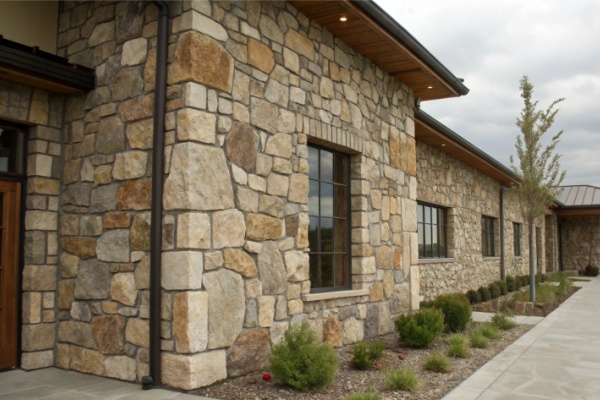
I've been in the building materials industry for years, and I've seen countless clients fall in love with the idea of natural stone. It's classic, strong, and makes a powerful statement. But I've also seen the headaches it can cause for importers and contractors.
The conversation often shifts from "how beautiful is it?" to "how will we actually install this without breaking the budget?". This is a critical point to consider before you commit to a large order. Let's break down the real-world pros and cons you need to know.
Do the Benefits of Natural Stone Outweigh its Drawbacks?
You want a durable, high-end finish4 that lasts a lifetime. But you're worried about the hidden costs and installation nightmares that come with heavy, unforgiving materials like natural stone.
Natural stone is incredibly durable, fire-resistant5, and offers a unique look with every piece. The main drawbacks are its heavy weight, which increases shipping and structural costs, and its difficult, time-consuming installation, especially for non-uniform shapes6 that require expert splicing.
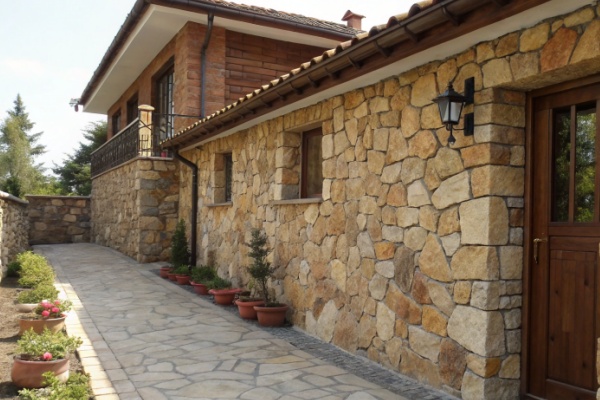
When we talk about natural stone, we're usually looking at two main types: sedimentary sandstones7 and hard slates8. Both are quarried directly from the earth, which is where they get their unique charm and strength.
They don't get dirty easily and can be scrubbed clean countless times. But this raw nature is also their biggest limitation. As a manufacturer, I know that consistency is key for large projects. With natural stone, every piece is different.
This can be a problem. The installation is much harder than with uniform tiles. Except for simple square stones, fitting irregular pieces together is a puzzle that requires skilled, and expensive, labor. This is a major factor for contractors and developers who need to manage budgets and timelines effectively.
| Feature | Advantage | Disadvantage |
|---|---|---|
| Material | Quarried directly from nature; 100% authentic. | Heavy, increasing shipping and structural load costs. |
| Durability | Extremely hard, wear-resistant9, and long-lasting. | Can be brittle during cutting and installation. |
| Aesthetics | Each piece is unique in texture and color. | Lack of uniformity makes large-scale design difficult. |
| Installation | Can be cleaned an unlimited number of times. | Difficult and slow to install, especially non-square shapes. |
| Cost | Can increase property value. | High material cost plus very high labor costs. |
Is Manufactured Stone a Smarter Alternative?
Are you looking for a stone look that's easier to install and more consistent than natural stone? Manufactured stone10 seems like the perfect fix, but you're concerned it might look cheap.
Manufactured stone10 offers more color options and is easier to install because it comes in pre-packaged, uniform kits11. However, it gets dirty easily, is difficult to clean, and can look fake, which may not meet the quality standards for high-end projects.
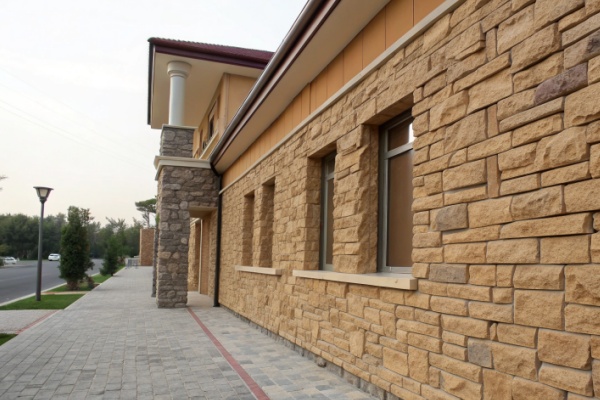
I get why manufactured stone is popular. The idea is great. You get a stone-like appearance, but it's lighter and the installation is much more straightforward. You can even create your own colors. If you don't like the color you bought, you can just paint over it with latex paint.
The problem is in the execution. As a supplier, our clients—brands, distributors, and developers—rely on us for quality. And honestly, the quality of manufactured stone is often not there. Many versions look obviously fake because the manufacturers use a limited number of molds, so you see the same patterns repeating.
They also tend to get dirty and are a pain to clean. For a premium residential or commercial project, a "fake" look can really hurt the final result and the brand's reputation.
Natural vs. Manufactured Stone
- Authenticity: Natural stone is real. Manufactured stone10 is a concrete-based copy. This difference is often visible up close.
- Maintenance: Natural stone is easy to clean. Manufactured stone10 stains easily and cleaning can be difficult without damaging the surface color.
- Long-Term Value: Natural stone holds its look and value for decades. Manufactured stone10 can fade and show its age much more quickly, especially outdoors.
Is There a Superior Option for Stone-Look Walls?
Are you tired of choosing between heavy natural stone and fake-looking manufactured stone? What if you could get an authentic look without the weight, installation issues, or durability concerns?
Yes, there is a better option. MCM Soft Porcelain12, also known as flexible clay tile, provides a stunningly realistic stone appearance. It is incredibly lightweight, flexible, and durable, making it perfect for both new buildings and renovations without the traditional drawbacks.
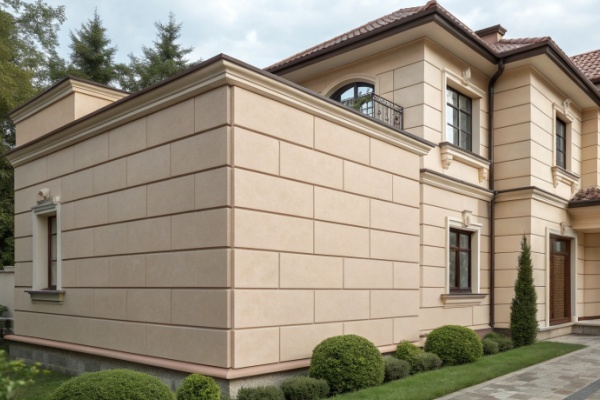
In my professional opinion, if I were choosing a material for an exterior or interior wall project today, I would go with MCM Soft Porcelain12. It solves all the problems we've discussed.
This material is a game-changer for the construction industry. It's made from modified inorganic powder, basically a special kind of clay. It's light, flexible, easy to install, and looks just like real stone. Because it's so thin and light, it's perfect for renovating old buildings. You don't need to add extra structural support, which saves a lot of money and time.
This is the solution that gives you the best of all worlds: the beauty of nature combined with modern technology. It's the product we recommend to our partners who are looking for innovation and efficiency.
Why Soft Porcelain is the Modern Choice
MCM Soft Porcelain12 has several core advantages that make it superior to both natural and manufactured stone for most projects.
-
Incredible Flexibility and Light Weight: The most amazing feature is its flexibility. You can bend it around curved walls and corners without it cracking. It’s also extremely thin (2-4mm) and light (3-6kg/m²). This is about one-fifth the weight of traditional tile. For high-rise buildings or old building renovations, this is a massive advantage. It reduces the load on the building and makes transportation and installation much cheaper and faster.
-
High-Fidelity Appearance and Durability: This material can perfectly replicate the look and feel of natural stone, wood, or brick. The texture is realistic. The colors are made from inorganic minerals, so they are highly resistant to UV rays and won't fade over time. It can handle extreme temperatures and is resistant to acid and corrosion, making it great for coastal areas or industrial environments. It's built to last for decades.
| Feature | Natural Stone | Manufactured Stone | MCM Soft Porcelain12 |
|---|---|---|---|
| Weight | Very Heavy | Heavy | Very Light |
| Flexibility | None | None | Excellent |
| Installation | Difficult, Slow | Moderate | Easy, Fast |
| Realism | 100% Authentic | Can look fake | Highly Realistic |
| Durability | Very High | Moderate | Very High |
| Use Case | Low-rise, new build | DIY, budget projects | High-rise, renovations, curved walls |
Conclusion
For your next project, look beyond traditional options. Flexible clay tiles offer the beauty of stone with superior performance, easier installation, and better long-term value for any large-scale development.
Explore how natural stacked stone panels can enhance the aesthetic and durability of your building projects. ↩
Learn about the impact of heavy materials on shipping and structural costs in construction. ↩
Understand the complexities and labor requirements involved in installing natural stone panels. ↩
Find out why natural stone is valued for its durability and aesthetic appeal in construction. ↩
Learn about the fire-resistant properties of natural stone and its advantages for building safety. ↩
Understand the difficulties and solutions for installing non-uniform shaped stones in construction. ↩
Explore the characteristics and applications of sedimentary sandstones in building projects. ↩
Understand the benefits and uses of hard slates in construction for durability and aesthetics. ↩
Learn why wear resistance is a key factor in choosing natural stone for long-lasting building materials. ↩
Explore the pros and cons of manufactured stone for achieving a stone-like appearance in projects. ↩
Find out how uniform kits can streamline the installation process and reduce labor costs. ↩
Discover the benefits of MCM Soft Porcelain for achieving a realistic stone appearance with ease. ↩