Bathroom Tile Selection Guide for Commercial and Professional Projects
Choosing the right bathroom tiles is a critical decision in commercial and large-scale projects. Beyond aesthetics, tile selection directly impacts safety, durability, maintenance costs, and long-term operational performance.
This guide is designed to help professional buyers make informed decisions when specifying bathroom tiles for commercial, hospitality, and multi-unit projects.
Who This Guide Is For
This article is written specifically for professionals involved in bathroom design, construction, and procurement, including:
- Architects and interior designers
- Contractors and builders
- Real estate developers and project managers
- Hospitality, healthcare, and commercial facility buyers
If you are responsible for material specification, budget control, or long-term performance, this guide is for you.
Why Bathroom Tile Choice Matters in Commercial Environments
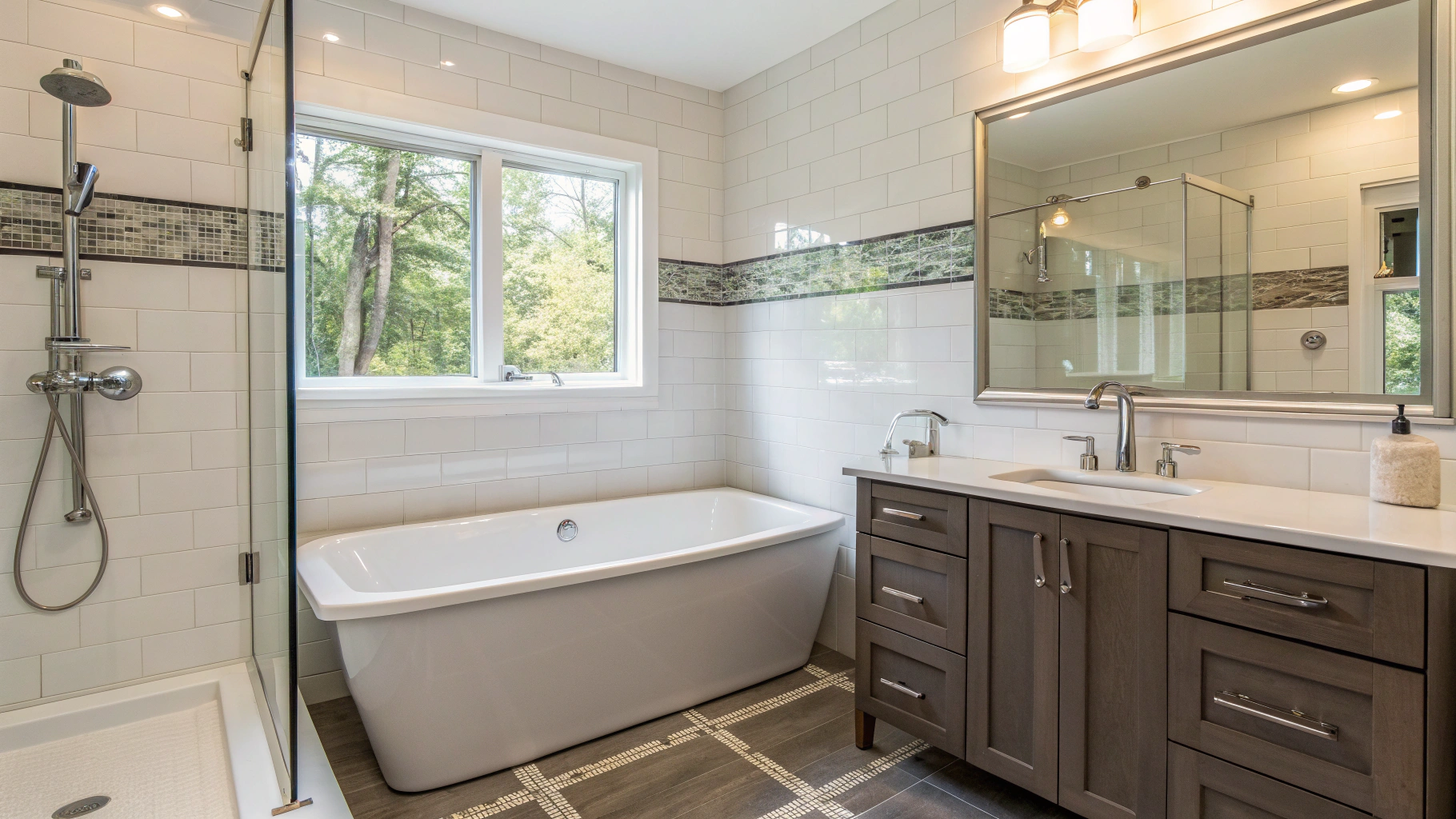
In high-traffic and wet environments, bathroom tiles are not just a design element — they are a functional system. Poor tile selection can lead to safety risks, premature wear, higher maintenance costs, and even project delays.
Key considerations in commercial bathrooms include:
- Moisture resistance1 for continuously wet areas
- Slip resistance to meet safety and compliance requirements
- Durability under heavy daily use
- Ease of cleaning and maintenance to reduce operational costs
Unlike residential bathrooms, commercial spaces demand materials that perform reliably over time.
Bathroom Tile Materials Compared for Professional Use
Different tile materials perform very differently in commercial settings. Understanding these differences helps avoid costly mistakes.
| Material | Typical Use Cases | Advantages | Key Considerations |
|---|---|---|---|
| Porcelain | Hotels, malls, airports | Extremely durable, low water absorption | Higher upfront cost |
| Ceramic | Residential or low-traffic projects | Cost-effective, easy to install | Lower strength and durability |
| Natural Stone2 | Luxury hospitality, premium spaces | High-end appearance | Requires sealing and ongoing maintenance |
| Glass | Accent walls, feature areas | Strong visual impact | Not suitable for floors or heavy use |
For most commercial bathrooms, porcelain tiles are the preferred choice due to their strength, low porosity, and long service life.
Tile Selection by Project Area
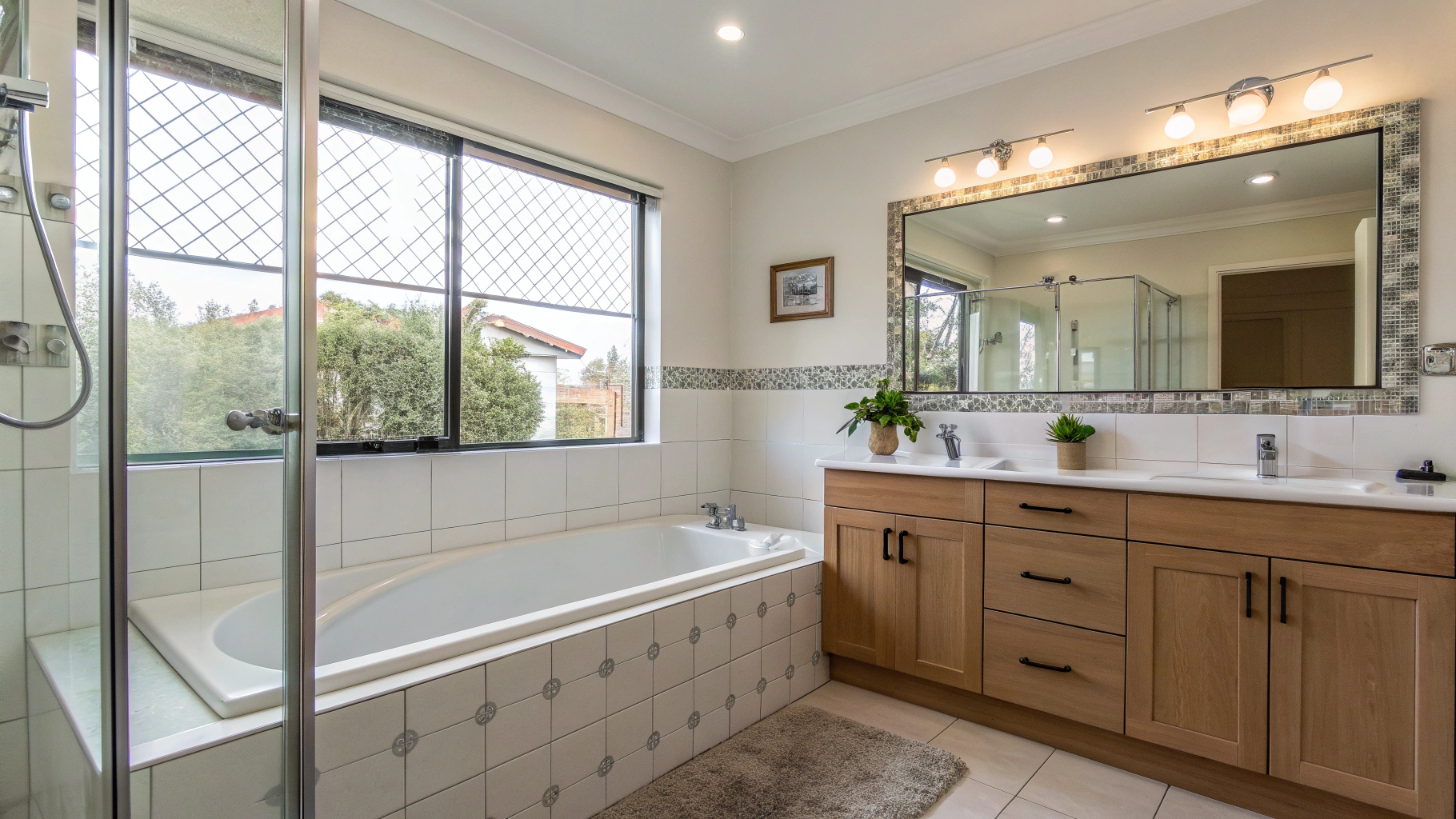
Each area of a bathroom has different performance requirements. Selecting the same tile across all zones can lead to functional issues.
Shower and Wet Areas3
- Low water absorption rate (≤ 0.5%)
- Slip-resistant surface finishes
- Resistance to mold and staining
Bathroom Floors
- Adequate slip resistance for wet conditions
- High wear resistance for continuous foot traffic
- Easy-to-clean surfaces to reduce labor costs
Walls and Feature Areas4
- Greater flexibility in finishes and textures
- Focus on visual impact and brand identity
- Lower structural performance requirements
Small vs. Large Commercial Bathrooms
- Smaller spaces benefit from lighter tones and consistent tile sizing
- Large restrooms require tiles with stable batch consistency for a uniform appearance
Common Mistakes in Large-Scale Bathroom Tile Projects
Many commercial projects encounter avoidable issues due to improper tile selection. Common mistakes include:
- Choosing glossy tiles for wet floor areas, increasing slip risk
- Prioritizing appearance over long-term maintenance requirements
- Selecting products without considering future availability for replacements
- Underestimating lead times for bulk or custom tile orders
Avoiding these issues early in the specification stage can save significant time and cost later.
Key Factors Professional Buyers Should Evaluate
Before finalizing a bathroom tile specification, professional buyers should evaluate the following:
- Technical specifications5 (water absorption, wear rating, slip resistance)
- Compliance with local safety and building standards
- Color and batch consistency for large-volume orders
- Supply stability6 for phased or multi-location projects
- Options for custom sizes, finishes, or OEM/private labeling
A structured evaluation process reduces risk and ensures project consistency.
How to Source Bathroom Tiles for Commercial Projects
Sourcing strategy is just as important as product selection. Commercial buyers typically choose between retail distributors and wholesale or factory-direct suppliers.
Wholesale and factory-direct sourcing7 may offer advantages such as:
- More competitive pricing for large volumes
- Greater control over specifications and customization
- Stable supply for long-term or repeat projects
- Direct communication on production timelines and logistics
For large or recurring commercial projects, working with suppliers who understand professional requirements can significantly improve efficiency.
Final Thoughts
Bathroom tile selection for commercial projects requires a balance between design intent, technical performance, and long-term value. By focusing on material performance, project-specific requirements, and reliable sourcing, professional buyers can reduce risk and deliver bathrooms that perform well throughout their lifecycle.
A well-specified tile solution is not just a finishing detail — it is a strategic decision that impacts safety, maintenance, and overall project success.
Understanding moisture resistance is crucial for selecting tiles that withstand wet conditions, ensuring longevity and safety in commercial bathrooms. ↩
Natural stone provides a luxurious appearance but requires maintenance, making it important to weigh its benefits against upkeep needs. ↩
Selecting the right tiles for wet areas is crucial to prevent mold and staining, ensuring a clean and safe environment. ↩
Tiles for walls and feature areas should focus on aesthetics and brand identity, enhancing the visual appeal of the space. ↩
Evaluating technical specifications ensures that tiles meet performance and safety standards, reducing long-term risks. ↩
Stable supply ensures consistent tile availability, crucial for phased projects and future replacements, avoiding project delays. ↩
Wholesale and factory-direct sourcing can offer cost savings and customization options, enhancing project efficiency and control. ↩