Best Exterior Cinder Block Wall Covering Solutions (Modern, Lightweight & Durable)
Exterior cinder block walls are widely used for their strength, stability, and low construction cost.
However, their plain, industrial appearance1 often becomes a design challenge for residential, commercial, and renovation projects.
Choosing the right exterior wall covering2 can dramatically improve curb appeal, protect the structure, and extend the service life of cinder block walls.
This guide explores the most effective exterior cinder block wall covering solutions, from traditional methods to modern lightweight materials — helping you choose the right option based on performance, aesthetics, and installation efficiency.
Common Problems with Exterior Cinder Block Walls
Before selecting a wall covering, it’s important to understand the typical issues associated with exposed cinder block walls:
- Flat, unfinished, or industrial look
- Rough surface texture
- Limited design flexibility
- Difficult to upgrade without heavy construction
- High labor cost for traditional cladding solutions
An ideal wall covering should enhance appearance without adding excessive weight or complexity.
Traditional Exterior Cinder Block Wall Covering Options
1. Natural Stone Veneer
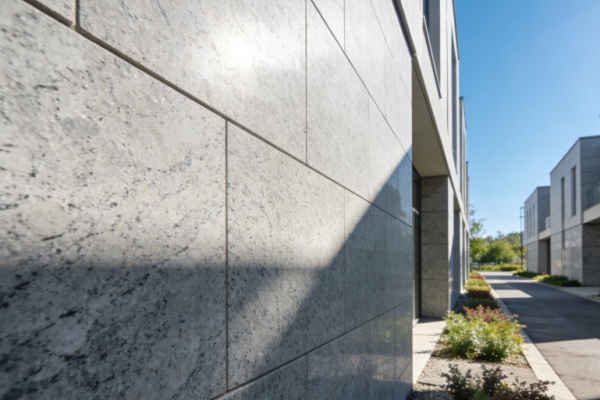
Natural stone veneer offers a timeless and authentic appearance. It is commonly used in high-end residential and landscape projects.
Advantages:
- Genuine stone texture
- Long-term durability
- High perceived value
Limitations:
- Heavy weight
- Thick profile
- Higher installation and transportation cost
- Limited suitability for renovation and curved surfaces
Natural stone veneer is best suited for projects where structure load and budget are not major constraints.
2. Manufactured or Faux Stone Panels
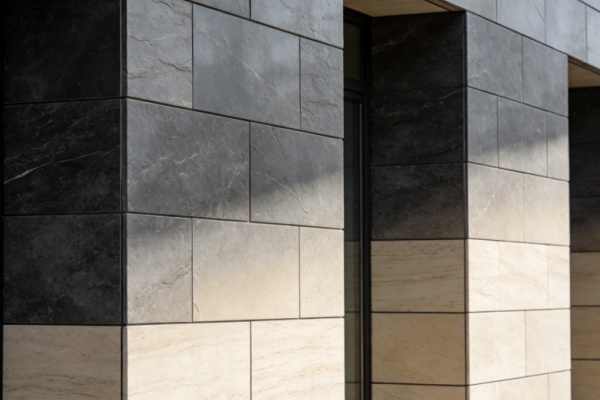
Manufactured stone panels are designed to imitate natural stone using molded concrete or composite materials.
Advantages:
- Lighter than real stone
- Faster installation
- Consistent appearance
Limitations:
- Less natural texture
- Panel joints may be visible
- Still relatively thick and rigid
This option works well for decorative applications but may lack the realism required for premium projects.
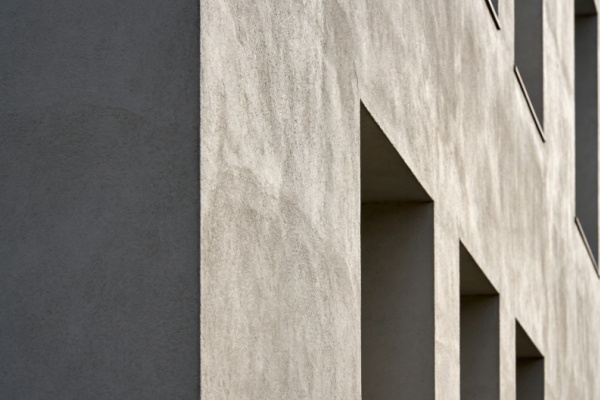
3. Stucco and Render Systems
Stucco is a classic exterior wall finish that provides a seamless and uniform appearance.
Advantages:
- Cost-effective
- Clean and modern look
- Can be painted in various colors
Limitations:
- Prone to cracking
- Requires skilled labor
- Limited texture depth
- Difficult to repair invisibly
Stucco is commonly used on large wall surfaces but offers less visual richness than stone-based finishes.
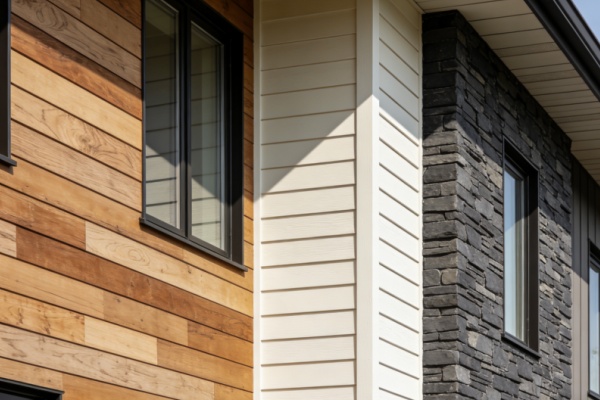
4. Wood, Vinyl, or Composite Panels
These materials add warmth and contrast to exterior walls.
Advantages:
- Decorative appeal
- Variety of styles and colors
- Moderate installation complexity
Limitations:
- Weather resistance varies
- Requires maintenance
- Limited lifespan compared to mineral-based materials
A Modern Alternative: Flexible Stone (Soft Ceramic)
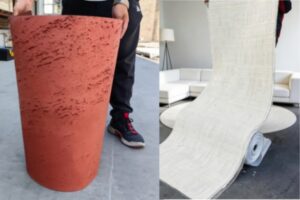
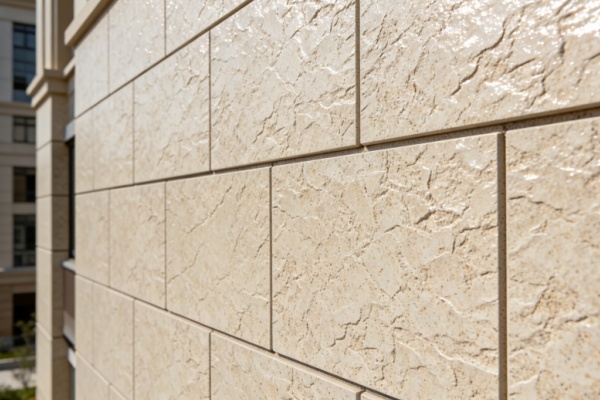
As architectural design evolves toward lightweight systems and efficient installation, a new category of exterior wall covering2 has emerged: Flexible Stone, also known as Soft Ceramic.
What Is Flexible Stone?
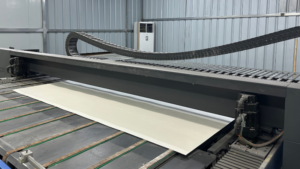
Flexible stone is an innovative exterior cladding material made from:
- Natural stone powder
- High-performance polymer composites
It preserves the natural texture and visual depth of stone, while offering flexibility and ultra-light weight3.
Key Advantages of Flexible Stone for Exterior Cinder Block Walls
- Over 70% lighter than traditional stone
- Ultra-thin profile (1–3 mm)
- Can be bent and wrapped around curved or irregular surfaces
- Easy to cut and adapt on site
- Suitable for renovation projects without removing existing surfaces
- Lower transportation and labor costs
- Ideal for large-scale and export-oriented projects
Flexible stone transforms cinder block walls into stone-like architectural surfaces without the structural and installation limitations of real stone.
Flexible Stone vs Traditional Wall Coverings
| Feature | Natural Stone Veneer | Faux Stone Panels | Stucco | Flexible Stone |
|---|---|---|---|---|
| Weight | Very heavy | Medium | Medium | Ultra-light |
| Thickness | 15–30 mm | 20–40 mm | 10–15 mm | 1–3 mm |
| Flexibility | No | No | Limited | Yes |
| Stone Texture | Excellent | Moderate | Minimal | Excellent |
| Installation Speed | Slow | Medium | Medium | Fast |
| Renovation Friendly | No | Limited | Limited | Yes |
| Export Efficiency | Low | Medium | Medium | High |
Best Applications for Flexible Stone on Cinder Block Walls
Flexible stone is particularly suitable for:
- Exterior building facades
- Commercial and retail projects
- Hotels and hospitality spaces
- Renovation and retrofit projects
- High-rise buildings with weight limitations
- Curved walls, columns, and architectural features
For contractors and developers, flexible stone offers design freedom with predictable installation performance.
Choosing the Right Wall Covering Solution
When selecting an exterior cinder block wall covering, consider:
- Structural load limits
- Project timeline
- Labor availability
- Design complexity
- Long-term maintenance
- Transportation and logistics
Traditional materials still have their place, but modern lightweight cladding systems4 increasingly provide better cost-to-performance ratios.
Why Lightweight Wall Cladding Is the Future
Across residential and commercial construction, the industry is shifting toward materials that are:
- Lighter
- Faster to install
- Easier to transport
- More adaptable to modern designs
Flexible stone (soft ceramic) aligns perfectly with this direction, offering stone aesthetics without stone constraints.
Understanding the challenges can help you choose better design solutions for your projects. ↩
Explore various options to enhance the aesthetics and durability of your cinder block walls. ↩
Understand the benefits of lightweight materials for modern building projects. ↩
Discover how these systems can improve your construction projects in terms of efficiency. ↩