Worried about creating a shower that's slippery, dirty, or outdated? The wrong tile choice can turn your dream bathroom into a daily headache. Let's explore the best finishes.
For the best results, use large-format, light-colored porcelain tiles1. A soft-light (satin) finish2 works great for walls, while a dedicated slip-resistant texture is essential for floors. This combination ensures your shower is safe, bright, easy to clean, and looks incredibly high-end and spacious.
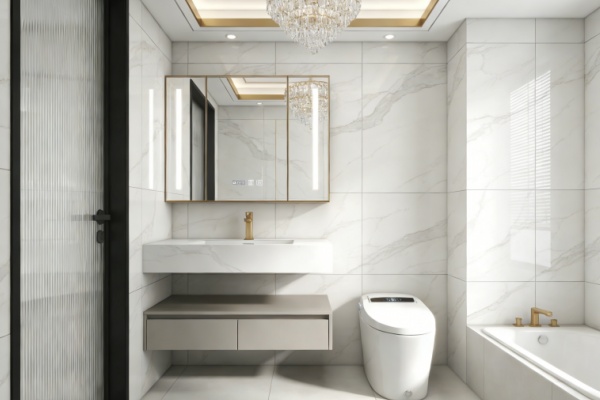
Getting the overall concept right is one thing, but the real magic is in the details. As a tile manufacturer, I've seen firsthand how specific choices in style, maintenance, and safety can make or break a project. These are the details that separate an average bathroom from a truly stunning one. Let’s dive deeper into the key decisions you’ll need to make for your clients or projects.
How do you choose shower tiles for a high-end look?
Ever see a shower that just looks... off? Even with quality materials, the wrong design choices can make a bathroom feel cluttered and cheap. Let's fix that with simple rules.
To achieve a high-end look, choose large-format, light-colored tiles. Use bold patterns sparingly as accents, not for the whole area. Opting for tiles with multiple design variations (multi-face) prevents a repetitive, artificial look and creates a more natural, sophisticated finish.
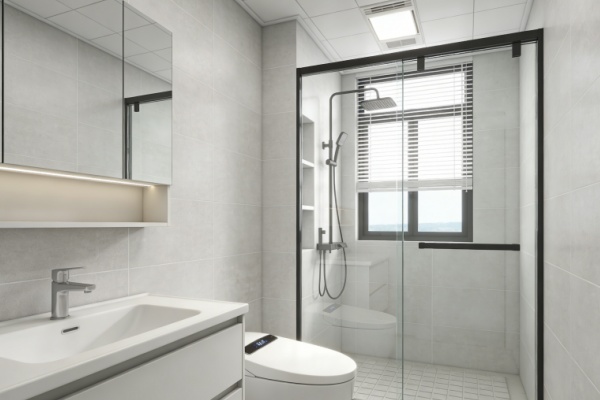
In my experience, a luxurious feel comes from a "less is more" approach. The goal is to create a calm, clean, and spacious environment. Two main factors contribute to this: your choice of color and pattern, and the technical design of the tile itself.
Color and Pattern Choices
The easiest way to make a small bathroom feel bigger and more open is with color. Light-colored tiles, like soft whites, beiges, and light grays, reflect more light and create an airy feel. Dark tiles can feel heavy and make the space seem smaller, often requiring artificial light3 even during the day.
When it comes to patterns, simplicity is key. Solid-color tiles provide a clean, minimalist backdrop that never goes out of style. If you or your client loves decorative tiles4, use them as an accent.
A small area, like a shower niche or a single feature wall, with a beautiful pattern can be a stunning focal point. Covering the entire shower in a busy pattern, however, often looks chaotic and dated.
The Importance of Variation
This is a detail that professionals look for. High-quality porcelain tiles often come with "multi-face" designs. This means that in a single box of tiles, you will find several different variations of the same pattern.
When installed, this variation mimics the natural, random look of real stone. The opposite is a "single-face" tile, where every piece is identical. This results in a noticeable, repeating pattern that can look artificial and cheap.
For any high-end project, insisting on multi-face tiles is a small detail that makes a huge difference in the final result.
| Feature | The High-End Choice | Why It Works |
|---|---|---|
| Color | Light (White, Beige, Gray) | Makes space feel larger and brighter. |
| Pattern | Solid or Subtle Accent | Creates a clean, uncluttered, timeless look. |
| Variation | Multi-Face Design | Looks natural and avoids a repetitive effect. |
What makes shower tiles easy to clean and maintain?
Tired of constantly scrubbing grout lines5 and wiping away water spots? A shower should be a place to relax, not a cleaning chore. Let's choose tiles that work for you.
For easy maintenance, choose large-format tiles6 to reduce grout lines5. A soft-light (satin) finish2 is the best choice,it’s easier to clean than a rough matte finish7 and shows fewer water spots than a high-gloss one. Aligning grout lines5 also contributes to a neater look.
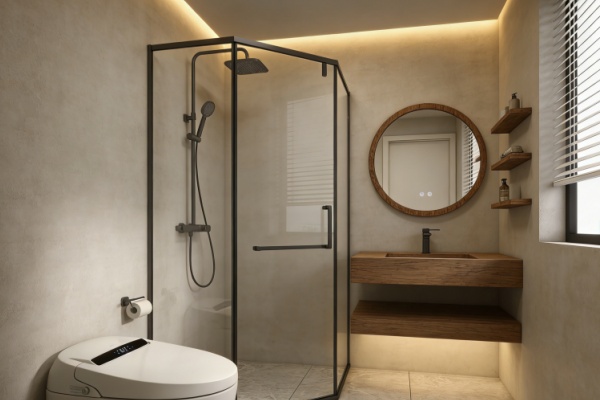
A low-maintenance shower is a top priority for most people. No one wants to spend their weekends scrubbing mold. The secret to an easy-to-clean shower lies in two simple choices: the size of your tile and the finish on its surface.
Reduce Grout, Reduce Grime
Grout lines are the number one spot for mold, mildew, and soap scum to build up. The logic is simple: the fewer grout lines5 you have, the less you have to clean. This is why I always recommend large-format tiles6, such as 400x800mm for shower walls.
They create a more seamless look8 and drastically cut down on the amount of grout. As a final touch, make sure the grout lines5 on the wall align perfectly with the grout lines5 on the floor.
This detail, known as a "stacked" or "grid" layout, creates a sense of order and makes the entire space feel more polished and intentional. Misaligned lines can look messy and unplanned.
The Perfect Finish for Cleaning
The surface of the tile matters just as much. While high-gloss polished tiles look shiny at first, they are a magnet for water spots and fingerprints, and the glare from lighting can be harsh. On the other end, very rough matte tiles can trap dirt and be difficult to wipe clean. The ideal solution is a soft-light, or satin, finish.
This surface is smooth enough to be wiped clean easily but has a low sheen that hides water spots and reduces glare. It’s the perfect balance of practicality and aesthetics, and it’s what we produce for most of our high-end commercial and residential projects. Avoid any tiles with deep grooves or molded textures on the main surfaces, as these are just places for grime to hide.
What are the most important safety features for shower tiles?
A wet shower floor can be dangerously slippery. This is a huge safety concern, especially for families with kids or elderly members. Let's talk about how to build a safer shower.
The two most important safety features are slip resistance for the floor and low water absorption for all tiles.
Always use porcelain tiles with a certified slip-resistant finish for the floor. Also, ensure all tiles have a water absorption rate9 below 0.5% to prevent water damage and mold growth10 inside the walls.
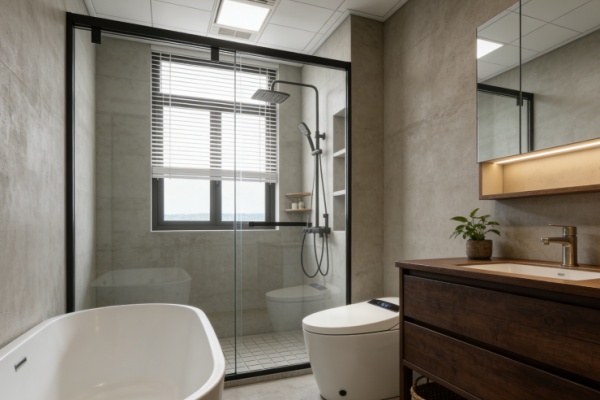
Beyond looks and maintenance, a shower must be safe. As a manufacturer, we focus on two technical specifications that are non-negotiable for any wet area: slip resistance and water absorption.
Getting these right protects both the people using the shower and the structure of the building itself.
Slip Resistance is Non-Negotiable
A standard polished tile becomes like an ice rink when wet. For this reason, you should never use a polished tile on a shower floor. Instead, you must choose a tile specifically designed for wet floors.
These tiles have a textured, slip-resistant finish that provides grip even when soapy and wet. When sourcing tiles, look for a high slip-resistance rating11 (a coefficient of friction above 0.6 is a common standard).
While we recommend large tiles for walls, a slightly smaller format like 300x300mm can be a good choice for shower floors, as the additional grout lines5 can also help with traction. This is the single most important decision for preventing accidents.
The Hidden Danger of Water Absorption
The other critical feature is the tile's water absorption rate9. This tells you how much moisture a tile will soak up. For a shower, you need tiles that are virtually waterproof.
This is why we exclusively manufacture porcelain tiles, which have a dense body and a water absorption rate9 of less than 0.5%. Cheaper ceramic tiles can have much higher rates.
If a tile absorbs water, that moisture can seep through to the wall behind it. Over time, this leads to dampness, dangerous mold growth10, and can even cause structural damage.
It's a hidden problem that can have serious health and financial consequences. Always insist on low-absorption porcelain for every surface in a shower.
| Feature | The Safe Choice | Why It Matters |
|---|---|---|
| Floor Finish | Certified Slip-Resistant | Prevents slips and falls on wet surfaces. |
| Wall/Floor Material | Low-Absorption Porcelain (<0.5%) | Stops water from damaging walls, preventing mold. |
Conclusion
In short, the best shower combines style, safety, and easy maintenance. Use large, light-colored porcelain tiles1 with the right slip-resistant and low-absorption properties for a perfect, lasting result.
Discover the advantages of light-colored tiles in creating a spacious and bright bathroom. ↩
Learn why a satin finish is ideal for both aesthetics and maintenance in shower tiles. ↩
Explore how tile color choices can influence lighting needs and ambiance in your bathroom. ↩
Get tips on incorporating decorative tiles without overwhelming your shower's design. ↩
Learn how minimizing grout lines can simplify cleaning and improve your shower's appearance. ↩
Explore how large-format tiles can enhance your shower's aesthetics and reduce maintenance. ↩
Discover why rough finishes can complicate cleaning and maintenance in showers. ↩
Learn how a seamless look can elevate the elegance and functionality of your shower. ↩
Discover why a low water absorption rate is crucial for preventing mold and damage. ↩
Find out how selecting the right tiles can protect your bathroom from mold issues. ↩
Explore the importance of slip-resistance ratings in choosing safe shower flooring. ↩