Worried a hot pan will crack your kitchen tile? Or that intense sun will ruin your balcony floor? Choosing the wrong tile can lead to costly damage and headaches.
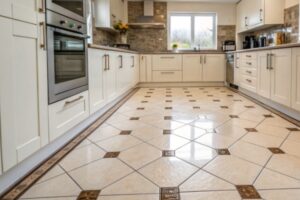
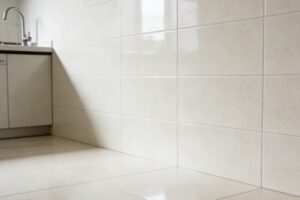
Yes, porcelain tiles1 are highly heat-resistant2. Most are fired at over 1200°C and can easily handle temperatures found in a home, like from a hot pan or direct sunlight. High-quality vitrified tiles offer even greater performance, making them an exceptionally safe and durable choice.
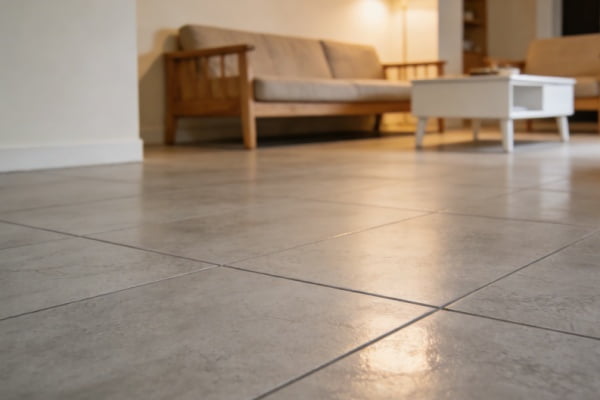
As a porcelain tile manufacturer, I get asked about performance all the time. Heat resistance is a big one, but it's just the start of the story. A tile’s true strength isn’t just about handling one challenge, but about standing up to the specific demands of its environment. It's about choosing the right tool for the job. Let's look at a few common scenarios I encounter with my clients.
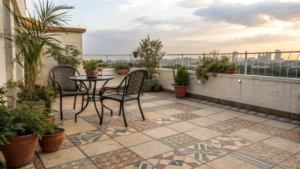
But What About Tiles for an Outdoor Balcony?
Dreaming of a beautiful balcony, but scared of cracked or faded tiles? The mix of sun, rain, and temperature swings can destroy ordinary tiles, ruining your outdoor space.
For balconies, you must use porcelain tiles1 with a water absorption rate3 of 0.5% or less. This prevents them from cracking in freeze-thaw cycles. Also, choose tiles with high slip resistance4 (R10+) and abrasion resistance5 (PEI Class IV) for safety and durability.
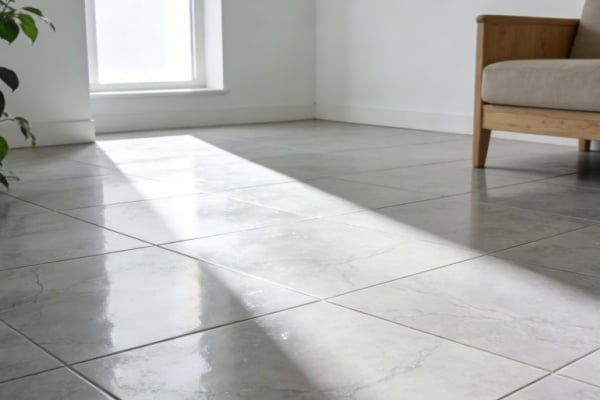
I like to think of a balcony tile as an all-weather endurance athlete. It has to face a gauntlet of challenges every single day. If it fails even one, the entire system can collapse.
The Four Hurdles Your Balcony Tile Must Clear
The first challenge is temperature shock. On a summer day, the tile surface can get hotter than 60°C, then plummet to freezing in the winter.
This rapid expansion and contraction will crack a lesser tile. Second is UV radiation6.
Constant sun exposure can bleach and fade poor-quality glazes, making them look old and worn. Third is the water test. Rain on an open balcony or moisture from drying clothes puts the tile's water resistance to the test.
If water gets in and freezes, it will expand and break the tile from the inside out. Finally, there's abrasion and weight. Moving planters, dragging furniture, and foot traffic demand a hard, scratch-resistant7 surface.
Your Balcony Tile Selection Checklist
When we work with clients on outdoor projects, we have a non-negotiable checklist.
| Feature | Requirement | Why It Matters |
|---|---|---|
| Water Absorption | ≤ 0.5% | This is the "pass/fail" test. It ensures the tile is a true porcelain tile, making it frost-proof8. Anything higher is a risk. |
| Slip Resistance | R10 or higher | Safety is paramount, especially when the surface is wet. Matte or textured finishes are much better than polished ones. |
| Abrasion Resistance | PEI Class IV or higher | This measures how "tough" the surface is. Class IV is rated for heavy residential traffic, ensuring it won't scratch easily. |
And Which Tiles Work Best with Underfloor Heating?
Installing underfloor heating but unsure about the tiles? Choosing the wrong tile can trap heat, reduce efficiency, and even lead to cracks, wasting your entire investment.
For underfloor heating, prioritize tiles with good thermal conductivity9. Large-format porcelain tiles1 are ideal because they have fewer grout lines, ensuring even heat distribution. Always use a flexible tile adhesive10 for installation to maximize heat transfer and prevent cracking.
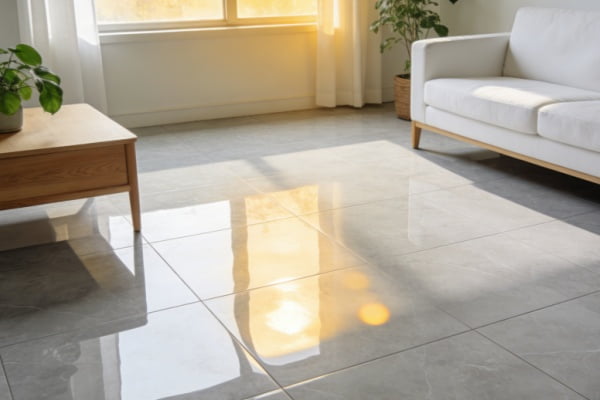
A common mistake I see is people thinking any expensive tile will work. With underfloor heating, it's not about price; it's about physics. You want the heat to move from the system, through the tile, and into your room as efficiently as possible.
It's All About Heat Transfer
The key metric here is thermal conductivity9. Simply put, it measures how quickly a material transfers heat. Porcelain tile is a great choice because its conductivity is naturally good, often better than the concrete slab it's laid on. But the installation is just as important as the tile itself.
We always guide our project partners with a few critical tips to ensure the system performs perfectly and the tiles last a lifetime. These small details make a huge difference in efficiency and longevity.
Pro Tips for a Perfect Heated Floor
-
Go Big on Size: I always recommend using larger format tiles, like 600x600mm or bigger. The reason is simple: fewer grout lines. Grout lines can disrupt the even flow of heat. A floor with big tiles acts more like a single, uniform heating panel.
-
Use the Right Adhesive: Do not use traditional cement mortar. It can easily leave air pockets or hollow spots under the tile. These voids act as insulation, creating cold spots and wasting energy. A flexible tile adhesive10 applied with the thin-set method ensures full contact and excellent heat transfer.
-
Warm It Up Slowly: After the installation, you have to "cure" the floor. The first time you turn on the heat, do it gradually. I tell my clients to increase the temperature by no more than 5°C per day. A sudden blast of high heat can cause thermal shock and crack even the best tiles.
Beyond Heat, Are Porcelain Tiles Truly a Durable Choice?
Tired of materials that scratch, stain, or warp easily? Replacing floors and walls is a huge hassle and expense. You need a solution that looks great and lasts for decades.
Absolutely. High-quality porcelain tiles1 are one of the most durable materials available.
They are extremely hard and wear-resistant, completely waterproof for wet areas, and inherently fireproof, adding a critical layer of safety to any project.
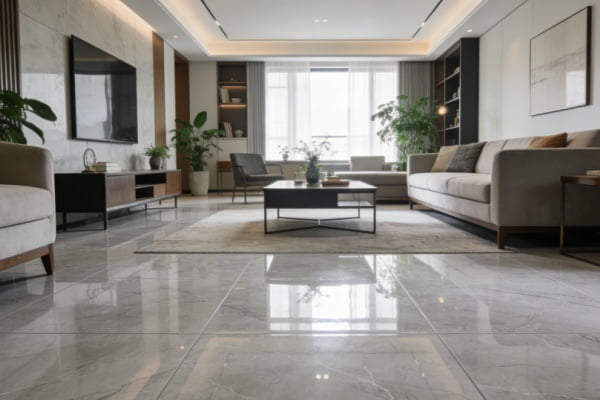
When we supply tiles for large commercial projects11—like hotels or shopping malls—durability is the number one conversation.
These spaces see incredible amounts of traffic, and the materials have to perform. Porcelain tile consistently comes out on top because it delivers on three essential fronts.
The Three Pillars of Tile Durability
I explain it to my partners as a simple three-point advantage. First, wear and tear12.
Porcelain is fired at extreme temperatures, making it incredibly dense and hard. This gives it a high resistance to scratches, scuffs, and general wear. It doesn't dent like wood or tear like vinyl. Second, water and moisture. With a water absorption rate3 below 0.5%, porcelain is functionally waterproof.
It won't swell, warp, or grow mold, making it the default choice for bathrooms, kitchens, and basements. Third, fire safety13. As an inorganic material, tile simply does not burn. In a fire, it won't ignite or release toxic fumes, providing an invaluable layer of passive safety.
| Feature | Porcelain Tile | Hardwood | Luxury Vinyl (LVP) |
|---|---|---|---|
| Wear Resistance | Excellent (Hard, scratch-resistant7) | Fair (Can dent and scratch) | Good (Can scratch/gouge) |
| Water Resistance | Excellent (Waterproof) | Poor (Will warp and stain) | Excellent (Waterproof) |
| Fire Resistance | Excellent (Will not burn) | Poor (Combustible) | Poor (Can melt, releases fumes) |
Conclusion
In summary, porcelain tiles1 offer excellent heat resistance and overall durability.
By choosing the right type for your specific need—be it a balcony, heated floor, or kitchen—you ensure a long-lasting, safe, and beautiful finish.
Explore the advantages of porcelain tiles, including durability and heat resistance, to make an informed choice for your home. ↩
Learn about the heat resistance of porcelain tiles and how they compare to other flooring options for your home. ↩
Understanding water absorption rates is crucial for selecting tiles that withstand outdoor conditions and prevent damage. ↩
Discover the significance of slip resistance in tiles to ensure safety, especially in wet areas like balconies. ↩
Learn about abrasion resistance ratings and why they matter for the longevity of your flooring. ↩
Learn about the impact of UV radiation on tiles and how to choose UV-resistant options for outdoor spaces. ↩
Explore the features that contribute to the scratch resistance of porcelain tiles, ideal for high-traffic areas. ↩
Learn about the characteristics that make tiles frost-proof, ensuring they withstand harsh winter conditions. ↩
Understanding thermal conductivity helps you choose the right tiles for underfloor heating systems. ↩
Explore the benefits of using flexible tile adhesive to enhance heat transfer and prevent cracking. ↩
Find out which tiles are best suited for commercial spaces, focusing on durability and maintenance. ↩
Understand the durability of porcelain tiles against wear and tear, ensuring a long-lasting investment. ↩
Discover how porcelain tiles enhance fire safety, making them a smart choice for any building project. ↩