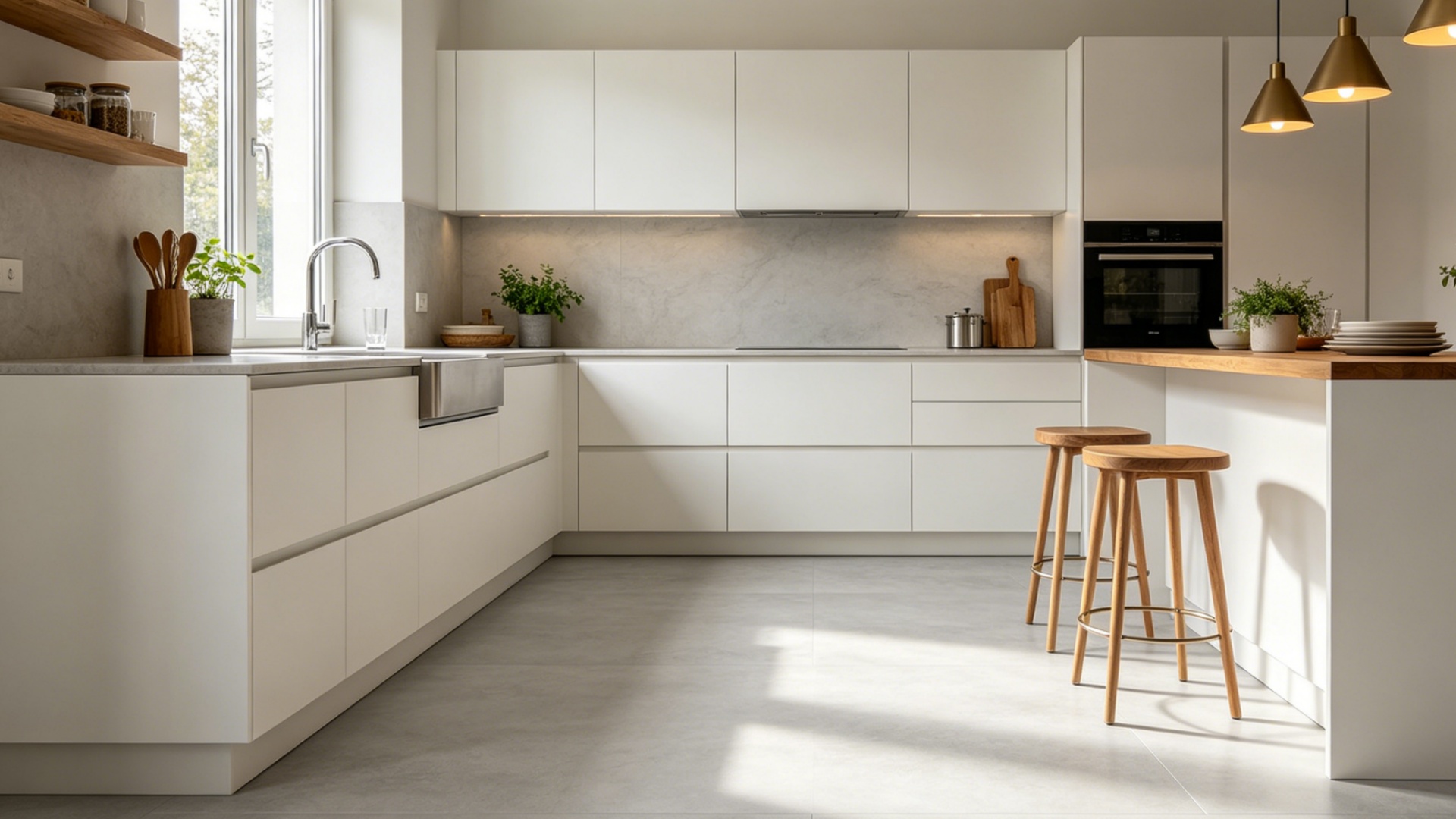
Do Porcelain Floor Tiles Crack Easily? An Overview
When investing in premium flooring, a critical question always arises: do porcelain floor tiles crack easily? The definitive answer is no. Porcelain is engineered specifically for resilience and long-lasting performance. As a trusted porcelain tile manufacture and supplier, we understand that high-quality porcelain provides exceptional chip resistance and structural stability. While no flooring material is completely immune to damage from severe structural shifts or extreme blunt force, porcelain stands as one of the most durable and crack-resistant paving options available on the global market today.
Understanding Porcelain Material Density and Strength
The unmatched durability of porcelain stems directly from its unique composition and manufacturing process. Porcelain tiles are crafted from highly refined, purified clay and fired at extreme temperatures. This rigorous process fundamentally changes the material, creating a flooring solution built for longevity.
Key factors contributing to porcelain’s strength include:
- Ultra-High Firing Temperatures: Firing at temperatures up to 2,500°F creates a solid, glass-like matrix.
- Exceptional Density: A tightly packed molecular structure prevents internal weaknesses.
- Low Water Absorption: With an absorption rate of less than 0.5%, porcelain resists moisture-induced expansion and cracking.
- High Chip Resistance: The dense body withstands impacts from dropped objects far better than standard flooring materials.
Porcelain vs. Ceramic: Which Is More Prone to Cracking?
Though visually similar, porcelain and standard ceramic tiles perform very differently under physical stress. Because standard ceramic is made from coarser clay and fired at lower temperatures, it retains a softer, more porous core. This inherent softness makes ceramic significantly more prone to cracking, chipping, and surface wear over time.
Quick Comparison:
- Porcelain: High density, superior impact resistance, ideal for heavy residential and commercial traffic.
- Ceramic: Moderate density, lower impact resistance, best suited for walls or light-traffic residential areas.
For environments that demand maximum structural integrity and minimal maintenance, porcelain is the superior, crack-resistant choice.
The Role of PEI Ratings in Determining Durability
To guarantee your flooring withstands daily wear without cracking, you must consult the Porcelain Enamel Institute (PEI) rating. This standardized scale measures a tile’s surface enamel resistance to abrasion and overall durability, serving as a vital metric in any professional installation guide.
The PEI Rating Scale:
- PEI 1 & 2: Light traffic. Best reserved for wall applications or low-use bathrooms.
- PEI 3: Moderate traffic. Ideal for standard residential living spaces and kitchens.
- PEI 4: Heavy traffic. Engineered for busy homes and light commercial environments.
- PEI 5: Extra heavy traffic. Built for demanding commercial spaces, offering the highest level of crack and scratch resistance.
Selecting a porcelain tile with a PEI rating that matches your environment’s foot traffic is the most effective way to prevent premature wear and surface cracking.
Top Reasons Why Porcelain Tiles Might Crack or Chip
While we manufacture porcelain tiles to be incredibly tough, they aren’t indestructible. If you see a crack, it’s rarely a fault with the tile itself; usually, it’s something happening underneath or during the setup. Understanding these triggers helps you protect your investment and ensure your floor lasts for decades.
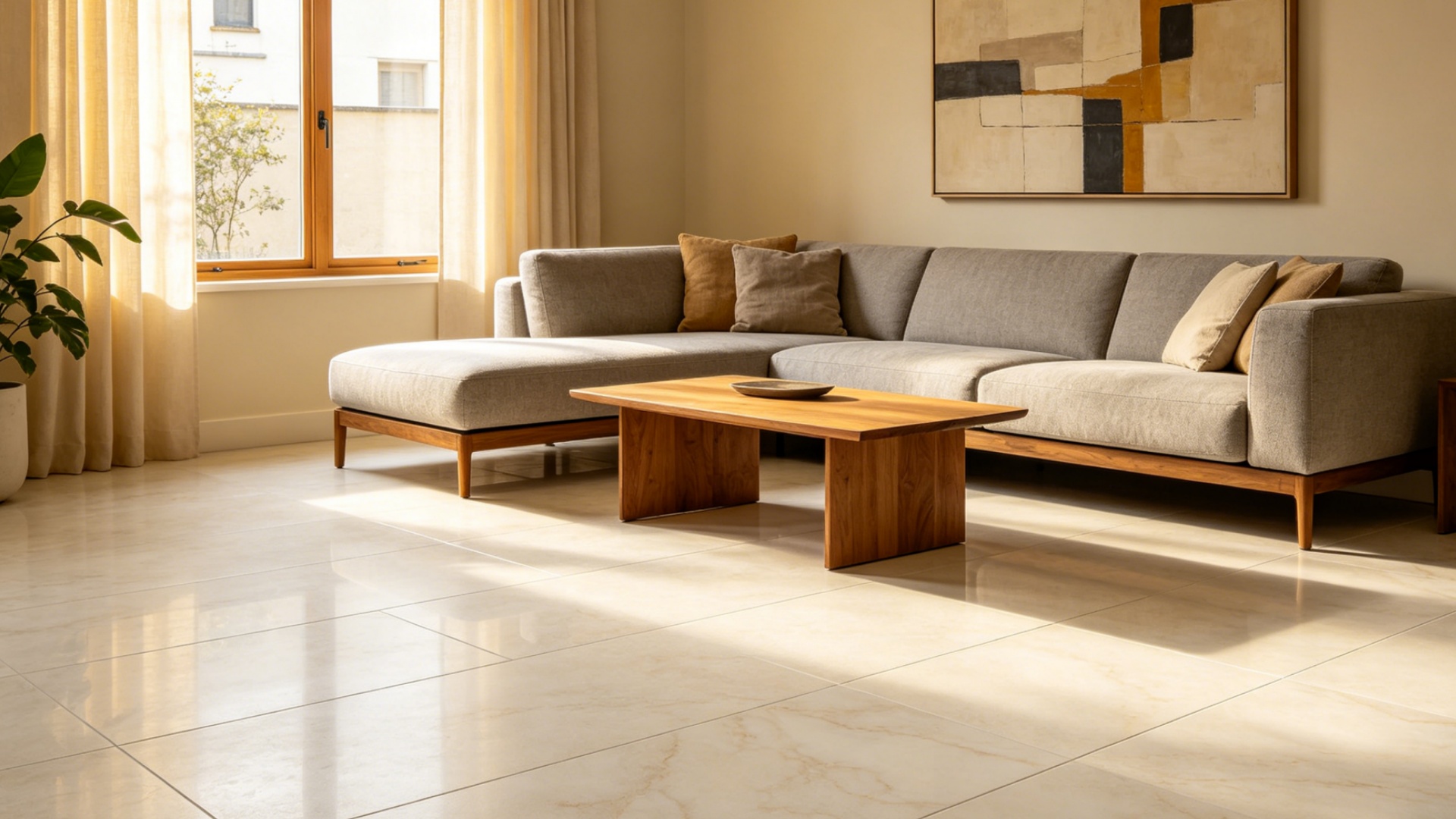
Improper Subfloor Preparation and Lateral Movement
The most common reason porcelain tiles crack is a weak or unstable subfloor. Porcelain is rigid, meaning it doesn’t bend. If the wooden joists underneath flex too much or the concrete slab shifts, the tile is forced to move with it. Since the tile can’t stretch, it snaps.
- Deflection: Too much “bounce” in a plywood subfloor.
- Settling: New concrete slabs shrinking or shifting over time.
- Lateral Movement: Horizontal shifts in the foundation that pull the tile apart.
Installation Errors and Inadequate Adhesive Coverage
As a supplier, we often see issues stemming from “spot bonding” or poor trowel technique. If there are hollow gaps behind the tile, those spots become weak points.
- The 80/95 Rule: For indoor tiles, you need at least 80% mortar coverage; for outdoors or wet areas, it should be 95% to 100%.
- Hollow Spots: If you drop something on a section of tile with no mortar underneath, it will shatter or chip instantly.
- Dried Mortar: If the adhesive skins over before the tile is set, it won’t bond correctly, leading to “tenting” or cracking.
Extreme Thermal Expansion and Contraction
Materials expand when they get hot and shrink when they get cold. Porcelain has a very low expansion rate, but the house around it moves more significantly. Without proper expansion joints, the tiles will eventually press against each other or the walls until they buckle or crack.
- Sunlight Exposure: Large glass doors heating up specific floor sections.
- Underfloor Heating: Rapid temperature changes can stress the bond if the right flexible adhesive isn’t used.
- Perimeter Gaps: Forgetting to leave a small gap at the edge of the room hidden by baseboards.
Accidental High-Impact and Excessive Heavy Loads
Porcelain has excellent chip resistance against everyday foot traffic, but it has limits.
- Point Loads: Dropping a heavy cast-iron skillet or a hammer can crack even the densest porcelain.
- Static Weight: Placing extremely heavy machinery or oversized appliances on a floor not rated for that specific weight.
- Sharp Impacts: While a flat heavy object might not cause damage, a sharp, heavy object concentrates all the force into one tiny point, causing a fracture.
| Cause of Cracking | Prevention Method |
|---|---|
| Subfloor Flex | Use a thicker subfloor or cement backer board. |
| Poor Adhesion | Ensure full mortar coverage with back-buttering. |
| Temperature Shifts | Install expansion joints every 20-25 feet. |
| Impact Damage | Choose tiles with a high PEI rating for high-risk areas. |
The Pros and Cons of Porcelain Flooring Durability
When people ask, do porcelain floor tiles crack easily, the answer lies in understanding the exact strengths and weaknesses of the material. As a porcelain tile manufacturer and supplier, we believe in total transparency regarding the durability of our products. Here is a breakdown of what makes porcelain great and where it falls short.
Advantages: Water Resistance and Long-Term Longevity
Porcelain is fired at extremely high temperatures, resulting in a dense, nearly waterproof material.
- Moisture barrier: With a water absorption rate of less than 0.5%, it easily handles spills, humidity, and standing water.
- Decades of use: When properly maintained, a porcelain floor will outlast most other flooring options in your home or commercial space.
Advantages: Resistance to Scratches and Everyday Wear
The dense composition provides exceptional surface strength, making it ideal for busy environments.
- High traffic ready: It effortlessly withstands daily foot traffic without showing wear paths.
- Pet and furniture friendly: The hard surface offers excellent defense against pet claws and sliding chairs.
Disadvantages: Brittleness and Difficulty of Repair
The extreme hardness of porcelain comes with a specific tradeoff: brittleness.
- Impact risks: While it has good general chip resistance, dropping heavy, blunt objects like a cast-iron pan or a heavy tool directly onto the floor can cause localized cracking or chipping.
- Tough repairs: Fixing a cracked tile is not a simple DIY patch job. It requires grinding out the surrounding grout, carefully chiseling out the broken piece, and replacing it without damaging the adjacent tiles.
Disadvantages: High Initial Cost and Professional Installation Requirements
Porcelain is an investment, both in materials and labor.
- Upfront expenses: The manufacturing process makes porcelain more expensive than standard ceramic or vinyl.
- Expert labor needed: Because the material is exceptionally hard and brittle before being set, cutting it requires specialized wet saws. Following a strict installation guide and ensuring a perfectly level subfloor is mandatory, which means hiring an experienced professional is necessary to prevent future cracking.
Quick Durability Overview
| Feature | The Pros | The Cons |
|---|---|---|
| Moisture | Impervious to water damage | None |
| Wear & Tear | Highly scratch and stain resistant | Brittle under heavy, direct impacts |
| Maintenance | Very easy to clean daily | Extremely difficult to repair if cracked |
| Installation | Offers excellent long-term value | High initial cost and requires professional installers |
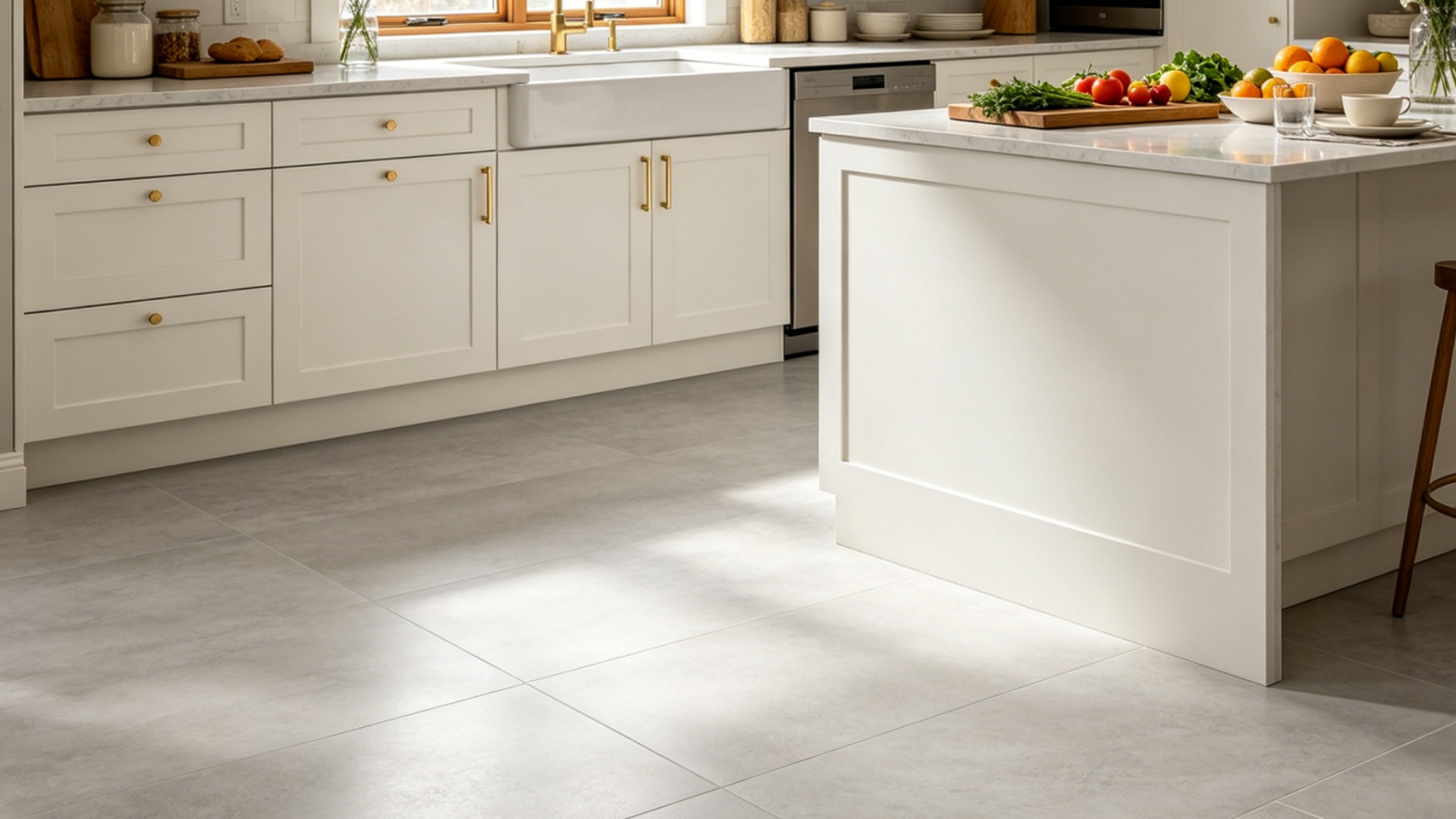
How to Prevent Cracks in Your Porcelain Floor
People often ask us, do porcelain floor tiles crack easily? The truth is, they rarely do if you set them up for success. Because we are a porcelain tile manufacture and supplier, we know firsthand that preventing damage comes down to proper material selection and flawless execution.
Choosing the Correct Tile Thickness for Your Space
Tile thickness directly impacts durability. Matching the tile to the room’s purpose is your first line of defense against cracking.
- Residential Indoors: Standard 8mm to 10mm tiles are perfectly suited for living rooms, kitchens, and bathrooms.
- Commercial & Heavy Loads: High-traffic areas or garages require thicker profiles, typically 12mm or more.
- Outdoor Spaces: Always opt for 20mm pavers to handle weather extremes and heavy outdoor furniture.
The Importance of Anti-Fracture Membranes and Underlayment
Your subfloor will naturally expand, contract, and shift over time. If your rigid porcelain is bonded directly to a shifting surface, the stress will transfer to the tile and cause fractures.
- Anti-fracture membranes: These flexible layers sit between the subfloor and the tile, absorbing lateral movement and preventing subfloor cracks from telegraphing up to the surface.
- Rigid underlayment: A perfectly flat, stable base is non-negotiable, especially when installing over wooden subfloors that tend to flex.
Best Practices During the Installation Process
A reliable installation guide always emphasizes one critical factor: mortar coverage. Hollow spots under the tile are the leading cause of structural failure.
- Back-buttering: Always apply thin-set mortar to both the subfloor and the back of the tile.
- Maximum coverage: Aim for at least 85% mortar coverage in dry indoor areas, and 95% in wet rooms or heavy-traffic zones.
- Expansion joints: Leave adequate gaps around the perimeter of the room to accommodate natural thermal expansion and contraction.
Post-Installation Care and Maintenance Tips
Once properly installed, porcelain offers incredible chip resistance and longevity. A few simple habits will keep your floors looking pristine for decades.
- Respect the curing time: Never walk on newly laid floors or move furniture back in until the mortar and grout have fully cured (typically 48 to 72 hours).
- Use furniture protectors: Apply heavy-duty felt pads under the legs of heavy tables, sofas, and chairs to distribute weight evenly and prevent point-load stress.
- Mind heavy impacts: While the material is incredibly tough, dropping heavy, blunt objects like cast iron pans or metal tools from a height can still cause localized chipping.
Comparing Cracking Risks: Porcelain vs. Other Materials
When you look at the market, you’ll find that porcelain is often the benchmark for durability. However, how it stacks up against other popular materials depends on the environment and the specific stress it faces. As a porcelain tile manufacturer, we see firsthand how our products outperform traditional options in terms of structural integrity and long-term wear.
Porcelain vs. Natural Stone Paving
Natural stone, such as marble, travertine, or slate, is beautiful but inherently unpredictable. Because it is harvested from the earth, it often contains natural fissures and veins that act as built-in breaking points.
- Structural Uniformity: Porcelain is engineered to be consistent. There are no hidden air pockets or weak veins.
- Density: Porcelain is denser than most natural stones, meaning it resists the “freeze-thaw” cycle that often causes stone pavers to flake or crack in cold climates.
- Maintenance: Stone requires regular sealing to prevent water from seeping in and weakening the slab; porcelain does not.
Porcelain vs. Concrete and Hardwood Flooring
Concrete and hardwood are common, but they fail in ways porcelain doesn’t. Concrete is prone to shrinkage cracks and settlement issues, while hardwood is soft and vulnerable to the environment.
- Stability: Hardwood expands and contracts with humidity, which can lead to warping. Porcelain stays dimensionally stable regardless of moisture levels.
- Impact Resistance: While concrete is tough, it is porous. Once a crack starts in concrete, it usually travels across the entire slab. Porcelain tiles are individual units; if one breaks due to extreme force, you only replace that specific tile.
- Hardness: On the Mohs scale, porcelain is significantly harder than wood, making it much more difficult to scratch or dent with heavy furniture.
Outdoor Porcelain Pavers vs. Indoor Floor Tiles
The risk of cracking often comes down to choosing the wrong thickness for the job. We produce different specifications for a reason:
- Indoor Tiles (8mm-10mm): These are designed for weight distribution over a solid subfloor. They are incredibly strong for walking but aren’t meant for heavy machinery or outdoor elements.
- Outdoor Pavers (20mm+): These are the heavy hitters. At double the thickness, they can be dry-laid on gravel or sand. They are specifically designed to handle heavy loads and thermal shock without cracking.
- The Key Difference: Most “cracking” complaints happen when thin indoor tiles are used in outdoor settings where they can’t handle the temperature swings or subfloor movement.
Is Porcelain Flooring Right for Your Project?
When customers ask us, “Do porcelain floor tiles crack easily?”, our answer always comes down to how and where you plan to use them. As a porcelain tile manufacturer and supplier, we see firsthand how matching the right tile to the right environment guarantees long-term success. Porcelain is a premium investment, and confirming it fits your specific project is the most important step in your planning process.
Best Use Cases for High-Traffic Areas
Porcelain is engineered for heavy use. Thanks to its incredible density and overall durability, it thrives in spaces where softer materials quickly wear down.
- Commercial spaces: Retail stores, restaurants, and office lobbies benefit from its high wear resistance.
- Busy entryways: Mudrooms and main hallways handle constant foot traffic, dirt, and grit without scuffing.
- Active homes: It easily withstands the daily grind of large families and heavy pets.
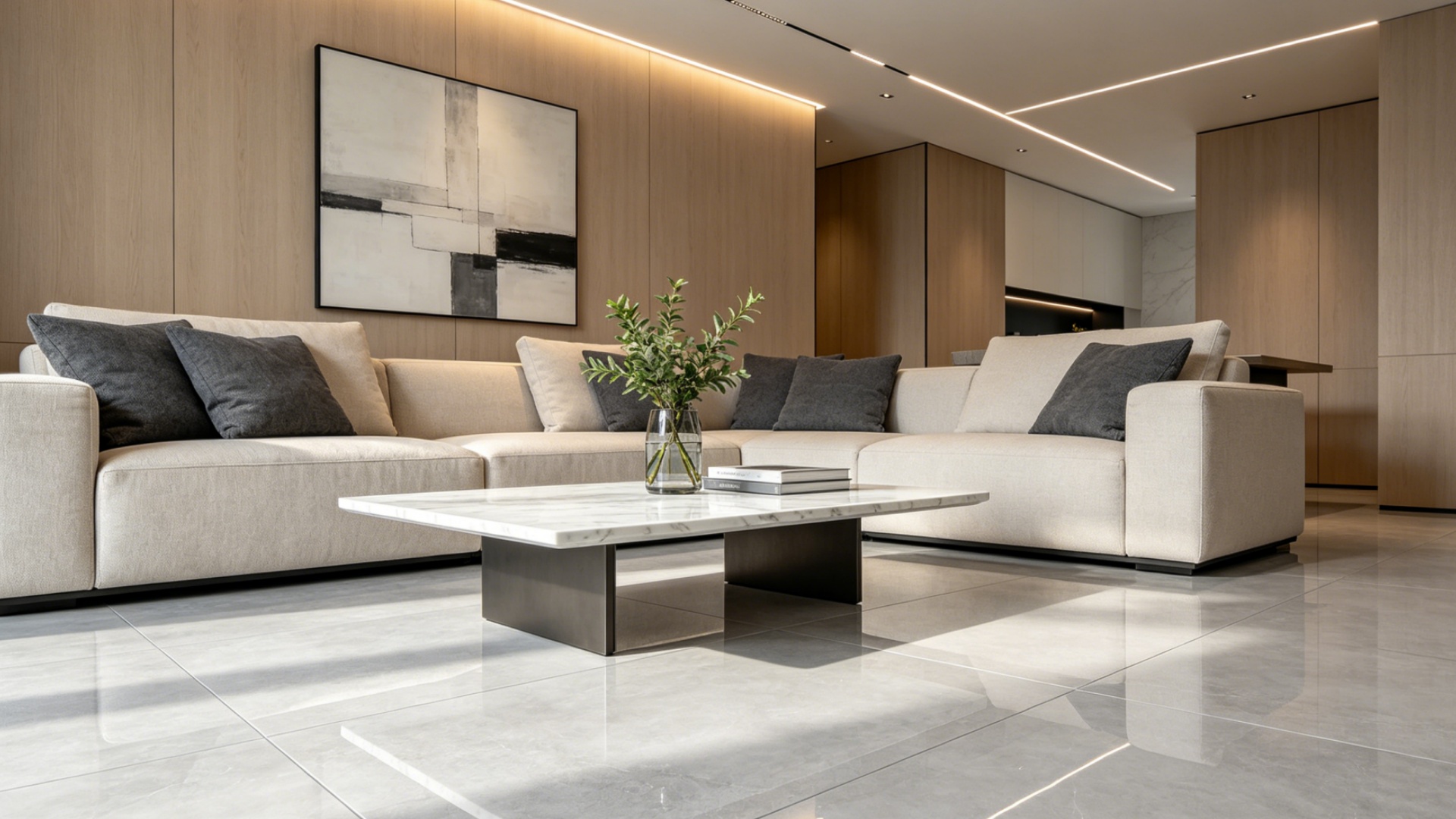
When the subfloor is prepped correctly, the natural chip resistance of porcelain makes it the ultimate choice for areas that see constant, heavy action.
Suitability for Bathrooms, Kitchens, and Outdoors
Moisture is the enemy of most flooring, but porcelain is practically waterproof. Its near-zero water absorption rate makes it a powerhouse for wet and demanding environments.
- Bathrooms: Easily repels standing water, steam, and daily humidity without warping.
- Kitchens: Resists spills, grease stains, and the occasional dropped utensil.
- Outdoors: Frost-resistant properties mean exterior porcelain pavers will survive harsh freeze-thaw cycles without fracturing.
Checklist Before Buying Porcelain Tiles
Before making your final purchase, run through this quick checklist to ensure you get exactly what your space requires:
- Check the PEI Rating: Ensure the surface wear rating matches your room’s expected traffic level.
- Assess Your Subfloor: A rigid, perfectly level subfloor is mandatory to prevent flexing and cracking.
- Review the Installation Guide: Proper mortar coverage and the use of expansion joints are non-negotiable for a lasting floor.
- Verify Tile Thickness: Choose standard thickness (around 8-10mm) for indoors, and thicker pavers (usually 20mm) for outdoor landscaping.
- Order Extra Material: Always buy 10% to 15% more than your measured square footage to account for cuts, breakages, and future repairs.
