Worried your new patio will be too hot for bare feet? The sun can turn dark pavers into a frying pan. You need a material that stays comfortable.
Yes, porcelain pavers1 get hot in the sun, especially dark-colored ones. Their dense, non-porous surface absorbs and holds solar radiation. This can make the surface temperature uncomfortably high, so choosing the right color and type is very important for outdoor spaces2.
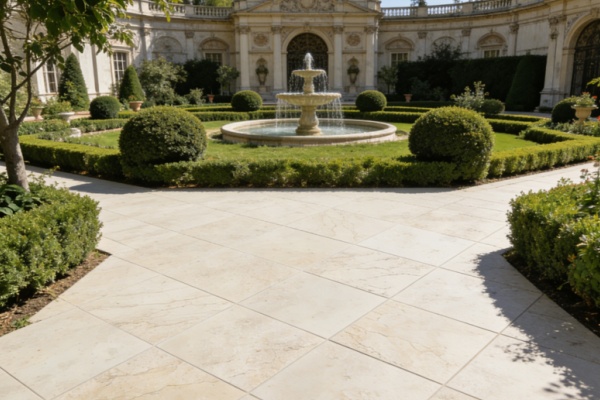
This is a common concern I hear from clients all the time. As a manufacturer, I've seen how much heat can affect the usability of an outdoor area. But understanding why they get hot is the first step to finding the perfect solution that looks great and feels comfortable. Let's explore this more so you can make the best choice for your project.
What Makes Porcelain Pavers Absorb So Much Heat?
You picked a beautiful paver, but now it's unusable in summer. The heat is intense, making your outdoor space a no-go zone. Let's understand the science behind it.
Porcelain pavers get hot due to two main factors: color and density. Darker colors absorb more sunlight. The material is also very dense, so heat accumulates on the surface instead of dispersing, making it hot to the touch.
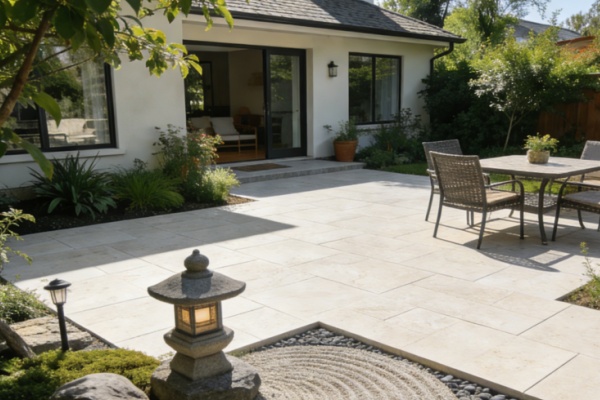
When we talk about heat, we are really talking about how a material interacts with energy from the sun. I've worked with countless materials, and porcelain's properties are unique. It’s not just about the heat you feel; it’s about how the tile is built from the ground up. Two key characteristics are responsible for turning your patio into a hot plate on a sunny day. Let's break them down so you can see what’s happening.
The Role of Color and Finish
The color of your paver is the single biggest factor in how hot it gets. Think about wearing a black shirt versus a white shirt on a sunny day. The black shirt gets much hotter because it absorbs more light energy and converts it into heat.
The white shirt reflects most of that light away. Pavers work the same way. A dark gray or black porcelain paver will absorb a lot of solar radiation. A light beige or off-white paver will reflect it, staying much cooler.
The Impact of Material Density
Porcelain is an incredibly dense and non-porous material. This is great for durability and stain resistance3, but it also affects heat. Because it's so dense, heat doesn't travel through it easily. Instead of dissipating into the ground below, the heat gets trapped right at the surface. This is why the surface feels so hot.
| Material | Heat Absorption | Heat Retention |
|---|---|---|
| Dark Porcelain | High | High |
| Light Porcelain | Medium | High |
| Natural Stone (Light) | Medium | Medium |
| Concrete Pavers | Medium-High | Medium-High |
| Wood Decking | Low | Low |
Is There a Better Paving Material for Sunny Areas?
Are you searching for a durable paver that doesn't burn your feet? Natural stone is expensive and concrete cracks. There is a modern, high-tech alternative you should know about.
Yes, a great alternative is the modern Quartz Tile4. As a manufacturer, we've seen this material solve the heat problem5 for many clients. It's an advanced type of porcelain engineered for superior performance, durability, and better thermal properties when you choose the right color.
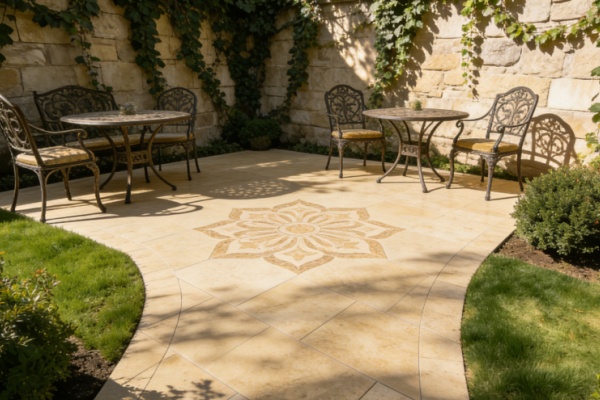
In my years of manufacturing tiles, I've seen many new materials come and go. But Quartz Tile4 is different. It's not just another paver; it's a solution engineered to solve the biggest problems we see with outdoor surfaces, including heat, durability, and maintenance6.
It has become a go-to for designers and builders who want the look of high-end natural stone7 without the associated problems and costs.
What Are Quartz Tile4s?
Quartz Tile4s are a high-performance category of porcelain tiles.
We make them using a special blend of raw materials, including quartz, feldspar, and high-quality clays. These materials are fired at extremely high temperatures, which creates a tile with a dense, glass-like structure.
This process, called vitrification8, is what gives them their incredible strength and low water absorption. They are designed to perfectly mimic the look of natural stone7 but provide superior technical performance.
Where Can You Use Them?
The versatility of Quartz Tile4s is one of their biggest strengths. We supply these for all kinds of projects. They are perfect for residential patios, garden paths, and pool surrounds.
We also see them used extensively in large commercial projects9 like public plazas, outdoor dining areas, and landscape features.
Because they are lighter than traditional stone or concrete, they can even be used for wall cladding and facades. They are a fantastic way to get a premium look while managing project budgets effectively.
Why Should You Choose Quartz Tile4s Over Other Materials?
Choosing the wrong paver leads to costly maintenance6 and replacements. Cracks, stains, and fading can ruin your investment. You need a material that looks great for decades with minimal effort.
Quartz tiles offer incredible durability and low maintenance6. They have extremely low water absorption, making them frost-proof10 and stain-resistant.
Their high density provides superior strength and wear resistance compared to concrete or even many natural stone7s.
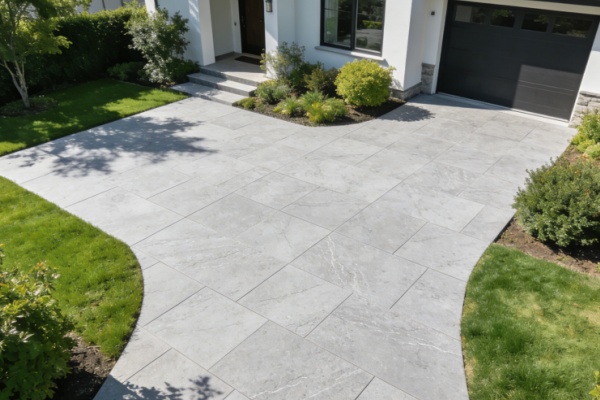
Every day, we talk to clients who are frustrated with traditional paving materials. They are tired of sealing stone, pressure washing concrete, and dealing with cracks.
This is where I always recommend Quartz Tile4s. From a manufacturing standpoint, I know they are engineered to overcome these exact issues.
The science behind them translates directly into real-world benefits for property owners. They are not just a short-term fix; they are a long-term investment in a trouble-free outdoor surface.
Key Performance Advantages
The real beauty of Quartz Tile4s is in their technical performance. Because we control the entire manufacturing process, we can engineer specific benefits.
They are highly resistant to acids, so a spilled drink won't cause a permanent stain. Their low water absorption rate (less than 0.5%) means water can't penetrate, so they won't crack during a freeze-thaw cycle.
The color is also baked throughout the entire tile body, not just printed on the surface, so it is completely UV-stable11 and will never fade in the sun.
Comparison with Natural Stone
Many people love the look of natural stone7 like granite, but it comes with drawbacks. I often have to explain how our Quartz Tile4s offer a better alternative. They provide a more consistent appearance and superior technical specs.
| Feature | Quartz Tile4 | Granite (Natural Stone) |
|---|---|---|
| Strength | Up to 5x Stronger | Strong, but can have natural fissures |
| Water Absorption | Extremely Low (<0.5%) | Low, but porous and needs sealing |
| Stain Resistance | Excellent | Good, but can stain without sealant |
| Color Consistency | Very High (Controlled) | Varies naturally from slab to slab |
| Cost | More Affordable | Generally more expensive |
| Maintenance | Almost None | Requires regular sealing and care |
Can You Make Quartz Tile4 Pavers Cooler in the Sun?
You love the look of quartz tiles but still worry about heat. A hot patio is useless on a summer day. You need practical strategies to keep your outdoor space comfortable.
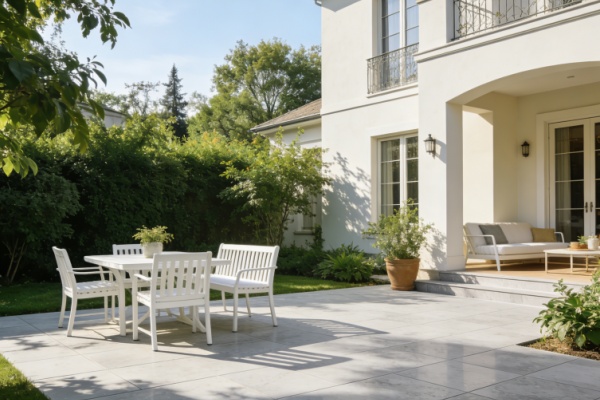
Absolutely. While all pavers get warm, you can significantly reduce the heat of quartz tiles. The most effective strategy is choosing a lighter color, like an off-white, light gray, or beige. These colors reflect more sunlight and stay much cooler.
I always tell my clients that managing heat is a combination of choosing the right product and smart design. Even though Quartz Tile4s are a superior material, physics still applies.
Any material left in the direct sun will get warm. The key is to minimize how much heat it absorbs and holds. We've helped countless projects achieve this, creating beautiful and comfortable outdoor spaces2 even in the hottest climates. It's all about making informed choices from the start.
The Impact of Color and Environment
We've already touched on this, but it's the most important point. Color choice is everything. A light-colored12 Quartz Tile4 can be up to 30% cooler than a dark-colored one in the same exact location.
In harsh, direct sun, a dark paver can reach temperatures of 60°C (140°F) or more, which is hot enough to be dangerous. A light-colored12 paver in the same conditions will be significantly more comfortable. The environment also plays a huge role.
A patio with afternoon shade from a tree or building will naturally stay cooler than one in full sun all day.
Design and Installation Tips for a Cooler Surface
Beyond color, your design can make a big difference. We often recommend incorporating shade elements like pergolas, umbrellas, or shade sails into the patio design. Planting trees nearby is a great long-term strategy.
The installation method can also help. Using a pedestal system13 for installation creates an air gap underneath the pavers, which allows for air circulation and helps dissipate heat.
For a more natural look, you can leave wider gaps between pavers and plant a hardy ground cover14 like creeping thyme. This breaks up the solid surface and adds cooling greenery.
What's Involved in Installing Quartz Tile4 Pavers?
A great material can be ruined by poor installation. You're worried about the complexity and cost of getting it right. You need a straightforward process that ensures a lasting result.
Installing quartz tiles is versatile and often simpler than you think. They can be installed using a traditional mortar bed, just like other tiles. For landscape projects, they can even be laid directly on a prepared base of gravel or sand.
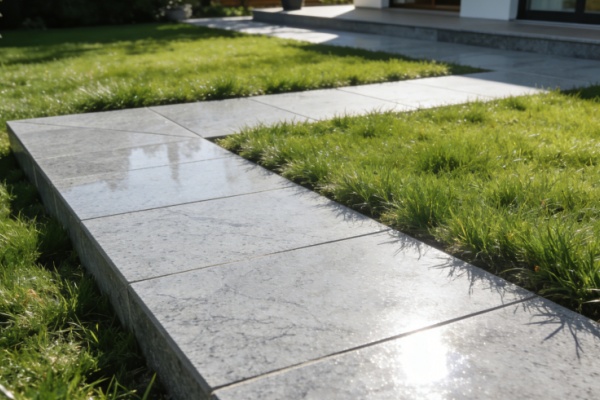
As a supplier, we make sure our products are not only high-quality but also easy for contractors to work with.
There’s no point in having a superior material if it’s too complicated or expensive to install. Quartz Tile4s are designed to be compatible with standard installation methods15, making them accessible for any project, big or small. Whether you are building a simple garden path or a large commercial plaza, there is a reliable installation method available.
Common Installation Methods
There are several ways to install our Quartz Tile4s, depending on the application.
- Mortar Bed: This is the traditional method for a permanent, solid installation on a concrete base. It's ideal for patios and areas with heavy use.
- Dry Lay: For walkways and patios, tiles can be laid directly onto a compacted base of gravel and sand. This method allows for water permeability and is easier to adjust or repair.
- Pedestal System: This is a modern solution for rooftop decks and terraces. The tiles are elevated on adjustable pedestals, creating a perfectly level surface and hiding pipes or cables underneath.
- Wall Cladding: Because they are relatively lightweight, our tiles can be installed on vertical surfaces using mechanical fixing systems for a clean, modern facade.
Basic Steps for a Mortar Installation
For a standard patio on a concrete slab, the process is straightforward for any experienced tiler.
- Prepare the Base: The concrete slab must be clean, level, and stable.
- Set the Mortar Bed: A layer of semi-dry mortar is spread and compacted to the correct height.
- Lay the Tiles: A bonding slurry is applied to the back of each tile, which is then set in place and tapped level.
- Grout the Joints: After the tiles have set for at least 24 hours, the gaps between them are filled with grout.
- Cure: The area should be left to cure for several days before allowing heavy foot traffic.
Conclusion
Porcelain pavers do get hot in the sun. But choosing light-colored12, high-performance Quartz Tile4s and using smart design will give you a beautiful, durable, and comfortable outdoor space.
Explore the advantages of porcelain pavers, including durability and aesthetic appeal for your outdoor projects. ↩
Discover the best materials to create inviting and comfortable outdoor spaces for relaxation and enjoyment. ↩
Find out how stain resistance can affect the longevity and appearance of your outdoor surfaces. ↩
Discover why Quartz Tile is a superior choice for patios, offering durability and low maintenance. ↩
Find effective solutions to manage heat problems in outdoor spaces for a more enjoyable experience. ↩
Find out how low maintenance Quartz Tiles can save you time and effort in outdoor upkeep. ↩
Explore the benefits and drawbacks of natural stone to make informed choices for your outdoor areas. ↩
Understand the vitrification process and how it contributes to the strength and durability of tiles. ↩
Discover the top materials for commercial outdoor projects that balance aesthetics and functionality. ↩
Learn about frost-proof materials to ensure your outdoor surfaces withstand harsh winter conditions. ↩
Discover the importance of UV stability in outdoor materials to prevent fading and maintain appearance. ↩
Learn how light-colored pavers can help keep your outdoor spaces cooler in hot weather. ↩
Understand how a pedestal system can enhance your outdoor tile installation and improve air circulation. ↩
Explore how ground cover can enhance your patio design while providing cooling effects. ↩
Get insights into effective installation methods to ensure a long-lasting and beautiful patio. ↩