That morning shock of a cold floor can be unpleasant. You know the room isn't freezing, but the tile feels like ice. This makes you wonder about heat transfer.
No, porcelain tile1 does not conduct more heat than metal. Metals like copper and aluminum are excellent heat conductors. They transfer heat much more efficiently than porcelain tile1, which is a relatively poor heat conductor.
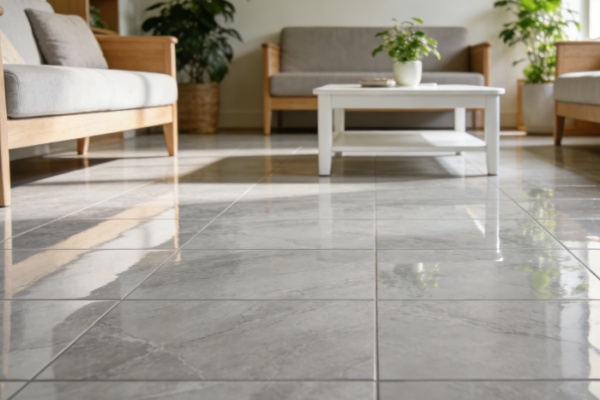
It seems strange, right? We often think of tiles as cold. So it is natural to assume they are great at transferring heat away from us. But the science tells a different story. The feeling of "cold" is not just about temperature. It is about how quickly an object can pull heat from your body. Let's explore why this happens and what it means for your home.
Why does my porcelain tile1 floor feel so cold in winter?
That morning shock of a cold tile floor can be unpleasant. You know the room isn't freezing, but the floor feels like ice. Why is that?
Your porcelain floor feels cold because it has a higher thermal conductivity2 than other materials like carpet. It rapidly draws heat away from your feet, creating the sensation of cold, even if it is the same temperature as the rest of the room.
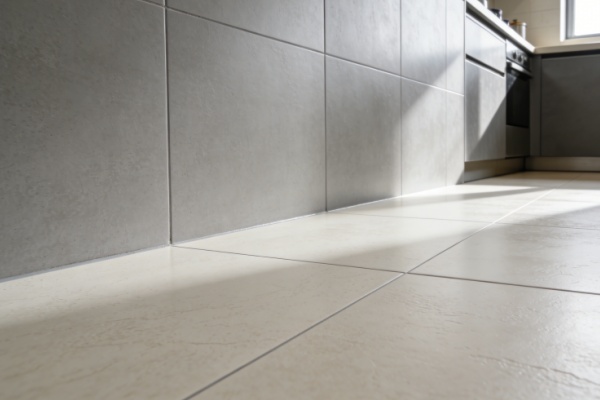
I remember one winter morning. I stepped out of bed and onto my new porcelain tile1 floor. The chill shot right up my leg. The thermostat said 21°C (70°F). So why did the floor feel so much colder than the rug right next to it? The answer is all about heat transfer. Our bodies are warm, around 37°C (98.6°F). When you touch something, heat flows from you to that object.
The speed of this heat flow determines if it feels cold or warm. Porcelain tile is quite dense. It is a better conductor than a fluffy rug. So, it pulls heat from your bare feet much faster. The rug is full of trapped air. It is an insulator3 and slows this process way down. Your brain interprets this rapid heat loss as "cold."
It is not about the actual temperature of the tile. It is about the rate at which it takes your warmth. This is why material choice4 is so important for comfort.
What is thermal conductivity2 and why does it matter for tiles?
You hear terms like "thermal conductivity2" from engineers. It sounds complex. But it is the simple reason why some materials feel colder than others.
Thermal conductivity is a measure of a material's ability to transfer heat. Materials with high conductivity, like metal, transfer heat quickly. Porcelain tile has moderate conductivity, much lower than metal but higher than wood, affecting how it feels underfoot.
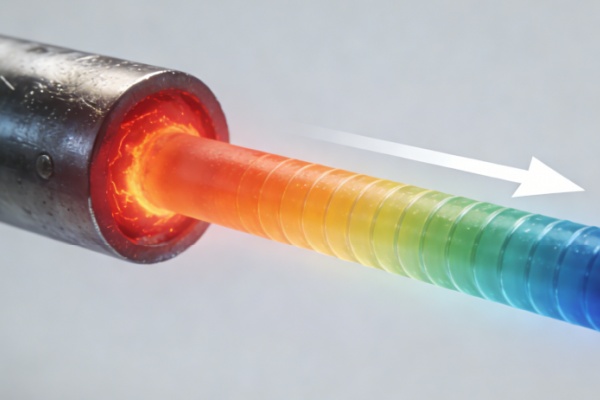
Let's break down thermal conductivity2. Think of it like a highway for heat. Some materials have a multi-lane superhighway. Others have a bumpy country road. Heat will always travel faster on the superhighway. Scientists measure this in units of W/(m·K).
This just tells us how much heat energy flows through a material. As a tile manufacturer, I deal with these numbers a lot. They are critical for understanding how a tile will perform. A tile with high conductivity is great for underfloor heating.
It transfers the warmth to the room efficiently. A tile with lower conductivity might feel slightly less chilly in a home without it. Let's look at some numbers.
Material Conductivity Comparison
| Material | Thermal Conductivity (W/m·K) | Heat Transfer Speed |
|---|---|---|
| Copper (Metal) | ~400 | Extremely Fast |
| Aluminum (Metal) | ~237 | Very Fast |
| Porcelain Tile | ~1.9 - 2.5 | Moderate |
| Wood | ~0.12 - 0.17 | Slow |
| Carpet | ~0.04 | Very Slow |
As you can see, metal is in a completely different league. Porcelain tile is a much, much slower path for heat compared to metal.
How does a material's structure affect its heat transfer?
Have you ever wondered what makes metal a good conductor and wood a good insulator3? It is not magic. The secret is hidden deep inside their atomic structure5.
Metals have a sea of free-moving electrons6 that carry heat energy very quickly. Porcelain tiles are ceramic7 and lack these free electrons. They transfer heat much more slowly through vibrations in their rigid crystal structure, which is a slower process.
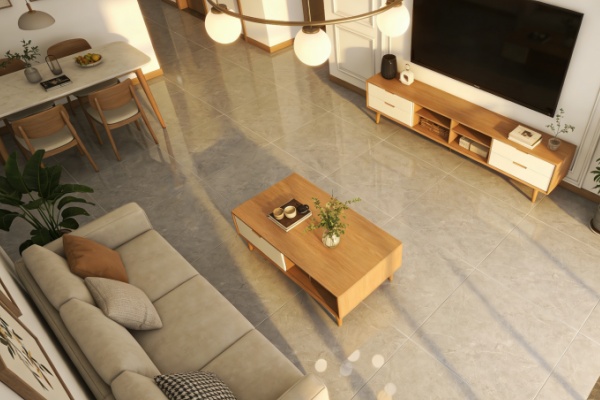
When I was studying materials, this was a fascinating topic for me. It all comes down to what is happening at a microscopic level.
How Metals Transfer Heat
Imagine a crowded room where everyone can pass a ball (heat energy) very quickly. This is like the "sea of electrons" in metal. These electrons are not tied to any single atom.
They are free to zip around, carrying energy with them very efficiently. When you heat one end of a metal rod, these electrons get energized. They quickly spread that energy to the other end. This is why a metal spoon in hot soup gets hot all the way to the handle so fast.
How Ceramics (like Tile) Transfer Heat
Now, imagine a room where everyone is sitting in a fixed chair. They can only pass the ball to their immediate neighbor by bumping into them. This is like a ceramic7 or porcelain tile1. The atoms are locked in a rigid structure. Heat travels as vibrations that get passed from one atom to the next. It is a much slower way to move heat. This is why porcelain is a much better insulator3 than metal. It does not conduct heat nearly as well.
Are there "warmer" tile choices for a home project?
You love the look of tile but hate the cold-foot feeling. Does this mean you have to give up style for comfort? Or are there better options?
While all porcelain tile1s have similar thermal properties, you can make them feel warmer. Pairing them with an underfloor heating system8 is the most effective method. Also, textured tiles9 can feel slightly warmer by reducing direct contact with your skin.
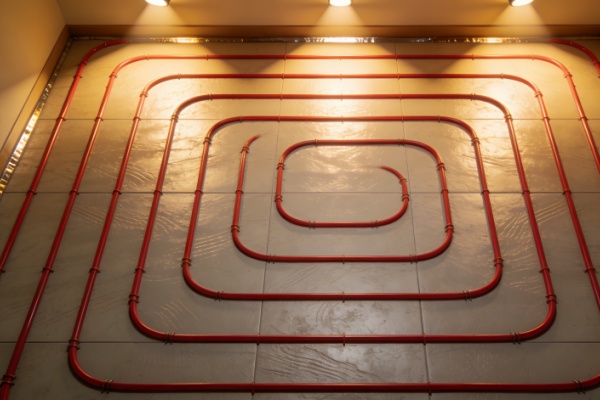
As a tile supplier, I get this question a lot. My clients in colder climates especially ask this. They want the durability and beauty of porcelain but worry about the coldness. The good news is, you have excellent options.
The best solution is installing an underfloor heating (UFH) system. Porcelain tile is a fantastic partner for UFH. Its ability to conduct heat is perfect for radiating that warmth evenly into the room.
It turns your entire floor into a gentle, efficient radiator. If UFH is not in the budget, consider the tile's finish. A tile with a more textured surface can feel slightly warmer. For example, a wood-look or stone-look porcelain. This is because the tiny ridges reduce the surface area in contact with your foot. It slows down the heat transfer just a little bit. It is a small effect, but some people notice the difference. Finally, using area rugs10 is a simple and effective solution. You can place them where you stand often, like by the bed or in front of the sofa. This way, you get the best of both worlds.
Conclusion
In short, metal is a far better heat conductor than porcelain tile1. The cold feeling of tile comes from its ability to quickly pull heat away from you.
Learning about porcelain tile's properties can guide you in choosing the right flooring for comfort and style in your home. ↩
Exploring thermal conductivity will help you understand why some floors feel colder, aiding in making informed decisions for home flooring. ↩
Knowing what makes a material a good insulator can help you choose the right materials for maintaining warmth in your home. ↩
Understanding the impact of material choice on comfort can guide you in selecting the best flooring for your home. ↩
Exploring atomic structure reveals why some materials are better heat conductors, aiding in material selection for various applications. ↩
Understanding the electron movement in metals explains their superior heat conduction, useful for selecting materials in heating applications. ↩
Learning about ceramic's heat transfer properties can guide you in choosing materials for insulation and comfort. ↩
Discovering how underfloor heating systems enhance tile warmth can lead to more comfortable and efficient home heating solutions. ↩
Exploring textured tiles can help you find flooring options that balance style and comfort, especially in colder climates. ↩
Using area rugs can enhance the warmth and comfort of tile floors, providing a simple solution for cold-foot feelings. ↩