Flexible Stone for Outdoor Use: Applications, Performance & B2B Selection Guide
Flexible stone has become an increasingly popular material for outdoor architectural and landscaping projects. For developers, architects, contractors, and material distributors, it offers a practical alternative to traditional stone by combining natural aesthetics with lightweight performance.
This guide focuses on outdoor applications of flexible stone from a B2B perspective, covering not only where it can be used, but also why it works, how it performs outdoors, and what decision-makers should consider before specifying it.
What Is Flexible Stone and Why It Works Outdoors
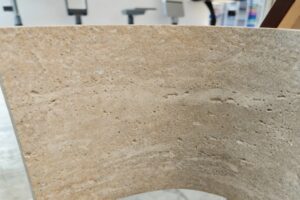
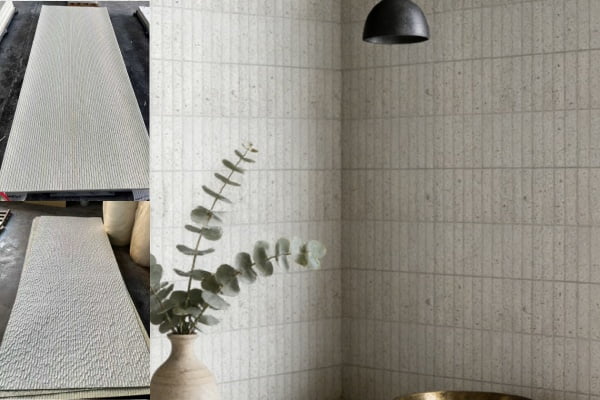
Flexible stone is a thin natural stone veneer backed with polymer or fiberglass reinforcement. Compared with traditional stone slabs, it is:
- Significantly lighter in weight
- Easier to transport and install
- Suitable for flat and curved surfaces
- Compatible with various substrates
For outdoor use, its key value lies in design flexibility and reduced structural load, making it especially suitable for renovation projects and commercial facades.
1. Exterior Wall Cladding (Residential & Commercial)
Ideal for Facades and Renovation Projects
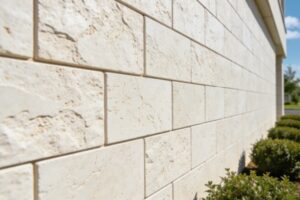
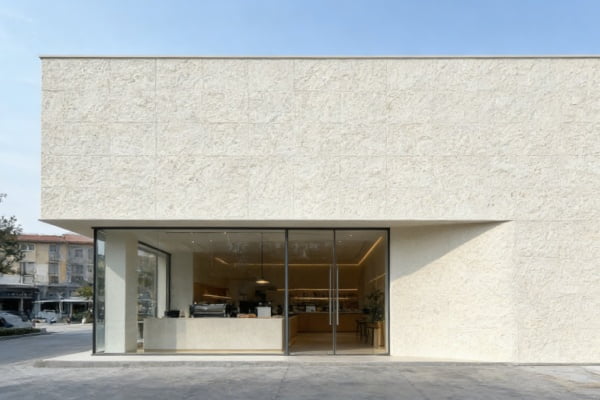
Flexible stone is widely used for exterior wall cladding on villas, apartment buildings, retail stores, and commercial complexes. It delivers the appearance of natural stone without the structural requirements of thick stone slabs.
B2B Advantages
- Reduced dead load on existing structures
- Faster installation compared with traditional stone
- Lower labor and logistics costs
- Suitable for concrete, cement board, metal panels, and insulation systems
Typical projects: building facades, renovation upgrades, prefabricated buildings.
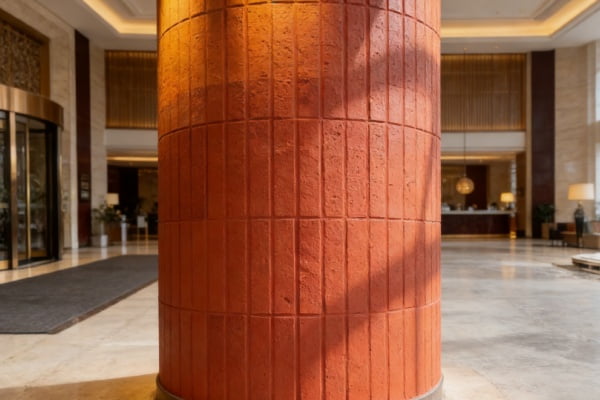
2. Columns, Pillars, and Curved Architectural Elements
Traditional stone is difficult and costly to apply on curved or cylindrical surfaces. Flexible stone provides a practical solution.
Why Contractors Prefer It
- Conforms naturally to round columns and irregular shapes
- Minimal cutting and material waste
- Seamless and consistent surface finish
Common uses: entrance columns, decorative pillars, arches, landscape structures.
3. Outdoor Feature Walls and Landscape Structures
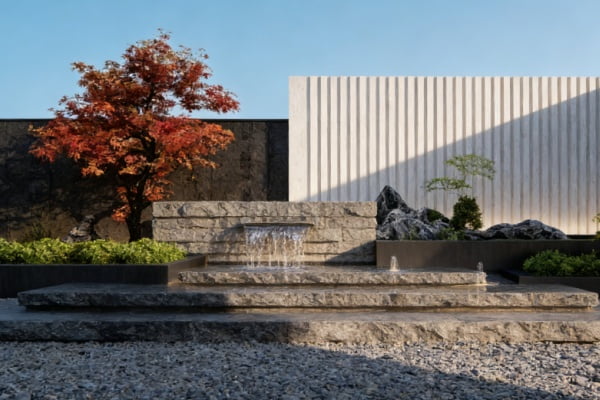
Flexible stone is frequently specified for non-load-bearing outdoor walls, where visual impact is more important than structural strength.
Application Scenarios
- Garden feature walls
- Courtyard boundary walls
- Landscape partitions in hotels and resorts
Its natural texture integrates well with greenery and water features, making it a popular choice in high-end landscape design.
4. Pool Surrounds and Water-Adjacent Areas
Water Resistance Considerations
High-quality flexible stone products can be used for pool surrounds and spa areas when properly sealed and installed. The textured surface can also help improve slip resistance.
Key Points for B2B Buyers
- Confirm water-resistant backing materials
- Use outdoor-grade adhesive and sealant
- Not recommended for permanent underwater installation
Best use: pool walls, vertical surfaces, decorative zones near water.
5. Outdoor Fireplaces and Fire Pit Surrounds
Flexible stone is suitable for exterior fireplaces and fire pit facades where moderate heat resistance is required.
Important Note
While flexible stone is heat tolerant, it should not be used in areas with direct flame contact. Proper specification and installation are essential for safety and durability.
6. Outdoor Commercial Spaces and Hospitality Projects
Hotels, resorts, restaurants, and commercial plazas increasingly use flexible stone to achieve a premium natural stone appearance with lower installation risk.
Why Developers Choose Flexible Stone
- Consistent appearance across large surface areas
- Faster project timelines
- Easier maintenance and localized replacement
Performance in Outdoor Environments
For B2B projects, performance is just as important as appearance.
Key Performance Characteristics
- UV resistance: suitable for long-term exterior exposure
- Weather resistance: performs well under rain, wind, and temperature variations
- Durability: resistant to cracking caused by minor substrate movement
Proper installation methods and sealing are critical to maximizing outdoor lifespan.
Flexible Stone vs Traditional Stone for Outdoor Projects
| Aspect | Flexible Stone | Traditional Stone |
|---|---|---|
| Weight | Very light | Heavy |
| Installation | Fast, low labor | Time-consuming |
| Curved surfaces | Excellent | Limited |
| Structural load | Minimal | High |
| Overall cost efficiency | High | Lower |
Is Flexible Stone Suitable for Your Outdoor Project?
Flexible stone is an excellent choice if your project requires:
- Natural stone aesthetics
- Lightweight material solutions
- Fast installation
- Application on curved or existing structures
However, it is not recommended for load-bearing structures or permanent underwater use.
Conclusion: A Practical Material for Modern Outdoor Design
For architects, contractors, and distributors, flexible stone offers a versatile and commercially viable solution for outdoor applications. When properly selected and installed, it combines the beauty of natural stone with the efficiency required by modern construction projects.
If you are sourcing flexible stone for exterior projects, working with an experienced manufacturer helps ensure consistent quality, technical support, and long-term performance.