Flexible Stone Panels: The Next-Generation Architectural Surface for Commercial Projects
Flexible stone is redefining how natural stone is specified, transported, and installed in modern construction.
For architects, developers, contractors, and distributors, material selection today is no longer based on appearance alone. Structural load, installation efficiency, logistics cost1, sustainability, and project timelines all influence decision-making.
Flexible stone panels provide the authentic surface of real natural stone — without the weight, rigidity, and installation complexity of traditional veneer.
This guide explains why flexible stone is rapidly becoming the preferred solution for contemporary commercial and high-performance building projects.
1. What Is Flexible Stone?
Flexible stone consists of an ultra-thin layer of real natural stone2 bonded to a high-performance backing material.
Typical technical specifications:
- Thickness: 1–3 mm
- Weight: approximately 1–1.5 kg per m²
- Bendable for curved applications
- Adhesive-based installation
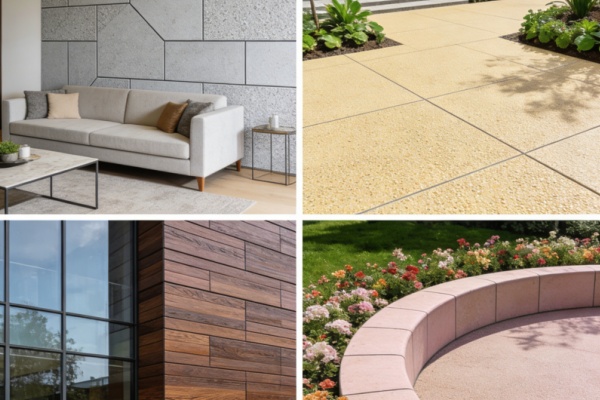
- Available in slate, marble, sandstone, limestone finishes
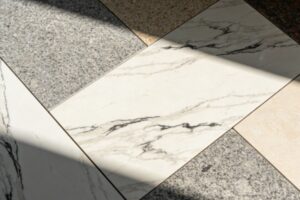
Each panel retains the natural texture, grain, and variation of solid stone while remaining lightweight and adaptable.
Unlike artificial panels, flexible stone uses real quarried stone surfaces — ensuring authenticity and long-term aesthetic stability.
2. The Structural Advantage Over Traditional Stone Veneer
Traditional thin stone veneer typically weighs:
- 35–75 kg per m²
This requires:
- Reinforced substrates
- Mechanical anchoring or mortar systems
- Skilled masonry labor
- Extended installation time
Flexible stone reduces weight by more than 80–90%, dramatically lowering structural load calculations.
For high-rise buildings, renovation projects, prefabricated systems, and lightweight steel framing, this difference directly impacts feasibility and cost.
3. Installation Efficiency & Labor Reduction
Flexible stone panels install using construction-grade adhesives rather than mortar beds.
This enables:
- Faster application
- Minimal joint finishing
- Reduced cure time
- Lower dependency on skilled masons
Panels can be cut with standard tools and applied to:
- Drywall
- MDF
- Plywood
- Cement board
- Concrete
- Aluminum composite panels
For commercial interiors, this can significantly reduce downtime.
For large-scale developments, labor savings compound across total square footage.
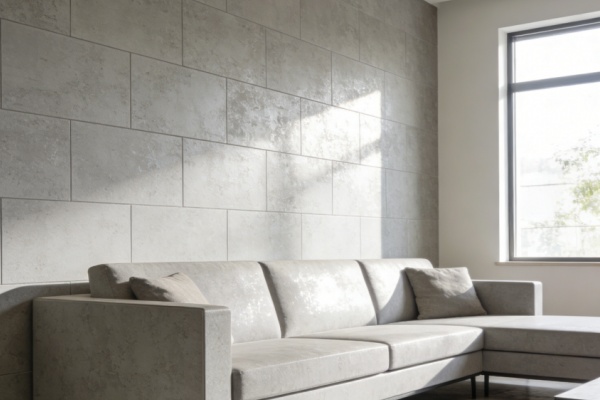
4. Logistics & Distribution Efficiency
For importers and distributors, weight directly affects freight economics.
Flexible stone panels offer:
- Higher square meter capacity per container
- Reduced breakage risk
- Lower shipping cost per unit
- Easier on-site handling
- Simplified warehousing
In global supply chains, reduced weight translates into measurable cost advantages.
5. Design Freedom: Beyond Flat Walls
Unlike rigid stone veneer, flexible stone can be applied to:
- Curved walls
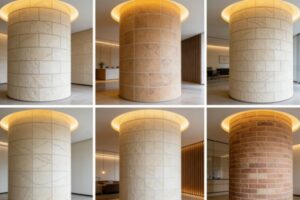
- Columns
- Reception desks
- Cabinetry
- Elevators
- Yacht interiors
- RV panels
- Modular housing units
This expands design possibilities3 beyond traditional masonry limitations.
For architects, it enables natural stone aesthetics4 in applications previously considered impractical.
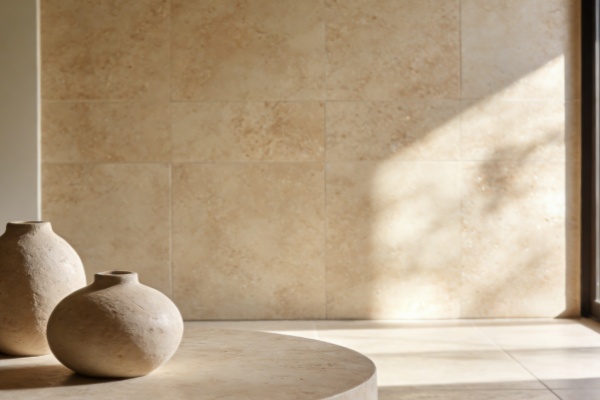
6. Performance Considerations for Commercial Projects
When specifying flexible stone, B2B buyers evaluate:
- UV stability
- Moisture resistance
- Fire classification
- Adhesion strength
- Exterior suitability
- Long-term color retention
High-quality flexible stone systems are engineered for:
- Interior architectural surfaces
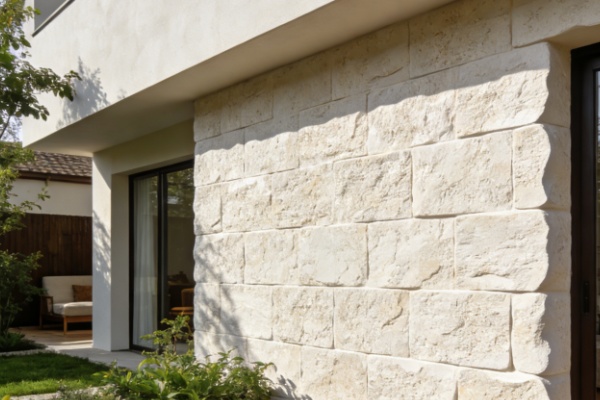
- Exterior facades (project dependent)
- Retail fit-outs
- Hospitality design
- Residential high-end interiors
Specification clarity ensures correct substrate selection and adhesive compatibility.
7. Sustainability & Material Efficiency
Flexible stone maximizes yield from quarried stone blocks.
By extracting ultra-thin layers, significantly more surface area is generated per cubic meter of stone compared to traditional slabs.
Reduced material mass results in:
- Lower transportation emissions
- Reduced structural reinforcement
- More efficient use of natural resources
For developers pursuing sustainability certifications, lightweight natural materials offer strategic value.
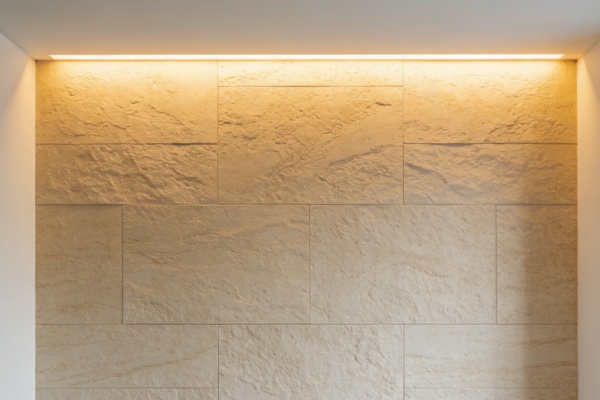
8. When Traditional Stone May Still Be Used
Traditional stone veneer may remain appropriate when:
- Load-bearing masonry is required
- Historic preservation mandates full-depth stone
- Structural anchoring is specified
However, for most non-load-bearing architectural surfaces, flexible stone provides comparable aesthetics with superior installation efficiency.
9. Flexible Stone vs Conventional Veneer: Commercial Comparison
| Factor | Traditional Veneer | Flexible Stone |
|---|---|---|
| Weight | High | Ultra-light |
| Installation Method | Mortar / Mechanical Fixing | Adhesive |
| Labor Requirement | Skilled Masonry | General Installation Crew |
| Shipping Cost | High | Reduced |
| Curved Surface Application | Limited | Yes |
| Retrofit Suitability | Moderate | Excellent |
| Installation Speed | Slow | Fast |
For time-sensitive commercial projects, these differences affect overall project ROI.
10. The Shift Toward Lightweight Natural Surfaces
Modern construction trends favor:
- Reduced dead load
- Faster build cycles
- Modular construction
- Prefabricated systems
- Sustainable material usage
Flexible stone aligns with these priorities while maintaining the authenticity of natural stone.
As construction methods evolve, surface materials must adapt.
Flexible stone represents the convergence of traditional aesthetics and modern engineering efficiency.
Conclusion: A Smarter Way to Specify Natural Stone
Natural stone remains one of the most desired architectural finishes worldwide.
Flexible stone panels make that aesthetic more accessible, more efficient, and more adaptable to contemporary construction demands.
For distributors, OEM partners, architects, and developers seeking scalable, lightweight natural surfaces, flexible stone provides a competitive edge in cost control, logistics efficiency, and installation speed.
For technical documentation, bulk supply programs, or project consultation, contact our commercial team.
Logistics costs are crucial in construction, and flexible stone panels can offer significant savings due to their lightweight nature. ↩
Understanding the creation of ultra-thin stone layers can provide insights into the innovative processes behind flexible stone technology. ↩
Flexible stone panels expand design possibilities, allowing architects to explore creative applications beyond traditional stone use. ↩
Maintaining natural stone aesthetics is key for architectural appeal, and flexible stone panels achieve this with innovative technology. ↩