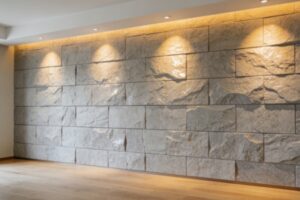
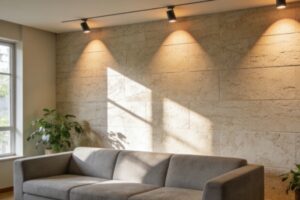
Flexible Stone Veneer Solutions for Commercial & Architectural Projects
Flexible stone veneer is an advanced natural stone cladding solution designed for modern architectural and commercial applications where traditional stone is impractical due to weight, thickness, or installation constraints.
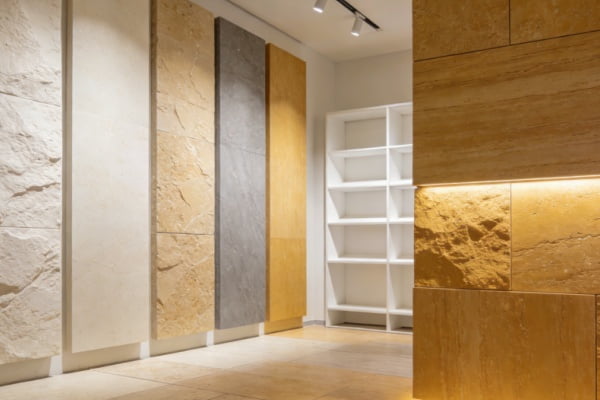
Manufactured from a thin layer of genuine slate or quartzite reinforced with a composite backing, flexible stone veneer combines the authentic appearance of natural stone with exceptional adaptability. It is widely used in large-scale construction, renovation, and interior fit-out projects.
What Is Flexible Stone Veneer?
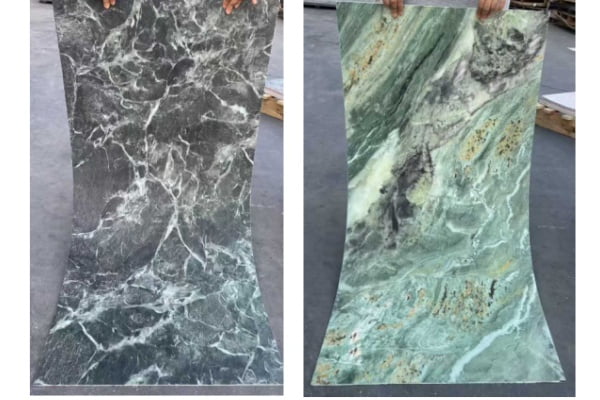
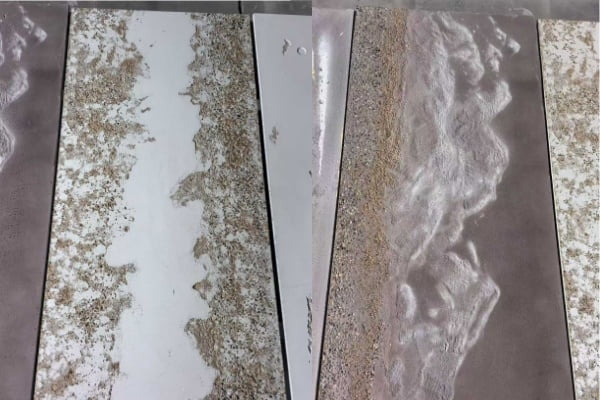
Flexible stone veneer is a lightweight, ultra-thin stone material created by separating a natural stone surface layer and bonding it to a flexible substrate. This structure allows the material to bend and conform to complex surfaces while maintaining the texture, color variation, and durability of real stone.
Key characteristics include:
- Genuine natural stone surface (slate or quartzite)
- Typical thickness between 1.5–3 mm
- Significantly lighter than traditional stone slabs
- Suitable for flat and curved surfaces
- Compatible with multiple substrate types
Why Architects and Contractors Choose Flexible Stone Veneer
In B2B construction and design projects, material selection goes far beyond aesthetics. Flexible stone veneer addresses several critical technical and commercial challenges.
1. Reduced Structural Load
Traditional stone cladding often requires additional structural reinforcement. Flexible stone veneer significantly reduces dead load, making it suitable for:
- High-rise interior applications
- Renovation and retrofit projects
- Lightweight partition and framing systems
2. Design Freedom for Complex Geometry
Curved walls, columns, and custom millwork are difficult and costly to achieve with rigid stone. Flexible stone veneer enables natural stone finishes on:
- Curved or radius walls
- Cylindrical columns
- Custom-designed furniture and fixtures
3. Faster Installation and Lower Labor Costs
Flexible stone veneer panels can be cut on-site and installed using standard adhesive systems. This results in:
- Shorter installation timelines
- Reduced reliance on specialized stone labor
- Lower overall project costs
Typical Commercial Applications
Flexible stone veneer is specified across a wide range of commercial and architectural sectors.
Architectural Wall Cladding
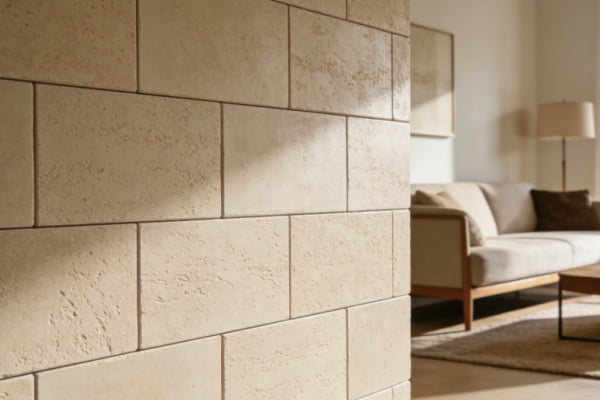
- Feature walls in offices, hotels, and retail environments
- Lobby and reception areas
- Corridors and elevator surrounds
Hospitality & Leisure
- Hotel guest rooms and public spaces
- Restaurants, bars, and lounges
- Spa and wellness interiors
Marine & Transportation Interiors
- Yacht interiors
- Aircraft cabin components
- Lightweight decorative panels
Furniture & Interior Fit-Out
- Cabinet fronts and casework
- Doors and partitions
- Custom furniture surfaces
Exterior Applications
- Non-load-bearing facade accents
- Balcony walls
- Exterior decorative elements
Note: Exterior use requires project-specific engineering review and climate suitability assessment.
Suitable Substrates and Installation Conditions
Flexible stone veneer can be installed on a variety of substrates, including:
- Cement board
- Gypsum board (interior use)
- Plywood and MDF
- Existing ceramic tiles
- Metal panels (with appropriate adhesive systems)
This versatility makes flexible stone veneer particularly attractive for renovation projects, where removing existing finishes can be time-consuming and costly.
Flexible Stone Veneer vs Traditional Stone Cladding
| Criteria | Flexible Stone Veneer | Traditional Stone |
|---|---|---|
| Weight | Very low | Very high |
| Thickness | Ultra-thin | Thick slabs |
| Curved surfaces | Yes | No |
| Installation speed | Fast | Slow |
| Structural reinforcement | Usually not required | Often required |
| Overall cost efficiency | High | Lower |
Considerations for Specification and Procurement
Despite its advantages, flexible stone veneer should be professionally evaluated before specification:
- Fire rating and building code compliance
- Suitability for exterior exposure
- Substrate compatibility
- Long-term durability and maintenance requirements
For medium to large-scale projects, mock-up testing and sample approval are strongly recommended.
A Material Designed for Modern Construction
Flexible stone veneer is not intended to replace traditional stone in every scenario. Instead, it provides a practical alternative where weight reduction, design flexibility, and installation efficiency are critical.
As the construction industry continues to move toward lightweight systems, modular interiors, and rapid renovation cycles, flexible stone veneer has become an increasingly specified material in commercial architecture worldwide.
Partnering with the Right Supplier
For B2B buyers, selecting the right supplier is as important as selecting the material itself. Key evaluation factors include:
- Consistent product quality
- Reliable lead times
- Technical documentation and certifications
- Project-level support capabilities
An experienced supplier can help ensure smooth integration into architectural specifications and construction workflows.