Flexible Stone: A New Era of Sustainable Architectural Material
What Is Flexible Stone?
Flexible stone is an innovative, eco-friendly building material created by combining natural stone powder with high-performance polymer composites.
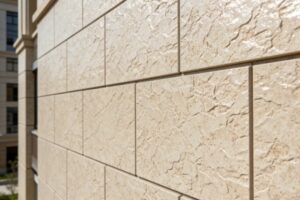
It retains the authentic texture, color, and visual depth of natural stone while adding flexibility, lightness, and ease of installation—qualities that traditional stone cannot provide.
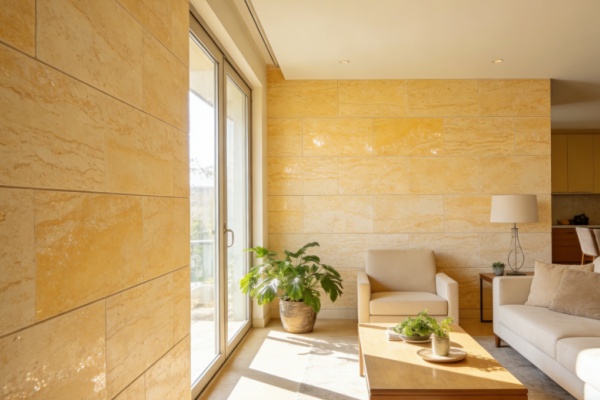
Key Advantages Compared to Traditional Stone
| Feature | Traditional Stone | Flexible Stone |
|---|---|---|
| Weight | Heavy | Up to 70% lighter |
| Thickness | 10-20 mm | 1-3 mm |
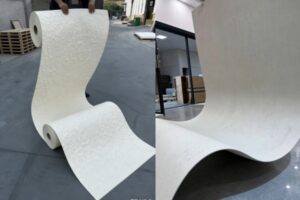
| Flexibility | Rigid | Can bend and conform to curves |
| Cutability | Difficult | Easily cut with standard tools |
| Installation | Labor-intensive | Quick and versatile |
These improvements allow designers and engineers to specify natural stone in scenarios previously impossible with conventional slabs.
Expanded Design Possibilities
Flexible stone opens up new opportunities for architectural expression:
- Curved and irregular surfaces: Columns, arches, and feature walls
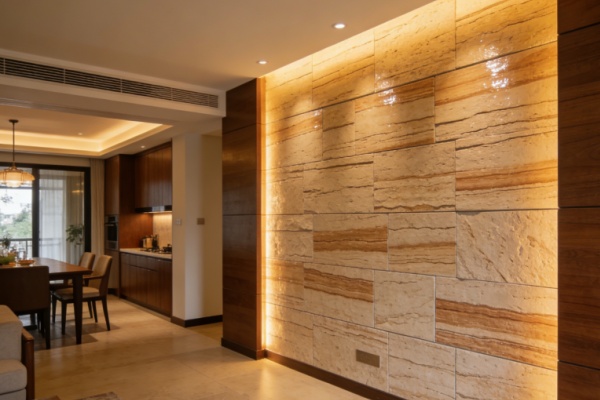
- Complex interior elements: Ceilings, furniture, cabinet panels
- Renovation projects: Install over existing tiles or finishes without demolition
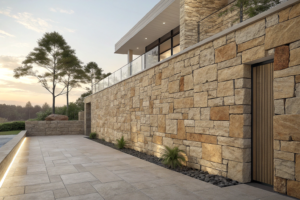
- Lightweight façade applications: Reduce structural load while maintaining authentic stone appearance
By maintaining a natural stone finish in ultra-thin sheets, flexible stone allows architects to merge aesthetics, performance, and sustainability in their projects.
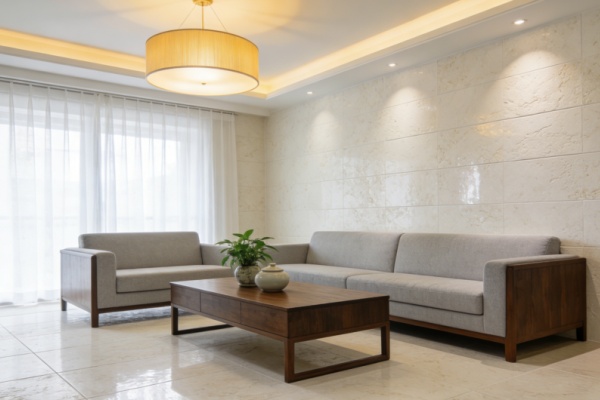
Installation and Practical Benefits
- Lightweight: Reduces transportation costs and simplifies handling
- Flexible: Can bend to gentle curves or wrap around non-linear surfaces
- Easy to cut and shape: Standard tools are sufficient, reducing labor time
- Eco-friendly: High material efficiency—less quarry waste and lower carbon footprint
- Time-saving: Faster installation compared to traditional stone panels
These features make flexible stone an ideal choice for commercial, residential, and renovation projects where traditional stone may be impractical.
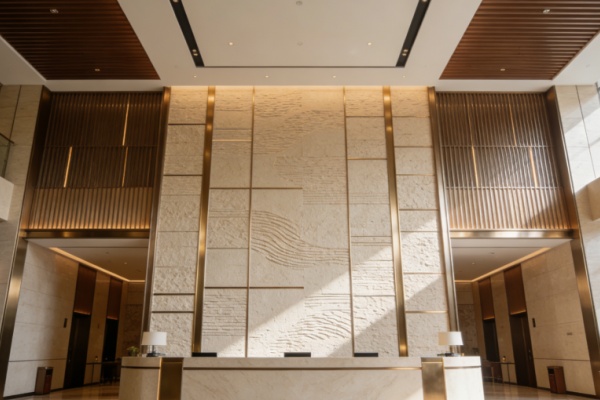
Why Flexible Stone Matters for Architects and Builders
Flexible stone is more than a substitute for traditional stone. Its lightweight, thin, and adaptable characteristics enable:
- Design freedom: Achieve curved or irregular forms with authentic stone
- Cost efficiency: Lower shipping, labor, and waste
- Sustainable solutions: Maximize material usage while reducing environmental impact
- Faster project delivery: Minimize installation time and disruption
In short, flexible stone allows architects, designers, and builders to use real stone in ways that were previously impossible, without sacrificing aesthetic quality or sustainability.