From Moroccan Zellige to Modern Porcelain Tile: A Contemporary Design Evolution
In recent years, Zellige-inspired surfaces1 have re-emerged as a defining element in interior and architectural design. Once rooted in Moroccan craftsmanship and historic mosaics, this expressive tile style has now been reinterpreted through modern porcelain tile technology, making it more accessible, durable, and suitable for contemporary residential and commercial projects.
This article explores what Zellige is, why designers are drawn to it today, and how porcelain tile has become a smart, modern way to achieve the same visual richness—without the limitations of traditional handcrafted materials.
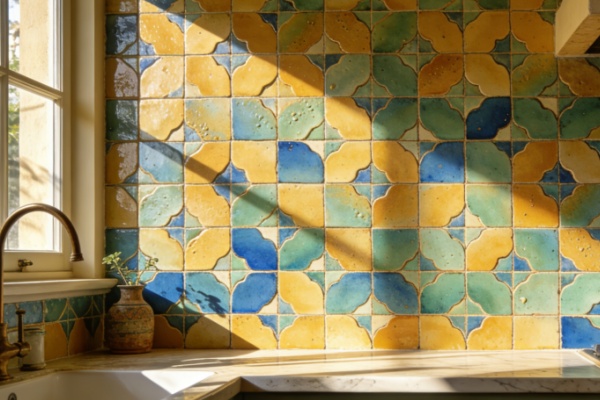
What Is Zellige?
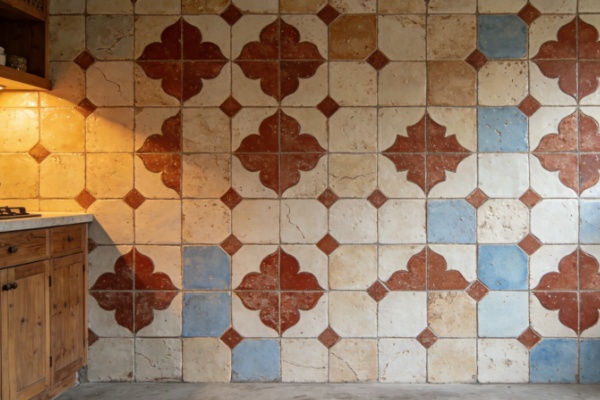
Zellige originated in North Africa as a form of hand-cut, glazed terracotta tile2, traditionally arranged into intricate geometric compositions. Each piece was individually shaped, fired, and glazed, resulting in surfaces rich with:
- Subtle color variation
- Irregular edges
- Reflective, glossy finishes
- A strong sense of craftsmanship and imperfection
Historically, Zellige tiles were used in palaces, mosques, courtyards, and fountains, where light and color played an essential role in architectural storytelling.
Today, Zellige has evolved beyond its traditional roots to become a design language3—one that values texture, variation, and artisanal character.
Why Zellige-Style Surfaces Are Trending Again
The renewed interest in Zellige is not accidental. Several global design trends have converged:
1. A Shift Toward Imperfection and Authenticity
Modern interiors increasingly favor materials that feel human, tactile, and imperfect, as a response to overly minimal or sterile spaces.
2. Light-Driven Design
Glossy, uneven surfaces interact beautifully with natural and artificial light, adding depth and movement to walls.
3. Timeless Meets Contemporary
Zellige-inspired tiles bridge the gap between heritage aesthetics and modern architecture4, working equally well in vintage-inspired interiors and clean, contemporary spaces.
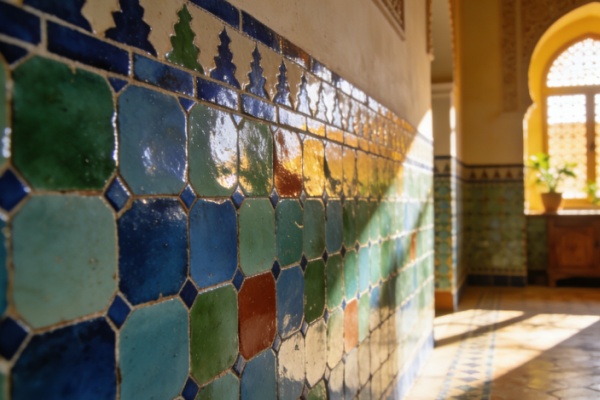
Traditional Zellige vs. Modern Porcelain Tile
While authentic Zellige remains admired, it also presents challenges—especially in large-scale or commercial projects. This is where porcelain tile reinterpretations5 have gained significant momentum.
Key Differences at a Glance
| Aspect | Traditional Zellige | Zellige-Style Porcelain Tile |
|---|---|---|
| Material | Hand-glazed terracotta | High-density porcelain |
| Color Variation | Natural, uncontrolled | Designed, controlled variation |
| Edge Profile | Irregular, hand-cut | Soft irregular or rectified options |
| Water Resistance | Limited | Excellent |
| Maintenance | High | Low |
| Application | Mostly walls | Walls & selected floors |
Porcelain tile preserves the visual soul of Zellige, while offering consistency, performance, and scalability.
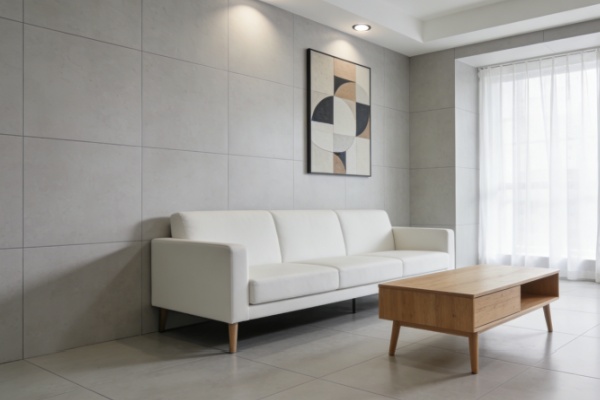
Why Designers Choose Porcelain for Zellige-Inspired Projects
Technical Performance Without Sacrificing Aesthetics6
Porcelain tiles are engineered to meet modern construction standards, making them ideal for:
- Bathrooms and wet areas
- Kitchens and backsplashes
- Hospitality and retail interiors
- High-traffic commercial environments
They resist moisture, stains, chemicals, and temperature changes—while still delivering the handcrafted look designers want.
Where Zellige-Style Porcelain Tiles Work Best
Bathrooms
Glossy, small-format porcelain tiles bring depth and brightness to shower walls and vanity backsplashes.
Kitchens
Zellige-inspired porcelain tiles add character to kitchen backsplashes while remaining easy to clean and maintain.
Feature Walls
From living rooms to hotel lobbies, textured porcelain surfaces create striking focal points without overwhelming the space.
Commercial & Contract Spaces
Restaurants, boutiques, and hospitality projects benefit from the durability and consistency porcelain provides, especially where maintenance and longevity matter.
Color, Finish, and Layout Considerations7
Modern Zellige-style porcelain tiles are available in a wide spectrum of colors—from muted neutrals to saturated jewel tones. Designers often consider:
- Gloss vs. satin finishes depending on lighting conditions
- Random or stacked layouts for different visual rhythms
- Tone-on-tone palettes for minimalist spaces
- High-contrast colors for bold architectural statements
The result is a surface that feels handcrafted, yet intentionally designed.
Tradition Reimagined for Modern Spaces
Zellige is no longer limited to historic or rustic interiors. Through porcelain tile innovation, its aesthetic has become adaptable to:
- Contemporary homes
- Minimalist interiors
- Mixed-material architectural designs
- Global commercial projects
This evolution allows architects and designers to honor tradition while meeting modern performance requirements.
Final Thoughts
Zellige is more than a tile—it is a visual language shaped by light, color, and craftsmanship8. Today, porcelain tile offers a modern interpretation that respects this heritage while solving the practical challenges of contemporary construction.
For designers, developers, and specifiers seeking the beauty of handcrafted surfaces with the reliability of advanced materials, Zellige-inspired porcelain tile represents the best of both worlds.
It is not about replacing tradition—but about translating it for the future.
Explore how Zellige-inspired surfaces blend traditional craftsmanship with modern design, offering unique aesthetic appeal in contemporary spaces. ↩
Learn about the craftsmanship and historical importance of hand-cut, glazed terracotta tiles in Zellige design. ↩
Understand how Zellige has transcended its origins to become a versatile design language in contemporary architecture. ↩
See how Zellige-inspired tiles harmonize traditional aesthetics with contemporary architectural styles. ↩
Find out how porcelain tile reinterpretations offer the visual appeal of Zellige with enhanced performance and scalability. ↩
Learn how porcelain tiles maintain aesthetic appeal while meeting modern construction standards for durability and functionality. ↩
Discover how color, finish, and layout choices impact the visual and functional aspects of Zellige-style porcelain tiles. ↩
Explore the elements that make Zellige a unique visual language, emphasizing its artistic and cultural significance. ↩