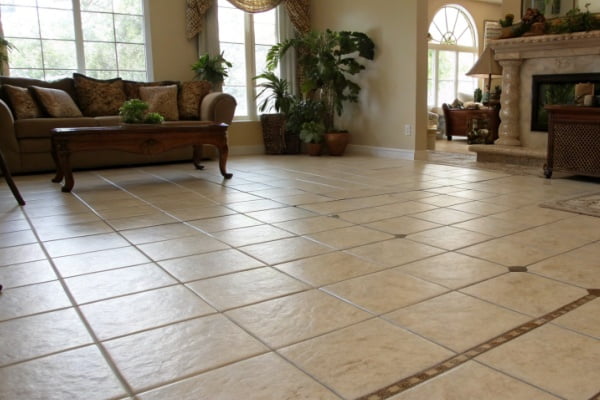
Choosing the wrong grout width1 can ruin a beautiful tile installation. This small detail can lead to cracking2, uneven surfaces3, and a look that just doesn't feel professional.
The ideal grout line width depends on the tile type and location. As a general rule, use 1-1.5mm for wall tiles, 1.5-2mm for standard floor tiles, and 3-5mm for rustic or large-format tiles4. This ensures both structural integrity and a clean, professional aesthetic.
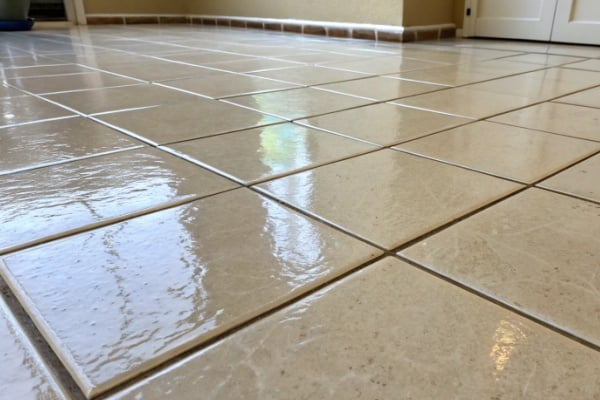
Getting the width right is one thing, but understanding the "why" behind these measurements is what separates an average job from a truly professional, long-lasting installation. The science behind tile spacing is crucial for any large-scale project or high-end design. Let's explore the critical factors that every importer, distributor, and contractor needs to know to guarantee a flawless result every time.
Why Should You Always Leave Grout Lines Between Tiles?
Skipping grout lines to get a seamless look seems tempting. But I've seen this shortcut lead to disastrous tile tenting5, cracking2, and uneven surfaces3 that require a complete re-do.
Grout lines are essential to absorb a tile's natural thermal expansion6 and contraction. They also compensate for tiny manufacturing size variations and allow installers to make crucial adjustments, preventing future buckling, cracking2, and lippage7.
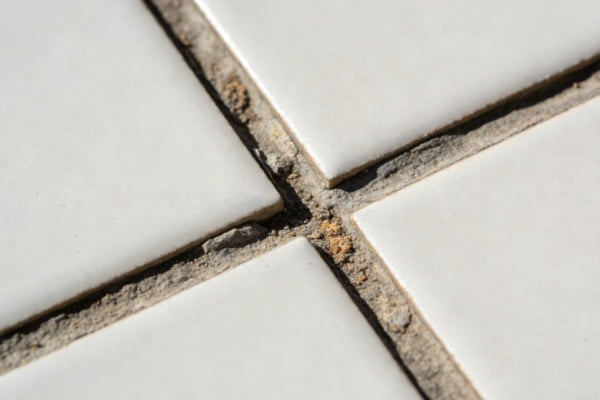
For years in the manufacturing business, I've seen firsthand what happens when this fundamental rule is ignored. It’s not just a recommendation; it's a core principle of proper tile installation.
The space between tiles is just as important as the tiles themselves. It provides a necessary buffer that protects the entire surface from several powerful forces. Understanding these forces is key to appreciating why we, as manufacturers, insist on proper grouting for all our porcelain tile8s. Let's break down exactly why these gaps are non-negotiable for a professional, durable finish that stands the test of time.
The Physics of Porcelain: Thermal Expansion
Every material, including incredibly dense porcelain tile8, expands when it gets warm and contracts when it cools. It might be invisible to the naked eye, but the movement is real. If you lay tiles edge-to-edge with no gap, there's nowhere for this expansion to go.
The pressure builds until the tiles are forced upward, creating a "tent" or "buckle" in your floor. I've seen this happen in projects exposed to direct sunlight or, ironically, those with underfloor heating. A proper grout line acts as a series of tiny expansion joints9 across the entire surface, safely absorbing that movement and keeping your floor flat and secure. It's the same principle used in building bridges and highways.
The Reality of Manufacturing: Caliber and Tolerance
As a manufacturer, I can be transparent about the production process. We use state-of-the-art technology, but creating millions of square meters of tile involves processes with heat and pressure. This results in micro-variations in the final size of each tile, a factor known in the industry as "caliber10." We're talking fractions of a millimeter, but over a large floor, these tiny differences add up. Grout lines are designed to absorb these slight tolerances.
Without them, you would start to see unevenness and "lippage7" (where one tile edge is higher than its neighbor), creating a messy, unprofessional look and a potential trip hazard. Grout lines ensure a visually perfect, flat surface.
The Art of Installation: A Margin for Perfection
Talk to any professional installer, and they'll tell you that grout lines are their safety net. Laying tile perfectly is a skill that requires precision over a large area. A grout gap gives the installer a small but crucial margin for error.
If one row starts to drift slightly out of line, they can make tiny adjustments within the grout space over the next few tiles to bring it back to perfect. Without that gap, even the smallest error becomes magnified and is impossible to fix without tearing out the work and starting over.
This feature is especially critical for our B2B clients, as it ensures the installers they work with can install our products efficiently and effectively.
What's the Ideal Grout Width for Different Porcelain Tile Types?
You know you need grout lines, but picking the wrong width can still ruin the project. Too narrow and you risk structural failure; too wide and it can look dated or become a dirt trap.
For standard kitchen and bathroom wall tiles, use a 1-1.5mm gap. For most polished or glazed porcelain floor tiles, 1.5-2mm is ideal. For rustic-look, antique, or large-format tiles4, a wider 3-5mm gap is often required for both structural and aesthetic reasons.
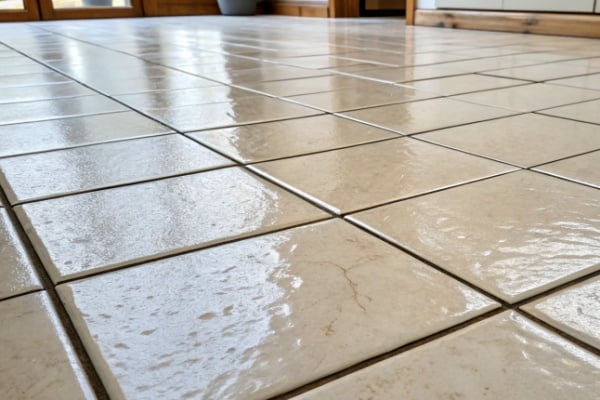
The "one size fits all" approach simply doesn't work. The right choice is a balance between technical requirements, tile format, and the final design vision for the space. For our partners who import and distribute our tiles, providing this specific guidance to your customers is a mark of expertise.
It helps them plan their projects with confidence and ensures our products perform and look exactly as they were designed to. Let's get into the specific recommendations we provide for our different porcelain tile8 lines, which will help you advise your own clients with authority.
A Practical Guide to Grout Spacing
To make it simple, I've put together a table based on the tile types we manufacture. This is the same guidance we give to the large-scale developers and international brands we partner with. Following these standards ensures a predictable, high-quality outcome.
| Tile Type | Typical Location | Recommended Width | Key Considerations |
|---|---|---|---|
| Interior Wall Tiles | Kitchen Backsplashes, Bathroom Walls | 1mm - 1.5mm | Use tile spacers11 for perfect uniformity. This narrow line is clean, modern, and easy to maintain in wet areas. |
| Polished & Glazed Floor Tiles | Residential & Commercial Floors | 1.5mm - 2mm | This is the sweet spot that balances aesthetics with function. It's wide enough for thermal movement but narrow enough to prevent dirt accumulation. |
| Large Format Tiles (>60x60cm) | Floors & Walls, Open-Plan Spaces | 2mm - 3mm | Larger tiles experience more total movement. A slightly wider gap is necessary to prevent stress, especially over large areas. |
| Rustic & Antique-Look Tiles | Feature Walls, European-Style Floors | 3mm - 5mm | The wider grout line is a key part of the design aesthetic. It frames the tile and is often filled with a contrasting grout for a bold look. |
| Exterior Porcelain Pavers (20mm) | Patios, Walkways, Terraces | 3mm - 5mm | Absolutely essential for outdoor applications. This width accommodates significant temperature swings and allows for proper water drainage. |
Special Considerations for Your Project
Beyond the tile type itself, a few other factors can influence your decision. We always advise our clients to consider the environment and the specific tile characteristics.
If you're tiling in the winter, especially in a cold climate, the tiles are at their smallest physical size. We recommend increasing the grout line by about 0.5mm to 1mm. This gives the tiles extra room to expand when the temperature rises in the summer, preventing buckling.
Furthermore, it's important to know if you are working with rectified or non-rectified tiles. Our rectified tiles12 are mechanically cut to a precise, near-perfect 90-degree edge after firing. This consistency allows for very narrow grout lines (1.5mm is common). Non-rectified tiles12 have a more natural, slightly curved edge from the press.
They require a slightly wider gap (around 3mm) to accommodate these natural variations. Always confirm the tile type with your supplier—that’s us—to choose the correct grout width1 and ensure a perfect finish.
Conclusion
Grout lines are vital for function and aesthetics. The right width depends on tile type, location, and project needs. Follow these professional guidelines for a flawless, durable, and beautiful installation.
Understanding the correct grout width is crucial for achieving a professional tile installation that is both aesthetically pleasing and structurally sound. ↩
Exploring how improper grout width can cause cracking will help you prevent costly repairs and ensure a long-lasting tile installation. ↩
Learn how grout width affects tile alignment and surface evenness, ensuring a smooth and professional finish. ↩
Wider grout lines are necessary for large-format tiles to accommodate movement and prevent stress over large areas. ↩
Learn how proper grout spacing can prevent tile tenting, maintaining the integrity of your flooring. ↩
Discover the importance of grout lines in managing thermal expansion, preventing tile tenting and buckling. ↩
Grout lines are essential in avoiding lippage, ensuring a safe and visually appealing tile installation. ↩
Porcelain tiles are durable and versatile. Discover why they are a popular choice for both interior and exterior projects. ↩
Explore how grout lines act as expansion joints, absorbing movement and preventing tile damage. ↩
Understanding tile caliber helps in choosing the right grout width to accommodate manufacturing variations and ensure a flat surface. ↩
Tile spacers are crucial for achieving consistent grout lines, enhancing the overall appearance of your tile installation. ↩
Rectified tiles allow for narrower grout lines, offering a sleek finish. Learn how they differ from non-rectified tiles. ↩