Routine Cleaning and Maintenance for Flexible Stone
Flexible stone offers the authentic aesthetics of natural rock with a lightweight, versatile profile. To maintain its high-end appearance and structural integrity, a consistent maintenance schedule is essential.
Daily and Weekly Cleaning Practices
Preserving the texture of flexible stone requires preventing the buildup of environmental debris. For interior surfaces, a soft cloth or a microfiber duster should be used daily to remove dry dust. For flooring or high-traffic wall areas, weekly cleaning with a damp (not soaking) mop ensures that fine particles do not settle into the stone’s natural crevices. Always wipe in the direction of the stone’s grain to maintain a uniform finish.
Recommended Cleaning Solutions and Tools
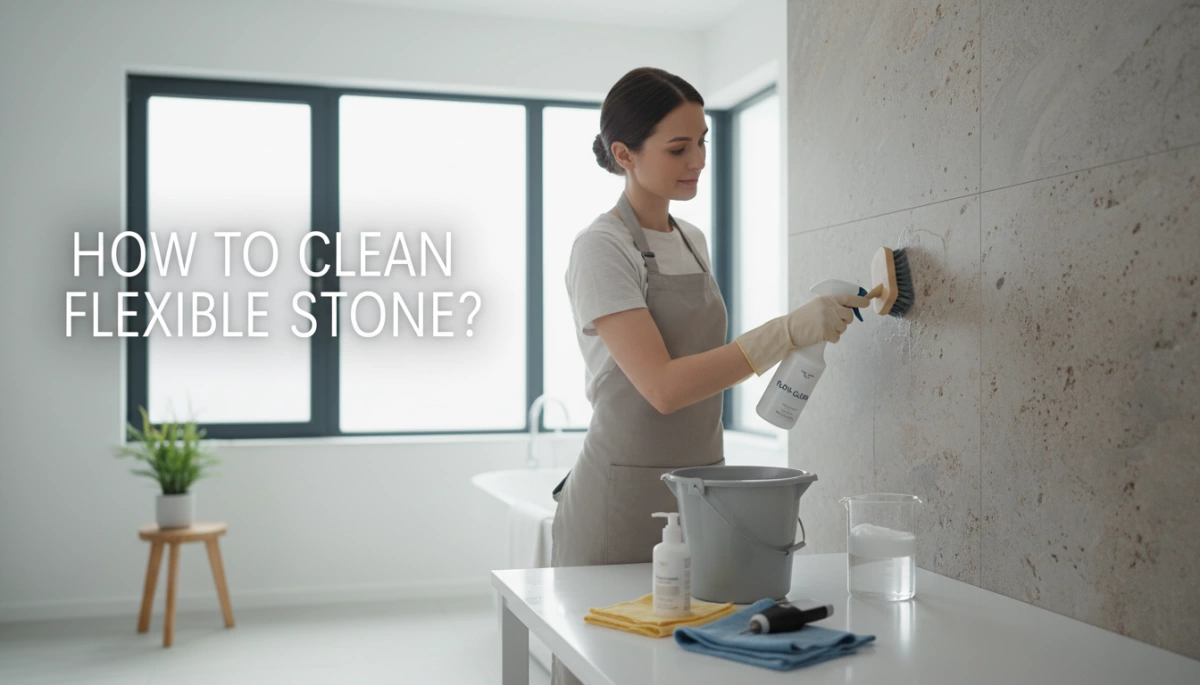
To protect the resin binders and natural minerals within the veneer, use only pH-neutral cleaners. Avoid all-purpose sprays that contain citrus or vinegar.
- Tools: Use non-abrasive microfiber towels, soft-bristled brushes for textured areas, and spray bottles for controlled application.
- Solutions: Use distilled water mixed with a drop of mild, phosphate-free dish soap or specialized stone soaps.
- Action: Apply the solution to the cloth rather than spraying the stone directly to prevent oversaturation of the seam treatment.
Regular Surface Inspections
Conduct a monthly visual audit of your flexible stone installation to catch potential issues early. This proactive approach extends the lifespan of the material and ensures the regular cleaning routine remains effective.
| Feature to Inspect | What to Look For |
|---|---|
| Joint Integrity | Check for gaps in the seam treatment or sealant. |
| Surface Texture | Look for localized dullness that may indicate a need for resealing. |
| Edge Bonding | Ensure the edges remain flush against the substrate to prevent moisture ingress. |
| Color Consistency | Identify any fading caused by extreme UV exposure or harsh chemical contact. |
Tackling Specific Stains on Flexible Stone
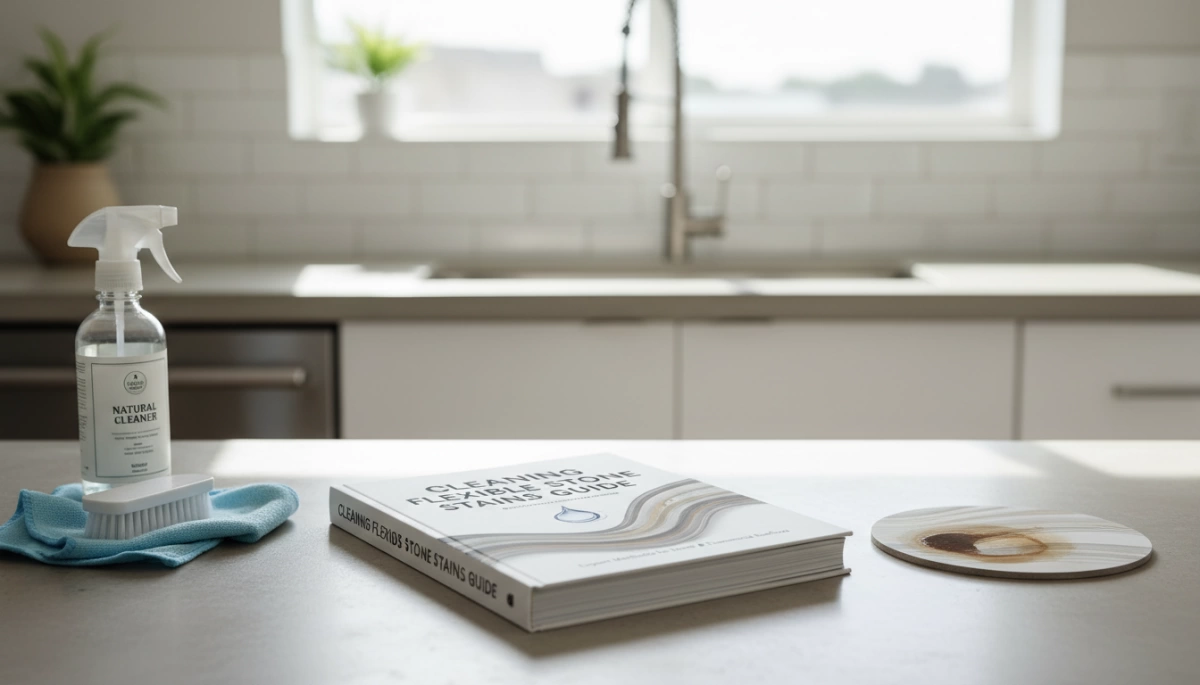
Even with regular cleaning, accidents happen. Whether you are dealing with a kitchen backsplash or a bathroom wall, knowing exactly how to clean flexible stone when stubborn stains strike is crucial for keeping your surfaces looking pristine.
Removing Food and Juice Spills
When food or drinks hit your flexible stone, speed is your best friend.
- Act quickly: Wipe up spills immediately using a soft cloth.
- Use mild soap: A mix of warm water and pH-neutral soap works best for lifting pigments.
- Watch the acids: Always avoid acidic cleaners like vinegar or lemon-based sprays. These can etch the stone’s surface, which is especially important to remember if you are already dealing with an acidic spill like tomato sauce or wine.
Cleaning Oily Cosmetics and Greasy Residue
Grease from cooking or oils from makeup products can seep in and darken the stone if left untreated.
- Degrease gently: Apply a few drops of mild dishwashing liquid directly to a damp sponge or cloth.
- Blot, don’t scrub: Gently dab the greasy spot until the oil completely lifts out of the texture.
- Rinse thoroughly: Wipe the area down with clean water to prevent a dull, soapy film from building up over time.
Addressing Bathroom Yellowing and Water Spots
Bathrooms see a lot of moisture, which can lead to hard water mineral buildup and slight yellowing.
- Squeegee daily: The easiest fix is prevention. Wipe down shower walls immediately after use.
- Stone-safe cleaners: Use a non-abrasive, stone-specific cleaner to gently dissolve water spots. Never use generic, heavy-duty bathroom bleach or tub cleaners, as they will degrade the flexible stone veneer.
Dealing with Glue and Adhesive Marks
It is completely common to find leftover residue shortly after putting up your panels.
- Plastic tools only: Carefully lift dried glue or caulk using a plastic scraper. Never use metal razor blades, as they will gouge the stone layer.
- Mineral spirits: Lightly dab a stone-safe adhesive remover onto a cloth to gently rub away stubborn stickiness.
- Mind the gaps: Pay special attention to your seam treatment areas. Ensure you do not accidentally dissolve or weaken the actual seam sealant while trying to clean up stray installation adhesive.
Cleaning Techniques and Common Mistakes to Avoid
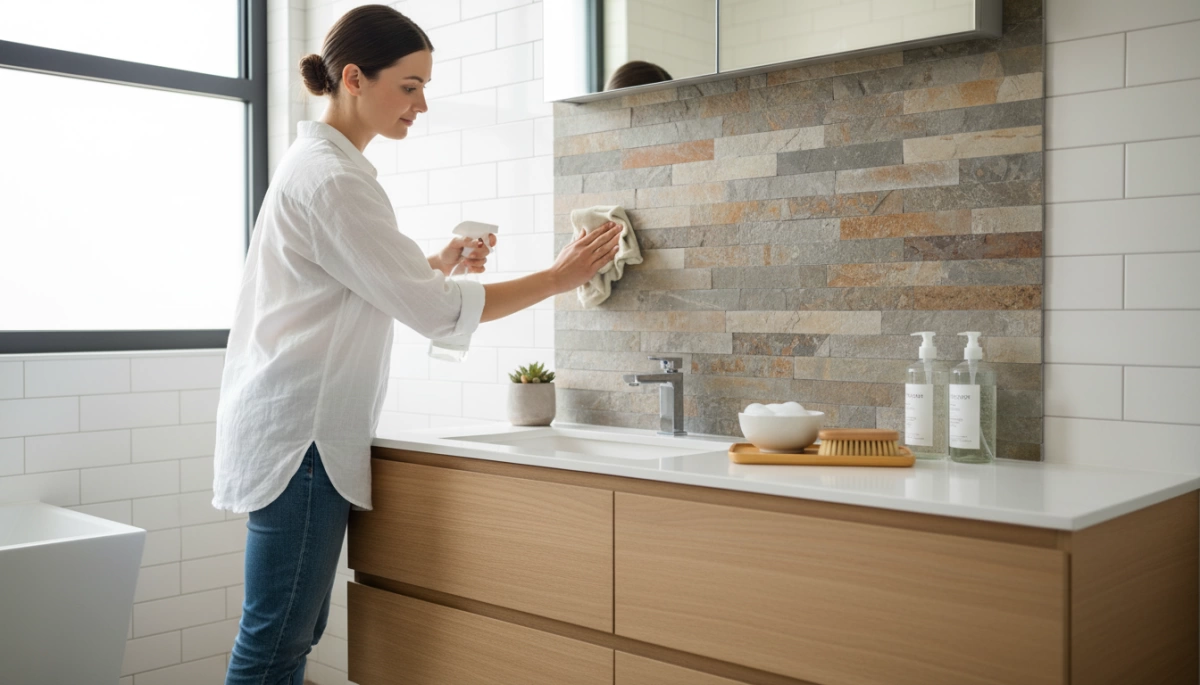
When figuring out how to clean flexible stone, knowing what not to do is just as important as the cleanup itself. I always remind our customers that maintaining this material is straightforward, provided you steer clear of a few common traps. Consistent, regular cleaning keeps the surface looking fresh, but using the wrong methods will ruin the finish of your investment.
Prohibited Cleaning Agents and Harsh Chemicals
You must protect the surface integrity of your stone veneer. Harsh chemicals strip the protective layer and cause permanent discoloration. Always avoid acidic cleaners and stick strictly to pH-neutral soap and water.
- Acidic Cleaners: Household staples like vinegar, lemon juice, and rust removers will eat away at the stone’s top layer.
- Bleach and Ammonia: These aggressive chemicals lead to severe fading and structural breakdown over time.
- Industrial Solvents: Paint thinners and heavy degreasers can melt or warp the material’s flexible backing.
Why You Should Avoid Abrasive Scrubbers
Our flexible stone is manufactured with a beautiful, realistic texture. Scrubbing it aggressively flattens that texture and leaves behind permanent, visible damage. Instead of abrasive tools, always reach for a soft cloth or a gentle sponge.
- Steel Wool: Scratches the surface deeply and leaves behind iron particles that will eventually rust.
- Hard-Bristled Brushes: Gradually wears down the protective topcoat and dulls the finish.
- Scouring Pads: Removes the natural sheen and vibrant color of the stone panels.
Safe Post-Installation Cleaning Methods
The dust and residue left behind after putting up your new walls require careful handling. Here are a few crucial installation tips for that critical first cleanup to ensure your walls look flawless from day one.
- Clear the Dust: Gently wipe the entire surface with a dry microfiber duster or mop to pick up loose construction debris.
- Spot Treat Adhesive: If you spot wet glue, dab it immediately with a damp rag. Never rub or smear it across the stone grain.
- Mind the Joints: Pay close attention during your seam treatment. Give the seams and joints enough time to dry and cure completely before applying any wet cloths to the area.
Protecting Your Flexible Stone Veneer
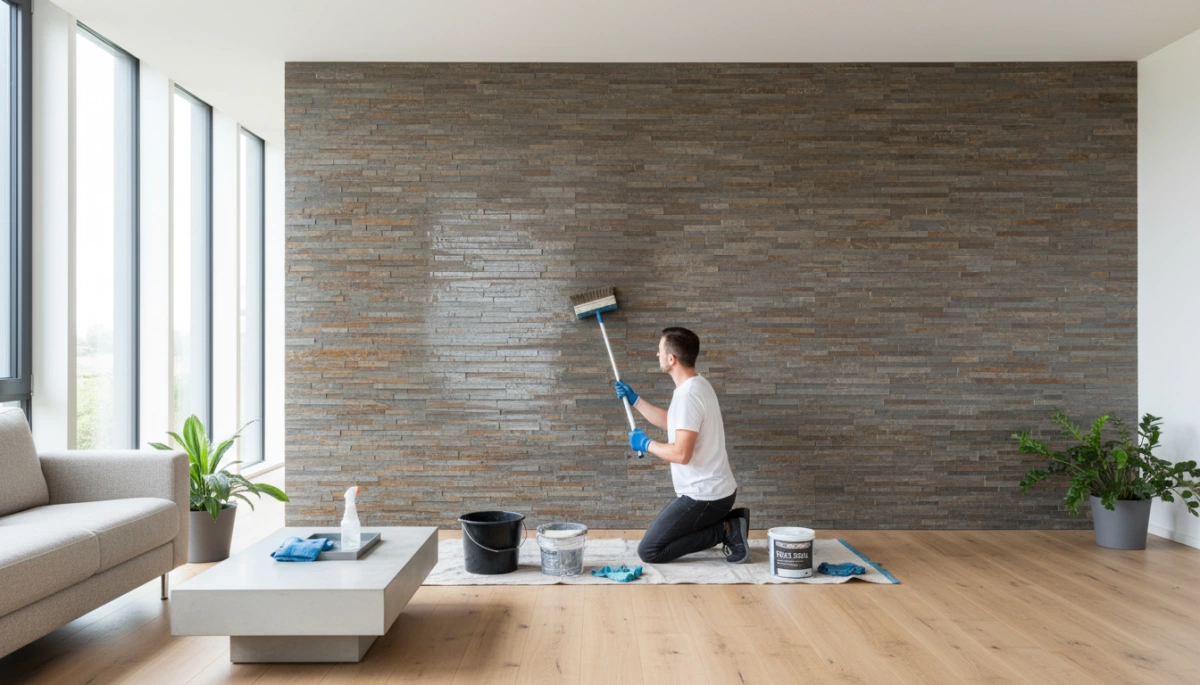
The Importance of Sealing Flexible Stone
I always remind my clients that sealing is the ultimate defense for flexible stone. A good sealer actively blocks moisture, dirt, and daily oils from penetrating the material’s surface. Establishing a strong seal preserves the authentic texture and makes regular cleaning incredibly fast and easy. Without it, the slightly porous areas of the stone can absorb spills, leading to stubborn stains that are frustrating to remove.
Choosing the Right Stone Sealer
You need a high-quality, penetrating sealer specifically formulated for natural stone veneers. Water-based, breathable sealers are generally the safest and most effective choice for this material. Just as you must avoid acidic cleaners during routine maintenance, you should also stay away from harsh, heavy-duty chemical sealants that could damage the flexible fiberglass backing or alter the stone’s natural color profile.
Application and Reapplication Guidelines
Applying the sealer is a straightforward process. Here is my standard method for getting a flawless finish:
- Prep the area: Ensure the flexible stone surface is completely clean and dry before starting.
- Apply evenly: Wipe the sealer across the stone using a clean, soft cloth or a dense foam brush.
- Focus on the gaps: Give extra attention to your seam treatment areas to lock out hidden moisture between the sheets.
- Wipe away excess: Remove any pooling liquid after a few minutes to prevent cloudy spots from forming.
For long-term protection, I recommend reapplying your sealer every 1 to 3 years. High-traffic areas like kitchen backsplashes or exterior walls will naturally need more frequent applications. Keep these sealing habits and basic installation tips in mind, and your flexible stone veneer will look brand new for years.
Long-Term Care, Refurbishing, and Professional Help
While regular cleaning handles the day-to-day upkeep, maintaining the true beauty of your flexible stone veneer over the years requires a bit more attention. Long-term care ensures the material stays durable and visually striking.
How to Refurbish and Polish Flexible Stone
Over time, you might notice your flexible stone losing its initial luster. Refurbishing the surface brings that fresh look back. I recommend using a specialized stone polish formulated for flexible veneers.
- Wipe Down: Start by wiping the surface with a damp soft cloth to remove surface dust.
- Apply Polish: Work the polish into the stone using gentle, circular motions.
- Keep it Safe: Always avoid acidic cleaners and harsh polishing compounds, as these will eat through the protective layer and damage the stone’s texture.
Handling Minor Surface Repairs
Minor wear and tear is normal. You can handle small repairs on your own without replacing the entire sheet.
- Surface Scratches: Use a color-matching stone touch-up marker to blend minor surface scratches into the natural pattern.
- Lifting Edges: If an edge starts to lift—often a sign that certain installation tips were overlooked—carefully apply a dab of flexible construction adhesive behind it and press firmly until it sets.
- Fixing Gaps: Proper seam treatment is crucial. If gaps appear between tiles, apply a matching flexible caulk or sealant to close the space and prevent moisture intrusion.
When to Hire Professional Maintenance Services
Knowing exactly how to clean flexible stone saves you time and money, but some situations call for professional intervention. I always advise hiring an expert when you encounter severe issues. Call in a professional maintenance service if you experience:
- Deep, Stubborn Stains: Discoloration that refuses to lift even after repeated, targeted cleaning attempts.
- Widespread Detachment: Large sections of the flexible stone are peeling away from the substrate, requiring structural re-adhesion.
- Full Surface Restoration: The stone needs a complete, heavy-duty strip and reseal to recover from years of neglect.
Professionals have access to commercial-grade equipment and safe extraction methods that restore your walls without risking further damage to the material.