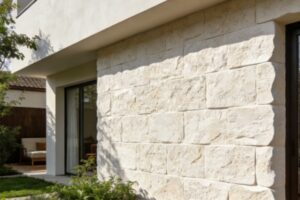
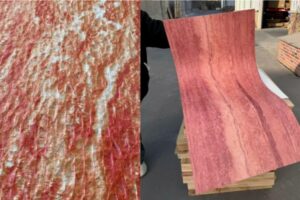
Tired of boring walls? A stone accent wall looks amazing but seems too heavy and expensive. What if you could get that look without the high cost and difficult installation?
To create a stone accent wall, use a modern material called flexible stone veneer1. This is a lightweight2, thin sheet made from natural stone powder3. It is easy to cut, simple to install with adhesive, and can even be applied to curved walls for a high-end look.
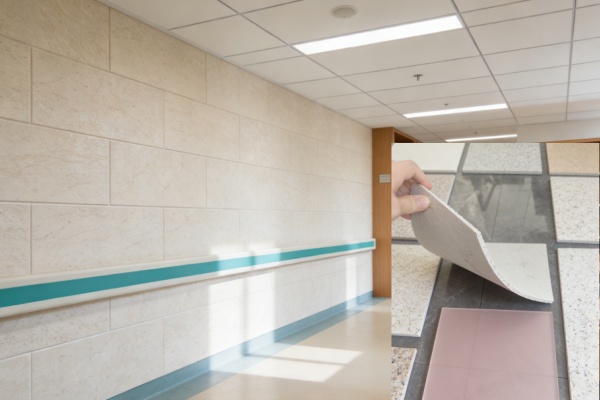
I've been in the tile manufacturing business for years, and I've seen many trends come and go. In the past, people used wallpaper, culture stone, or heavy tiles. But this new material, flexible stone, is different.
It's changing how our clients—importers, distributors, and contractors—think about wall finishes. You might be wondering what exactly it is and how it can help your projects. Let’s break it down and look at the details.
What exactly is flexible stone and why is it a game-changer?
Does the term "flexible stone" sound strange? Stone is supposed to be hard and heavy. This new idea can be confusing, which might make you stick with old materials you know.
Flexible stone, also known as soft porcelain tile, is a new building material made from natural stone powder3. It’s only 2-3mm thick and very lightweight2, yet it has the authentic texture and durability of real stone, making it a revolutionary alternative.
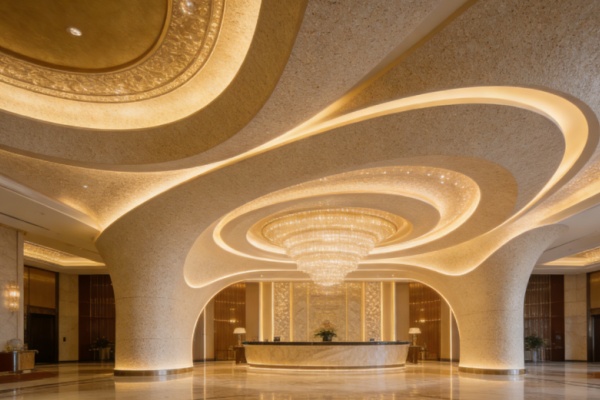
In our factory, we handle materials every day, and flexible stone is truly unique. It starts with natural stone powder3, the same base as many traditional products.
However, the manufacturing process is completely different. This process creates a thin, pliable sheet that feels like a strong, stone-based fabric. The final product is only 2 to 3 millimeters thick. This is a huge advantage.
It means our B2B partners can ship more material for less cost and handle it on-site with just one or two people. It also has no formaldehyde or strong odors, making it a safer choice for interior spaces. This material solves the biggest problems of natural stone: its weight and its rigidity. It opens up new design possibilities for architects and designers that were just too difficult or expensive before.
| Feature | Specification | Benefit for Your Business |
|---|---|---|
| Thickness | 2–3 mm | Easy to handle, fits tight spaces, more per shipment. |
| Weight | Under 5 kg/m² | Lowers shipping costs4, reduces on-site labor needs. |
| Composition | Natural Stone Powder | Offers an authentic look and feel customers want. |
| Safety | No formaldehyde | Meets safety standards5 for interior projects. |
What design options6 does flexible stone offer?
Are you concerned that a new material will limit your design options6? You need creative freedom for your projects and don't want to be stuck with just one look.
Flexible stone comes in many styles that look just like real stone. You can find travertine, linear stone, brick, and even wood-grain looks. We can also produce custom printed or carved designs, so the options for color and texture are vast.
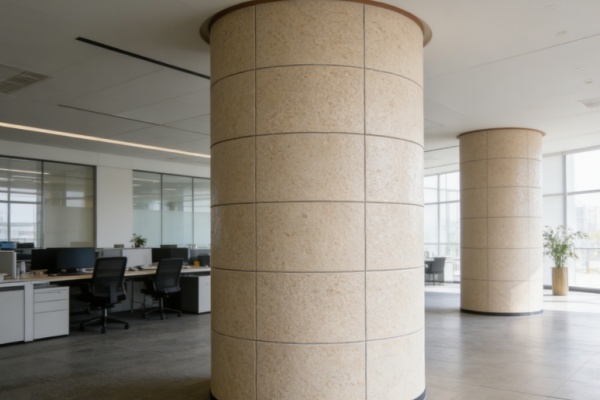
One of the best things about flexible stone is the variety. It is not just one look. As an OEM/ODM supplier7, we help our clients develop entire product lines with this material. The possibilities are huge and allow our partners to stand out in their markets.
Core Collections for Wholesale
- Travertine Series: This style mimics the porous, natural look of travertine stone. It is perfect for classic and elegant spaces that require a touch of luxury.
- Brick Series: You get the look of a classic brick wall without the weight and complex masonry work. This is great for industrial or rustic styles in commercial and residential projects.
- Wood Series: This series offers the warmth of wood grain with the durability of stone. It's a fantastic option for areas where real wood is not practical, like bathrooms or high-traffic commercial spaces.
Advanced OEM/ODM Customization
We also offer more advanced options for projects that need something unique. The Printing Series allows for custom digital images to be printed directly onto the material. The Carving and Weaving Series create incredible 3D textures8 that play with light and shadow. This level of customization means our B2B clients, like brand owners and importers, can create exclusive collections for their specific markets.
How does flexible stone compare to traditional stone?
You have always used traditional stone, and it works. So why should you switch? It can feel risky to try a new material if you are not sure it performs better.
Compared to traditional stone, flexible stone is over 70% lighter and much thinner. It can be bent and cut easily on-site. This drastically reduces installation time and labor costs, and it allows installation on curved surfaces where heavy stone cannot go.
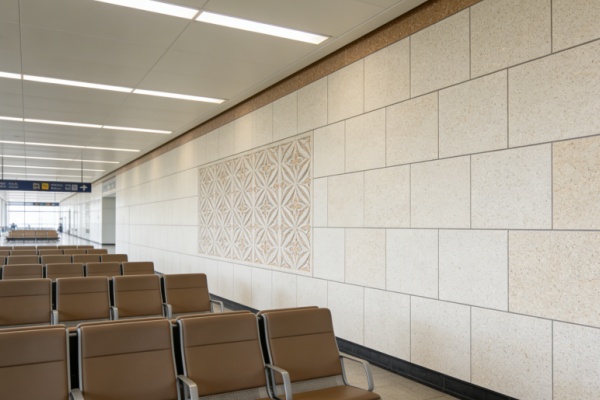
As a manufacturer, we focus on practical benefits for our partners. It is not just about looks; it is about the entire supply chain and project workflow. The differences between flexible stone and traditional stone are significant for businesses. The advantages become clear when you look at a direct comparison.
| Aspect | Traditional Stone | Flexible Stone |
|---|---|---|
| Weight | Very Heavy (20-30 kg/m²) | Very Light (< 5 kg/m²) |
| Thickness | Thick (15-30 mm) | Very Thin (2-3 mm) |
| Installation | Requires specialists, heavy lifting, wet cutting | Simple, cut with a utility knife, uses adhesive |
| Application | Flat surfaces only, needs strong support | Flat and curved surfaces, columns, arches |
| Labor Cost | High | Low |
| Shipping & Logistics | High cost, high risk of breakage | Low cost, low risk of breakage |
The weight difference alone is a major factor. It impacts everything from shipping logistics to on-site safety. Lighter material means lower freight costs for our importers.
Easier installation means contractors can finish jobs faster. This reduces labor costs and allows them to move on to the next project. The ability to wrap it around columns or curved walls opens up a whole new market.
What is the installation process9 for a flexible stone wall?
Are you worried about a difficult installation process9 for a new material? You don't have time to train your crew on complex new methods or hire expensive specialists for every job.
Installation is simple. First, prepare the wall and mark your lines. Then, cut the flexible stone sheets, apply a special adhesive to the back, and press them onto the wall. Finally, treat the seams and clean the surface.
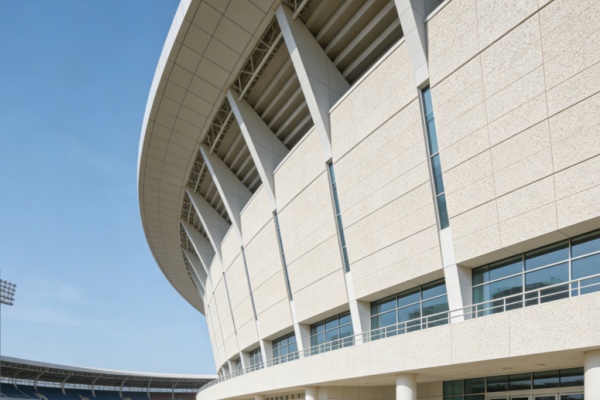
The installation process9 is one of the biggest selling points for our professional clients. It is designed to be efficient and clean, which saves time and money on the job site. Here is the typical workflow that your installation teams can follow.
- Site Preparation: Make sure the wall is clean, dry, and flat. You should fix any major holes or bumps first. This ensures good adhesion.
- Line Marking & Positioning: Use a level and a chalk line to mark where your first sheets will go. A straight start is key to a professional finish.
- Cutting the Sheets: You can cut the flexible stone sheets to size using a heavy-duty utility knife. This is much cleaner, quieter, and faster than cutting traditional stone or tile with a wet saw.
- Applying the Adhesive: Use the recommended adhesive for flexible stone. Spread a thin, even layer on the back of the sheet with a notched trowel.
- Pasting the Sheet: Press the sheet firmly onto the wall. Start from one end and smooth it out to remove any air bubbles.
- Seam Treatment: You can either butt the joints tightly together or leave a small gap for grout, depending on the desired look.
- Cleaning Up: Wipe away any excess adhesive from the surface before it dries.
The whole process is fast and creates very little dust. Also, if a section needs to be replaced years later, it is much easier to remove a thin sheet than to demolish a thick stone or tile wall.
Conclusion
In short, flexible stone offers the beauty of a real stone wall with less weight, cost, and installation hassle, making it a superior choice for modern building projects.
Explore how flexible stone veneer can transform your space with its lightweight and stylish design. ↩
Find out how lightweight materials can reduce costs and improve efficiency in building projects. ↩
Learn about the benefits of natural stone powder in creating durable and aesthetic building materials. ↩
Find out how using flexible stone can lead to significant savings in shipping and logistics. ↩
Ensure your projects meet safety regulations by understanding the standards for interior materials. ↩
Discover the variety of styles and textures that flexible stone offers for creative projects. ↩
Discover how OEM/ODM suppliers can help businesses innovate and expand their product lines. ↩
Explore how 3D textures can add depth and interest to your design projects. ↩
Understand the simple steps involved in installing flexible stone for a hassle-free experience. ↩