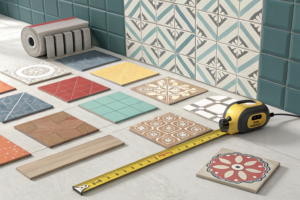
Choosing between tiles can be tough. You hear porcelain is stronger, but worry about a difficult installation. Let's look at the real differences to help you decide easily.
Yes, porcelain tile1 is generally harder to install than ceramic. Its density and hardness make it more difficult to cut and drill. This requires specialized tools and more skill, which can increase installation time2 and cost for your project.
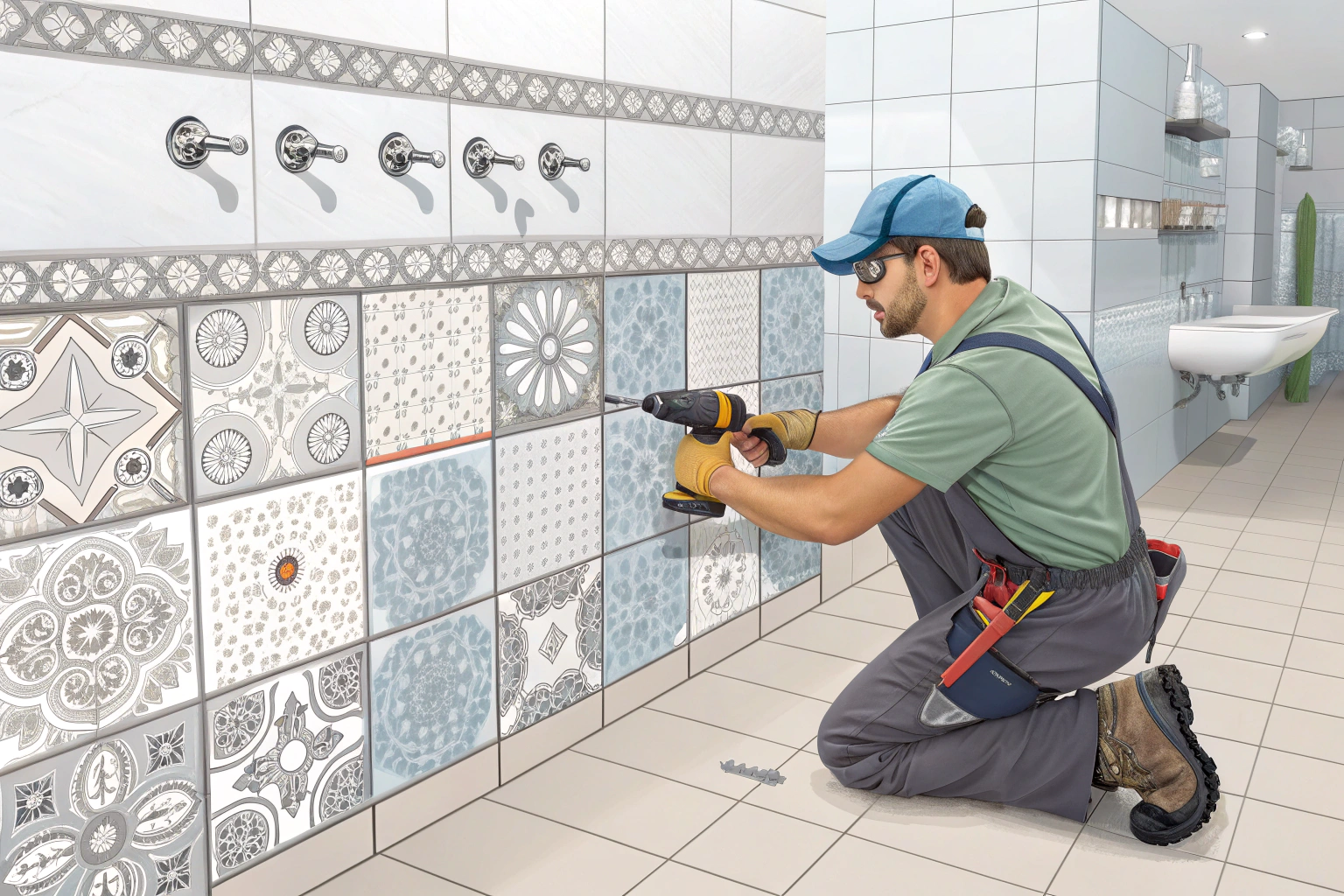
So, you know porcelain is tougher, but what does that actually mean for your project? The answer lies in how these two tiles are made, which affects everything from the tools you need to where you can safely install them. Let's dig into why these two materials, which can look so similar, behave so differently during installation.
What makes ceramic tile different from porcelain?
They look so similar on the shelf, it is easy to get confused. But picking the wrong one could mean a failed project down the road. Understanding how they are made is the first step.
Porcelain and ceramic tiles both start as clay and are fired in a kiln. The main difference is the clay itself. Porcelain uses a finer, denser clay and is fired at much higher temperatures. This process makes porcelain harder and less porous than standard ceramic tile.
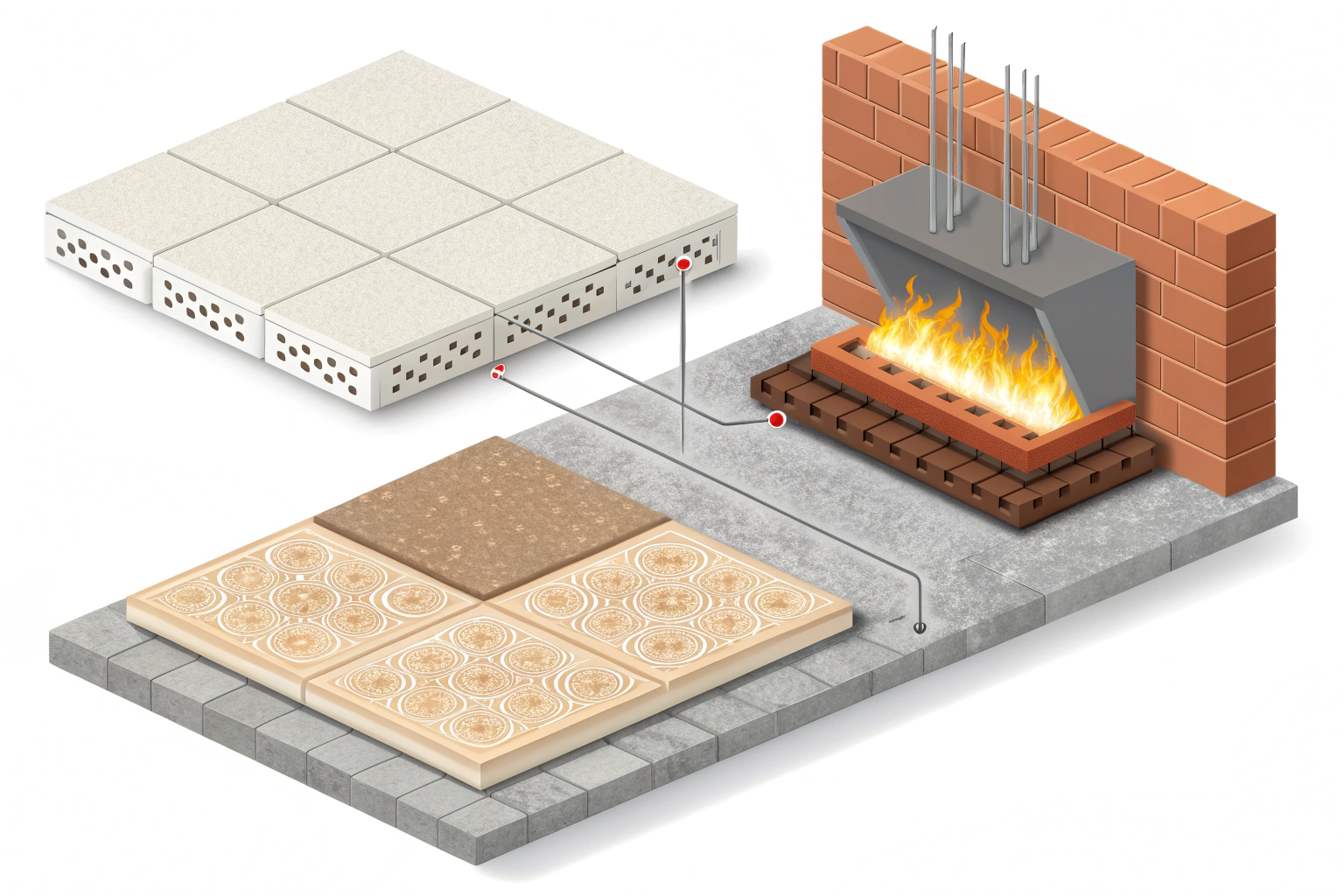
Let's break this down further. People have used ceramic tiles for thousands of years. They are made from natural clay mixed with things like sand and water. This mix is shaped, sometimes a glaze is added for color and protection, and then it's baked in a kiln. This traditional process creates a huge variety of styles. Some are perfect for a decorative backsplash, while others are great for a kitchen floor.
Porcelain is really just a special type of ceramic tile. Think of it as the next level up. It uses a more refined and purer clay. This clay is pressed at a higher pressure and then baked at a much hotter temperature. This intense process makes the final tile incredibly dense and strong.
Here is a simple table to show the main differences:
| Feature | Ceramic Tile | Porcelain Tile |
|---|---|---|
| Clay Type | Standard, less dense clay | Refined, denser clay |
| Firing Temp | Lower temperature | Higher temperature |
| Result | Softer, more porous | Harder, less porous |
| Best For | Walls, low-traffic areas | Floors, high-traffic, outdoors |
Why does tile density3 matter for installation?
You hear words like "density" and "hardness" a lot. But what does that really mean for you when you are trying to install it? Let's connect the material's density directly to the challenges you'll face.
Tile density directly impacts how hard it is to cut. Softer, less dense ceramic tile is easy to score and snap with a basic manual cutter. Hard, dense porcelain often requires a wet saw4 with a diamond blade for clean cuts, making the process slower and more difficult.
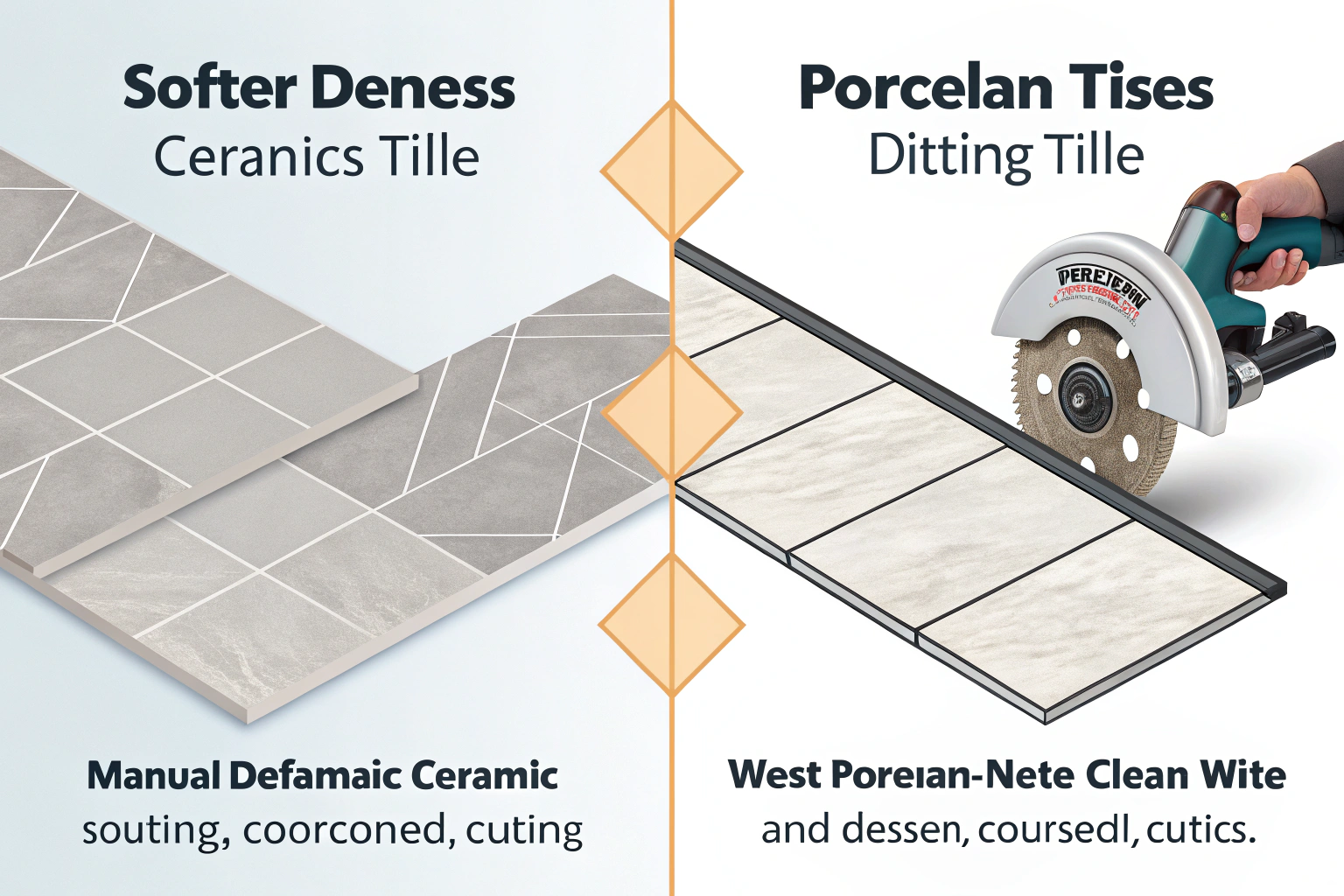
Cutting ceramic tile is pretty straightforward. Because it's a softer material, you can usually use a simple score-and-snap cutter. I remember my first DIY bathroom project. I bought a cheap manual cutter, and it worked perfectly on the ceramic wall tiles. It’s a big reason why ceramic is so friendly for people doing projects themselves. You score a line across the glaze and then apply pressure to snap it cleanly.
Porcelain is a completely different story. Its hardness makes it very brittle. If you try to use a simple score-and-snap cutter, you risk getting a jagged edge or breaking the tile completely. To get a clean, professional cut, you really need a wet saw4. This tool has a diamond-tipped blade and uses water to keep the blade cool and reduce dust. A wet saw4 is more expensive, messier, and requires more skill to use. This is why professional installation costs more for porcelain. You're paying for the specialized equipment and the expertise needed to handle such a tough material.
Is water absorption5 really a big deal for tile?
Water absorption probably sounds like a minor technical detail. But ignoring this one factor can lead to cracked tiles and a completely ruined installation. Here is why this number is so critical.
Yes, water absorption5 is very important, especially for outdoor projects or in wet areas like showers. Porcelain absorbs very little water. This means it won't expand or contract much with temperature changes. Ceramic is more porous, so it can crack if used outdoors where water can freeze.
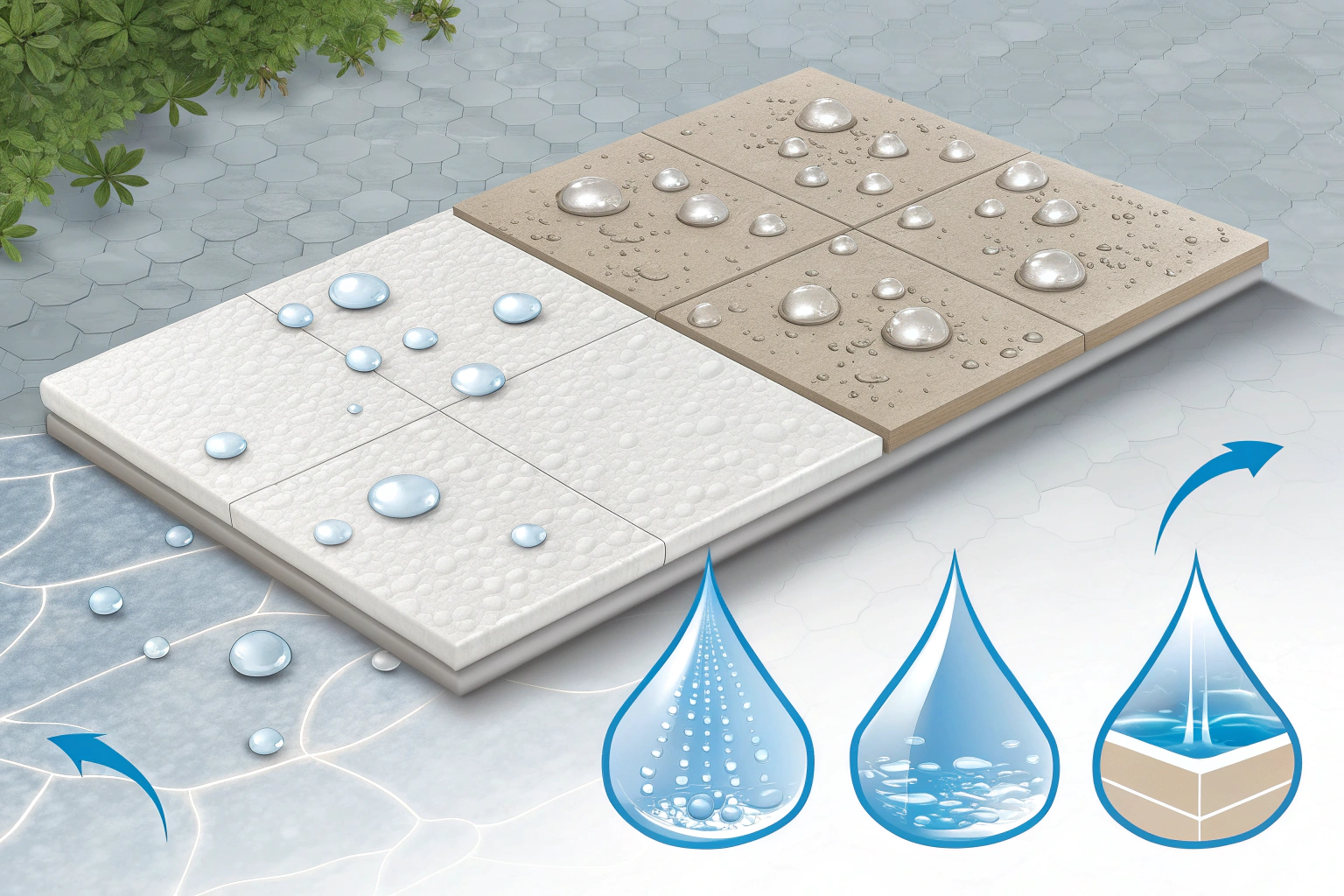
The rate at which a tile absorbs water tells you how stable it will be. A low water absorption5 rate, like porcelain's, means the tile is very stable. Think about an outdoor patio in a cold climate. Rain and snow can get into a porous ceramic tile. When the temperature drops and that water freezes, it expands. This expansion can crack the tile right from the inside. I once had to help a client replace an entire porch because the wrong type of tile was used, and a single winter destroyed it.
Porcelain's incredible density prevents this from happening. It's almost waterproof, so water can't get inside. This stability is why it is the go-to choice for outdoor areas, swimming pools, and even busy commercial building facades. It won't move, shift, or crack because of moisture after it's installed. This long-term durability is the key payoff for its more challenging installation process.
Conclusion
Porcelain is harder to install because it is much denser and less porous. But this same toughness is what makes it a more durable, long-lasting choice for demanding areas.
Explore the advantages of porcelain tile, including durability and design options, to make an informed choice for your project. ↩
Understanding the factors that affect installation time can help you plan your project more effectively. ↩
Learn how tile density impacts installation challenges and long-term performance to choose the best material. ↩
Learn about the benefits of using a wet saw for tile cutting, especially for harder materials like porcelain. ↩
Discover why water absorption rates matter for tile durability, especially in outdoor or wet environments. ↩