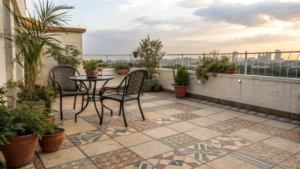
Worried that a hot pan or intense sunlight might crack your beautiful new tiles? This fear is common, but understanding porcelain's properties can give you much-needed peace of mind.
Yes, porcelain tile is highly heat resistant1. It is created in kilns at temperatures over 1200°C2, so it easily handles hot pots, direct sunlight, and other common heat sources without scorching or melting. For extreme, long-term exposure, some simple precautions are recommended.
So, we know it can handle a hot pan from the stove. But what does "heat resistant" truly mean when we talk about different situations around the home or in a commercial project? The answer isn't always a simple yes or no.
Let's break down how porcelain performs under various heat conditions. This will help you see if it's the right choice for your specific project and give you confidence in its durability.
How does porcelain tile handle different types of heat exposure?
You need a surface that not only looks great but also performs under pressure. Wondering how porcelain stands up to daily heat versus more extreme, constant conditions can be confusing.
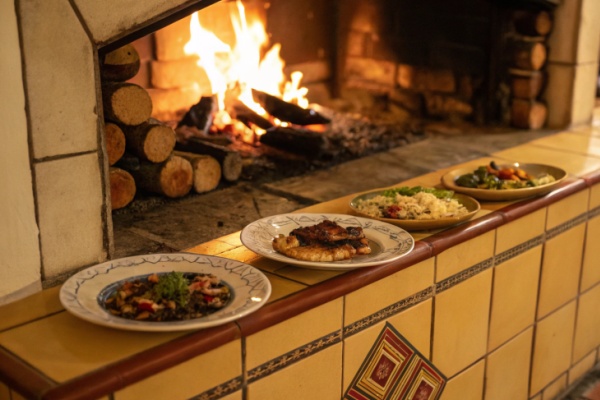
For short-term contact, like a hot dish on the counter, porcelain is excellent. For long-term heat, like near a fireplace, you need to consider potential stress on the material. This can be managed with the right tile choice and proper installation methods.
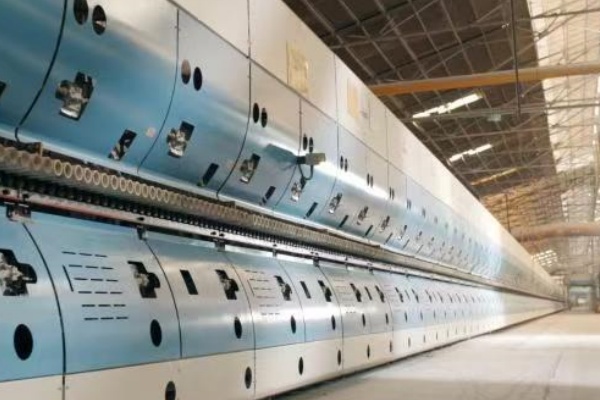
Porcelain's incredible heat resistance comes from its manufacturing process. As a manufacturer, I know that we fire these tiles at extremely high temperatures, typically between 1000°C and 1200°C. This process, called vitrification3, makes the tile body dense, strong, and non-porous. It also prepares it to handle temperatures far greater than anything it will encounter in a typical home or commercial setting. However, the type and duration of heat exposure matter.
Short-Term Heat Contact4
This is the most common scenario. Think about placing a hot pan on a porcelain kitchen countertop or a hot hair straightener on a bathroom vanity.
In these cases, porcelain performs perfectly. The heat transfers briefly, but it isn't enough to cause any structural damage, discoloration, or cracking. The tile's surface will not burn or scorch. This also applies to outdoor tiles on a balcony or patio that get baked by the sun all day. The tile might get hot to the touch, but the material itself remains stable and its color won't fade from the heat and UV exposure.
Long-Term and Extreme Heat5
This is where we need to be a little more thoughtful. Long-term heat exposure refers to areas constantly subjected to high temperatures, like the wall directly behind a commercial stove or the surround of a frequently used fireplace.
While the tile itself won't burn, the constant cycle of heating and cooling can create internal stress. If the temperature changes are very sudden—like splashing cold water on a very hot outdoor tile—it can cause a thermal shock, which could potentially lead to cracks.
| Heat Scenario | Porcelain Tile Performance | My Recommendation |
|---|---|---|
| Hot pot on countertop | Excellent. No damage. | No special action needed. |
| Sun-drenched patio | Very good. Color won't fade. | Use light colors to reduce heat absorption. |
| Near a fireplace | Good, but needs care. | Use proper insulation6 and expansion joints7. |
| Sudden temperature shock | Can cause stress cracks. | Avoid pouring cold water on hot tiles. |
Are porcelain tiles a good choice for underfloor heating systems8?
Are you thinking about installing a cozy underfloor heating system but feel worried about safety? Some flooring materials can release harmful chemicals when heated, which is a serious concern for your family's health.
Yes, porcelain tiles are an ideal choice for underfloor heating. Their excellent thermal conductivity9 ensures efficient heat transfer. They are stable, won't release harmful fumes, and will not warp or buckle under constant temperature changes, making them both safe and durable for your home.
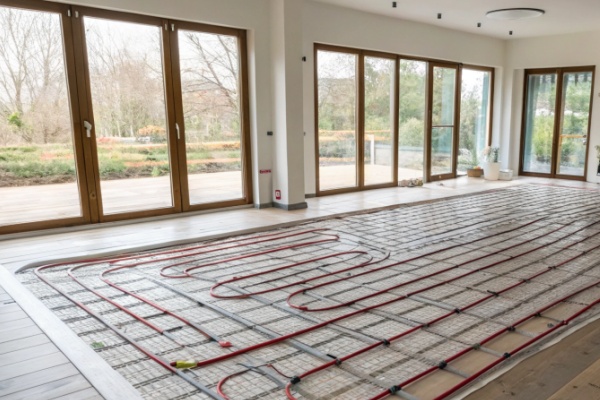
In my experience working with developers and contractors, underfloor heating is becoming a standard feature in modern homes. The choice of flooring that goes over it is critical for both performance and health. I always recommend porcelain tile for these projects, and there are a few very important reasons why.
Safety and Health Advantages
This is the most important point for me. When you heat certain types of flooring, like some vinyl or laminate products, they can release volatile organic compounds (VOCs)10, including formaldehyde.
Breathing these fumes in, especially in a bedroom where you spend a lot of time, is a serious health risk. Porcelain tile, on the other hand, is completely inert. It’s made from natural clay and minerals, then fired in a kiln until it becomes a glass-like ceramic. It contains no plastics, VOCs, or harmful chemicals to off-gas. When you heat a porcelain tile floor, all you get is clean, radiant warmth. This creates much better indoor air quality and a healthier environment for everyone.
Performance and Durability
Porcelain is a fantastic thermal conductor. This means it transfers heat from the heating coils to the room quickly and efficiently. It heats up fast and radiates that warmth evenly, making the system more effective and potentially lowering your energy bills.
Unlike wood, which can act as an insulator and block some of the heat, porcelain helps you get the most out of your system. It's also incredibly durable in this application. Wood floors can warp, cup, or shrink when they go through constant heating and cooling cycles, creating gaps. Porcelain is dimensionally stable11.
It does not expand or contract enough to cause any issues, ensuring your floor remains beautiful and flat for decades. Plus, it's easy to clean and maintain, which is always a bonus.
How do I choose and install porcelain tiles for high-heat areas?
You've decided on porcelain for a hot area like a kitchen or a fireplace surround. But now you need to make sure you pick the right type and install it correctly.
For high-heat areas, choose a high-density, low water absorption tile like a full-body porcelain12. During installation, use a high-quality, heat-resistant adhesive13.
Most importantly, make sure your installer includes proper expansion joints7 to manage thermal movement and prevent any future cracking.
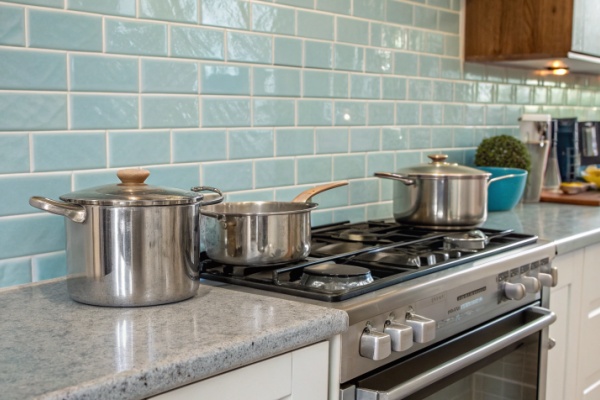
Choosing the right tile is only half the battle. Proper installation is what guarantees its performance and longevity, especially in demanding environments. Over the years, I've seen a few projects where installers cut corners, leading to problems down the road. Here is what I always tell our clients to ensure a perfect, heat-proof installation.
Selecting the Right Type of Tile
Not all porcelain is created equal. For areas that will see a lot of heat, you want the densest, strongest tile possible. I recommend looking for "full-body" or "vitrified" porcelain tiles. Full-body porcelain means the color and composition are uniform throughout the entire tile. If it ever chips, the damage is much less visible.
More importantly, these tiles have an extremely low water absorption rate14 (typically less than 0.5%). This dense structure means there are fewer microscopic air pockets inside the tile, which makes it stronger and much better at handling the stress from temperature changes. A less dense tile is more susceptible to cracking under thermal stress.
Best Practices for a Durable Installation
First, always use protective measures. For kitchen counters, get in the habit of using a trivet for pots15 coming directly off a high-flame burner.
Second, the setting materials are critical. Your installer must use a high-quality adhesive and grout that are rated for high temperatures or significant temperature fluctuations. This is non-negotiable for fireplace surrounds or commercial kitchens.
Finally, and this is the most important part, you must have expansion joints7. All materials expand when heated and contract when cooled. Without a small gap to move, the tiles will push against each other, leading to cracked tiles or grout.
These joints, filled with flexible sealant, are especially crucial for large floor areas and outdoor installations.
Conclusion
Porcelain tile is incredibly heat resistant for daily use and is a safe, excellent choice for underfloor heating. Proper selection and installation are key for long-term, worry-free performance.
Understanding the heat resistance of porcelain tiles can help you choose the right material for areas exposed to high temperatures. ↩
Learn about the manufacturing process of porcelain tiles to appreciate their durability and heat resistance. ↩
Discover how vitrification contributes to the strength and non-porous nature of porcelain tiles. ↩
Explore how porcelain tiles perform under brief heat exposure, ensuring they remain undamaged. ↩
Understand the precautions needed for porcelain tiles in areas with constant high temperatures. ↩
Explore how insulation helps maintain the integrity of porcelain tiles in high-heat areas. ↩
Understand the role of expansion joints in preventing cracks due to thermal movement. ↩
Find out why porcelain tiles are ideal for underfloor heating, ensuring safety and efficiency. ↩
Explore how porcelain tiles efficiently transfer heat, making them perfect for underfloor heating. ↩
Discover the health benefits of using porcelain tiles, which do not emit harmful fumes when heated. ↩
Learn why porcelain tiles remain flat and beautiful despite temperature changes. ↩
Learn about full-body porcelain tiles and their advantages in high-heat areas. ↩
Ensure proper installation with the right adhesive to prevent future cracking in high-heat environments. ↩
Discover how low water absorption contributes to the strength and durability of porcelain tiles. ↩
Learn how trivets protect porcelain countertops from direct heat, ensuring longevity. ↩