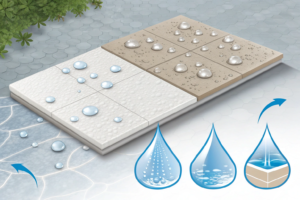
Choosing tiles feels overwhelming, and the fear of a slippery floor is real. A fall can be dangerous, so you need to pick the right tile for a safe home.
A tile's slipperiness depends more on its texture and finish than whether it's porcelain or ceramic. While some smooth, glazed porcelain can be slippery, manufacturers produce both types with high-slip-resistance1 ratings, especially for wet areas. Always check the product's DCOF rating2 for safety.
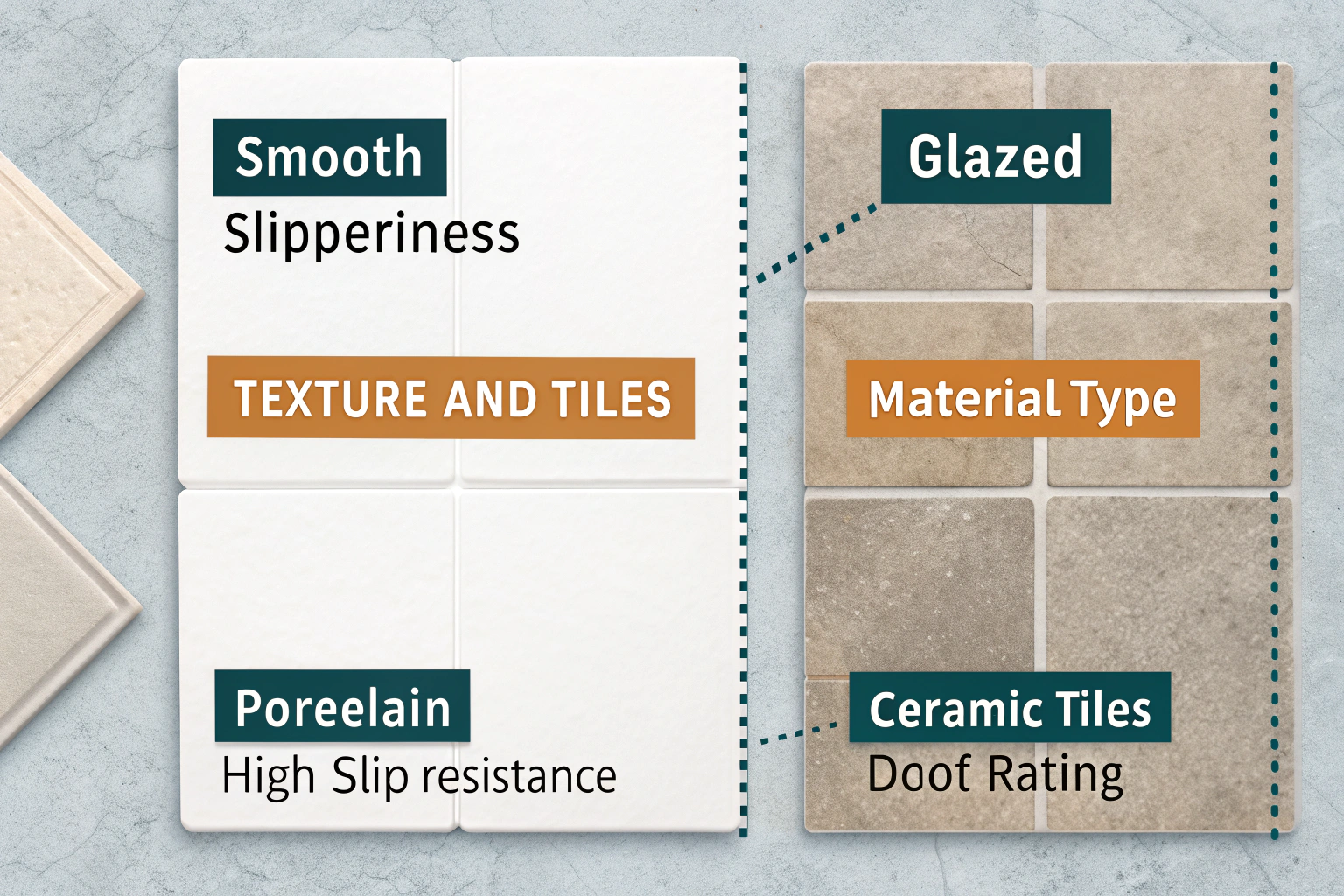
I've been in the tile business for years, and this is one of the most common questions I get from clients. Everyone wants their space to look great, but safety has to come first, especially if you have kids or elderly family members at home. The truth is, the answer isn't a simple "yes" or "no." It really comes down to the specific tile you're looking at. Let's break down the details so you can feel confident in your choice. It's important to understand what makes each tile unique before we can talk about how slippery they are.
What makes ceramic tile a popular choice?
Ceramic tile is a go-to for many renovation projects. People are drawn to its affordability3 and wide range of styles, but they worry it might not be durable enough.
Ceramic tiles are popular because they are budget-friendly and come in countless colors and designs. They are also relatively easy to cut and install, making them a great choice for DIY projects or areas where complex cuts are needed. Their versatility is a major advantage.
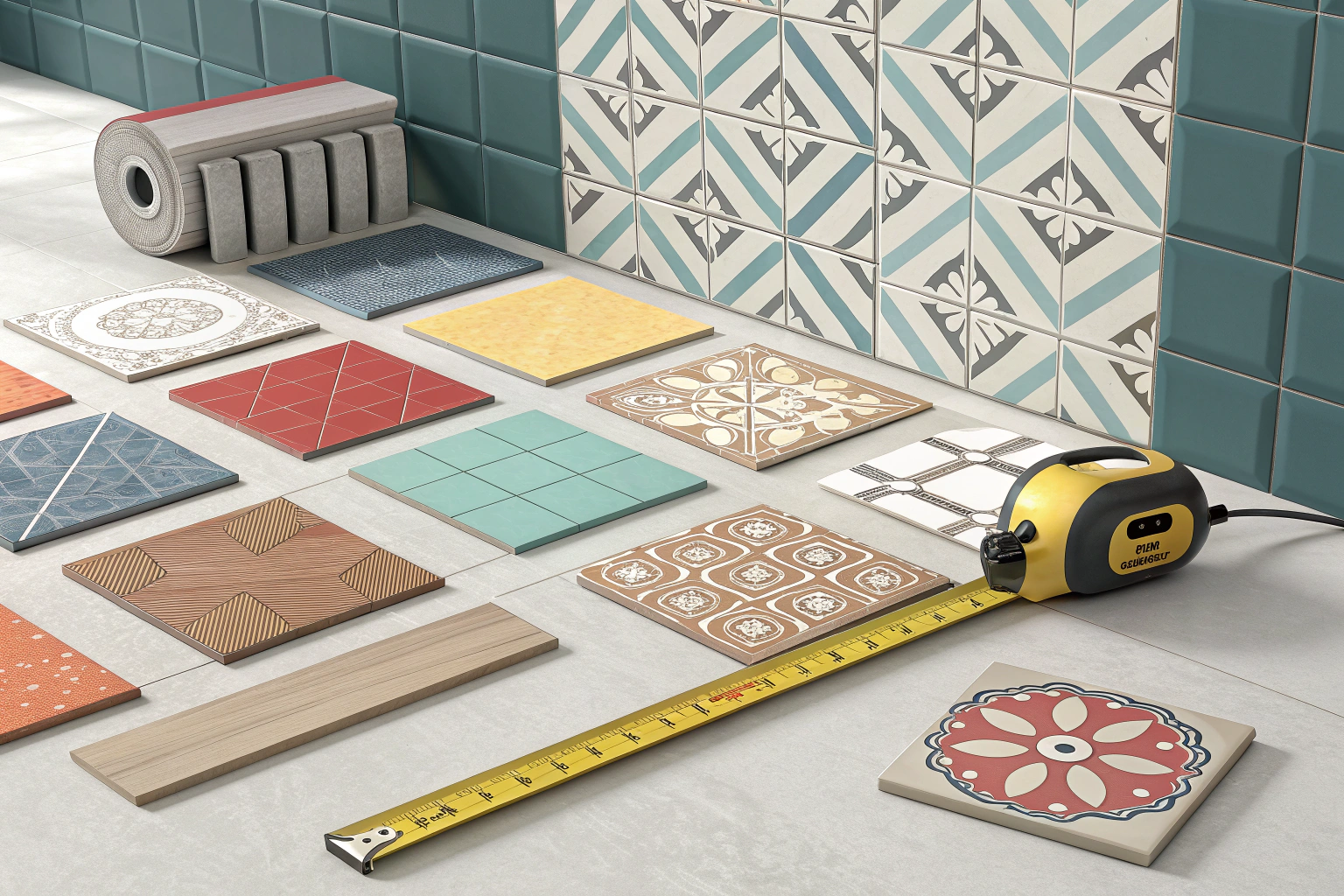
As a manufacturer, I see the appeal of ceramic tiles firsthand. They are made from clay and other natural materials, then fired in a kiln. This process creates a tile that is versatile but has some specific characteristics you should know about. I remember a project where a client wanted a very specific, vibrant blue for a kitchen backsplash4. We found the perfect shade in a ceramic tile, and it was much more affordable than a custom porcelain option. That's the beauty of ceramic. However, you need to weigh the good with the bad. It's not the right fit for every single application. For example, its porous body (under the glaze) means it can absorb water if it gets chipped, which isn't ideal for a shower floor.
Ceramic Tile: The Good and The Bad
| Pros | Cons | ||
|---|---|---|---|
| Affordable | Cheaper than porcelain, great for large areas. | Less Durable | More prone to chipping and cracking than porcelain. |
| Variety | Huge selection of colors, patterns, and sizes. | Water Absorption | The body is more porous if the glaze chips. |
| Easy to Install | Softer material makes it easier to cut. | Harder to Clean | Textured surfaces can sometimes trap dirt. |
Why do people choose porcelain tile?
Porcelain tile often comes with a higher price tag. This makes people wonder if the extra cost is truly worth it for their home or project.
People choose porcelain because it is incredibly dense, hard, and durable. It absorbs very little water, making it ideal for wet areas like bathrooms and even outdoor use. Its strength ensures it will last for many years, even in high-traffic commercial spaces.
Porcelain is a different kind of product. It's made from a more refined and purified clay and fired at much higher temperatures. This process makes the tile very dense and strong. We call this "vitrification." It basically means the tile becomes like glass, so it absorbs almost no water. This is why we supply a lot of porcelain for exterior cladding and for busy commercial clients like hotels and shopping malls. It can handle heavy foot traffic and harsh weather without showing much wear. The trade-off is that it's heavier and harder to cut, so installation usually requires a professional. Its smooth, uniform look is perfect for modern designs, but that very smoothness is what makes people ask about its slipperiness.
Porcelain Tile: The Good and The Bad
| Pros | Cons | ||
|---|---|---|---|
| Extremely Durable | Very resistant to scratches, stains, and wear. | More Expensive | Higher material and production costs. |
| Water Resistant | Low water absorption5 rate (less than 0.5%). | Difficult to Install | Hardness requires special tools for cutting. |
| Long Lifespan | Can last for decades with proper care. | Heavier | Requires a strong and level subfloor. |
How do you actually measure tile slipperiness?
You want to choose a safe tile, but you don't know how. Looking at a tile doesn't tell you how slippery it will be when it gets wet.
Tile slipperiness is measured by its "coefficient of friction6" (COF). The current standard is the DCOF AcuTest, which measures friction on a wet surface. For safety in homes and commercial spaces, you should look for a tile with a DCOF rating2 of 0.42 or higher.
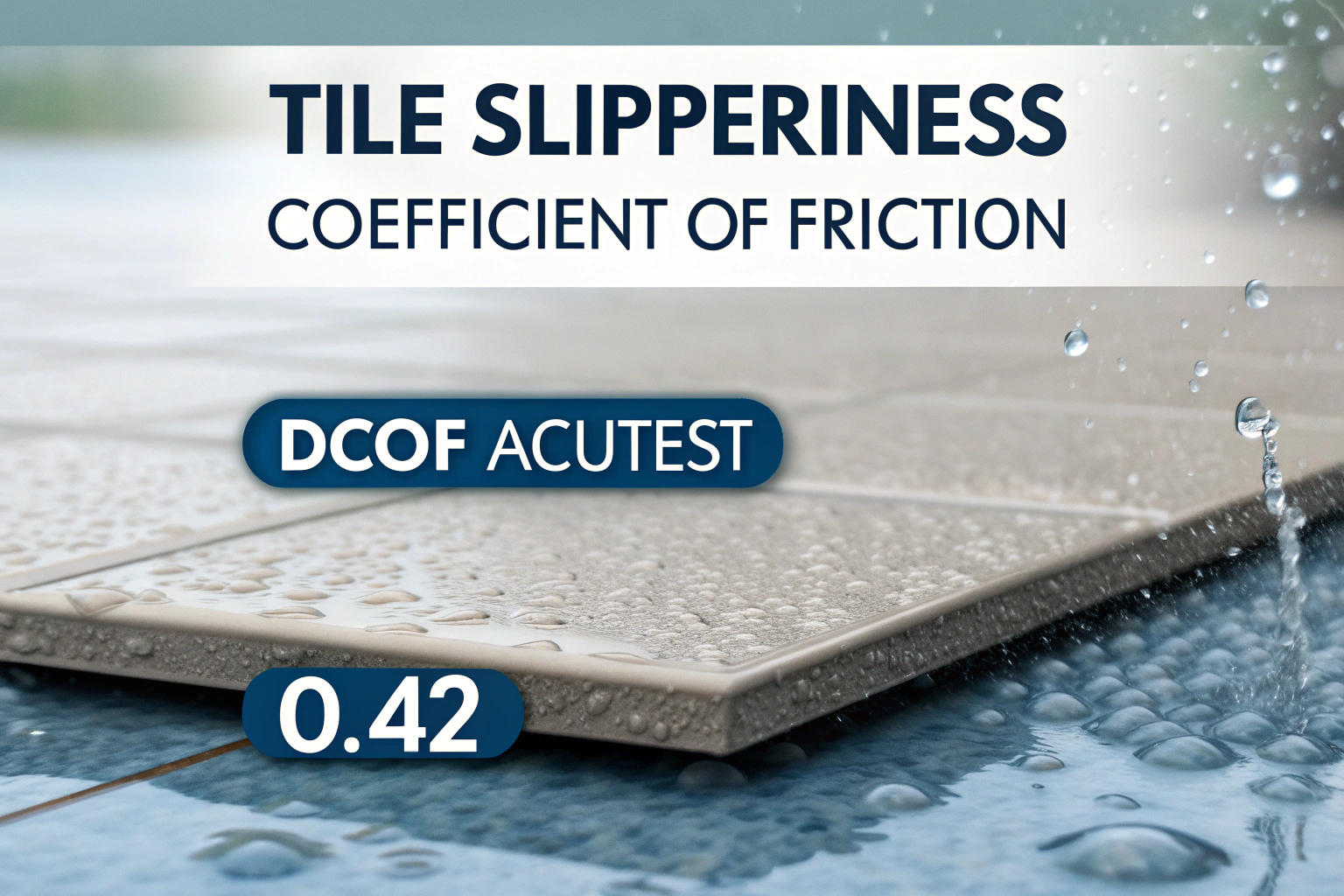
This is the most important part of the conversation. Forget whether it's ceramic or porcelain for a moment and focus on the numbers. In the tile industry, we don't guess about safety; we measure it. The DCOF (Dynamic Coefficient of Friction) rating tells us how much grip a tile has when it's wet and someone is walking on it. A higher number means more grip. I always tell our wholesale partners and importers to check this specification. The American National Standards Institute (ANSI) states that tiles for level interior spaces expected to be walked upon when wet must have a DCOF value of 0.42 or greater. So, when you're shopping, ask for the product's spec sheet and look for that number. It's the only way to be sure you're getting a safe tile.
Understanding Slipperiness Ratings
| Rating Type | What It Means | Recommended Value |
|---|---|---|
| DCOF AcuTest | The current industry standard. Measures friction on a wet, moving surface. | ≥ 0.42 for level floors that may get wet. |
| Finish | The surface texture. | Matte, textured, or structured finishes offer more grip than polished finishes. |
| PEI Rating | Measures wear resistance, not slipperiness. | Don't use this to judge safety. It's for durability. |
Which tile is better for my project?
You understand the differences between ceramic and porcelain. Now you need to decide which one is the right fit for your specific room and budget.
The best tile for your project depends on the location. For wet, high-traffic areas like bathrooms, mudrooms, or commercial lobbies, a porcelain tile with a high DCOF rating2 is the safest and most durable choice. For dry areas like bedrooms or accent walls, ceramic is a great, affordable option.
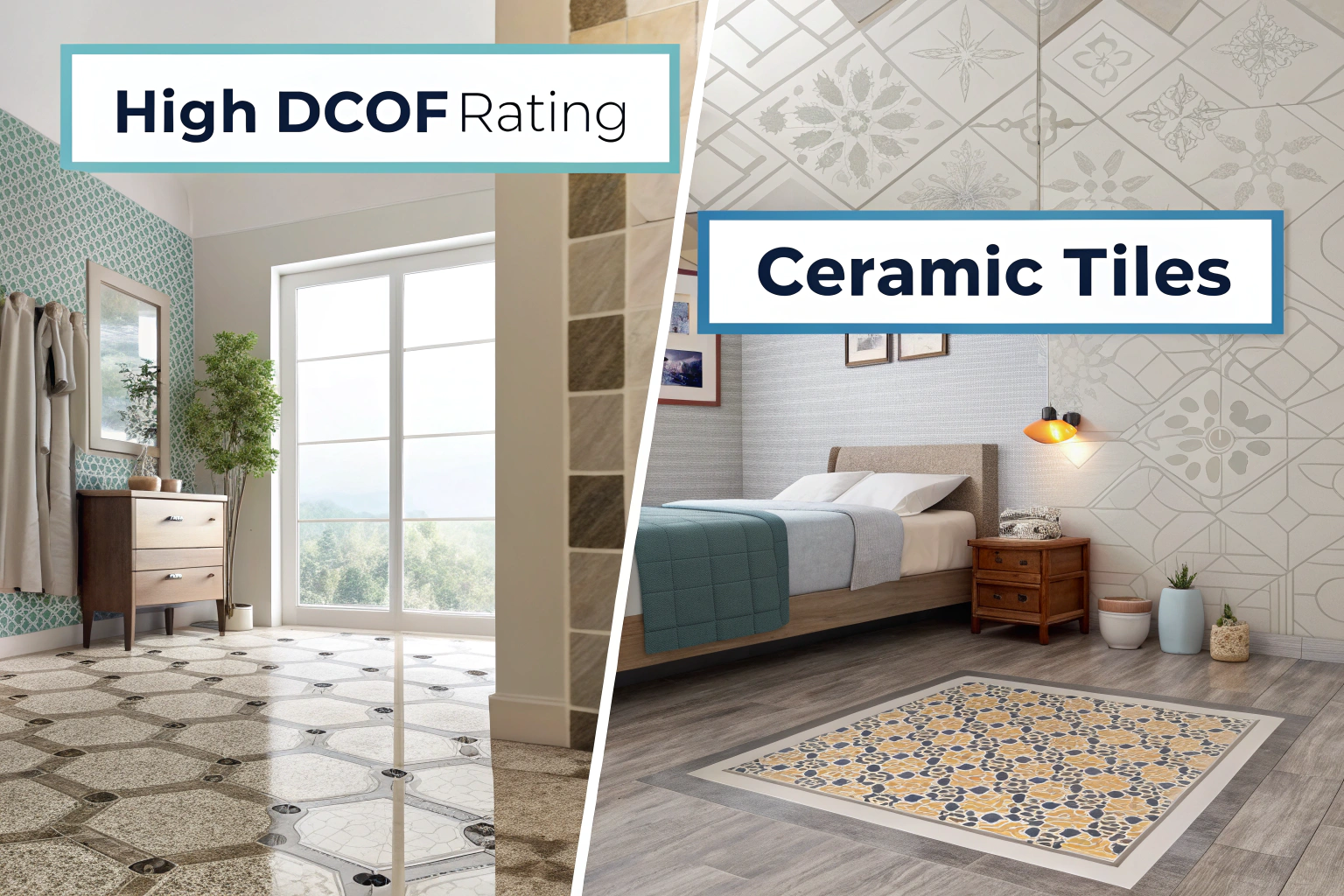
Let's put it all together. As a supplier, we help clients make this choice every day. For a family bathroom floor, I would always recommend a porcelain tile with a textured, matte finish7 and a DCOF rating2 well above 0.42. The combination of low water absorption5 and high slip resistance is perfect. For a kitchen backsplash4, a beautiful glazed ceramic tile is a fantastic choice because it's easy to clean and slipperiness isn't a concern. For a grand hotel entrance, we would supply a highly durable, large-format porcelain tile that can withstand thousands of footsteps and luggage carts. Think about your specific needs. How much foot traffic will the area get? Will it be exposed to water? What is your budget? Answering these questions will point you to the perfect tile.
Project-Based Tile Recommendations
| Room/Area | Recommended Tile | Why? |
|---|---|---|
| Bathroom Floor | Porcelain (High DCOF) | Excellent water resistance and safety are critical. |
| Kitchen Backsplash | Ceramic or Porcelain | Slipperiness is not an issue. Focus on style and ease of cleaning. |
| Living Room | Ceramic or Porcelain | Both work well. Choice depends on budget and desired look. |
| Outdoor Patio | Porcelain (Frost-Proof) | Must be able to withstand weather changes and have high slip resistance. |
Conclusion
Ultimately, a tile's finish and DCOF rating2 determine its slipperiness, not its material. Always check the specs to ensure you choose a safe and durable tile for your project.
Understanding high-slip-resistance can help you choose safer tiles for wet areas. ↩
Learn why the DCOF rating is crucial for ensuring safety in wet areas. ↩
Explore the cost benefits of choosing ceramic tiles for your renovation projects. ↩
Explore stylish and practical tile choices for your kitchen backsplash. ↩
Learn how water absorption impacts tile durability and safety. ↩
Understanding COF measurement helps in selecting safer tiles for your home. ↩
Discover how matte finishes can improve tile safety and aesthetics. ↩