Are you trying to figure out the best flooring for your next big bathroom or kitchen project?
Choosing the right material can mean the difference between a lasting investment and a costly water damage nightmare.
Specifically, you’re probably asking: is porcelain tile waterproof?
In this post, you’re going to learn exactly how this popular flooring handles moisture, step by step.
I’ll break down the real difference between being completely waterproof vs. water-resistant, share the pros and cons, and show you exactly how it compares to ceramic, natural stone, and hardwood.
So if you want to know the best applications for your home and how to maintain and protect your grout lines, this guide is for you.
Let’s dive right in.
Understanding Porcelain Tile
When buyers ask, “Is porcelain tile waterproof?“, the definitive answer starts with its core composition. As a dedicated porcelain tile manufacturer and supplier, we engineer these premium flooring materials to dominate challenging environments, providing absolute reliability in any high-moisture area.
What is Porcelain Tile Made Of?
While porcelain belongs to the broader ceramic family, it is vastly superior in density and strength. It is formulated using a precise blend of highly refined earth materials:
- Kaolin Clay: A finely ground, exceptionally pure white clay that guarantees heavy-duty structural integrity.
- Feldspar: A natural mineral that melts during production to create a dense, glass-like matrix.
- Quartz and Silica: Add extreme hardness to the body, ensuring the final product remains highly durable and naturally stain resistant.
The High-Firing Manufacturing Process
The structural dominance of porcelain is forged in the factory. Our rigorous manufacturing process permanently alters the physical properties of the raw materials:
- High-Pressure Dust Pressing: The refined clay mixture is compressed under immense mechanical force to eliminate microscopic internal air pockets.
- Extreme Heat: The pressed tiles are fired in kilns at blistering temperatures exceeding 1,200°C (2,200°F).
- Vitrification: This intense heat causes the feldspar and silica to fuse completely. The result is a solid, completely unified internal structure that aggressively repels liquid penetration.
What is the Water Absorption Rate?
The single most important metric for moisture resilience is the water absorption rate. This standardized test proves exactly how much water a specific flooring material will hold under prolonged exposure.
| Tile Category | Water Absorption Rate | Industry Standard Rating |
|---|---|---|
| Certified Porcelain | ≤ 0.5% | Impervious |
| Standard Ceramic | 0.5% – 3.0% | Vitreous |
| Natural Stone | Highly Variable | Porous (Requires Routine Sealing) |
By strict industry definition, a tile must have a water absorption rate of 0.5% or less to earn the title of porcelain. This microscopic absorption level proves the tile is exceptionally water resistant, making it the ultimate, zero-compromise solution for demanding wet environments.
Is Porcelain Tile Waterproof or Water-Resistant?
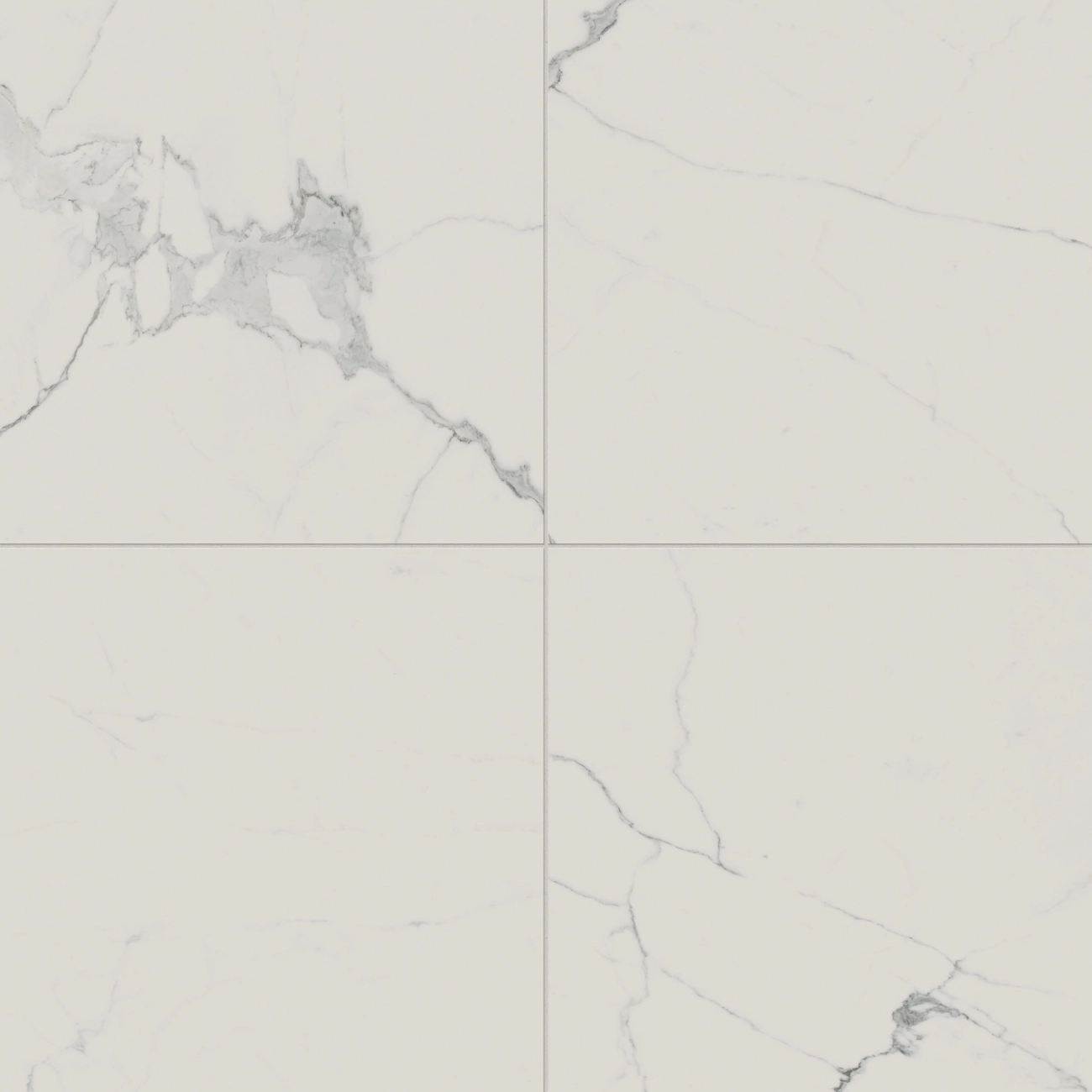
People often ask us: is porcelain tile waterproof? As a global porcelain tile manufacturer and supplier, we hear this question constantly. The straightforward answer is that porcelain is technically classified as highly water-resistant, but in practical everyday applications, it performs just like a waterproof material.
Waterproof vs. Water-Resistant Explained
Understanding these terms helps you choose the right flooring materials for your project.
- Waterproof: Completely impervious to water. Moisture will never penetrate the material, no matter how long it sits.
- Water-Resistant: Capable of resisting water penetration to a very high degree, but not 100% immune under extreme, prolonged submersion.
| Feature | Waterproof Materials | Water-Resistant (Porcelain) |
|---|---|---|
| Water Absorption Rate | Exactly 0% | 0.5% or less |
| Common Uses | Boat hulls, completely submerged tanks | Showers, bathroom floors, kitchens |
Why Porcelain Tiles Are Highly Water-Resistant
Porcelain is incredibly dense. We craft our tiles using refined clays and fire them at extreme temperatures. This intense manufacturing process bakes out the moisture and creates a hard, glass-like finish. Because of this incredibly low absorption rate, porcelain is the ultimate choice for any high-moisture area. Water simply pools on the surface instead of seeping through the body of the tile.
Do You Need to Seal Porcelain Tile?
Most of the time, no. Glazed porcelain is practically impervious to liquids, making it naturally stain resistant and eliminating the need for a surface sealer.
However, keep these two rules in mind:
- Unglazed Porcelain: If you use raw, unglazed tiles, applying a penetrating sealer adds a helpful layer of protection against daily dirt and grime.
- Grout Lines: While the tile itself blocks moisture, the grout lines connecting them are highly porous. You must seal your grout regularly to prevent mold, mildew, and structural water damage.
Pros and Cons of Porcelain Tile
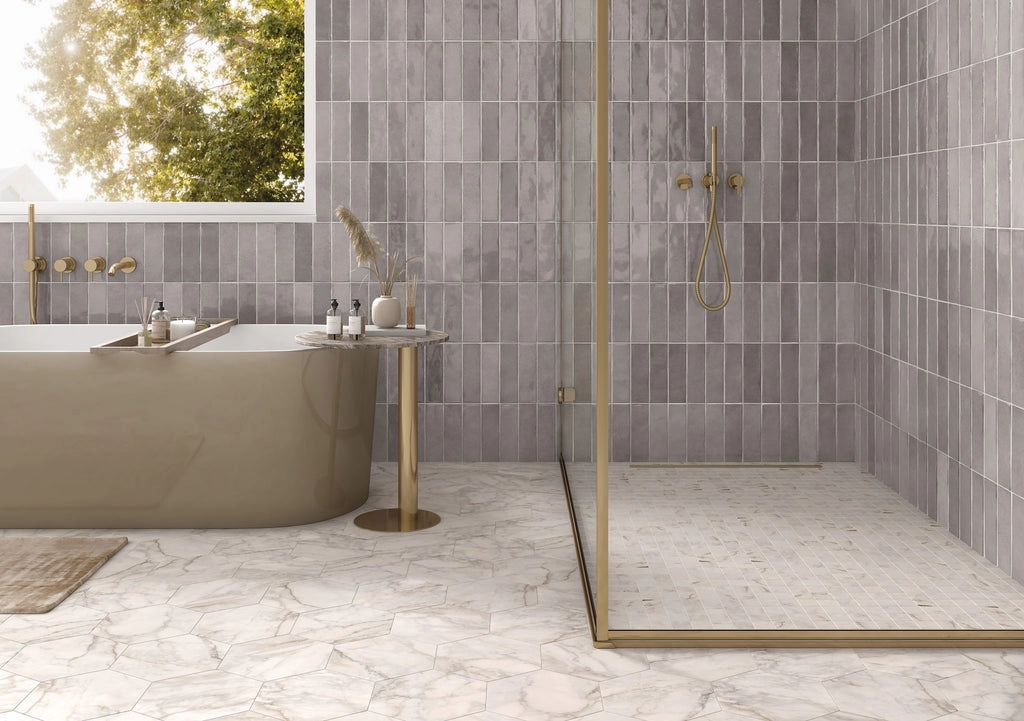
As a porcelain tile manufacturer and supplier, we always give it to you straight. Understanding the strengths and limitations of your flooring materials is the only way to ensure you make the right investment for your project.
Unmatched Durability
Porcelain is baked at extreme temperatures, resulting in a tremendously dense and hard surface.
- Handles heavy traffic: Easily withstands the daily grind in busy homes or commercial retail spaces.
- Scratch and scuff proof: Resists damage from pet claws, dropped items, and moving furniture.
- Long lifespan: Properly installed, it often outlasts the building itself.
Low Maintenance
When customers ask us, “Is porcelain tile waterproof?“, we naturally point out that its density also makes it incredibly easy to care for.
- Stain resistant: Coffee, wine, and mud wipe right off without soaking into the tile.
- Simple cleaning routine: A quick sweep and a standard damp mop are all you need.
- Allergy-friendly: The hard surface prevents dust mites, bacteria, and mold from taking hold, especially in a high-moisture area.
Potential Drawbacks
Even the highest quality materials come with a few trade-offs that you need to plan for.
| Drawback | The Reality | The Solution |
|---|---|---|
| Higher Upfront Cost | Producing dense, high-quality porcelain requires premium materials and extreme kiln energy. | Treat it as a long-term investment; it rarely needs repairing or replacing. |
| Tough Installation | Because it is so hard and heavy, cutting the tiles is incredibly difficult. | Skip the DIY. Hire an experienced professional equipped with wet saws and diamond blades. |
Comparing Porcelain to Other Flooring Options
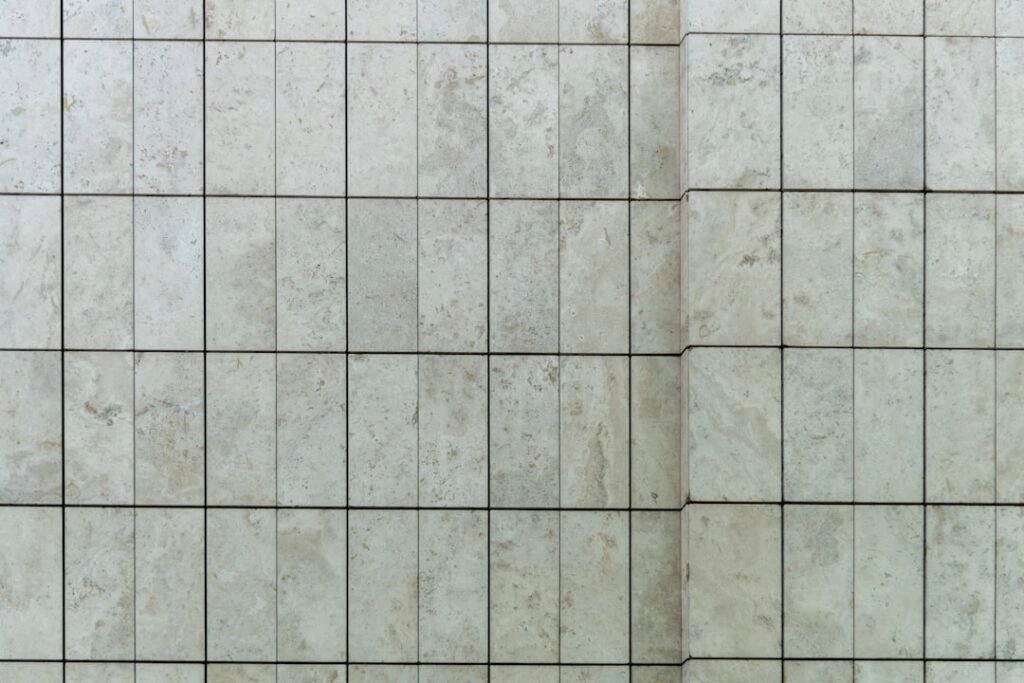
As a porcelain tile manufacture and supplier, we see firsthand how different flooring materials perform under stress. If you are asking, “Is porcelain tile waterproof?”, comparing it directly to other popular choices is the easiest way to understand its true value for your home.
Porcelain vs. Ceramic Tile
While both are made from clay, the core difference lies in density.
- Porcelain: Fired at extreme temperatures, making it incredibly dense and highly water resistant.
- Ceramic: Softer, more porous, and generally better suited for dry, low-traffic zones rather than wet environments.
Porcelain vs. Natural Stone
Natural stone offers a classic aesthetic but demands heavy, ongoing maintenance.
- Porcelain: Naturally stain resistant and built to repel water without the need for strict, constant sealing.
- Natural Stone: Naturally porous materials like marble or slate require routine chemical sealing to stop water and stains from penetrating the surface.
Porcelain vs. Hardwood and Carpet
Wood and fabric simply do not belong in any high-moisture area.
- Porcelain: Provides a rigid, impenetrable surface that will never warp, swell, or harbor mold.
- Hardwood & Carpet: Hardwood buckles and rots under moisture exposure, while carpet absorbs water instantly, leading to permanent damage.
Quick Flooring Comparison
| Feature | Porcelain Tile | Ceramic Tile | Natural Stone | Hardwood |
|---|---|---|---|---|
| Moisture Resistance | Excellent | Good | Varies (Needs Sealing) | Poor |
| Stain Resistance | High | Moderate | Low (If Unsealed) | Moderate |
| Maintenance Need | Low | Low | High | High |
| Ideal Environment | Wet & Dry Areas | Dry Areas | Living Spaces | Dry Areas |
Best Applications for Porcelain Tile
As a porcelain tile manufacturer and supplier, we know exactly where our products perform best. Because these tiles are exceptionally tough, they are the go-to choice for almost any demanding environment.
Kitchens and Bathrooms
These are the hardest-working rooms in any home. You need reliable flooring materials that can handle daily spills, splashes, and constant foot traffic.
- Stain resistant: Spilled cooking oil, wine, or makeup wipe away completely without leaving a mark.
- Moisture control: Humid air from hot showers or boiling pots will not warp or damage the surface.
Showers and Wet Areas
When customers ask us, “Is porcelain tile waterproof?“, they are usually thinking about building a shower. Its incredibly low water absorption rate makes it the global industry standard for these spaces.
- High-moisture areas: It provides a safe, lasting barrier for shower pans, tub surrounds, and wet rooms.
- Easy hygiene: The dense, water-resistant surface stops water from soaking in, keeping mold and mildew at bay.
Outdoor Spaces and Swimming Pools
Porcelain is built to survive the elements, making it a permanent solution for exterior spaces.
- Pool Surrounds: Completely unaffected by constant splashing, harsh pool chemicals, or direct sunlight.
- Patios and Walkways: Easily survives freezing winter temperatures and thawing cycles without cracking or chipping.
How to Clean and Maintain Porcelain Tile
As a porcelain tile manufacturer and supplier, we always tell our customers that choosing these flooring materials means signing up for an incredibly easy upkeep routine. Because porcelain tile is naturally stain resistant and exceptionally durable, keeping your floors looking pristine takes very little effort.
Routine Cleaning Best Practices
You do not need expensive commercial chemicals to maintain your floors. Stick to these simple steps for the best results:
- Sweep or vacuum regularly: Remove loose dirt, dust, and debris daily to prevent them from acting like sandpaper on the surface.
- Mop with warm water: Use a simple damp mop with warm water and a mild, pH-neutral floor cleaner once a week.
- Skip the harsh stuff: Avoid abrasive scrubbers, steel wool, bleach, or ammonia-based products. They are unnecessary and can leave a dull film behind.
- Wipe up spills immediately: Even though the tile is tough, cleaning up coffee, wine, or oil right away prevents sticky residue.
Maintaining and Protecting Grout Lines
While porcelain tile itself is highly water resistant, the grout holding it together is naturally porous. If your tile is installed in a high-moisture area like a bathroom or kitchen, the grout requires specific care to stay clean and intact.
- Seal the grout: Always apply a high-quality penetrating grout sealer after installation. Reapply it once every year or two to block moisture and stains from seeping in.
- Scrub gently: When dirt builds up, use a soft-bristle brush and a mild baking soda and water paste to safely lift grime out of the grout lines.
- Control humidity: Run exhaust fans in wet areas to dry out the space faster, preventing mold or mildew from settling into the joints.