Silica vs Quartz: Key Differences, Properties, and Industrial Applications
Silica and quartz are often used interchangeably in industrial conversations, yet they are not exactly the same material. Understanding the difference between silica and quartz is critical for manufacturers, engineers, and material buyers, as their chemical composition, purity, hardness, and application value directly affect product performance and cost.
This guide provides a clear, industry-level explanation of silica and quartz, helping B2B buyers and technical professionals make informed material decisions.
What Is Silica?
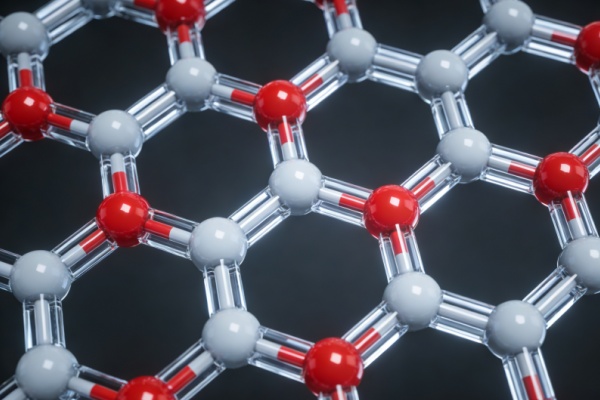
Silica is a general term referring to materials composed primarily of silicon dioxide (SiO₂)1. It exists in both crystalline and amorphous forms2 and is one of the most abundant compounds on Earth.
Key Characteristics of Silica
- Chemical composition: SiO₂
- Exists in various forms (sand, silica powder, amorphous silica)
- Purity typically below 98.5% SiO₂
- Widely used as a raw industrial material3
Common Industrial Uses of Silica
- Construction sand and aggregates
- Glass manufacturing
- Ceramics and refractories
- Silica powder and fillers
- Coatings, adhesives, and sealants
- Chemical and metallurgical processes
Silica is valued for its availability and cost efficiency, making it suitable for large-scale industrial use where ultra-high purity is not required.
What Is Quartz?
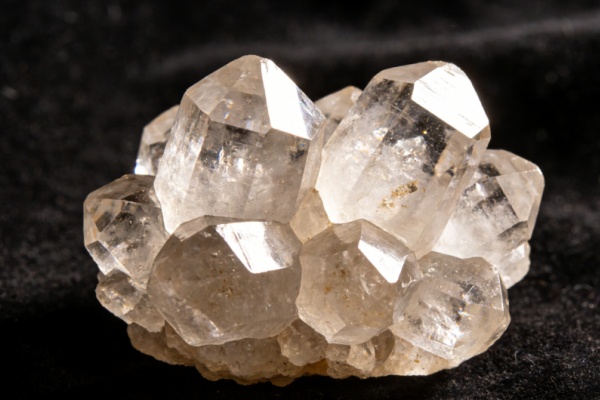
Quartz is a crystalline form of silica with a highly ordered atomic structure. In industrial classification, materials with SiO₂ content above 98.5% are typically referred to as quartz.
Key Characteristics of Quartz
- High SiO₂ purity (≥ 98.5%)
- Crystalline structure
- Mohs hardness around 7
- Excellent thermal and chemical stability
Why Quartz Is More Valuable Than Silica
Higher purity and crystallinity give quartz superior properties, making it essential for applications requiring strength, heat resistance, and chemical inertness.
Silica vs Quartz: Side-by-Side Comparison
| Property | Silica | Quartz |
|---|---|---|
| SiO₂ Content | Below 98.5% | ≥ 98.5% |
| Structure | Amorphous or mixed | Crystalline |
| Mohs Hardness | ~6.5–7 | ~7 |
| Melting Point | ~1700°C | ~1750°C |
| Chemical Stability | High | Very High |
| Industrial Value | Moderate | High |
| Typical Applications | Construction, fillers | Electronics, engineered materials |
Hardness and Processing Considerations
Both silica and quartz exhibit high hardness, which makes them abrasion-resistant but challenging to process4. Their Mohs hardness is close to 7, meaning specialized crushing, grinding, and cutting equipment is required.
Processing Implications
- High wear on crushers and mills
- Requires durable tooling and abrasives
- Particle size and purity control are critical
Quartz generally demands stricter processing standards due to its higher purity requirements.
Industrial Applications of Silica and Quartz
Construction and Infrastructure
Both materials are widely used in:
- Concrete and mortar
- Road and railway aggregates
- Architectural and decorative materials
Silica is typically used where volume and cost control are priorities, while quartz is preferred when performance consistency matters.
Glass, Ceramics, and Refractories
Quartz’s high melting point and purity make it ideal for:
- Quartz glass
- Ceramic bodies
- High-temperature refractory materials
Silica is often used in standard glass and ceramic formulations.
Advanced and Engineered Materials
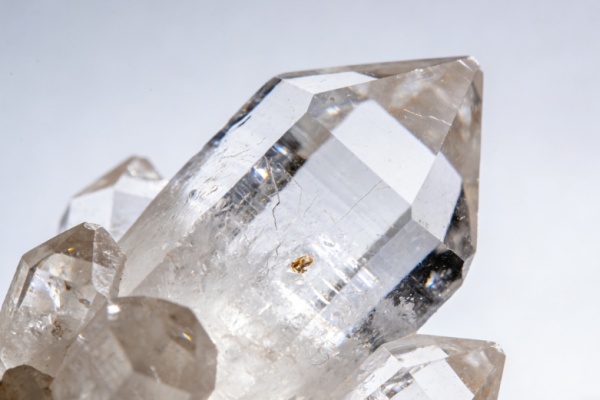
High-purity quartz is essential in:
- Engineered quartz surfaces
- Technical ceramics
- Optical fibers
- Electronics and semiconductor-related applications
From Raw Minerals to Engineered Products
Modern material science increasingly transforms silica and quartz from raw minerals into engineered composite materials5. By combining mineral powders with polymers or binders, manufacturers can achieve:
- Reduced weight
- Improved flexibility
- Enhanced installation efficiency
- Broader application possibilities
These advancements allow silica- and quartz-based materials to move beyond traditional heavy stone applications into lightweight architectural and industrial solutions.
How to Choose Between Silica and Quartz for Your Project
When selecting materials, B2B buyers should evaluate:
1. Purity Requirements
- High-tech or precision applications → Quartz
- Cost-sensitive bulk use → Silica
2. Mechanical Performance
- High abrasion resistance → Quartz
- Standard durability → Silica
3. Processing and Cost
- Quartz offers higher performance but higher cost
- Silica provides scalability and affordability
4. End-Use Environment
- High temperature or chemical exposure → Quartz
- General construction and filler use → Silica
Conclusion
Silica and quartz share the same chemical foundation—silicon dioxide—but differ significantly in purity, structure, performance, and industrial value. Silica serves as a versatile, cost-effective raw material, while quartz delivers superior performance for high-demand applications.
For manufacturers, engineers, and procurement professionals, understanding these differences is essential for optimizing product quality, production efficiency, and overall project cost. Choosing the right material at the source level directly impacts the success of downstream products and applications.
Explore the properties and applications of silicon dioxide, a key component in various industries. ↩
Learn about the structural differences and implications for industrial applications. ↩
Discover the various applications of raw industrial materials in construction and manufacturing. ↩
Understand the processing challenges associated with high-hardness materials like silica and quartz. ↩
Discover how engineered composites enhance material performance and application versatility. ↩