Stone Veneer Styles Explained — And Why Flexible Stone Is Changing the Industry
When specifying stone veneer for commercial or residential projects, style is only one part of the decision.
Architects, developers, and distributors must evaluate:
- Structural load requirements
- Installation time and labor cost
- Transportation efficiency
- Substrate compatibility
- Long-term performance
While traditional natural stone veneer dominates the conversation, flexible stone panels are rapidly becoming the preferred alternative in modern construction.
This guide explains common stone veneer styles — and why flexible stone technology offers a superior solution for today’s building environment.
1. Common Stone Veneer Styles in the Market
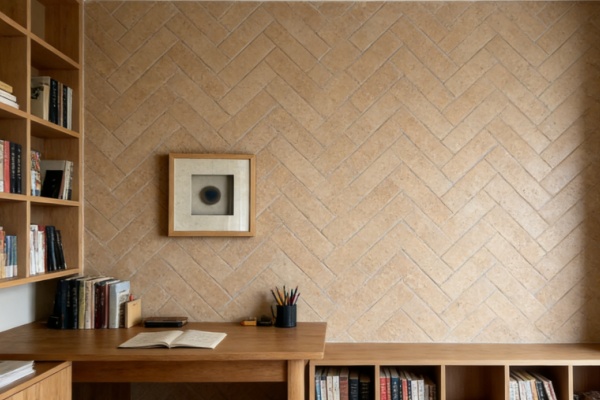
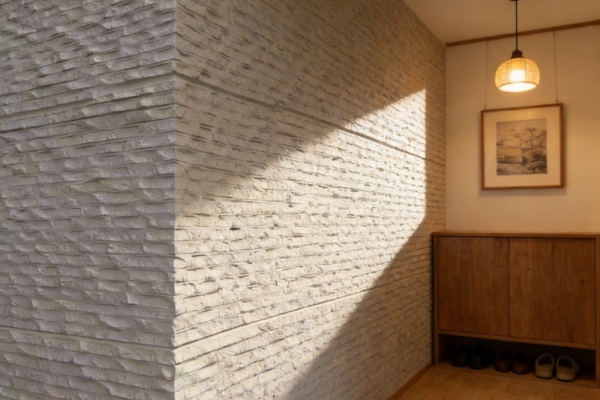
1.1 Ledgestone
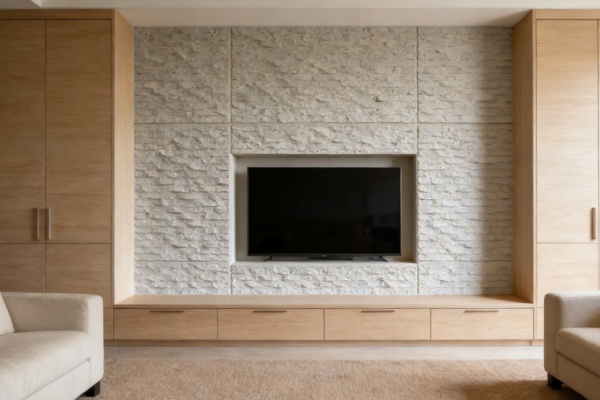
Ledgestone consists of narrow, linear strips arranged horizontally to create a contemporary stacked look.
Typical use cases:
- Accent walls
- Fireplaces
- Exterior facades
- Commercial lobbies
Traditional limitation: Ledgestone veneer made from quarried stone typically weighs 8–15 lbs per square foot, increasing structural demands and installation labor.
1.2 Roughly Rectangular Stone
Rectangular veneer creates a more structured, architectural appearance.
Commonly used for:
- Exterior elevations
- Chimneys
- Outdoor living areas
Traditional limitation: Requires mortar joints, skilled masonry labor, and substrate reinforcement.
1.3 Mosaic Stone
Mosaic veneer combines irregular shapes for a natural, organic appearance.
Used for:
- Large exterior walls
- Retaining walls
- Resort-style designs
Traditional limitation: Complex layout increases installation time and waste factor.
2. The Structural Challenge of Traditional Stone Veneer
Natural stone veneer, even in thin-cut form, remains:
- Heavy
- Rigid
- Dependent on masonry techniques
- Labor-intensive
In commercial builds, this translates into:
- Increased shipping cost
- Higher labor expense
- Longer installation timelines
- Greater structural reinforcement requirements
For high-rise projects, remodels, modular construction, and lightweight wall systems, traditional veneer often becomes impractical.
3. What Is Flexible Stone?
Flexible stone is an ultra-thin layer of real natural stone bonded to a high-performance backing material.
Typical specifications:
- Thickness: 1–3 mm
- Weight: approx. 0.8–1.5 lbs per square foot
- Bend radius: suitable for curved surfaces
- Installation: adhesive-based, no mortar required
It retains the authentic surface texture and natural color variation of real stone — without the structural burden.
4. Flexible Stone vs Traditional Stone Veneer
| Performance Factor | Traditional Veneer | Flexible Stone |
|---|---|---|
| Weight per Sq Ft | 8–15 lbs | 0.8–1.5 lbs |
| Structural Reinforcement | Often required | Minimal |
| Installation Method | Mortar / Masonry | Adhesive |
| Installation Speed | Slow | Fast |
| Shipping Cost | High | Significantly Reduced |
| Suitable for Curved Surfaces | No | Yes |
| Retrofit Applications | Limited | Excellent |
For distributors and project managers, these differences significantly affect total installed cost.
5. Where Flexible Stone Creates Competitive Advantage
5.1 High-Rise and Urban Projects
Reduced weight lowers structural load calculations and simplifies approvals.
5.2 Renovation and Retrofit
Can be installed over:
- Drywall
- MDF
- Concrete board
- Plywood
No heavy reinforcement required.
5.3 Modular & Prefabricated Construction
Lightweight material integrates seamlessly into factory-built panels.
5.4 Hospitality & Retail Fit-Out
Faster installation reduces downtime and labor cost.
6. Installation Efficiency & Labor Impact
Traditional veneer requires:
- Skilled masons
- Mortar mixing
- Joint finishing
- Cure time
Flexible stone requires:
- Surface preparation
- Adhesive application
- Panel placement
This reduces:
- Labor hours
- Jobsite complexity
- Installation variability
For large-scale commercial developments, the time savings can be substantial.
7. Logistics & Distribution Benefits
For distributors and importers:
Flexible stone offers:
- Lower freight cost per container
- Higher square footage per shipment
- Reduced breakage risk
- Easier warehousing
The reduced weight alone can transform shipping economics.
8. Design Flexibility
Unlike rigid veneer, flexible stone can be applied to:
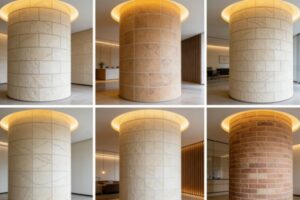
- Columns
- Curved walls
- Furniture surfaces
- Cabinetry
- Elevator interiors
This opens new design applications beyond traditional masonry limits.
9. When Traditional Stone Still Makes Sense
Traditional natural veneer may still be preferred when:
- Load-bearing masonry is required
- Historic restoration mandates full-depth material
- Structural anchoring is part of the design
However, for most modern architectural applications, flexible stone offers a more efficient alternative.
10. The Shift Toward Lightweight Architectural Surfaces
The construction industry continues to move toward:
- Lightweight assemblies
- Faster build cycles
- Reduced labor dependency
- Sustainable logistics
Flexible stone aligns with these priorities while maintaining authentic natural aesthetics.
Conclusion: Beyond Stone Veneer Styles
Stone veneer styles determine appearance.
Material technology determines performance.
For architects, developers, and distributors seeking reduced risk, lower installation cost, and expanded design capability, flexible stone represents the next evolution of natural surface materials.
For technical specifications, bulk supply programs, and OEM partnerships, contact our commercial team.