The Complete Guide to Commercial Floor Tile for Heavy Traffic Projects (2026 Edition)
How to Choose the Right Commercial Floor Tile for High-Traffic Spaces
Selecting commercial floor tile for hotels, shopping malls, restaurants, hospitals, or office buildings requires more than just aesthetic consideration. Decision-makers must evaluate:
- Slip resistance compliance1
- Load-bearing strength
- Water absorption rate
- Maintenance cost
- Long-term durability
This guide is designed for architects, contractors, distributors, and importers seeking reliable commercial flooring solutions.
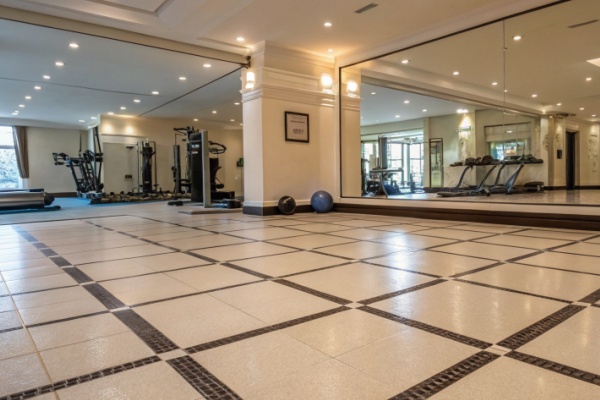
1. What Makes a Tile “Commercial Grade”?
Commercial-grade tiles are engineered to withstand higher traffic loads and stricter safety standards compared to residential tiles.
✔ PEI Rating (Abrasion Resistance)2
- PEI IV–V recommended for high-traffic commercial spaces
- Suitable for public and retail environments
✔ Water Absorption Rate
- Porcelain tile: <0.5% water absorption
- Ideal for commercial kitchens and wet areas
✔ Slip Resistance (R Rating)
- R9 – Low slip resistance
- R10 – Moderate slip resistance
- R11 – Commercial kitchens & wet zones
- R12+ – Industrial environments
✔ Breaking Strength3
Tiles should comply with ASTM C648 or equivalent standards for commercial load-bearing performance.
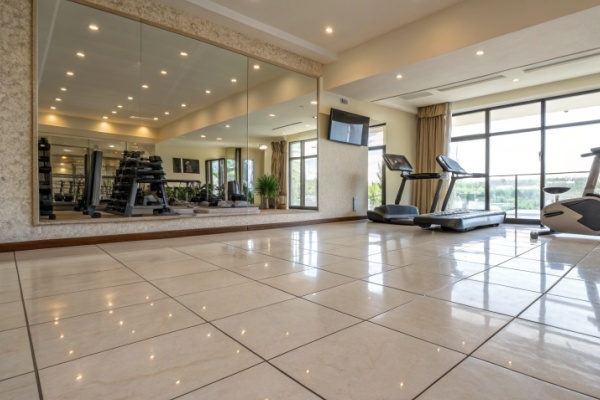
2. Best Tile Types for Commercial Flooring
2.1 Porcelain Tile4 (Most Recommended)
Advantages:
- High density and durability
- Stain and scratch resistant
- Suitable for indoor and outdoor use
Common Applications:
- Hotels
- Shopping malls
- Airports
- Office buildings
2.2 Anti-Slip / Textured Tile5 (R11 / R12)
Recommended For:
- Commercial kitchens
- Food processing areas
- Hospitals
- Public restrooms
2.3 Large Format Tile6 (24x24 / 36x36)
Benefits:
- Fewer grout lines
- Modern aesthetic
- Faster installation
Ideal For:
- Hotel lobbies
- Retail stores
- Corporate offices
3. Commercial Tile Selection by Application
Commercial Kitchen Floor Tile
Key Requirements:
- R11+ slip rating
- Chemical resistance
- Easy-clean surface
Recommended Size: 12x12 or 8x8 (more grout lines improve grip)
Restaurant & Café Flooring
Focus on:
- Matte finish
- Neutral colors (Gray / Beige)
- High abrasion resistance
Hospital Flooring Tile
Must meet:
- Hygiene standards
- Anti-bacterial properties
- Slip resistance in wet zones
Retail & Shopping Mall Flooring
Priorities:
- Large format tiles
- PEI IV or V rating
- Consistent batch color control
4. Commercial Tile Size Guide
| Tile Size | Recommended Application |
|---|---|
| 12x12 | Kitchens / Utility Areas |
| 12x24 | Restaurants |
| 24x24 | Retail & Office |
| 36x36 | Lobbies & Open Spaces |
Large-format tiles reduce grout lines and create a seamless commercial look.
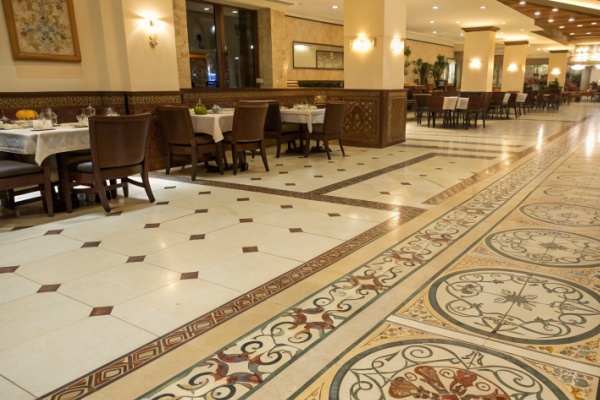
5. Commercial Tile Thickness Guide
- Standard commercial thickness: 8–10mm
- Heavy-duty projects: 10–12mm
- Outdoor / industrial: 20mm+
For forklift traffic or warehouse environments, 20mm outdoor porcelain tile is strongly recommended.
6. Commercial Flooring Standards & Certifications
For US and EU markets, ensure compliance with:
- ASTM Standards7
- ANSI A137.1
- ISO 13006
- CE Certification
Always request technical data sheets and lab test reports before placing bulk orders.
7. Container Loading & Export Guidelines
For international importers:
- 20GP container: approx. 25–28 tons
- 40HQ container: approx. 26–28 tons
- Confirm shade variation before shipment
- Use palletized packaging to minimize breakage
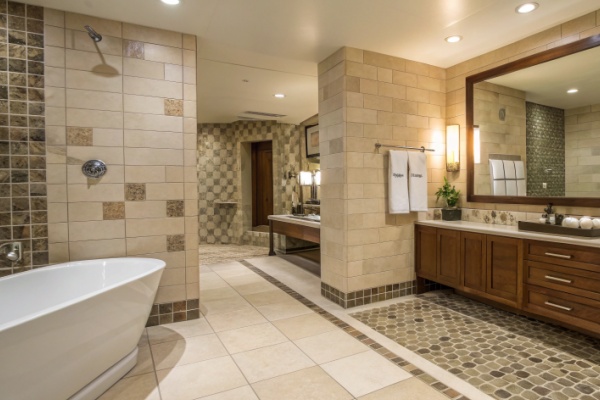
8. Frequently Asked Questions (FAQ)
What is the best tile for commercial flooring?
Porcelain tile with PEI IV or V rating and R10+ slip resistance.
Is matte tile better for commercial spaces?
Yes. Matte finishes provide better slip resistance compared to polished tiles.
What tile size works best for heavy traffic?
24x24 or 36x36 for open commercial spaces; 12x12 for wet or kitchen areas.
9. Why Work Directly with a Commercial Tile Manufacturer?
Partnering with a manufacturer offers:
- Competitive pricing
- Custom thickness options
- Stable bulk production
- OEM & private label support
- Consistent quality control
10. Request Samples & Project Quotation
We support:
- Project-based quotations
- Bulk export orders
- Custom size production
- Slip rating customization
Contact us today to receive technical data sheets, compliance reports, and tailored project pricing.
Understanding slip resistance compliance ensures safety in high-traffic areas, reducing the risk of accidents and enhancing the overall functionality of the space. ↩
PEI rating determines the tile's ability to resist wear and tear, essential for maintaining appearance and functionality in high-traffic commercial environments. ↩
Breaking strength is vital for ensuring tiles can handle heavy loads without cracking, making them suitable for demanding commercial applications. ↩
Porcelain tiles offer high durability and resistance to stains and scratches, making them ideal for both indoor and outdoor commercial applications. ↩
Anti-slip tiles enhance safety by reducing the risk of slips and falls, especially in wet and high-traffic areas like commercial kitchens. ↩
Large format tiles create a modern aesthetic with fewer grout lines, offering a seamless look and faster installation in commercial spaces. ↩
ASTM standards ensure that tiles meet specific quality and safety criteria, providing assurance of performance and reliability in commercial projects. ↩