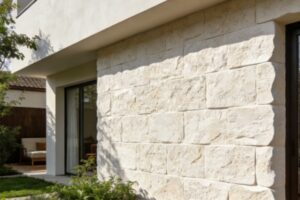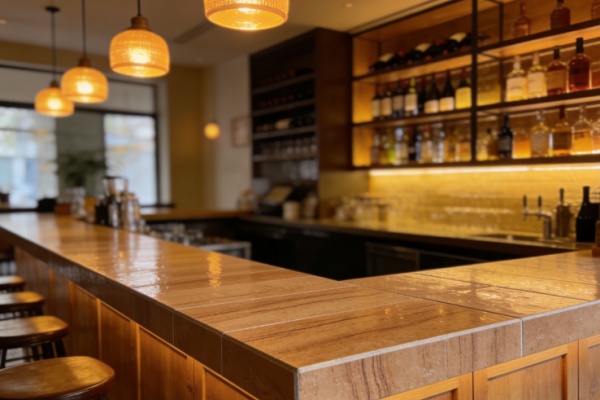
The Future of Outdoor Stone Bars: Why Flexible Stone Is Redefining Exterior Design
Outdoor living has evolved from a lifestyle trend into a long-term architectural strategy. From luxury residential patios to rooftop hospitality venues, outdoor stone bars1 have become central features that enhance property value, guest experience, and commercial appeal.
However, traditional stone systems come with structural, financial, and logistical challenges:
- Heavy structural load requirements2
- High labor and installation costs
- Limited flexibility for curved designs
- Longer project timelines
- Expensive freight and breakage risk
For architects, contractors, developers, and distributors, these limitations directly impact scalability and profitability.
Flexible Stone offers a smarter alternative.
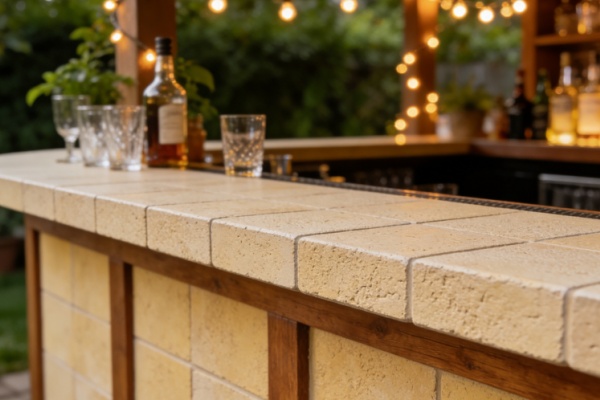
What Is Flexible Stone?
Flexible stone is made from ultra-thin layers of real natural stone bonded to a high-performance composite backing. The result is a lightweight, bendable, and durable surface material that retains the authentic look of natural stone.
Unlike traditional stacked stone or solid masonry:
- Up to 70% lighter
- Can bend around curved surfaces
- Requires minimal structural reinforcement
- Faster and simpler installation
- Lower transportation and labor costs
For B2B buyers, this translates into faster project execution and improved return on investment.
The Hidden Costs of Traditional Outdoor Stone Bars
When evaluating materials, decision-makers must consider the full lifecycle cost.
1. Structural Load Requirements
Traditional masonry and stacked stone require reinforced framing and foundations due to weight.
Flexible stone:
- Typically weighs 3–5 kg per square meter
- Installs over plywood, cement board, or lightweight steel framing
- Often eliminates the need for structural upgrades
This reduces both material and engineering costs.
2. Installation Complexity
Traditional stone systems:
- Require skilled masons
- Use mortar-based installation
- Involve long curing times
- Increase on-site labor expense
Flexible stone:
- Cuts with standard tools
- Installs with adhesive systems
- Minimizes visible joints
- Reduces installation time by up to 50%
For contractors managing multiple commercial projects, this significantly increases efficiency.
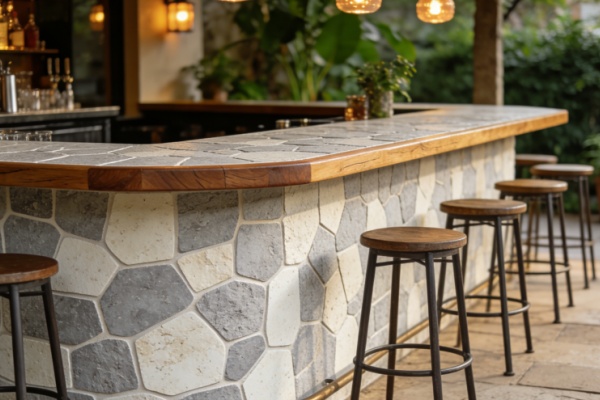
3. Design Limitations
Modern outdoor bars increasingly incorporate:
- Curved islands
- Organic architectural shapes
- Integrated fire features
- Water elements
- Custom cabinetry
Traditional stone struggles with curvature and complex surfaces.
Flexible stone adapts naturally to:
- Columns
- Rounded bar fronts
- Pergola structures
- Feature walls
- Custom-built islands
This unlocks true architectural freedom.
Why Flexible Stone Is Ideal for Outdoor Bar Applications
Lightweight Yet Durable
Engineered for exterior performance, flexible stone offers:
- UV resistance
- Freeze-thaw durability
- Water resistance
- Crack resistance
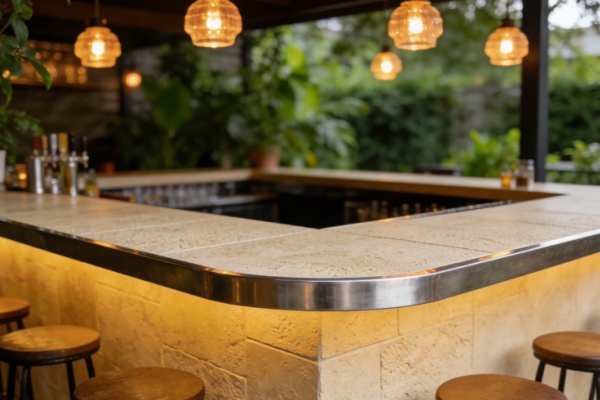
Suitable for:
- Residential patios
- Rooftop bars
- Hotels and resorts
- Restaurant terraces
- Poolside installations
Logistics Advantage for Distributors
For wholesalers and importers:
- Flat-packed sheets reduce freight volume
- Lower breakage risk compared to stone panels
- Higher container loading efficiency
- Easier warehousing and handling
This improves overall margin structure and supply chain performance.
Faster ROI for Developers
In hospitality and commercial real estate, time equals revenue.
Flexible stone enables:
- Faster installation cycles
- Reduced subcontractor coordination
- Lower labor dependency
- Accelerated project completion
Quicker build timelines mean earlier revenue generation.
Application Scenarios for Outdoor Stone Bars
Flexible stone is ideal for:
- Backyard residential bars
- Outdoor kitchen islands
- Rooftop entertainment spaces
- Poolside beverage stations
- Resort lounge areas
- Commercial patio feature walls
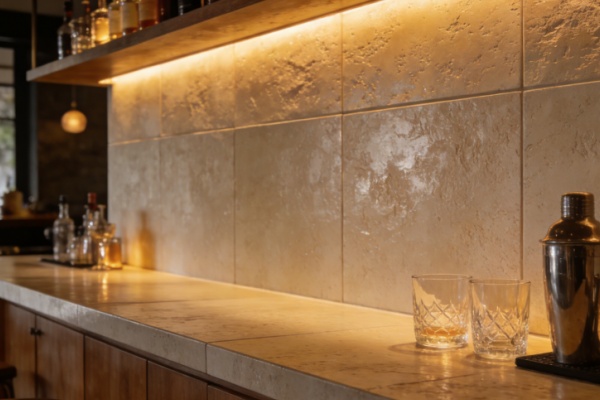
It integrates seamlessly with:
- Concrete countertops
- Quartz surfaces
- Stainless steel appliances
- Wood pergolas
- Integrated LED lighting systems
Cost Comparison Overview
| Factor | Traditional Stone | Flexible Stone |
|---|---|---|
| Weight | Very Heavy | Ultra Lightweight |
| Labor Requirement | Skilled Mason Needed | Standard Installer |
| Installation Time | Extended | Fast |
| Structural Reinforcement | Often Required | Rarely Required |
| Freight Cost | High | Reduced |
| Curved Applications | Difficult | Easy |
For B2B buyers, the total installed cost is often significantly lower when using flexible stone.
Aligning with Modern Construction Trends
The global construction industry is moving toward:
- Lightweight material systems
- Modular and prefabricated builds
- Faster installation methods
- Reduced embodied carbon
- Sustainable logistics
Flexible stone aligns naturally with these trends.
Reduced material weight results in:
- Lower transportation emissions
- Reduced structural material usage
- Improved environmental efficiency
Who Should Consider Flexible Stone?
- Architects seeking innovative surface solutions
- Contractors managing high-volume projects
- Real estate developers optimizing ROI
- Hospitality groups expanding multiple locations
- Distributors diversifying product portfolios
If your project requires design flexibility, installation efficiency, and cost control, flexible stone provides a competitive advantage.
Conclusion: Rethinking Outdoor Stone Bar Construction
Outdoor stone bars are no longer decorative additions — they are functional investments that impact property value and user experience.
While traditional stone delivers aesthetic appeal, modern construction demands efficiency and scalability.
Flexible stone offers:
- Authentic natural stone appearance
- Reduced weight and structural demands
- Expanded design flexibility
- Optimized cost structure
- Accelerated project timelines
For forward-thinking construction and hospitality professionals, flexible stone is not just an alternative — it is the next evolution in exterior surface materials.