The Hidden Risks of Manufactured Stone Veneer
A Practical Guide for Architects, Builders, and Commercial Developers
Manufactured stone veneer panels are often positioned as a cost-effective and convenient alternative to natural stone. On the surface, they appear attractive—lower upfront pricing, uniform sizing, and wide availability. However, for commercial projects and professional construction environments, the real-world performance of manufactured stone veneer1 frequently tells a very different story.
For architects, builders, developers, and distributors, material decisions are not just about appearance. They directly affect installation risk2, long-term durability3, maintenance costs, and project liability4. This article takes a professional, B2B-focused look at the disadvantages of manufactured stone veneer1—and explores smarter alternatives that align with modern construction realities.
Why Manufactured Stone Veneer Falls Short in Professional Projects
1. Artificial Appearance and Repetition at Scale
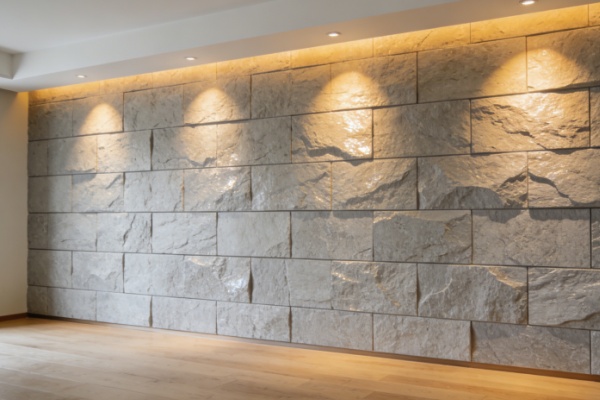
Manufactured stone veneer is made from concrete-based molds designed to imitate stone. While this can be passable in small residential accents, problems quickly emerge in large commercial or multi-unit installations.
- Repeating molds create obvious pattern duplication
- Uniform edges and panel joints reveal the material as artificial
- Large surfaces amplify visual inconsistencies
For architects and designers working on hospitality, retail, or mixed-use developments, these visual limitations can undermine an otherwise well-designed space.
2. Durability Limitations5 in Real-World Conditions
Unlike natural stone, manufactured stone veneer1 lacks geological density. In professional applications, this translates into measurable risks:
- Chipping and surface cracking during transport or installation
- Degradation in freeze–thaw climates
- Color fading and surface wear over time
These issues increase warranty exposure and long-term maintenance obligations—critical concerns for developers and building owners.
3. Moisture Management6 and Liability Risk
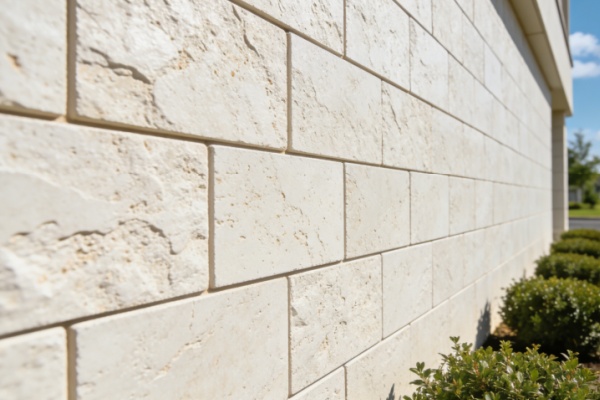
Moisture intrusion is one of the most documented failure points of manufactured stone veneer1 systems.
Common risks include:
- Water penetration behind panels due to improper detailing
- Mold growth and substrate deterioration
- Increased remediation costs and potential litigation
Even with correct installation, the material itself offers limited forgiveness when exposed to moisture-heavy environments such as exterior façades, hospitality spaces, or fireplace surrounds.
4. Installation Complexity7 Is Often Underestimated
Manufactured stone veneer is frequently marketed as “easy to install,” but professionals know this is misleading.
Achieving an acceptable finish requires:
- Precise alignment to minimize visible seams
- Skilled labor to disguise panel transitions
- Strict adherence to moisture barrier systems
Any deviation increases rework, delays, and labor costs—negating much of the perceived upfront savings.
5. Shorter Lifecycle = Higher Total Cost of Ownership
While manufactured stone veneer1 may reduce initial material costs, its total cost of ownership8 often exceeds expectations:
- Higher maintenance frequency
- Earlier replacement cycles
- Reduced perceived property value
For commercial stakeholders evaluating ROI over 10–20 years, these factors significantly impact profitability.
Rethinking the Choice: Beyond Manufactured vs. Traditional Stone
For years, the industry framed the decision as a binary choice:
- Manufactured stone veneer (cheap, lightweight, artificial)
- Traditional natural stone (authentic, durable, heavy, labor-intensive)
Today, that framework is outdated.
A Smarter Alternative: Flexible Stone Veneer9 for Modern Construction
Flexible stone veneer introduces a third category that directly addresses the shortcomings of manufactured stone—without inheriting the logistical challenges of full-depth stone.
What Is Flexible Stone?
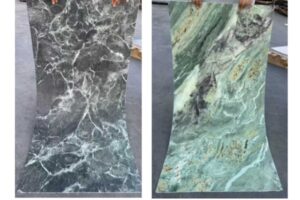
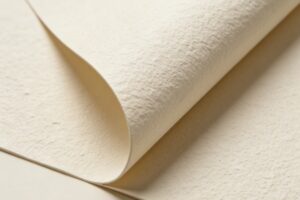
Flexible stone veneer is produced from real natural stone, split into ultra-thin layers and reinforced with advanced backing systems. The result is a material that maintains the authenticity of stone while adapting to modern construction demands.
Key Advantages for B2B Projects
Authentic Natural Stone Appearance10
- Each sheet retains genuine stone texture and variation
- No repeating molds or artificial patterns
- Suitable for large-scale commercial surfaces
Lightweight and Structurally Efficient
- Significantly reduced load compared to traditional stone
- Ideal for renovations, retrofits, and high-rise applications
- Compatible with a wider range of substrates
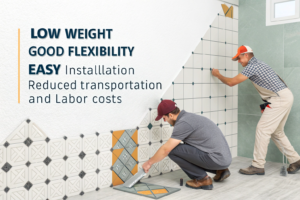
Faster, More Predictable Installation
- Reduced labor intensity
- Easier detailing around curves, columns, and complex geometries
- Lower risk of installation errors and callbacks
Improved Long-Term Value
- Better resistance to cracking and surface failure
- Lower maintenance demands
- Strong alignment with sustainable building strategies
Material Selection Framework11 for Professionals
| Project Requirement | Manufactured Stone | Traditional Stone | Flexible Stone |
|---|---|---|---|
| Authentic appearance | ❌ | ✅ | ✅ |
| Lightweight construction | ⚠️ | ❌ | ✅ |
| Moisture resilience | ❌ | ✅ | ✅ |
| Installation efficiency | ⚠️ | ❌ | ✅ |
| Lifecycle cost control | ❌ | ⚠️ | ✅ |
| Design flexibility | ❌ | ⚠️ | ✅ |
Conclusion: Make Material Choices That Reduce Risk, Not Just Cost
Manufactured stone veneer may still have a place in limited, low-risk applications. However, for professional, large-scale, or long-term projects, its disadvantages—from durability concerns to moisture risk—are difficult to ignore.
Flexible stone veneer represents a more advanced material strategy:
real stone authenticity, reduced structural burden, and greater installation flexibility.
For architects, builders, developers, and distributors focused on performance, reliability, and long-term value, the question is no longer “Is manufactured stone cheaper?”
It’s “Which material minimizes risk while maximizing return?”
The answer increasingly points toward flexible stone.
Understanding the drawbacks of manufactured stone veneer can help you make informed decisions for your construction projects. ↩
Learn how installation risks can impact the success and safety of your construction projects. ↩
Discover why choosing materials with long-term durability is crucial for sustainable construction. ↩
Explore how project liability can affect your construction choices and overall project success. ↩
Learn about the potential durability issues with manufactured stone veneer and how they can affect your projects. ↩
Understand the importance of moisture management to prevent damage and ensure the longevity of your buildings. ↩
Discover why installation complexity can lead to increased costs and delays in your construction projects. ↩
Learn how evaluating the total cost of ownership can lead to more cost-effective construction decisions. ↩
Explore the advantages of flexible stone veneer and how it can enhance your construction projects. ↩
Find out how authentic natural stone appearance can add value and appeal to your building projects. ↩
Learn how a structured material selection framework can help you choose the best materials for your projects. ↩