Tiling a Small Bathroom: Smart Porcelain Tile Strategies to Make Any Space Feel Bigger
Designing a small bathroom doesn’t have to mean sacrificing style or comfort. With the right porcelain tile choices, even the most compact bathroom can feel brighter, more spacious, and more refined. Tile selection is not only a design decision—it directly affects how space is perceived, how light behaves, and how the bathroom performs over time.
This guide shares practical, design-proven porcelain tile strategies1 to help homeowners, designers, and renovation professionals transform small bathrooms into functional, elegant spaces.
Why Tile Choice Matters More in Small Bathrooms
In a small bathroom, every surface is visually amplified. With fewer furnishings and tighter layouts, floors and walls play a bigger role in defining the space. Tile size, color, layout, and finish directly influence:
- Perceived room size2
- Light reflection and brightness
- Visual continuity3
- Ease of cleaning and maintenance
Porcelain tile is particularly well suited for small bathrooms thanks to its durability, low water absorption, and wide design range—but how it’s used is just as important as what you choose.
Start With the Floor: The Visual Foundation
The floor is often the largest uninterrupted surface in a small bathroom. Choosing the right floor tile sets the tone for the entire space.
Effective floor tile strategies include:
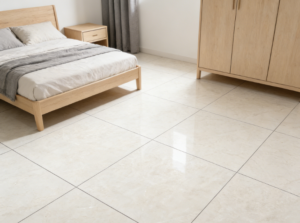
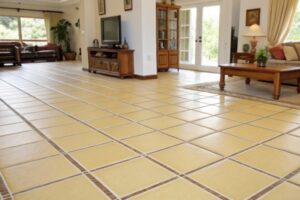
- Using medium to large-format porcelain tiles4 to reduce grout lines
- Laying rectangular tiles along the length of the room to visually extend space
- Selecting stone-effect or wood-effect porcelain tiles for texture without heaviness
Fewer joints create cleaner lines and a more open feel.
Tile Layout: The Hidden Space Expander
Tile layout has a powerful impact on how large a bathroom feels—sometimes more than tile size itself.
Proven layout techniques for small bathrooms:
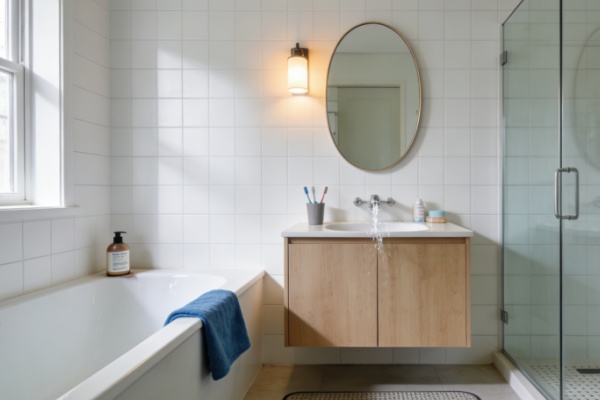
- Using the same tile on floors and walls to create visual continuity
- Vertical wall tile layouts5 to emphasize height
- Minimal grout joints, color-matched to the tile, for a seamless look
Avoid using complex patterns across every surface. Let one area stand out while the rest supports it.
Choosing the Right Tile Size (There Are No Absolute Rules)
A common misconception is that small bathrooms require small tiles. In reality, larger tiles often make compact spaces feel more open.
Smart size selection by area:
| Area | Recommended Approach |
|---|---|
| Floor | Medium to large-format porcelain tiles |
| Main walls | Large tiles or vertically stacked layouts |
| Shower floor | Small or mosaic tiles for drainage |
| Accent areas | Textured or decorative tiles in moderation |
The goal is balance, not uniformity.
Colors and Finishes That Enhance Space
Color and surface finish play a crucial role in how light moves through a small bathroom.
Space-enhancing choices include:
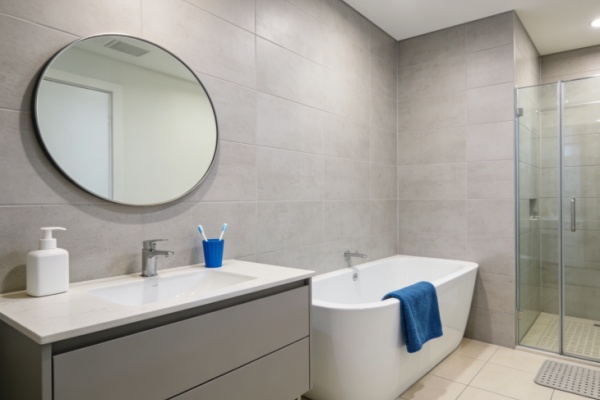
- Light neutral tones6 such as soft white, beige, or light gray
- Glossy or satin porcelain finishes7 to reflect light
- Subtle veining or tonal variation to add depth without clutter
High-contrast colors and bold patterns should be used selectively.
Wall Tile Ideas That Add Depth Without Overcrowding
Walls offer an opportunity to introduce character while maintaining openness.
Effective wall tile ideas:
- Lightly textured porcelain tiles for visual depth
- Vertical layouts for modern, height-enhancing effects
- Feature walls behind vanities or showers8 to create focal points
Porcelain tile’s ability to replicate stone, marble, concrete, or fabric looks makes it easy to tailor style without compromising performance.
The Shower Area: Where Design Meets Function
The shower is often the most prominent feature in a small bathroom, making tile choice especially important.
Best practices include:
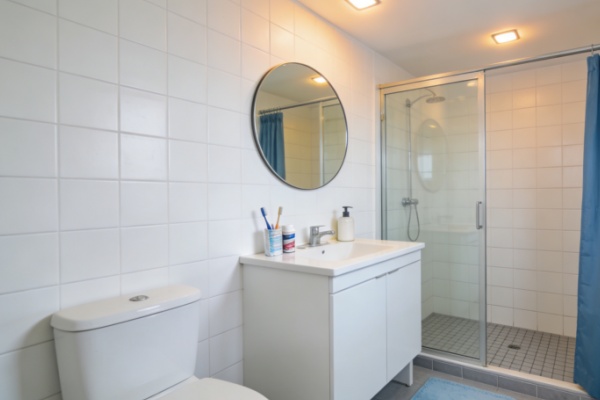
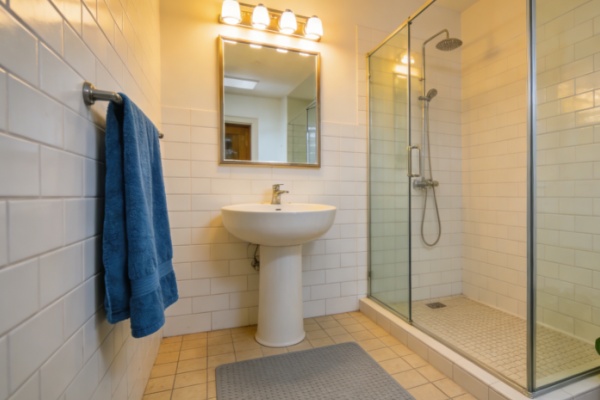
- Using smaller or mosaic porcelain tiles on shower floors for proper drainage
- Keeping shower wall tiles consistent with the rest of the bathroom
- Introducing subtle texture or pattern to define the zone without breaking continuity
Planning tile dimensions early helps minimize awkward cuts and visual disruption.
Common Small Bathroom Tiling Mistakes to Avoid
Even high-quality tiles can fail if applied incorrectly.
Avoid these common issues:
- Mixing too many tile styles9 in one space
- Dark grout with light tiles, which breaks visual flow
- Overusing mosaics on large surfaces
- Skipping layout planning before installation
In small bathrooms, professional installation and careful planning make a noticeable difference.
Why Porcelain Tile Is Ideal for Small Bathroom Renovations
Beyond aesthetics, porcelain tile offers functional advantages that are especially valuable in compact, moisture-prone spaces:
- Extremely low water absorption10
- High resistance to stains, scratches, and chemicals
- Easy cleaning and low maintenance
- Suitable for floors, walls, and wet areas
- Available in a wide range of realistic material effects
For small bathroom renovations, porcelain tile delivers long-term reliability without compromising design.
Final Thoughts: Small Space, Smart Design
A small bathroom doesn’t require compromise—it requires strategy. With thoughtful porcelain tile selection, smart layouts, and restrained design choices, compact bathrooms can feel intentional, elegant, and surprisingly spacious.
There are no rigid rules—only informed decisions. When visual impact and functional performance are considered together, even the smallest bathroom can become a refined, comfortable, and lasting space.
Discovering effective porcelain tile strategies can help you transform a small bathroom into a more spacious and elegant area. ↩
Understanding how tile choice affects perceived room size can help you make informed decisions to enhance your bathroom's appearance. ↩
Exploring the concept of visual continuity can guide you in creating a seamless and cohesive bathroom design. ↩
Learn why medium to large-format porcelain tiles are recommended for small bathrooms to create a more open and clean look. ↩
Vertical wall tile layouts can emphasize height and make your bathroom feel more spacious. Discover how to implement this technique. ↩
Light neutral tones can enhance space by reflecting light and creating a brighter atmosphere. Find out how to use them effectively. ↩
Glossy or satin finishes can reflect light and add depth to your bathroom. Learn how these finishes can improve your space. ↩
Feature walls can add character and focus to your bathroom. Discover how to design them without overcrowding the space. ↩
Avoiding the mix of too many tile styles can prevent visual clutter. Learn how to maintain a cohesive design. ↩
Tiles with low water absorption are crucial for durability and maintenance in moisture-prone areas like bathrooms. Find out more about their benefits. ↩