What is Ultra Thin Natural Stone?
Definition and Composition
Ultra thin natural stone a next-generation architectural material created from natural mineral powders and advanced polymer technology. By combining finely processed stone particles with high-performance composite materials, the surface retains the authentic texture and visual richness of natural stone while achieving exceptional flexibility and lightweight performance.
This advanced engineering creates flexible stone veneer sheets that are incredibly lightweight yet structurally robust. Our product delivers the exact visual and tactile experience of solid quarried block, optimized for effortless application across both interior and exterior projects.
Comparison with Traditional Stone
Traditional masonry is heavy, brittle, and structurally demanding. Our thin stone veneers eliminate these physical and logistical barriers, offering a streamlined alternative without sacrificing authenticity.
| Feature | Ultra Thin Natural Stone | Traditional Solid Stone |
|---|---|---|
| Weight Profile | Approx. 1.5 kg/m² (Lightweight) | Upwards of 50 kg/m² (Heavy) |
| Flexibility | Highly bendable for curved surfaces | Completely rigid |
| Installation Speed | Fast; uses standard construction adhesives | Slow; demands specialized masonry labor |
| Logistics & Freight | Cost-effective and highly efficient | Expensive and requires heavy machinery |
| Structural Load | Zero structural reinforcement needed | Requires high load-bearing infrastructure |
Key Advantages and Characteristics
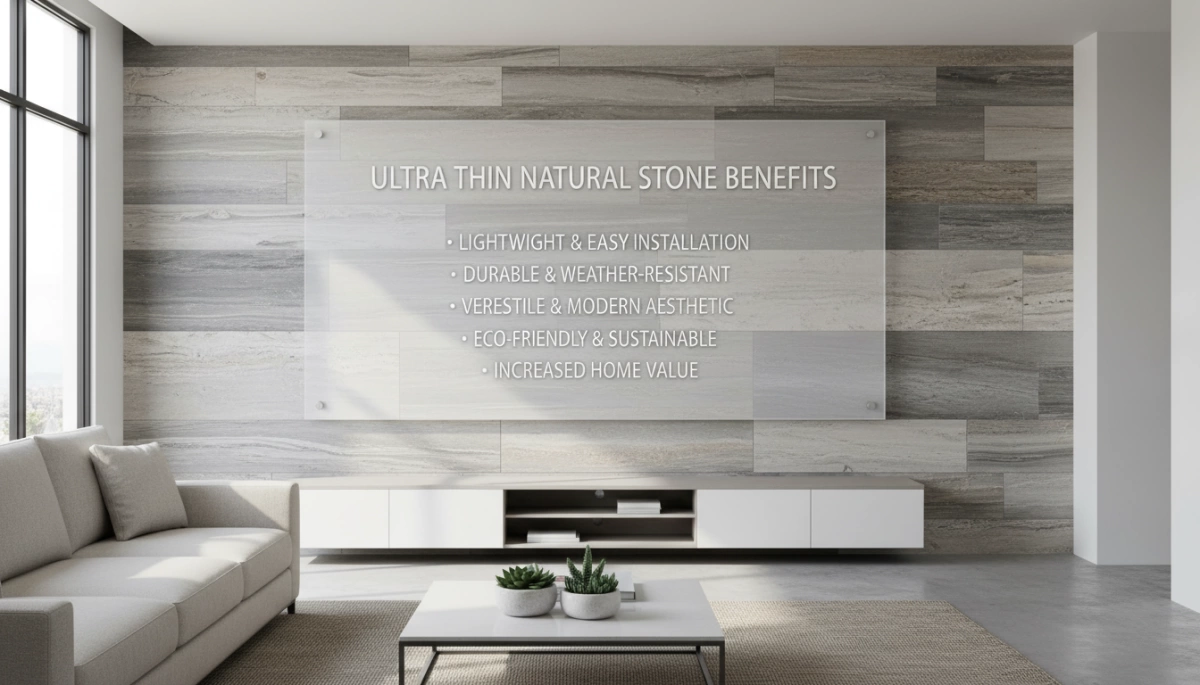
Let’s look at why ultra thin natural stone is changing the game for builders and designers globally. We provide these materials to solve the biggest heavy-lifting headaches of traditional masonry without sacrificing that premium, authentic look.
Lightweight and Flexible Properties
The standout feature of our flexible stone products is how incredibly light they are. You can easily bend these panels to fit curved walls, columns, or custom fixtures.
- Easy handling: Reduces physical strain on contractors and speeds up the job.
- True flexibility: Wraps around tight radii and corners seamlessly.
- Structural safety: Adds virtually zero dead weight to your building framework.
Ultra-Thin Thickness and Dimensions
We manufacture these veneer sheets to be astonishingly thin. By stripping away the heavy bulk, we give you the exact natural stone face you want in a highly manageable format.
| Specification | Detail |
|---|---|
| Standard Thickness | 1.0mm – 3.0mm |
| Product Format | Thin stone veneers and large panels |
| Average Weight | ~1.5 kg per square meter |
Durability and Weather Resistance
Despite being remarkably thin, this material is built incredibly tough. It holds up beautifully across diverse climates, making it a highly reliable choice for demanding interior and exterior projects.
- UV stable: The real stone surface will not fade or degrade under harsh sunlight.
- Weatherproof: Performs flawlessly whether exposed to extreme heat or freezing temperatures.
- Fiberglass reinforced: The specialized backing provides massive impact resistance and structural integrity.
Eco-Friendly and Cost-Effective
Choosing ultra thin natural stone is a smart financial move that also protects the environment. Because we can extract hundreds of thin sheets from a single standard block of stone, the ecological footprint shrinks dramatically.
- Reduced freight: Lightweight pallets mean far cheaper, more efficient global shipping.
- Lower labor costs: Faster installation cuts down on intensive labor hours and the need for heavy machinery.
- Resource efficiency: Maximizes the yield from natural raw materials, making it a highly sustainable building material.
Types of Ultra Thin Natural Stone
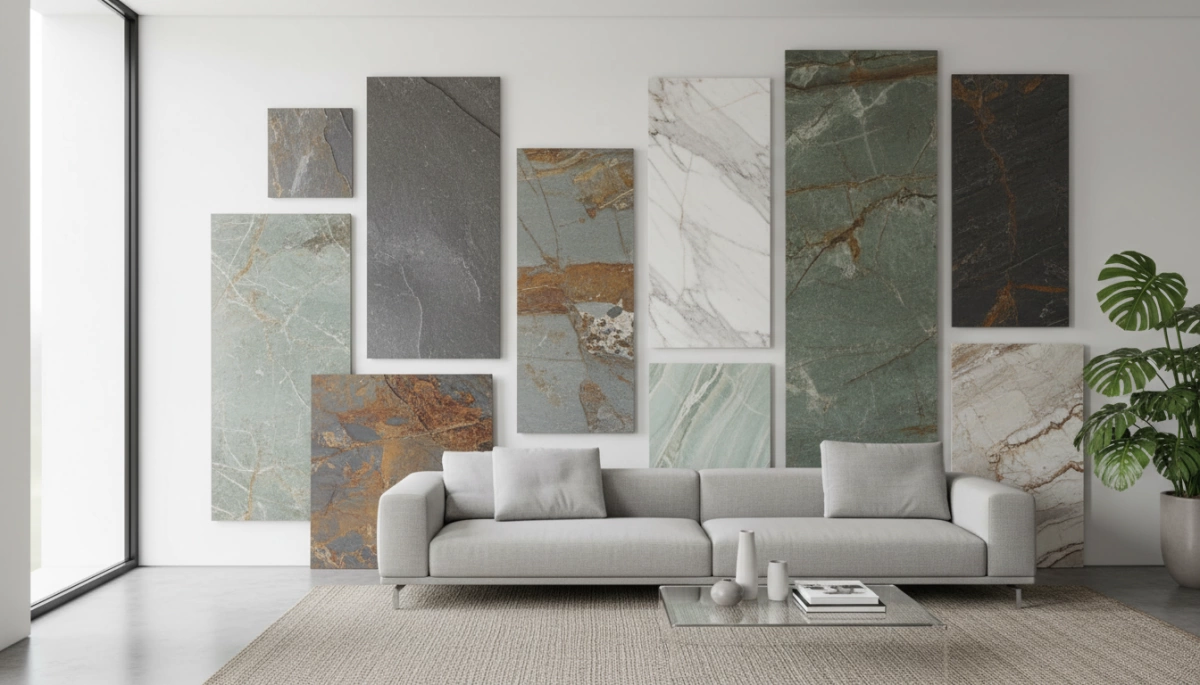
When I supply these materials, I always guide my clients toward the right fit for their specific build. We categorize our ultra thin natural stone into three main product lines, each built to solve different design challenges.
Flexible Stone Veneers
These veneer sheets are engineered with a fiberglass and resin backing. This backing gives the material its signature bend without cracking the rock face.
- Best for: Curved walls, round pillars, and custom furniture wrapping.
- Key perk: It is true flexible stone that easily wraps around tight corners and arches.
Standard Ultra Thin Stone Panels
This is our daily workhorse. You get the authentic face of a heavy, traditional slab, but the material stays entirely lightweight.
- Best for: Broad interior and exterior projects, such as flat facades and large feature walls.
- Key perk: Installs fast on standard flat surfaces without needing heavy-duty anchors or expensive structural reinforcement.
Applications and Use Cases
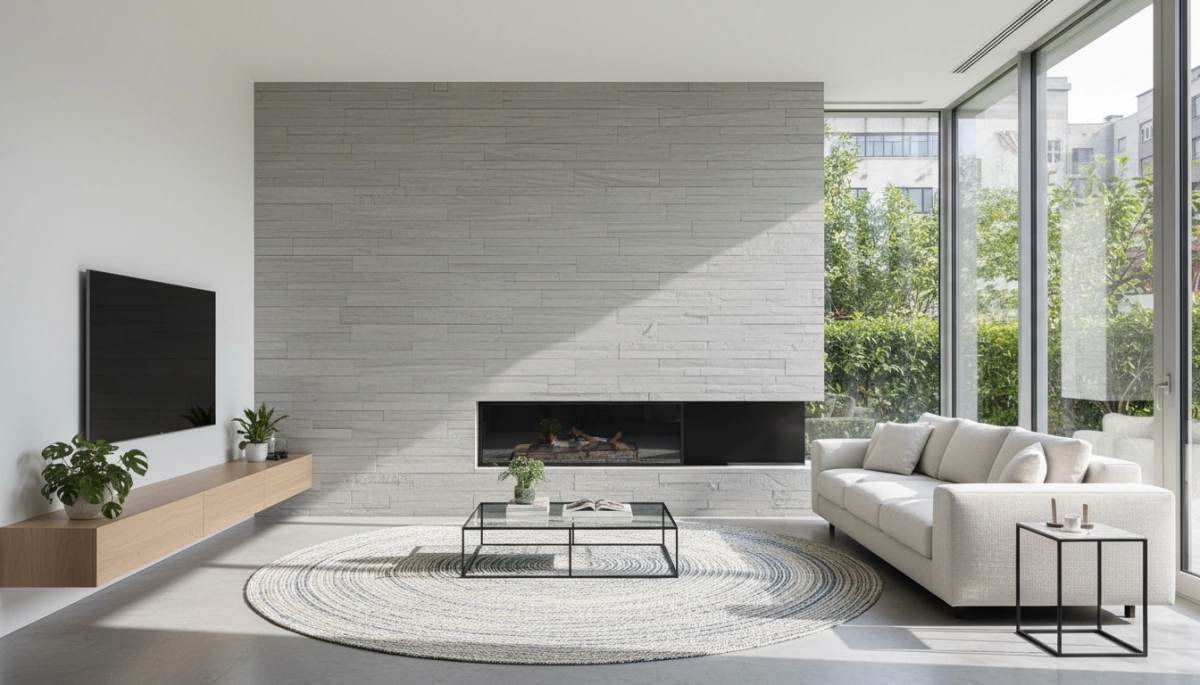
When we talk about versatility in modern design, Ultra Thin Natural Stone is often the first material that comes to mind. Because it breaks the heavy, rigid rules of traditional masonry, we can use it in places where standard stone simply wouldn’t work. From high-end residential projects to demanding commercial environments, here is how we are seeing this material applied globally.
Interior Wall Cladding and Decoration
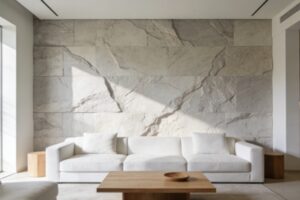
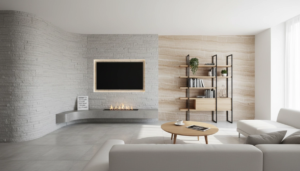
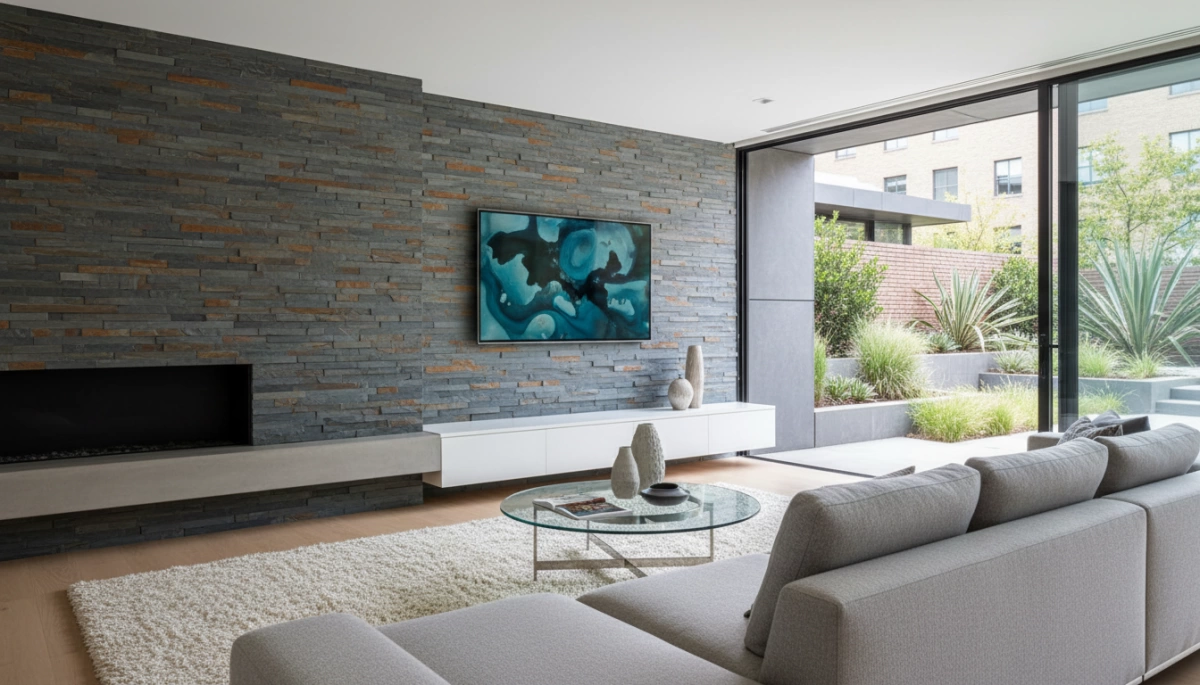
For interior spaces, the goal is often to create a focal point without overwhelming the structure. Ultra Thin Natural Stone is perfect for feature walls in living rooms, lobbies, or hallways. Since these sheets are incredibly lightweight, we can install them directly over existing drywall, wood, or tile without needing to reinforce the wall.
- Curved Walls: Because the material is flexible, we can wrap it around columns or curved architectural details.
- Ceilings: The low weight allows for stone ceilings, adding a dramatic effect that was previously dangerous or impossible with thick slabs.
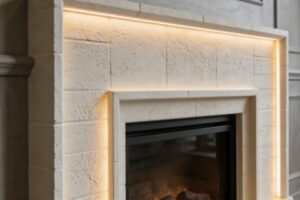
- Accent Features: Fireplace surrounds and TV backdrops benefit from the rich texture of real stone without the bulk.
Exterior Facades and Commercial Spaces
Durability is key for exterior projects. Ultra Thin Natural Stone provides the prestige of a stone facade but with a fraction of the installation time and structural load. In commercial spaces like hotels, retail stores, and office buildings, this material stands up to the elements while offering a sleek, modern look.
Using flexible stone veneers on exteriors solves common construction headaches:
- Renovations: We can clad over old brick or concrete exteriors quickly.
- Weather Resistance: The stone surface is naturally resistant to UV rays and frost, protecting the building envelope.
- Cost Efficiency: Reduced shipping weight and faster installation mean commercial projects stay on budget.
Furniture, Cabinetry, and Millwork
This is where the “ultra-thin” aspect truly shines. We are no longer limited to using stone just for walls and floors. Furniture designers and joiners are applying these veneer sheets to substrates like MDF or plywood to create stone-faced furniture that remains movable.
Common applications include:
- Cabinet Doors: Kitchen or wardrobe doors can have a real stone face without sagging hinges.
- Reception Desks: Creating a monolithic stone look for reception areas without the heavy steel support structures usually required.
- Doors: Interior passage doors clad in stone offer a unique, heavy look with a light, functional feel.
Kitchen and Bathroom Surfaces
In wet areas, the non-porous backing of many Ultra Thin Natural Stone products acts as a barrier, making them suitable for bathrooms and kitchens when properly sealed. It offers a seamless, grout-free appearance that is easier to clean than traditional tiles.
- Backsplashes: The thin profile means it doesn’t encroach on counter space.
- Shower Walls: Large format sheets mean fewer joints, reducing the risk of mold and water ingress.
- Vanity Tops: While not always suitable for high-impact cutting surfaces, it is excellent for vertical vanity cladding and low-traffic counter areas.
By leveraging the unique properties of Ultra Thin Natural Stone, we can bring the elegance of nature into every corner of a building, defying the limitations of weight and rigidity.
Installation and Technical Guide
Working with our ultra thin natural stone is a straightforward process. Because these veneer sheets are exceptionally lightweight, you save time and labor costs on site without needing heavy machinery.
How to Install Ultra Thin Stone
Whether you are tackling interior and exterior projects, preparing your workspace is the first critical step.
- Clean the substrate: Ensure your wall or surface is completely dry, flat, and free of dust or grease.
- Apply the adhesive: Spread the glue evenly on the back of the sheet using a notched trowel.
- Press and roll: Position the flexible stone firmly into place. Use a hand roller to push out any trapped air bubbles from the center out to the edges.
Cutting and Adhesion Techniques
You do not need heavy-duty masonry equipment to cut thin stone veneers. Standard woodworking tools work perfectly.
| Task | Recommended Tool | Best Adhesive Type |
|---|---|---|
| Straight Cuts | Tin snips or metal shears | Polyurethane (PU) adhesive |
| Precision/Long Cuts | Circular saw with a diamond blade | Epoxy-based stone glue |
| Curves & Corners | Dremel or heavy-duty utility knife | High-grab construction adhesive |
Care and Maintenance Tips
Taking care of your stone surface guarantees long-term durability and keeps it looking brand new.
- Seal immediately: Always apply a high-quality, penetrating stone sealer right after installation to block moisture, oil, and stains.
- Clean gently: Use warm water and a neutral pH stone cleaner. Never use harsh chemicals, bleach, or acidic solutions that can damage the natural surface.
- Routine checks: For outdoor facades or wet areas like bathrooms, inspect the caulked seams annually to ensure the waterproofing remains fully intact.