Your garden path is muddy and uneven. Every time it rains, you track dirt into the house. Natural stone pavers can fix this problem with a beautiful, permanent solution.
Natural stone pavers are pieces of real stone, cut from quarries into various shapes and sizes. They are used to create very durable and attractive outdoor surfaces like patios, walkways, and driveways. Their natural origin gives each stone a unique color and texture1, adding timeless character.
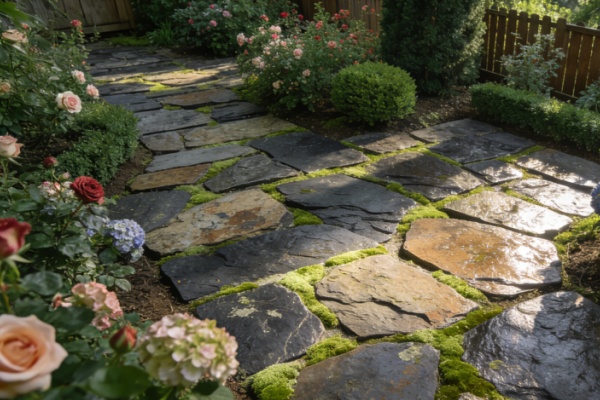
I used to think that a "stone" was just a stone. But when I started working on my first major landscaping project, I quickly learned how wrong I was. The client wanted a patio, a walkway, and a small square for a fountain.
I went to the supplier and was amazed by the sheer number of choices. There were so many different types, textures, and colors. It was overwhelming at first, but it also opened my eyes to the incredible versatility of this material. Learning about the different kinds of stone pavers completely changed how I approach outdoor design. It's not just about creating a surface; it's about choosing the right character for the space.
What Are The Main Types of Stone Pavers?
You want to choose the right paver, but the options feel endless. Making the wrong choice can ruin your project's look and even be unsafe. Understanding the main types makes it easy.
The main types include square tile pavers, flat slabs, matte finish pavers, rough-faced pavers, striped stone, and bluestone. Each one has a distinct look, texture, and best use case, from public squares to private garden paths, ensuring there is a perfect option for every project.
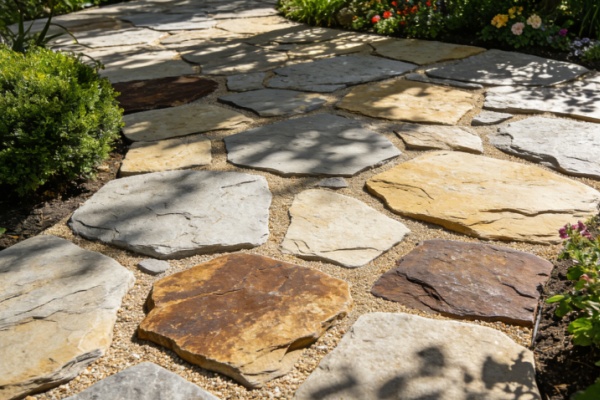
Let's look at these types more closely. Each one has a specific job it does best. When you know the options, you can pick the perfect stone for your needs. I've found that breaking them down helps my clients feel much more confident in their decisions.
Square Tile and Flat Slab Pavers2
These are probably the most common types you will see. Square Tile Pavers3 are natural stones cut into smaller, uniform squares.
They are perfect for large areas like public squares or long garden paths. They are usually made from granite, which is very strong. Lighter colors are common, with darker stones used as accents. Flat Slab Pavers2 are larger pieces that have a polished or flamed finish.
I often use these for patios, pool decks, and modern landscape paths. They have a clean, elegant look. The gaps between the stones are filled with grout, which helps with slip resistance4 and makes them easy to clean.
Matte and Rough-Faced Pavers5
These pavers are all about texture. Matte Finish Pavers6, sometimes called frosted, are great for both indoor and outdoor use.
I've seen them used to create stunning floors in bathrooms and hotel lobbies because they offer a unique, non-reflective look. They are especially good for wet areas. Rough-Faced Pavers5 are my favorite for creating a natural, rugged look.
They are finished by hand to look like a natural break in the rock. The surface might look like a lychee fruit's skin or even a pineapple's. This type is extremely durable and is often used for historic or permanent buildings because it lasts for a very long time.
Striped Stone and Bluestone Pavers7
These types offer very distinct styles. Machine-Planed Striped Stone8 is a modern choice. To prevent slipping, people used to use rough finishes. But this new method cuts clean, smooth stripes into the stone.
It looks very stylish and adds a beautiful, modern touch to cityscapes and contemporary homes. Bluestone Pavers7 have a classic, timeless feel. Their blue-gray color looks amazing in gardens because it blends so well with plants and grass.
The famous gardens in Suzhou, China, were built using this type of stone. Today, you can get bluestone with different finishes to make it look old and weathered, which adds even more character.
| Paver Type | Best For | Common Finish | Overall Look |
|---|---|---|---|
| Flat Slab | Patios, Modern Walkways | Polished or Flamed | Clean, Elegant |
| Rough-Faced | Rustic Paths, Historic Buildings | Hand-Chiseled, Natural | Rugged, Timeless |
| Bluestone | Garden Paths, Natural Landscapes | Natural or Weathered | Classic, Harmonious |
Why Should You Use Natural Stone in a Garden?
Garden maintenance can feel like a never-ending job. Wood decks rot, concrete pavers crack, and grass paths turn to mud. Natural stone is a simple, one-time solution to these problems.
You should use natural stone in a garden because it is incredibly strong, stable, and weather-resistant. It provides a solid, long-lasting surface for paths and patios, which greatly reduces your maintenance costs9 and effort over time. It is a true "set it and forget it" material.
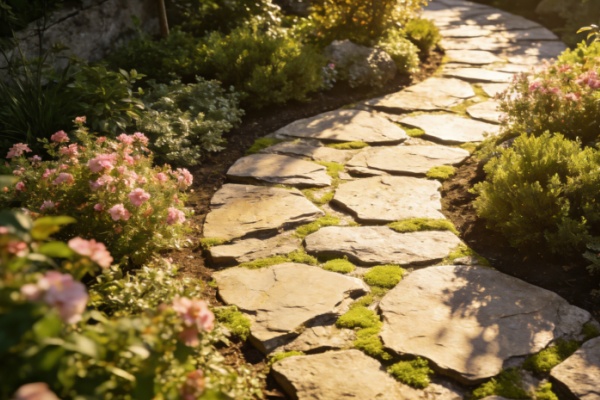
I always tell my clients that stone is the backbone of a good garden design. It's a structural material that you can rely on completely. Because it's so durable, we can build stable paths, strong retaining walls, and beautiful patios that will last for generations.
This strength saves a lot of money and work down the road. You don't have to worry about replacing rotten boards or fixing cracked concrete every few years.
The beauty of stone is in its variety. You can create any style you want. For a project that needed a natural, wild feel, I designed a simple path using loose gravel and a few large, randomly placed stepping stones.
It looked like it had been there forever and perfectly matched the rustic garden. For another client who wanted a very modern and clean backyard, we used large, perfectly cut rectangular stone slabs.
We laid them in a precise grid pattern to create a sleek and sophisticated patio. The same material—stone—created two completely different feelings. This is why I love working with it. It is both a practical foundation and a creative tool for expressing a garden's personality.
| Feature | Natural Stone | Concrete Pavers | Wood Decking |
|---|---|---|---|
| Durability | Extremely High | Medium | Low to Medium |
| Maintenance | Very Low | Low | High |
| Appearance | Unique, Natural | Uniform, Manufactured | Natural, but weathers |
| Lifespan | 100+ years | 25-50 years | 10-25 years |
What Should You Consider When Choosing Stone Pavers?
You found beautiful pavers, but after the first rain, they are dangerously slippery. This is a common and costly mistake. You must think about function first, then beauty, to avoid problems.
When choosing stone pavers, you must consider the location, the amount of foot traffic, and your local climate. Key factors to check are slip resistance4 for wet areas, durability for driveways, and a color that matches your home and landscape. Thinking about these things first saves you headaches later.
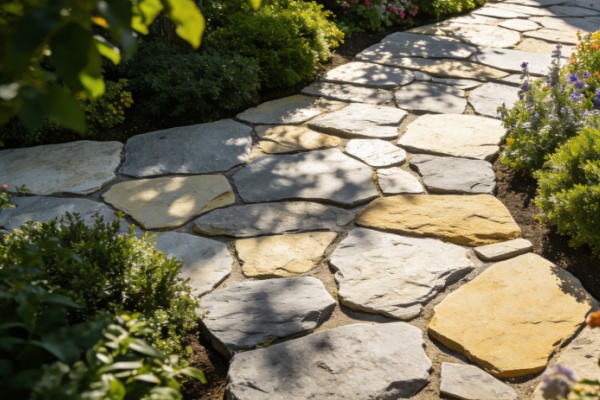
Choosing the right paver is about balancing looks with practical needs. A little planning at the start ensures your project will be safe, last a long time, and look great. I always walk my clients through a few key questions before we even look at samples.
Location and Use Case
Where will the stone be used? This is the most important question. Paving around a swimming pool requires a stone with excellent slip resistance4, like a rough-faced or matte-finished paver.
A purely decorative garden path that gets little traffic can use a smoother, polished stone. For a public square or a driveway, you need something incredibly strong and thick, like granite square tiles10 or rough-faced pavers, to handle the heavy use and weight. Thinking about how you will use the space will narrow down your choices significantly.
Finish and Texture
The surface finish affects both the look and the safety of the paver. A polished finish11 looks sleek and modern but can be very slippery when wet, so it's best for dry, covered areas. A flamed or hand-chiseled finish12 provides more texture and grip, making it a safer choice for outdoor walkways and patios.
The texture also adds to the style. A rough, natural texture fits a rustic or traditional garden, while a smooth, honed finish works well in a formal or contemporary setting. I once had a client who fell in love with a polished marble for their outdoor patio. I had to gently steer them toward a matte-finish travertine that gave a similar look but was much safer for their kids to run on.
Color and Overall Style
Finally, think about color. The stone should complement your home's exterior and the surrounding landscape. Bluestone's cool gray-blue tones look beautiful with green foliage. Warmer-toned stones like sandstone or limestone can match brick or stucco houses.
I recommend getting samples and looking at them outside, next to your house, at different times of the day. The color of stone can change a lot in sunlight versus in the shade. The goal is to create a cohesive look13 where the paving feels like a natural extension of the home and garden, not something that was just added on top.
Conclusion
Natural stone pavers are a strong and beautiful choice for any outdoor space. By understanding the different types and thinking about your needs, you can easily choose the perfect stone for your project.
Learn about the natural origins of stone pavers and how their unique color and texture add character to outdoor spaces. ↩
Understand the elegance of Flat Slab Pavers, ideal for patios and pool decks, and how they contribute to a clean, modern look. ↩
Explore the versatility of Square Tile Pavers, perfect for large areas like public squares and garden paths, and their aesthetic appeal. ↩
Learn about the importance of slip resistance in stone pavers, especially for wet areas, to ensure safety and functionality. ↩
Learn about the rugged, timeless appeal of Rough-Faced Pavers, known for their durability and natural, hand-chiseled appearance. ↩
Discover why Matte Finish Pavers are perfect for wet areas, offering a non-reflective look and unique texture for indoor and outdoor use. ↩
Explore the classic, harmonious feel of Bluestone Pavers, known for their blue-gray color that blends beautifully with natural landscapes. ↩
Find out how Machine-Planed Striped Stone adds a stylish, modern touch to cityscapes and contemporary homes with its smooth stripes. ↩
Learn how the durability of natural stone pavers leads to lower maintenance costs compared to other materials like wood or concrete. ↩
Discover the strength and durability of granite square tiles, making them ideal for high-traffic areas like driveways and public squares. ↩
Explore the sleek, modern look of polished stone pavers and understand their suitability for dry, covered areas. ↩
Find out how textured finishes like flamed or hand-chiseled add grip and style to outdoor walkways and patios. ↩
Find out how to create a seamless integration of stone pavers with your home and garden for a natural extension of your space. ↩