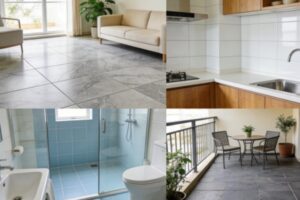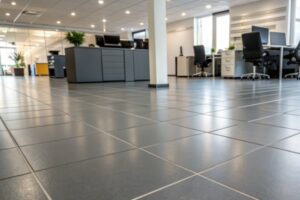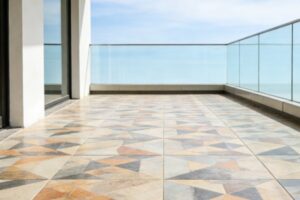
Are you struggling to choose the perfect flooring for your next renovation project? Selecting the right material can make a massive difference in your home’s longevity and style.
You might already know that porcelain is considered the gold standard of flooring…
But what are the advantages of porcelain tiles, exactly?
Well, you’re in for a treat because I’ve put together a complete guide to help you decide.
From unmatched durability in high-traffic areas to superior water and stain resistance, I’m going to show you exactly why these tiles are a smart, long-term investment.
In this post, you’ll learn the real differences between porcelain vs. ceramic tiles, discover their incredible aesthetic versatility, and learn exactly how to implement them in your space—step by step.
Let’s dive right in.
What is Porcelain Tile?
Porcelain tile is a premium, high-performance surface material renowned for its extraordinary density and strength. While it belongs to the broader ceramic family, porcelain is engineered to meet vastly superior structural standards, making it the definitive choice for modern residential and commercial projects worldwide.
How Porcelain Tiles Are Manufactured
The unmatched quality of porcelain stems from its rigorous manufacturing process. It is carefully crafted from highly refined, purified clays mixed with natural minerals like quartz and feldspar.
- High-Pressure Compaction: The raw materials are pressed together under intense weight to eliminate air pockets and maximize density.
- Extreme Firing Temperatures: The compressed tiles are fired in kilns at extreme temperatures exceeding 1,200°C.
- Vitrification Process: This intense, sustained heat fuses the core elements into a solid, non-porous, glass-like state, guaranteeing exceptional temperature stability and structural integrity.
Porcelain vs. Ceramic Tiles: What is the Difference?
While they are closely related, porcelain and standard ceramic tiles have critical differences that directly dictate their performance and lifespan. Because of its specialized construction, porcelain fundamentally outperforms standard ceramic in almost every demanding metric.
| Feature | Porcelain Tile | Standard Ceramic Tile |
|---|---|---|
| Water Absorption | ≤ 0.5% (Virtually impervious to water) | > 0.5% (More porous and moisture-absorbent) |
| Durability | Maximum wear resistance and scratch resistance | Moderate durability; prone to chipping under heavy impact |
| Versatility | Rated for seamless indoor and outdoor use | Strictly recommended for indoor, climate-controlled areas |
| Upkeep | Stain-resistant and highly easy to clean | Requires more careful, frequent maintenance |
| Structural Density | Heavy, highly compact, and remarkably hard | Lighter, softer, and easier to cut |
Core Advantages of Porcelain Tiles
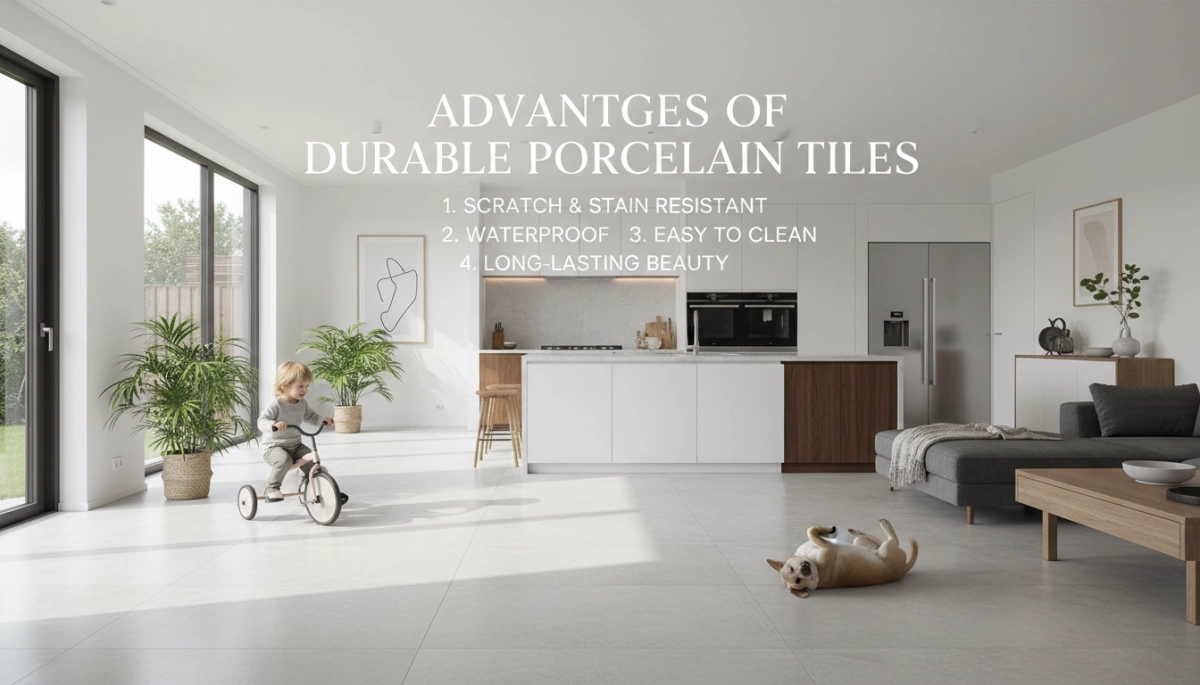
When evaluating flooring options, the advantages of porcelain tiles stand out immediately. We constantly recommend them to our clients because they solve almost every flooring challenge in one package.
Unmatched Durability for High-Traffic Areas
If you have a busy space, you need floors that can take a beating.
- Scratch resistance: Dropped items and pet claws won’t easily ruin the finish.
- Wear resistance: Perfect for heavy daily foot traffic in hallways, living rooms, or commercial spaces.
Superior Water, Stain, and Weather Resistance
Because porcelain is fired at extreme heats, it becomes incredibly dense and nearly completely non-porous.
- Waterproof: The ultimate choice for wet zones like bathrooms and kitchens.
- Temperature stability: They will not warp or crack during extreme freeze-thaw cycles, making them perfect for both indoor and outdoor use.
- Stain-proof: Mud, wine, or coffee spills wipe right off without soaking into the material.
Low Maintenance and Easy Cleaning Requirements
Nobody wants to spend their weekends scrubbing floors.
- Easy to clean: A quick sweep and a standard damp mop are all you need.
- No sealing required: Unlike natural stone or wood, porcelain doesn’t need regular chemical treatments or waxes to maintain its protective barrier.
Aesthetic Versatility and Design Diversity
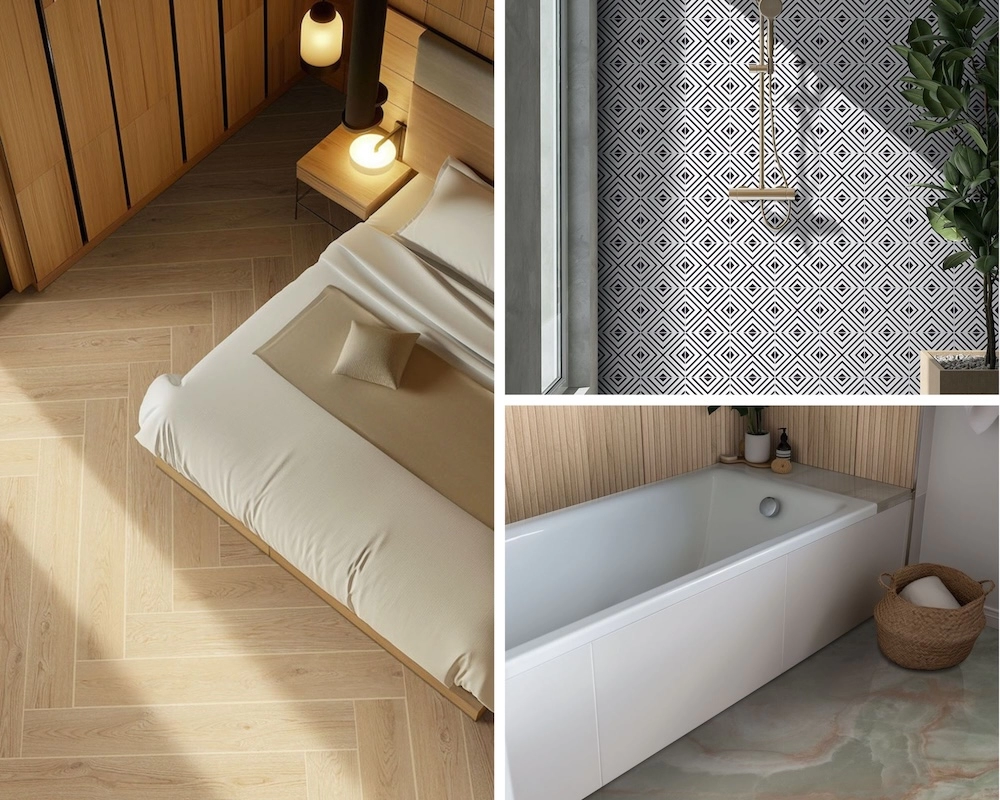
You get the exact look you want without compromising on toughness. Thanks to modern manufacturing, we can offer textures and prints that perfectly mimic hardwood, natural marble, or industrial concrete. The design choices are virtually limitless to match any decor style.
Quick of Core Benefits
| Feature | How It Benefits You | Best Application |
|---|---|---|
| High Density | Blocks water, stains, and bacteria | Bathrooms, Kitchens |
| Extreme Toughness | Handles heavy daily wear and tear | Hallways, Retail Spaces |
| Low Upkeep | Incredibly easy to clean | Whole House |
| Weatherproof | Excellent temperature stability | Patios, Outdoor Walkways |
Additional Benefits for Modern Living
When customers ask me, “What are the advantages of porcelain tiles?”, I always look past the basic surface features. These tiles are specifically engineered to handle the demands of our modern lifestyles while providing lasting peace of mind.
Excellent Thermal Performance and Frost Resistance
Porcelain is fired at incredibly high heat, giving it unmatched temperature stability. Whether you live in a freezing climate or a scorching desert, these tiles perform beautifully.
- Winter-Proof: It absorbs almost zero water, meaning it won’t expand and crack during winter freezes.
- Summer-Ready: It stays naturally cool underfoot and will not warp or fade under direct sunlight.
- Seamless Flow: This stability makes it the ultimate choice for continuous indoor and outdoor use, letting you extend your living room straight onto the patio.
Eco-Friendly and Safe for Indoor Air Quality
We want our living spaces to be completely safe. Since porcelain is manufactured using natural clay and minerals, it is a highly sustainable and green building material.
- Zero Toxins: It is fired in a way that burns off all organics, meaning zero Volatile Organic Compounds (VOCs) and no toxic off-gassing.
- Allergy-Friendly: The dense, non-porous surface gives dust mites, pollen, and mold nowhere to hide.
Long-Term Value and Cost-Effectiveness
You are making an investment in your property. While the upfront price might be slightly higher than standard flooring, the lifetime return on investment is massive. Because it is so easy to clean and maintain, you save money year after year.
| Value Factor | The Modern Advantage |
|---|---|
| Lifespan | Lasts for decades thanks to extreme wear resistance and scratch resistance. |
| Upkeep Costs | Requires zero expensive sealants, waxes, or specialized cleaning chemicals. |
| Property Value | Premium flooring instantly boosts the market and resale value of your home. |
Potential Disadvantages to Consider
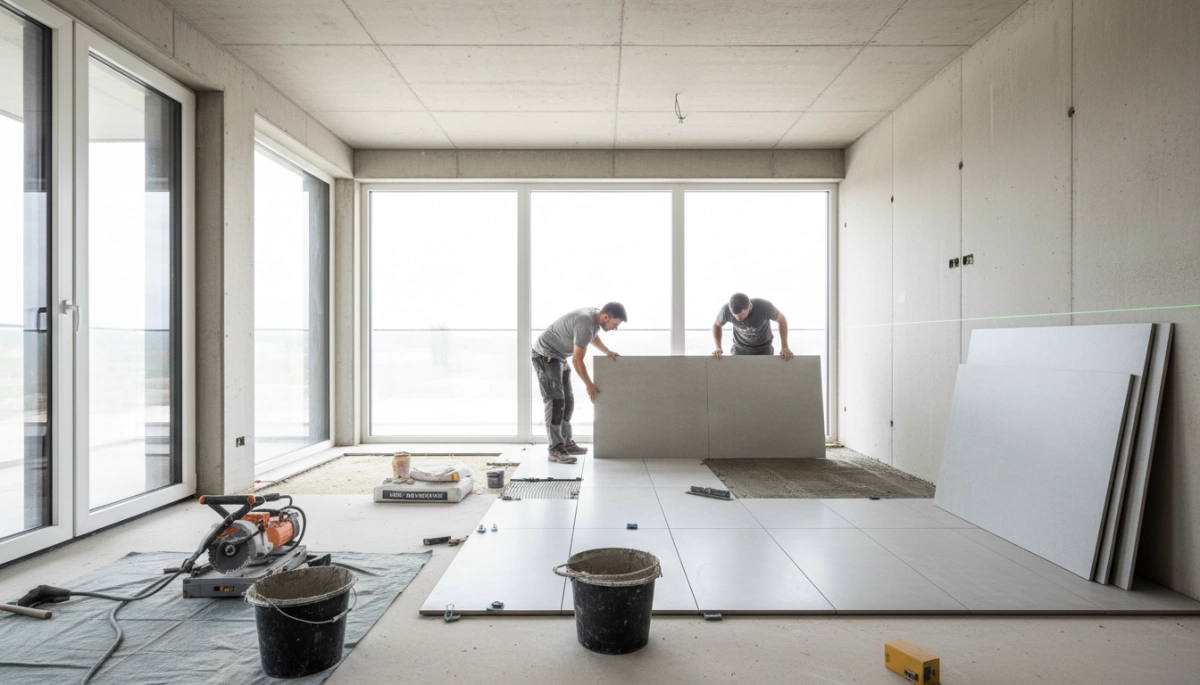
While we often focus on what are the advantages of porcelain tiles, it is just as important to understand the trade-offs. Even with perks like incredible wear resistance and being easy to clean, I always remind buyers to evaluate a few practical hurdles before starting a flooring project.
Higher Initial Purchasing Cost
- Premium Pricing: Porcelain is noticeably more expensive upfront than standard ceramic options.
- Production Costs: The intense manufacturing process required to achieve its signature scratch resistance and temperature stability drives up the retail price.
- The Trade-off: You pay more on day one, but the long-term durability usually balances the scale.
Heavy Weight Requiring Strong Subfloors
- High Density: The material is solid and dense. This makes it perfect for heavy indoor and outdoor use, but it adds massive weight to your building structure.
- Structural Demands: You cannot install these tiles on a weak, uneven, or flexible subfloor. I always advise a strict structural assessment to ensure your flooring joists can support the heavy load without bending over time.
Complex and Professional Installation Recommended
- Tough to Cut: Because the tiles are so hard, standard cutters will not work. Precision cuts require specialized diamond-tipped wet saws.
- Not DIY-Friendly: This is rarely a casual weekend job. Mistakes with high-end porcelain are expensive.
- Added Labor Costs: I highly recommend hiring an experienced tile setter. This will increase your total project budget, but the complex installation process demands professional expertise to guarantee a flawless finish.
Ideal Application Scenarios
When my clients ask me, “What are the advantages of porcelain tiles?“, I always point to exactly where you can use them. Because of their incredibly dense build, they work almost anywhere. Let’s break down the best spots for both indoor and outdoor use.
Indoor: Kitchens, Bathrooms, and Living Areas
Inside the home, these tiles are a reliable foundation. They handle the daily chaos perfectly.
- Kitchens: The natural scratch resistance means dropped pans or sliding chairs won’t wreck your floor. Plus, they are incredibly easy to clean after messy cooking spills.
- Bathrooms: Moisture doesn’t stand a chance. They block water absorption naturally, keeping mold and water damage away.
- Living Areas: They offer high wear resistance for heavy family foot traffic, maintaining a pristine look for decades.
Outdoor: Patios and Exterior Walkways
Taking the flooring outside? This is where porcelain truly outworks the competition.
- Temperature stability: They won’t crack under freezing winter ice or warp in baking summer heat.
- Weatherproof: Rain, snow, and UV rays won’t fade their color or break down their surface.
- Safe grip: Textured outdoor finishes make wet patios, pool decks, and walkways safe to navigate.
Commercial vs. Residential Suitability
I supply flooring for both cozy homes and busy storefronts. The demands differ drastically, but this material adapts to both.
- Residential Spaces: Focuses on elevated style and being fast and easy to clean for busy homeowners.
- Commercial Spaces: Relies heavily on maximum wear resistance. Retail stores, hotel lobbies, and bustling restaurants need floors that survive thousands of harsh footsteps a day without showing their age. Porcelain delivers exactly that.
Types of Finishes: Enhancing the Advantages of Porcelain Tiles
One of the biggest advantages of porcelain tiles is the sheer variety of surface options available. The finish you choose doesn’t just dictate the aesthetic of your space; it directly impacts the functional benefits of the flooring. Here is how I break down our most popular finishes to help you make the right choice.
Polished vs. Unpolished Porcelain Tiles
Choosing between a glossy or matte surface usually comes down to where you plan to install the tile.
- Polished Porcelain: The surface grinding process gives these tiles a brilliant, mirror-like shine. They are incredibly easy to clean and instantly brighten up living rooms, hotel lobbies, and indoor commercial spaces.
- Unpolished (Matte) Porcelain: If you need maximum durability, this is my top recommendation. The natural, textured surface offers superior scratch resistance and wear resistance. It provides enhanced grip, making it the safest and most practical choice for bathrooms, high-traffic entryways, and seamless indoor and outdoor use.
Wood and Natural Stone Lookalikes
You no longer have to sacrifice performance to get the exact design you want. Advanced digital printing technology allows us to create porcelain tiles that perfectly mimic natural materials, giving you the best of both worlds.
- Stone-Look Porcelain: Get the luxurious appearance of marble, slate, or travertine without the high maintenance. Unlike real natural stone, our porcelain alternatives do not require chemical sealing, resist staining, and handle heavy daily wear effortlessly.
- Wood-Look Porcelain: Enjoy the rustic warmth of hardwood floors without ever worrying about warping, fading, or water damage. Thanks to porcelain’s excellent temperature stability, these wood-look planks perform beautifully over underfloor heating systems and hold up perfectly in humid climates where real wood would fail.
Buying and Maintenance Guide: Maximizing the Advantages of Porcelain Tiles
When I talk to customers about flooring investments, the conversation always turns to practicality. To truly get the most out of what are the advantages of porcelain tiles, you need to know how to pick them and how to treat them.
Key Factors to Consider Before Purchasing
Before you buy, evaluate exactly where the tile will go. Porcelain’s incredible density makes it perfect for both indoor and outdoor use, but getting the right specifications matters.
- PEI Rating: This measures wear resistance. Choose a rating of 4 or 5 for busy commercial spaces or active family homes.
- Slip Resistance: If you are installing tiles on a patio or in a bathroom, look for textured finishes to prevent falls.
- Tile Size: Large format tiles reduce the number of grout lines. This makes small rooms look more expansive and cuts down on future grout maintenance.
Best Practices for Routine Cleaning
One of the biggest selling points I share with buyers is that these floors are extremely easy to clean. You don’t need expensive commercial cleaners to keep them looking brand new.
- Sweep or Vacuum Daily: Remove loose dirt and grit. You don’t have to worry about the vacuum wheels, as the tile’s high scratch resistance easily handles routine household tools.
- Mop with Mild Soap: A simple mix of warm water and a neutral pH cleaner is all you need for weekly washing.
- Avoid Wax and Oil: These products just leave a sticky residue on the tile surface that attracts more dirt. Keep it simple.
Expected Lifespan of Porcelain Flooring
If installed correctly over a solid subfloor, porcelain is practically indestructible. Thanks to its hard-baked clay body and unmatched temperature stability, it easily handles extreme heat, freezing weather, and heavy foot traffic.
You can expect a quality porcelain floor to last 50 years or longer. In most cases, the flooring will outlast the building itself, making it one of the most cost-effective, one-time investments you can make for your property.