Are you looking for a cladding material that stands out? Traditional options can look bland and fail to make a statement. Natural stone provides unmatched elegance and lasting appeal.
Natural stone wall cladding1 offers a unique combination of timeless beauty2, exceptional durability3, and structural strength4. Its benefits include a noble and elegant appearance, high resistance to weathering5 like freeze-thaw cycles6, and immense compressive strength7, making it a premium choice for high-value building projects.
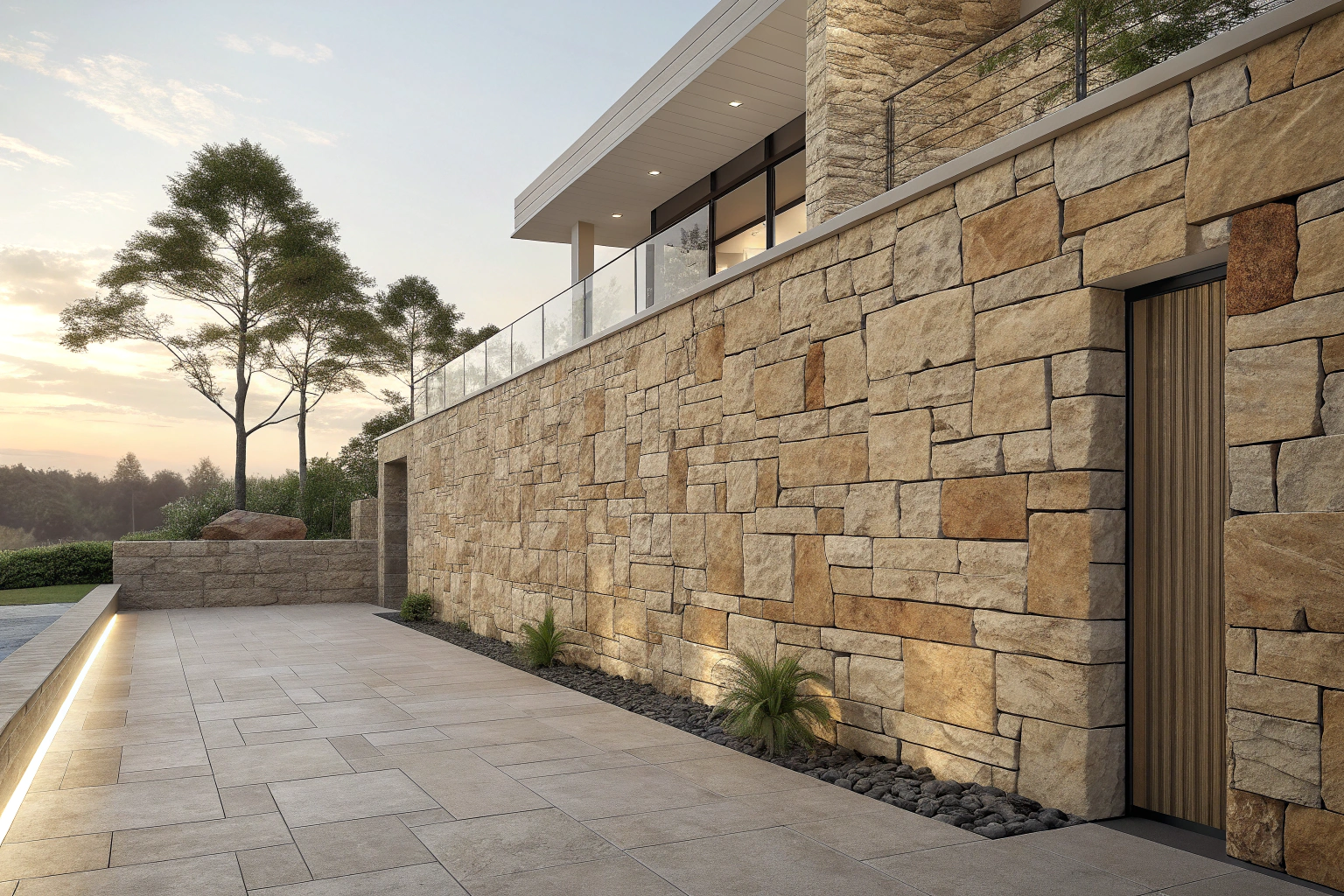
Natural stone is one of the oldest and most trusted building materials in human history. For centuries, we have used it to create structures that last. Today, architects and developers still favor it for its incredible advantages. However, these benefits come with their own set of challenges, especially for modern construction. It's important to understand both the good and the bad. Let's look at the key benefits one by one to see why it remains so popular.
How does natural stone cladding enhance a building's appearance?
Does your building's exterior look generic? A bland facade can make an expensive project feel cheap and forgettable. Natural stone gives every surface a unique and luxurious character.
Natural stone enhances a building with its rich colors, unique patterns8, and diverse textures. Unlike manufactured products, no two pieces are exactly alike. This creates an authentic, high-end look that communicates permanence and quality, immediately increasing a property's perceived value.
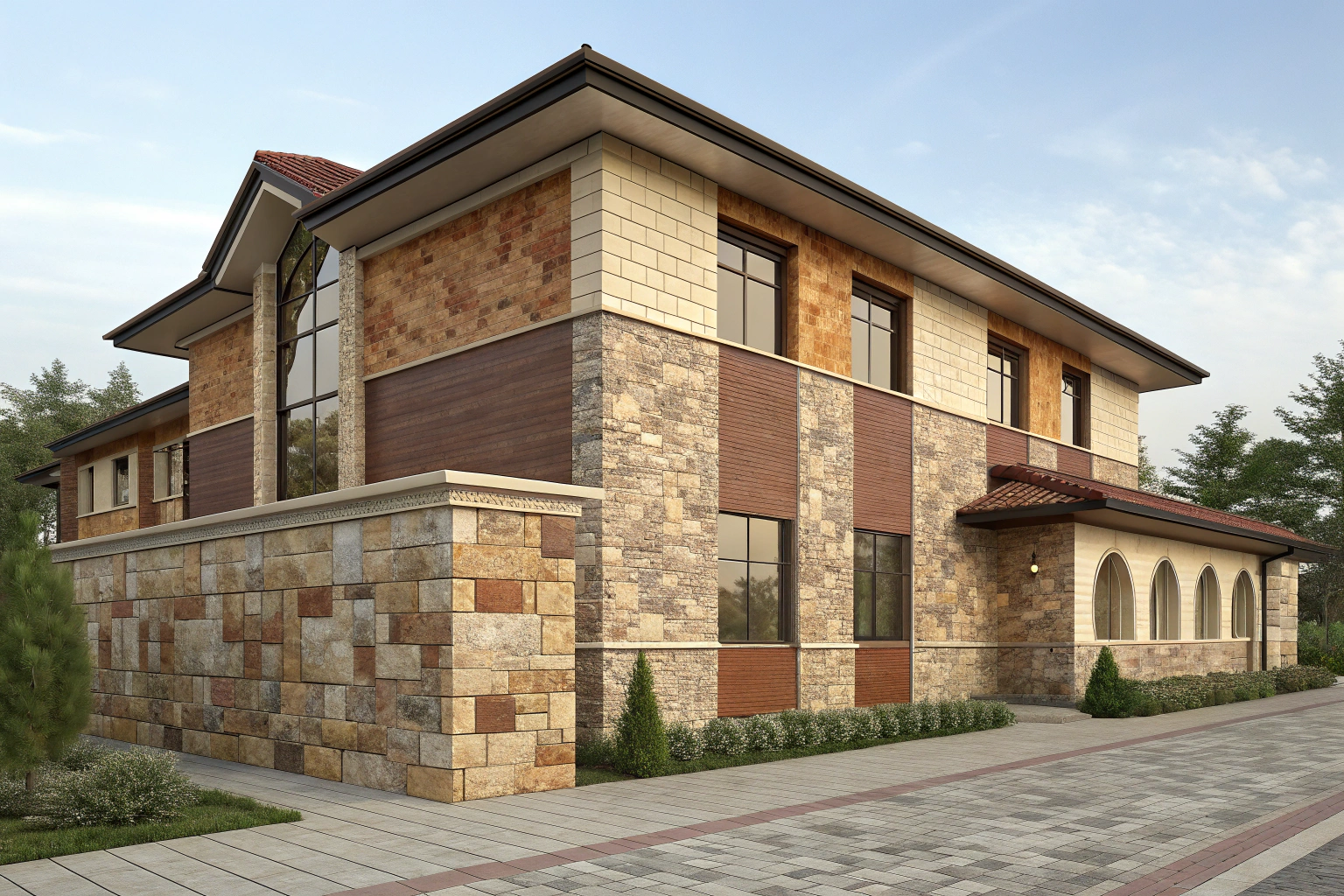
When we talk about natural stone, we're really talking about a wide family of materials. Each one brings its own personality to a project. As a manufacturer, I've worked with countless varieties, and I've seen how the right choice can transform a design. The trend now is to go for larger panels and more complex shapes. This really pushes the boundaries of what's possible, but it also makes material selection9 more critical than ever. You need a stone that not only looks good but can also be worked into these demanding designs.
Aesthetic Properties of Common Natural Stones
The visual appeal of natural stone comes from its geological origin10. The minerals, pressure, and heat that formed the rock millions of years ago create its final look.
| Stone Type | Key Visual Characteristics | Best For |
|---|---|---|
| Granite | Crystalline, speckled appearance. Available in many colors. | High-traffic areas, classic and modern facades |
| Marble | Veined, smooth, and often translucent look. | Luxury interiors, decorative exterior features |
| Limestone | Soft, uniform texture. Often in earthy tones. | Traditional buildings, elegant wall surfaces |
| Sandstone | Gritty, layered appearance. Comes in warm, earthy colors. | Rustic and natural-looking exteriors |
Choosing between them depends entirely on the architect's vision11. A polished granite facade feels powerful and modern. A limestone exterior feels historic and elegant. The variety is a huge benefit, but it also means you need expertise to select and match the slabs for a consistent look.
Is natural stone cladding durable enough for harsh weather?
Worried that your building's facade will degrade over time? Exposure to rain, ice, and sun can cause cracking and fading. Natural stone is built to withstand these exact conditions.
Yes, high-quality natural stone is exceptionally durable, especially in harsh climates. Its dense, low-porosity structure provides excellent resistance to the freeze-thaw cycle. This prevents water from seeping in, freezing, expanding, and causing the material to crack or break apart over time.
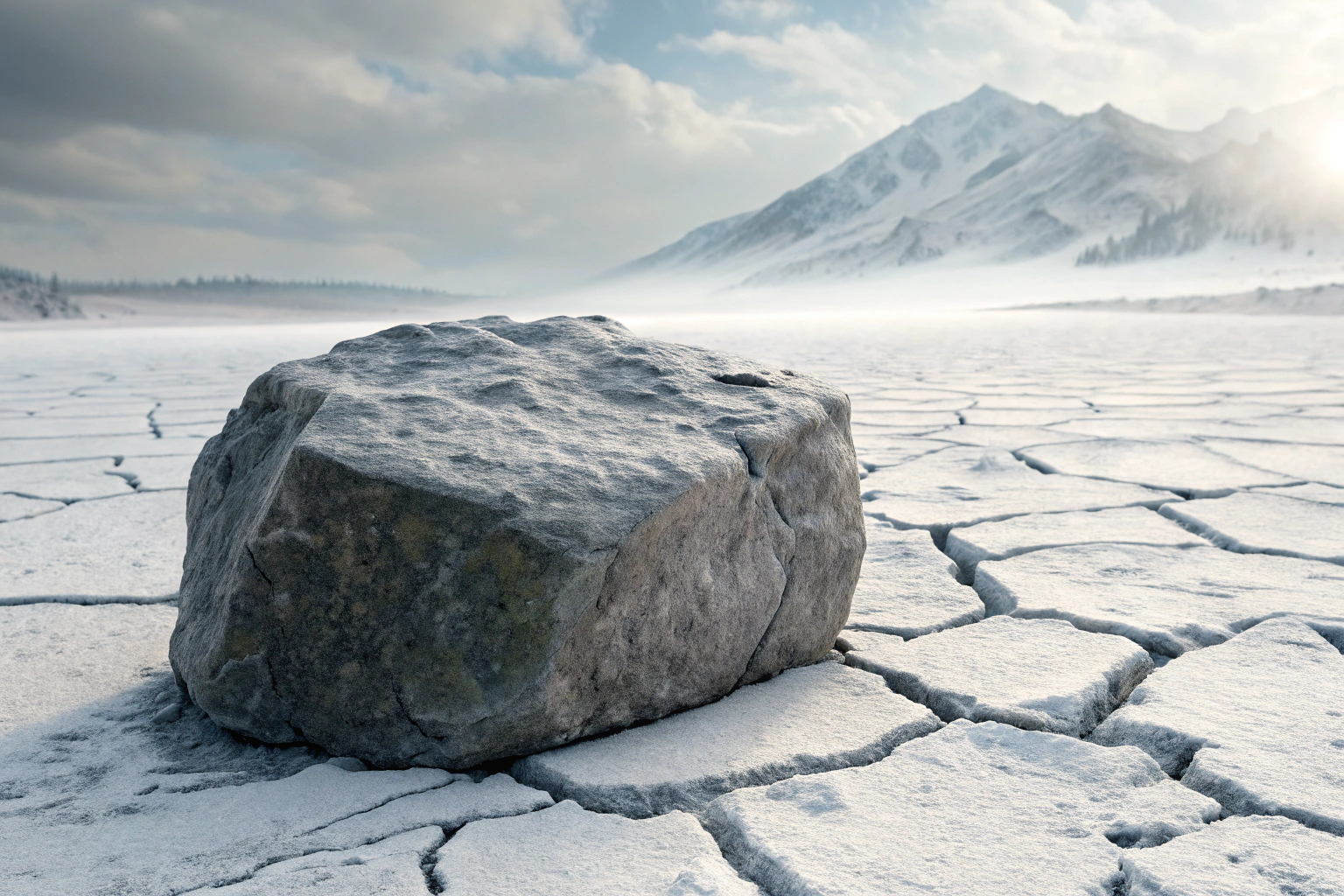
The ability to resist freezing and thawing is a key performance indicator we test for. I remember visiting a project in a cold region years ago. The developer had used a cheaper, more porous type of stone to save money. After just a few winters, the facade was covered in small cracks and spalling. The damage was significant. This is because when water gets into the pores of a stone and freezes, it expands by about 10%. If the stone isn't strong enough to resist that internal pressure, it will fail. This is why we always emphasize choosing a stone with low water absorption12 for exterior projects.
Understanding Freeze-Thaw Resistance
This property, known as frost resistance, is directly linked to the stone's density and how much water it can absorb. A stone with fewer and smaller pores will perform much better.
| Stone Type | Typical Water Absorption (%) | Freeze-Thaw Performance |
|---|---|---|
| Granite | < 0.4% | Excellent |
| Marble | 0.5% - 2.0% | Good to Moderate |
| Limestone | 1.0% - 8.0% | Varies, requires care |
| Sandstone | 1.0% - 10.0% | Varies, can be poor |
As you can see from the table, a dense stone like granite is a very safe choice for almost any climate. Sandstone and some limestones, on the other hand, can be risky if they aren't properly tested and sealed. The durability of natural stone is one of its greatest benefits, but this benefit only applies if you select the right type of stone for your specific environment. It's not a one-size-fits-all solution.
What makes natural stone strong enough for large buildings?
Cladding materials carry immense weight, especially on tall buildings. Using a weak material is a catastrophic safety risk. Natural stone's geological origin10s give it incredible compressive strength7.
Natural stone's strength comes from its formation process. It was created under extreme heat and pressure deep within the Earth. This resulted in a dense, interlocked crystalline structure that can resist massive amounts of force, making it perfect for large-scale architectural applications.
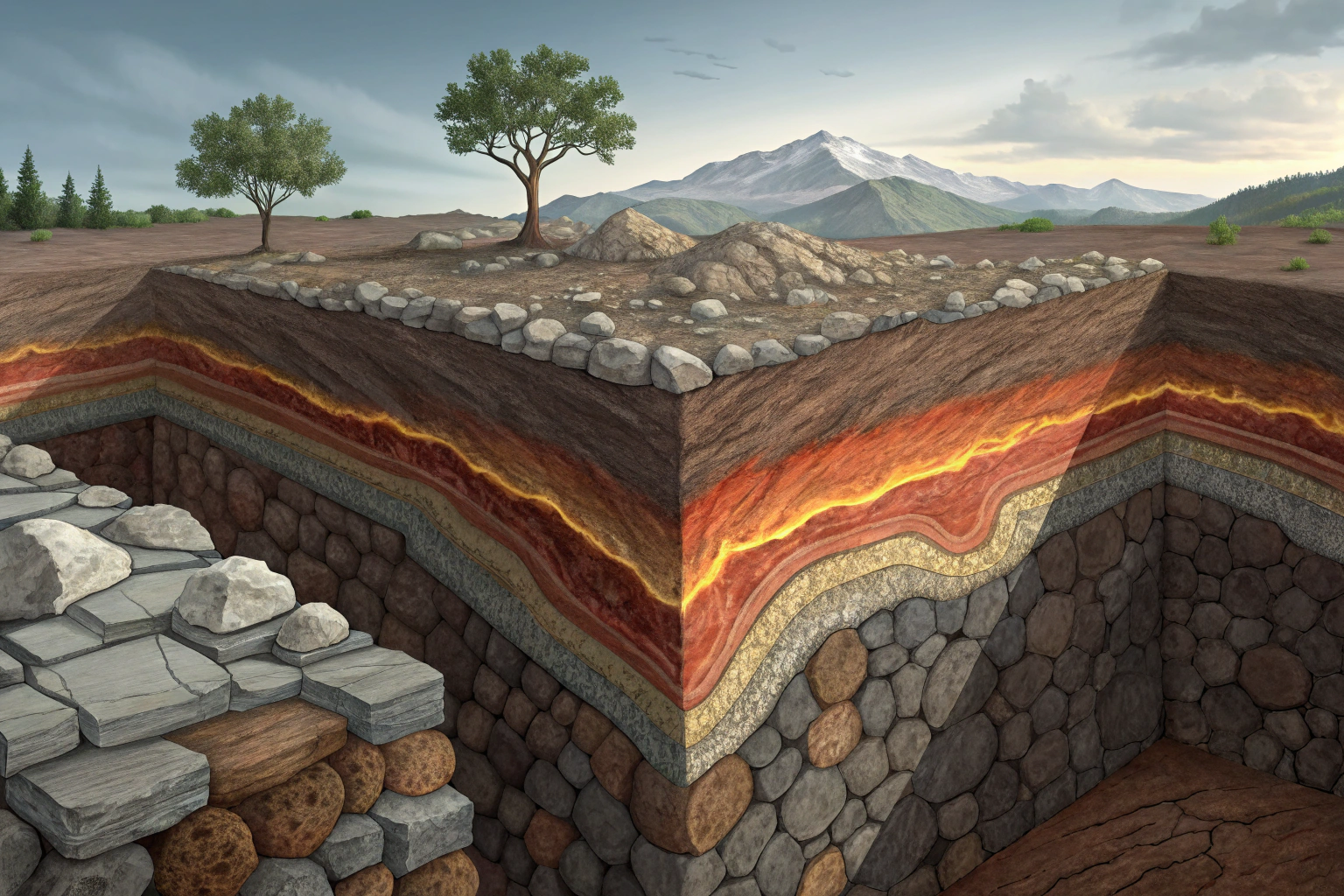
Compressive strength is the measure of how much pressure a material can handle before it breaks. When you see stone cladding on a 50-story skyscraper, that stone needs to be strong enough to support its own weight without failing. The strength of a stone depends on several factors, like the minerals it contains and how tightly its crystals are bonded together. Generally, a stone with fine, dense crystals, like granite, will be much stronger than one with larger, looser grains. This strength is a huge advantage. However, it comes with a major trade-off: weight. The same density that makes stone strong also makes it incredibly heavy.
Strength vs. Weight: The Big Challenge
For architects and engineers, the weight of natural stone13 is a primary concern. It affects everything from the building's foundational design to the cost and complexity of installation.
| Stone Type | Average Compressive Strength (MPa) | Average Weight (kg/m² at 3cm thick) |
|---|---|---|
| Granite | 150 - 250 MPa | ~80 - 90 kg/m² |
| Marble | 70 - 150 MPa | ~75 - 85 kg/m² |
| Sandstone | 40 - 100 MPa | ~60 - 70 kg/m² |
As buildings get taller and facade designs more ambitious, managing this weight becomes a huge engineering challenge. You need stronger support structures, specialized lifting equipment, and more labor, all of which drive up project costs. While natural stone is strong, its weight is a significant practical limitation in modern construction. This is a problem our industry is constantly trying to solve.
Conclusion
Natural stone cladding provides incredible aesthetic beauty, weather durability, and structural strength4. However, these benefits are balanced by challenges in weight, installation complexity14, and the need for careful material selection9.
Explore the unique advantages of natural stone wall cladding for your building projects. ↩
Discover how timeless beauty can enhance the value and appeal of architectural designs. ↩
Learn about the durability of natural stone and its benefits for long-lasting structures. ↩
Understand the geological origins that contribute to the structural strength of natural stone. ↩
Find out how weather resistance can protect your building from environmental damage. ↩
Learn about the impact of freeze-thaw cycles on the durability of construction materials. ↩
Explore the importance of compressive strength in ensuring the safety of large buildings. ↩
Explore the diverse and unique patterns that make natural stone a sought-after material. ↩
Explore the factors to consider when selecting materials for stone cladding projects. ↩
Understand how the geological origin of stone influences its aesthetic and structural qualities. ↩
Discover how an architect's vision shapes the choice of materials in construction. ↩
Discover why low water absorption is crucial for the longevity of exterior stone cladding. ↩
Understand the implications of natural stone's weight on building design and engineering. ↩
Learn about the challenges and considerations in the installation of natural stone cladding. ↩