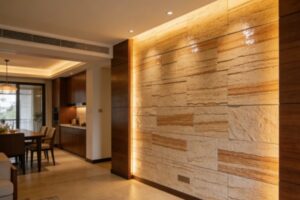
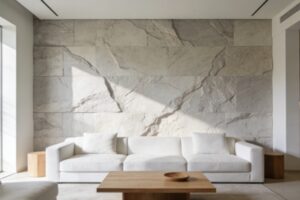
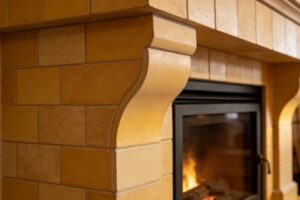
Struggling with heavy, rigid building materials? They limit your designs and are tough to install. Flexible stone is the lightweight, bendable solution you need for any surface.
Flexible stone, also known as soft porcelain, is a new eco-friendly building material1. It's not real tile. It's made from modified inorganic powder (MCM), which is mostly clay and soil. This gives it a stone-like look but makes it lightweight and bendable for versatile use.
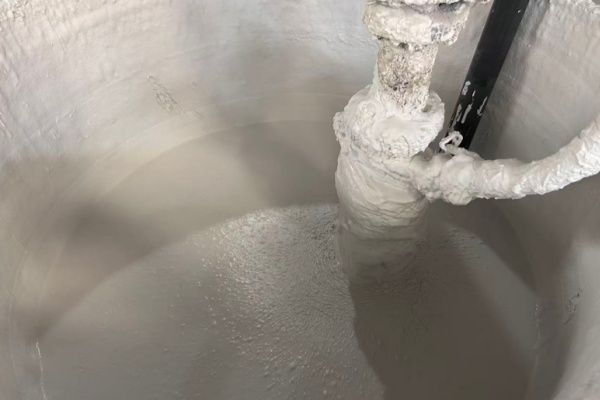
It sounds like a game-changer, right? But to really understand its potential for your projects, we need to look closer at what it's made of and how it compares to materials you already know. Let's dive into the details.
What is flexible stone actually made of?
Concerned about the materials in your projects? It's crucial to know they are safe and sustainable. Flexible stone uses natural, recycled ingredients, making it an eco-friendly choice.
Flexible stone's main ingredient is Modified Clay Material (MCM)2. This is made from about 90% natural soil, construction waste3, and stone powder. The other 10% is a water-soluble additive that binds it all together, creating a durable yet flexible final product.
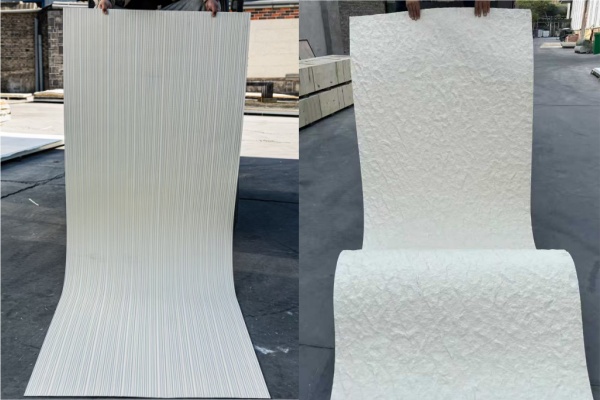
The full name for this material is 'modified inorganic powder composite building finishing sheet'. That's a mouthful, so we just call it flexible stone or MCM. The core idea is to take common, often wasted, materials and turn them into something valuable. The manufacturing process is quite clever. It doesn't require the high-temperature firing that traditional ceramic tiles do. Instead, it uses a low-temperature baking process4. This saves a lot of energy and reduces the carbon footprint.
Core Components Breakdown
The raw materials are sorted by their natural color—like red, yellow, gray, and white. This avoids using artificial dyes. They are then ground into a fine powder and mixed with special polymers.
| Component | Percentage | Source Examples |
|---|---|---|
| Inorganic Powders | ~90% | Natural soil, construction waste, stone powder, cement blocks |
| Additives | ~10% | Water-soluble polymers for flexibility and binding |
This mixture is then formed into sheets and dried through a controlled temperature curve. The result is a material that looks and feels like stone but behaves very differently, offering unique advantages.
How is flexible stone different from traditional porcelain tile?
Confused by all the material options available today? You might just stick with traditional tile. Let's compare flexible stone and porcelain tile to help you choose wisely.
The biggest difference is flexibility. Flexible stone is soft and can bend, while porcelain tile is rigid and brittle. Flexible stone is also much lighter and thinner. This makes installation easier, especially on curved surfaces or for renovations over existing walls. Their textures are also different.
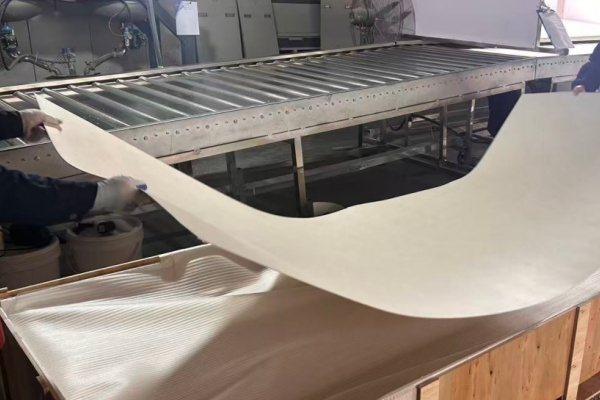
When I first held a piece of flexible stone, I was surprised. It looked like a thin tile but felt completely different. The main distinction comes down to their fundamental nature and how they're made. Porcelain tiles are fired at very high temperatures, over 1200°C. This process, called sintering, makes them hard, dense, and glassy. Flexible stone is baked at low temperatures, creating a product that remains pliable and soft. This core difference in manufacturing leads to very different properties and uses.
Key Differences at a Glance
Here’s a simple breakdown to help you see the contrast clearly:
| Feature | Flexible Stone | Traditional Porcelain Tile |
|---|---|---|
| Nature | Soft, elastic, can be bent significantly | Hard, rigid, brittle, cannot bend |
| Structure | Lightweight and thin (typically 1-3mm) | Heavier and thicker (typically 6-12mm) |
| Installation | Simple adhesive application, no special tools | Requires cement/tile adhesive, often needs cutting tools |
| Safety | Very low risk of falling from high-rises | Can be a safety hazard if it detaches from height |
Because of its light weight, flexible stone is much safer for high-rise buildings. There's less risk of it falling and causing injury, which can be a real concern with heavy tiles over time.
What are the main benefits of using flexible stone?
Every project demands cost-effective and durable materials. The wrong choice can be expensive. Flexible stone offers many practical benefits that save time, money, and add value.
Key benefits include being extremely lightweight, flexible, and easy to install, which can cut labor costs by up to 50%. It's also durable, waterproof, and UV-resistant, lasting over 20 years. Plus, it's made from eco-friendly materials5, making it a sustainable choice.
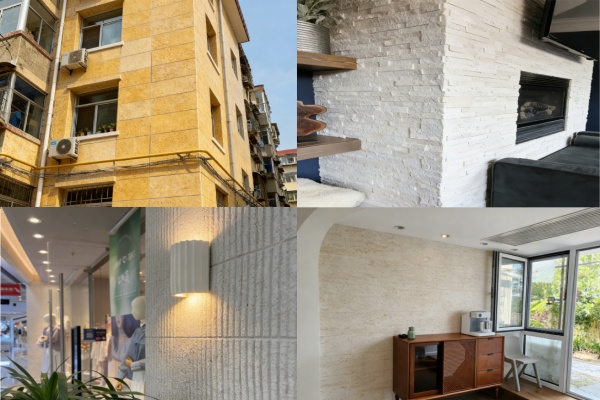
The advantages of flexible stone go beyond just its bendable nature. As a manufacturer, I see how these benefits solve real-world problems for our clients, from architects to contractors. It’s not just a novelty; it’s a practical solution that addresses many common construction challenges. Its combination of features makes it a very smart material.
Eco-Friendly and Safe
The material is made from natural components and is non-radioactive6, meeting global safety standards like GB6566-2010. Its low-energy production process also reduces its carbon footprint compared to traditional fired tiles.
Fast and Easy Installation
You don't need professional cutting tools. It's installed with a simple adhesive, almost like a heavy-duty wallpaper. This can increase installation efficiency by 50%. For renovations, you can often apply it directly over the old wall, saving demolition costs.
Lightweight and Durable
At only 2-5 kg per square meter, it drastically reduces the load on a building's structure. Despite being light, it has an impact strength of 15kj/m27 and is built to last for decades without fading or cracking.
Where can you use flexible stone in your projects?
Struggling to find a finish for a curved wall or a column? Standard materials often don't work. Flexible stone is the perfect solution for these challenging and unique applications.
Flexible stone is ideal for building exteriors8, especially on curved facades. Indoors, use it for accent walls9, and wrapping columns. It's also great for commercial spaces10 like hotels and retail stores, and even for lightweight applications like RVs, boats, and container homes.
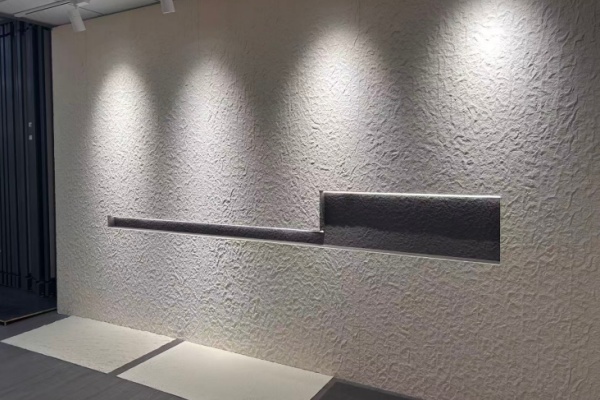
The real beauty of flexible stone is its versatility. Because it's so light and bendable, I've seen it used in places where traditional stone or tile would be impossible. It truly expands what's possible in design, allowing for creative freedom without the engineering constraints of heavy materials.
Common Application Areas:
- Building Exteriors: It's perfect for facades on high-rise buildings because it's light and safe. It easily wraps around curved and irregular architectural shapes, reducing the structural load and creating seamless finishes.
- Interior Decoration: You can create stunning accent walls9, cover pillars, or use it in kitchens and bathrooms. Its water absorption rate is very low (≤0.5%), so it's suitable for wet environments without worry.
- Commercial Spaces: For hotels, malls, and showrooms, it allows for a high-end stone look with a much faster installation time. This means less downtime for the business during a remodel.
- Renovation Projects: This is a big one. You can install it directly over old tiles or walls. This saves a huge amount of time, mess, and money on demolition and preparation, making renovations quicker and cleaner.
Conclusion
Flexible stone is a versatile, lightweight, and eco-friendly alternative to traditional materials. Its unique properties make it an excellent choice for modern construction and renovation projects.
Explore how eco-friendly materials like flexible stone can contribute to sustainable construction and reduce environmental impact. ↩
Learn about the innovative use of MCM in flexible stone and its advantages in modern building projects. ↩
Find out how these components are recycled into valuable materials, promoting sustainability in construction. ↩
Discover how this process saves energy and reduces carbon footprint compared to traditional high-temperature methods. ↩
Understand the environmental benefits and sustainability of materials like flexible stone. ↩
Ensure safety standards are met in building projects by using non-radioactive materials like flexible stone. ↩
Evaluate the durability and resilience of flexible stone in various applications. ↩
Discover the advantages of using flexible stone for facades, especially on high-rise buildings. ↩
Explore creative ways to enhance interior spaces with flexible stone's unique texture and appearance. ↩
Learn how flexible stone can provide a high-end look with efficient installation in hotels and retail stores. ↩