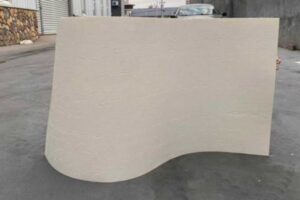
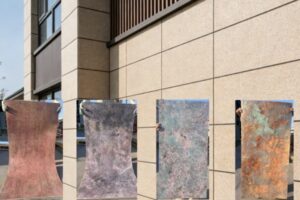
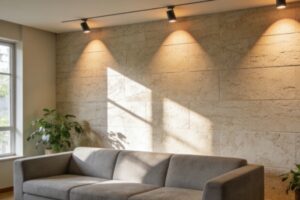
In recent years, ultra-thin soft stone has emerged as a new generation of architectural decorative material. As thin as paper, lightweight, bendable, and highly realistic in texture, it is rapidly replacing traditional materials in modern construction and renovation projects.
But what exactly is ultra-thin soft stone, and why are architects, designers, and developers increasingly choosing it over tiles, coatings, and stone panels?
This guide explains everything you need to know.
1. What Is Ultra-Thin Soft Stone?
Ultra-thin soft stone is a flexible architectural surface material made primarily from inorganic mineral powders1, such as natural soil, stone powder, and other mineral aggregates.
Through advanced forming technology—including controlled temperature curing and material restructuring—the material achieves:
- Extreme thinness
- High flexibility
- Stone-like texture
- Excellent durability
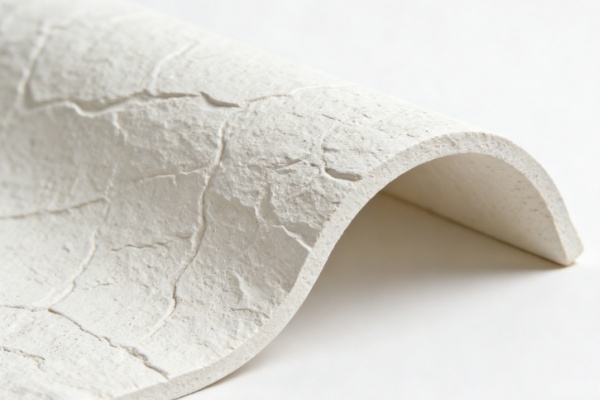
Unlike traditional stone or ceramic tiles, soft stone can bend and conform to curved or irregular surfaces2 without cracking.
> In simple terms: > It looks like stone, performs like a flexible panel, and installs far more efficiently than rigid materials.
2. What Is Ultra-Thin Soft Stone Made Of?
Ultra-thin soft stone is composed mainly of natural inorganic mineral materials, including:
- Natural soil
- Stone powder
- Mineral aggregates
- Eco-friendly bonding compounds
These materials are processed into a flexible sheet structure without firing at extremely high temperatures, making the product low-carbon and environmentally responsible3.
Because of its mineral-based composition, soft stone retains the natural texture4 and depth of real stone, while avoiding the weight and brittleness of traditional stone slabs.
3. Key Advantages of Ultra-Thin Soft Stone
Compared with traditional building materials such as ceramic tiles, natural stone, coatings, and aluminum composite panels, ultra-thin soft stone offers significant advantages.
3.1 Lightweight and Ultra-Thin
- Extremely thin profile
- Very low weight per square meter
- No need for reinforced wall substrates
- Ideal for renovation projects without removing old surfaces
This makes it especially suitable for high-rise buildings5 and exterior wall renovation.
3.2 Flexible and Bendable
Ultra-thin soft stone can easily adapt to:
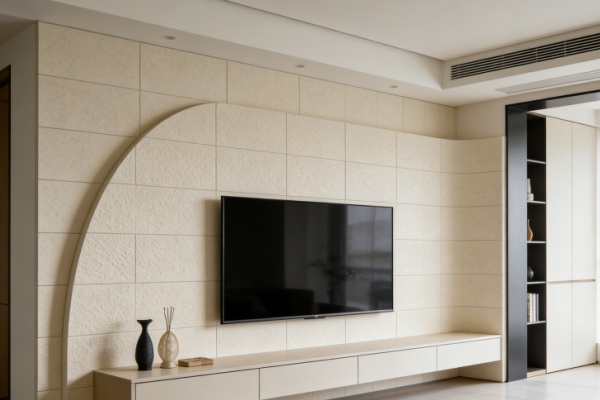
- Curved walls
- Columns
- Arched surfaces
- Irregular architectural shapes
This flexibility allows designers to achieve forms that are difficult or impossible with tiles or stone slabs.
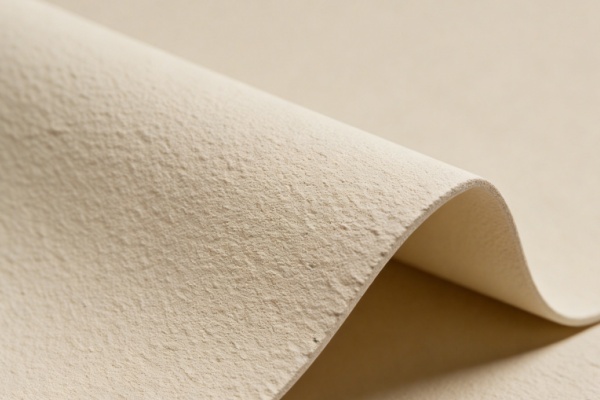
3.3 Rich Textures and Custom Designs
Soft stone can realistically reproduce a wide range of surface effects, including:
- Natural stone textures
- Cement and concrete finishes
- Brick and split-stone patterns
- Wood grain and woven textures
Custom textures, colors, and patterns can be developed to meet specific architectural or branding requirements.
3.4 Durable and Long-Lasting
Ultra-thin soft stone is engineered for long-term performance:
- Fade-resistant
- Acid and alkali resistant
- Freeze–thaw resistant
- Crack-resistant
- Seismic performance suitable for modern buildings
Its lifespan is designed to match that of the building itself.
3.5 Easy to Clean and Maintain
The surface of soft stone has strong hydrophilic properties. When exposed to rainwater, a thin water film forms on the surface, making it difficult for dust and dirt to adhere.
As a result:
- Exterior walls stay cleaner for longer
- Maintenance costs are significantly reduced
3.6 Eco-Friendly and Sustainable
Ultra-thin soft stone is:
- Odorless
- Non-toxic
- Non-radioactive
- Made primarily from natural inorganic materials
It aligns well with green building standards6 and sustainable construction practices7.
4. Ultra-Thin Soft Stone vs Traditional Materials
| Material | Weight | Flexibility | Installation Speed | Suitable for Curves |
|---|---|---|---|---|
| Ceramic Tile | Heavy | No | Slow | ❌ |
| Natural Stone | Very Heavy | No | Very Slow | ❌ |
| Coatings | Light | Yes | Fast | ✔ |
| Aluminum Panels | Medium | Limited | Medium | ⚠ |
| Ultra-Thin Soft Stone | Very Light | Excellent | Fast | ✔✔ |
For projects requiring design freedom, fast installation, and reduced structural load, ultra-thin soft stone offers a clear advantage.
5. Application Areas of Ultra-Thin Soft Stone
Ultra-thin soft stone is suitable for both interior and exterior applications, including:
Exterior Applications
- Building façade systems
- High-rise exterior walls
- Urban renovation projects
- External insulation finishing systems
- Curved exterior structures
Interior Applications
- Interior feature walls
- Hotel lobbies and corridors
- Commercial spaces and retail stores
- Museums and art galleries
- Ceilings and decorative surfaces
Its adaptability makes it especially valuable for complex architectural designs8 and renovation projects.
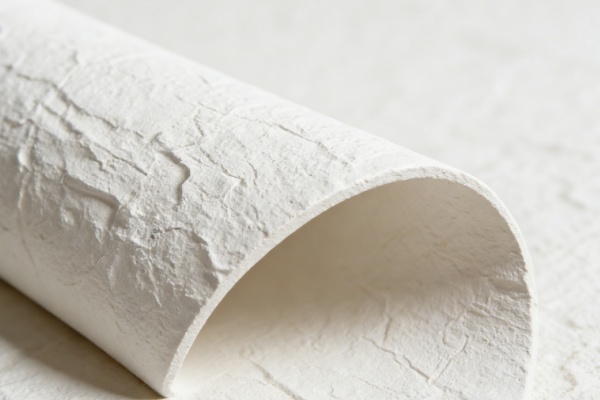
6. Typical Soft Stone Product Forms
Ultra-thin soft stone products are commonly available in:
- Flat panel series
- Textured stone sheets
- 3D relief panels
- Line and trim elements
- Ecological brick-style panels
These systems allow designers and contractors to create a complete and cohesive decorative solution.
7. Why Ultra-Thin Soft Stone Is Gaining Global Popularity
The growing adoption of ultra-thin soft stone is driven by several global trends:
- Demand for lightweight building materials
- Faster construction and renovation timelines
- Increased focus on sustainable materials
- Architectural designs with complex geometries
As cities renovate existing buildings and pursue modern aesthetics, flexible stone materials are becoming a preferred solution.
8. Final Thoughts
Ultra-thin soft stone combines the natural beauty of stone, the flexibility of modern materials, and the efficiency required by today’s construction industry.
For architects, developers, and contractors seeking a material that balances design freedom, performance, and cost efficiency, ultra-thin soft stone represents a practical and future-oriented choice.
If you are exploring new wall materials for interior or exterior projects, ultra-thin soft stone is well worth considering.
For large-scale projects, OEM customization, or technical specifications, consult a professional soft stone manufacturer to ensure the best solution for your application.
Learn about the role of inorganic mineral powders in creating sustainable building materials. ↩
Get insights on techniques for effectively handling curved and irregular surfaces in design. ↩
Find out what criteria define environmentally responsible materials in construction. ↩
Understand the significance of natural textures in creating visually appealing and authentic spaces. ↩
Understand the unique challenges faced in high-rise construction and how materials like soft stone can help. ↩
Explore the principles of green building standards and their impact on sustainable construction. ↩
Delve into sustainable construction practices that promote environmental responsibility and efficiency. ↩
Learn how modern materials enable architects to realize complex and innovative designs. ↩