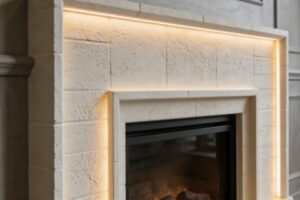
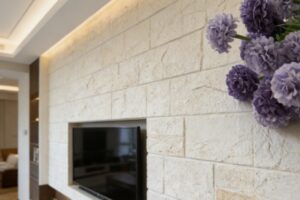
You likely love the natural look of stone for your building projects, but you probably hate the heavy weight and the high cost that comes with it. You might struggle to find a material that looks premium but is still easy to install on difficult surfaces. There is a modern solution that solves these heavy problems with a light touch.
Flex stone, also known as soft stone or MCM1, is a flexible building decoration material made primarily from natural colored sand2 (about 90% to 95%) mixed with eco-friendly additives3. Unlike real stone, it is a thin, bendable imitation stone4 sheet that is lightweight, fire-retardant5, and breathable6, making it perfect for both interior and exterior walls.
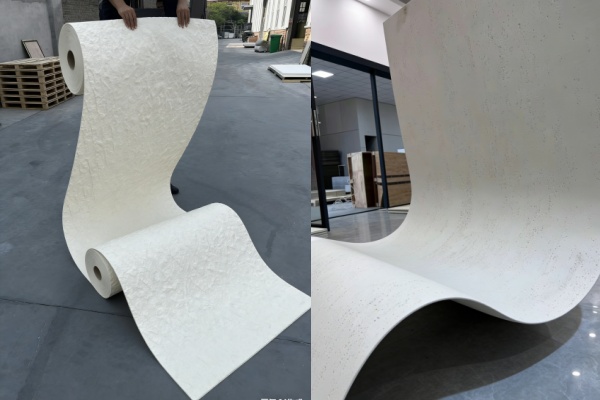
I have worked in the building material industry for a long time, and I see many customers who are confused by this product. They see it and touch it, and they cannot believe it is not rock. But then they bend it, and they are shocked. I want to take you through exactly what this material is. It is not just a plastic sticker; it is a serious construction material that is changing how we look at facades and interiors.
Is flex stone7 the same as ultra-thin stone?
Many people make the mistake of thinking flex stone7 is just a very thin slice of actual granite or marble. If you buy the wrong product, you might end up with something that cracks when you try to bend it around a column.
No, they are completely different materials. Ultra-thin stone is real natural stone that is cut very thin, while flex stone7 is an imitation stone4 made from inorganic powder and polymers. Flex stone is manufactured to be soft and flexible from the start, whereas real stone remains rigid and brittle even when it is thin.
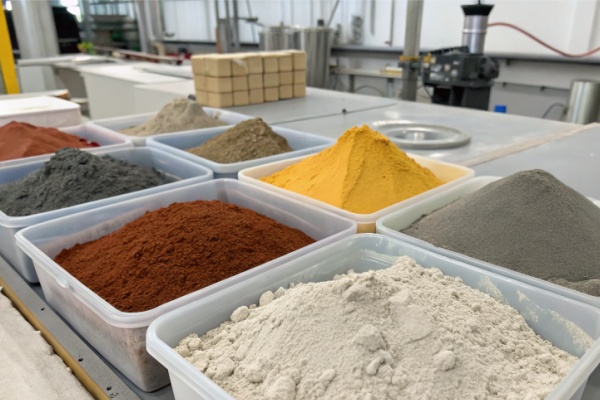
I want to dive deeper into this because it is the most common misunderstanding I see. To understand flex stone7, you have to look at how it is made. It uses modified inorganic powder as its main base. The manufacturer takes natural colored sand2 and adds a small amount of eco-friendly, water-soluble architectural coating.
Then, they use a dynamic temperature curve. They bake the material and use a process called irradiation cross-linking8. This sounds complex, but it essentially means they cook the material so that it forms a strong network structure. This process gives it flexibility. It allows the material to be shaped into almost anything.
Here is a simple breakdown of the differences:
| Feature | Flex Stone (Soft Stone) | Ultra-Thin Stone |
|---|---|---|
| Raw Material | Natural colored sand & additives | Quarried natural stone |
| Flexibility | Highly flexible, can roll | Rigid, brittle if bent too far |
| Weight | Extremely light | Heavy relative to thickness |
| Production | Baked and molded | Cut and polished |
| Consistency | Uniform quality | Natural variations/flaws |
Because it is an imitation stone4, it has great plasticity. If you can imagine a shape or a texture, flex stone7 can likely copy it. It is a new type of energy-saving and low-carbon decoration material. It combines the flexibility of organic materials with the durability of inorganic materials. So, while ultra-thin stone is "real," flex stone7 is "engineered" to be better for specific jobs.
What are the physical characteristics of flex stone7?
Designers often feel limited because they cannot put heavy stone textures on curved walls or high ceilings without expensive support structures. You might feel that you have to choose between good looks and practical engineering.
Flex stone stands out because it is incredibly thin, usually only 2 to 3 millimeters thick. It is light, durable, and resistant to cracking, which allows it to fit on curved surfaces or high walls where heavy materials would be dangerous or impossible to use.
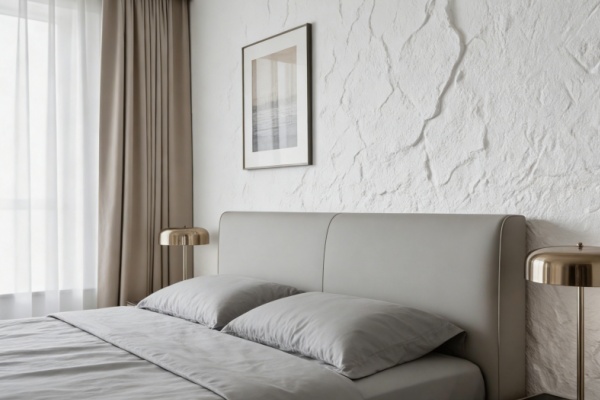
When I hold a piece of flex stone7, the first thing I notice is how light it is. Because it is only 2mm to 3mm thick, it does not add much weight to the building. This is a huge advantage for transportation. You can ship much more of it in a container compared to traditional tiles or stone.
But the most interesting part is the texture. Even though it is thin, it is rich in texture. It can look like wood, leather, or rough rock. Because it is flexible, it has "bendable toughness." This means it is durable. If you hit a piece of marble, it might shatter. If you hit flex stone7, it absorbs the impact. In fact, its impact resistance is about 10 times that of marble.
Here are the key physical traits you need to know:
- Fireproof: It is flame retardant and will not burn or melt naturally.
- Breathable: It lets the wall "breathe," which prevents mold.
- Customizable: You can order it in sizes up to 1200mm by 3000mm.
- Eco-friendly: It is non-toxic, has no radiation, and is recyclable.
It is a material that feels modern. It takes the visual beauty of the past (stone) and adds the technology of the future (flexibility and safety).
Why is flex stone7 safer and easier to install?
You might worry about the safety of hanging heavy stone slabs on the exterior of a tall building. There is always a fear that the adhesive will fail, and a heavy rock will fall, causing injury and liability issues.
Flex stone is much safer because it is lightweight; if it ever falls, it floats down gently rather than crashing down. It is also much easier to install because it requires no heavy anchors, allowing you to simply paste it directly onto wood, concrete, or metal surfaces.
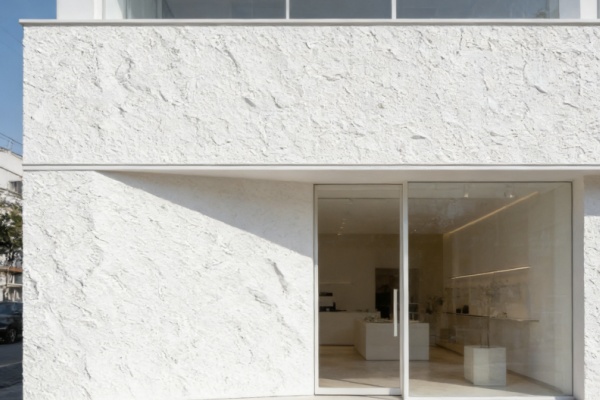
I have seen many projects where the budget was blown just on the installation of the facade. With real stone, you need dry-hanging systems, steel frames, and expensive labor. Flex stone changes this completely.
Let's look at the safety aspect first. We call it the "gentle arc9." If a piece of ceramic tile or stone falls from a building, it drops like a bomb. It is heavy and dangerous. Because flex stone7 is so light and thin, if it peels off (which is rare), it falls slowly. It does not hurt people or damage property the way stone does. You can also spot problems early. If flex stone7 is failing, you will see it bulge or curl at the edge, so you can fix it before it falls.
Now, let's look at the cost and effort.
- Low Labor Cost: You do not need special cutting tools. A simple knife can cut it.
- Simple Adhesion: You use structural glue or nail-free glue. No screws are needed.
- Renovation Friendly: You can paste it directly over old tiles. You do not need to tear down the old wall.
- Logistics: It is cheap to ship because it is light.
Overall, the cost of using flex stone7 can be as low as 1/4 of the cost of natural stone. This includes the material savings and the structural savings. You do not need to build a heavy wall to support it.
Where can you apply flex stone7 in your projects?
You might think a "soft" material is only good for small decorative items or temporary displays. You might be hesitant to use it outside or in high-traffic areas because you are not sure if it can handle the environment.
You can apply flex stone7 in almost any scenario, including exterior building facades, interior decorative walls, and even furniture covering. Its water-resistant10 and wear-resistant properties make it suitable for bathrooms, outdoor garden walls, and commercial shop fronts.
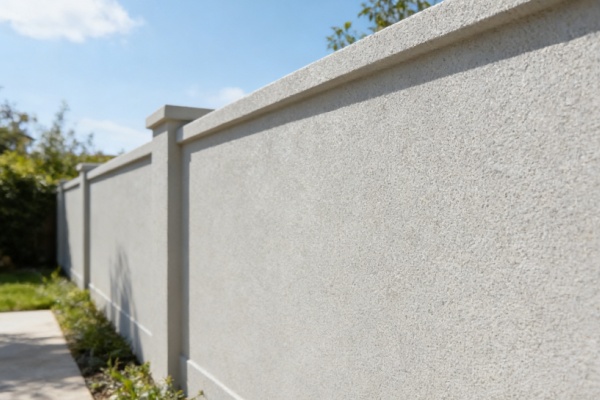
I am always amazed at where my clients use this material. Because it is water-repellent and breathable6, it works very well outdoors. It resists UV rays and does not rot. This makes it a favorite for Exterior Renovations. If you have an old building with ugly tiles, you can just cover them with flex stone7. It gives the building a new face without the mess of demolition.
Here is a breakdown of where you can use it:
-
Interior Decoration:
- Living Spaces: It saves space. Since it is thin, you do not lose room width like you do with thick stone.
- Curved Walls: This is its best use. You can wrap it around round columns or arched hallways.
- Furniture: You can stick it on doors, cabinets, or beams to give them a stone look.
-
Commercial Spaces:
- Shops and Restaurants: It looks high-end but is cheap. It creates a great atmosphere.
- Offices: It is great for reception desks and meeting rooms. It adds a natural touch.
-
Outdoor Landscapes:
- Garden Walls: It fits well with plants and nature.
- Walkways: Some thicker versions can be used on floors, though it is mostly for walls.
It is truly a "private customization11" material. Whatever shape the architect draws, flex stone7 can usually cover it.
Conclusion
Flex stone is a smart alternative to traditional masonry that uses natural sand to create a light, safe, and flexible sheet. It saves you money on transport and installation while offering a beautiful, high-end look that works on everything from curved interior walls to tall exterior facades.
Explore the meaning and applications of MCM, a modern building material that offers flexibility and ease of installation. ↩
Understand the role of natural colored sand in creating the realistic appearance and texture of flex stone. ↩
Find out about the eco-friendly additives that enhance the sustainability and performance of flex stone. ↩
Discover why imitation stone is a popular choice for builders seeking a cost-effective and versatile alternative to natural stone. ↩
Learn about the safety benefits of using fire-retardant materials like flex stone in construction projects. ↩
Explore how breathable materials like flex stone contribute to healthier indoor environments by preventing mold growth. ↩
Discover how flex stone revolutionizes building projects with its lightweight, flexible, and eco-friendly properties, making it ideal for various applications. ↩
Delve into the process of irradiation cross-linking and how it enhances the flexibility and strength of materials like flex stone. ↩
Understand the safety benefits of the gentle arc feature in flex stone, which reduces the risk of injury from falling materials. ↩
Discover the advantages of water-resistant properties in flex stone, making it suitable for both indoor and outdoor use. ↩
Explore the concept of private customization with flex stone, allowing architects to achieve unique designs. ↩