Choosing the wrong tile for a wet area can lead to costly water damage. You need a solution that is both beautiful and functional, ensuring long-term durability and safety.
The most water-resistant porcelain tiles are those with a water absorption rate of 0.5% or less1. These are officially classified as "porcelain." This includes vitrified tiles2, glazed porcelain3, and high-density full-body tiles4, making them perfect for bathrooms, kitchens, and even outdoor applications.
So, you now know that a low water absorption rate is the most important factor. But when you're sourcing tiles for a large project, you'll see many different names like "vitrified," "full-body," or "glazed." They all claim to be water-resistant, but they have key differences in performance and application. Understanding these distinctions is crucial for making a choice that guarantees a successful installation and a happy client. Let's dive deeper into the specific types of tiles that will give you the best performance in wet environments, so you can select your products with confidence.
What Are the Best Types of Water-Resistant Porcelain Tiles?
You see many tile names like "vitrified" or "glazed," but you might not know the real difference. Choosing blindly can mean picking a tile that isn't right for a high-moisture area.
The best options are vitrified tiles2, glazed porcelain3, and certain full-body tiles4. Vitrified tiles have extremely low water absorption (≤0.5%). Glazed tiles add a protective layer. Full-body tiles are durable and often slip-resistant, making them great for wet floors.
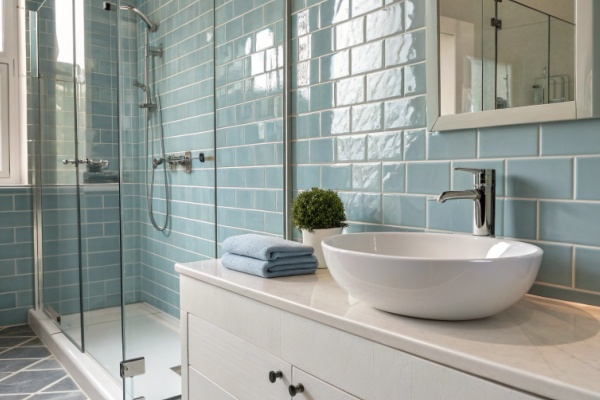
In my years of manufacturing tiles, I've seen that the term "water-resistant" is best proven by technical data. The foundation of a water-resistant tile is its density.
The Power of Low Water Absorption
A true porcelain tile, by definition, must have a water absorption rate of 0.5% or less1. This is what we test for rigorously in our factory. This low porosity prevents water from seeping into the tile body, which stops damage like cracking in freeze-thaw cycles5 and prevents mold growth from behind. Vitrified tiles are the champions here, as the vitrification process fuses the material into a glass-like state. Glazed porcelain tiles are also an excellent choice. They have a porcelain body6 with that same low absorption rate, plus a baked-on glaze that acts as an additional waterproof barrier.
A Quick Comparison
To make it easier for my clients, I often break it down with a simple table. This helps them match the tile type to their project needs.
| Tile Type | Key Feature | Best For |
|---|---|---|
| Vitrified Tile | Extremely low absorption (≤0.5%), very hard. | High-demand areas like bathroom floors and walls. |
| Glazed Porcelain | Protective top layer, endless design options. | Kitchen backsplashes, bathroom walls, and residential floors. |
| Full-Body Tile | Color runs all the way through, very durable. | High-traffic commercial floors and outdoor walkways. |
| Antique Tile | Textured surface, good slip resistance. | Bathrooms, kitchens, and balconies for a rustic look. |
Ultimately, whether you need a sleek polished look or a textured anti-slip finish, the key is to start with a porcelain body6.
How Do I Choose the Right Tile for Different Spaces?
A tile that's perfect for a living room might be a disaster in a bathroom. Using the wrong tile can lead to slips, stains, or premature wear, hurting your project's reputation.
For bathrooms and kitchens, prioritize high slip-resistance (R10+)7 and low water absorption. For living rooms, focus on looks and durability. Outdoor areas need tiles that are frost-proof and UV-resistant. Always match the tile's technical specs to the environment's demands.
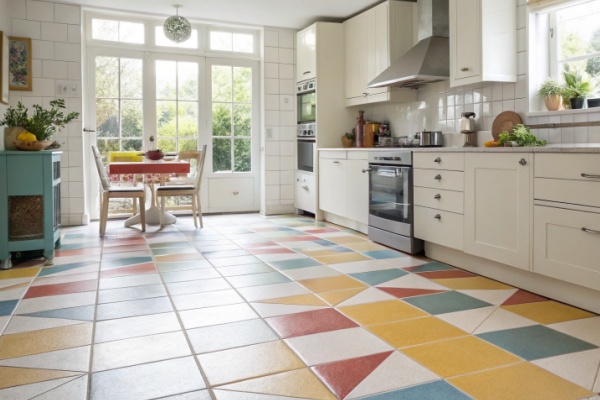
I always advise my partners to think about the space first and the tile second. A tile isn't just a decorative element; it's a technical surface that has to perform. The demands of a family bathroom are completely different from those of a hotel lobby or an outdoor patio.
Residential Applications
For home projects, functionality is just as important as style.
- Kitchens: The biggest challenges are oil stains and water spills. I recommend glazed porcelain3 tiles because the surface is non-porous and very easy to clean. You'll also want a floor tile with at least an R10 slip rating.
- Bathrooms: This is the wettest room in the house. The floor tile must be slip-resistant. I push for R11-rated tiles, especially if there are kids or elderly users. Both walls and floors need tiles with a water absorption rate of ≤0.5% to prevent moisture issues.
- Balconies & Patios: These spaces face sun, rain, and temperature changes. You need an outdoor-specific porcelain tile. We manufacture these to be UV-stable, so the color won't fade, and frost-resistant, so they won't crack in the cold. A full-body porcelain tile is often the best choice here.
Commercial and Public Projects
For our B2B clients sourcing for large-scale projects, the priorities shift to extreme durability and easy maintenance.
- High-Traffic Areas: Think airports, shopping malls, and hotel lobbies. These floors see thousands of footsteps a day. The only option is a tile with the highest wear rating, which is PEI 5. Full-body porcelain tiles are ideal because even if they get a deep scratch, the color is the same all the way through, making it less visible.
- Specialized Environments: For places like commercial kitchens or labs, you need tiles that can resist chemicals and are exceptionally easy to sanitize. Our project-specific solutions include developing tiles with enhanced chemical resistance8 for these demanding applications. Large-format tiles (e.g., 1200x2400mm) are also popular here to minimize grout lines, which are a weak point for hygiene.
What Key Specs Should I Never Ignore When Sourcing Tiles?
Tile spec sheets are filled with technical jargon like "PEI" and "R-value." Ignoring these numbers can lead to costly mistakes, like specifying a slippery tile for a wet room.
Never ignore these three specs: Water Absorption Rate (should be ≤0.5% for wet areas), PEI Rating9 for wear resistance (PEI 4+ for floors), and the R-Value10 for slip resistance (R10+ for wet floors). These numbers guarantee performance and safety.
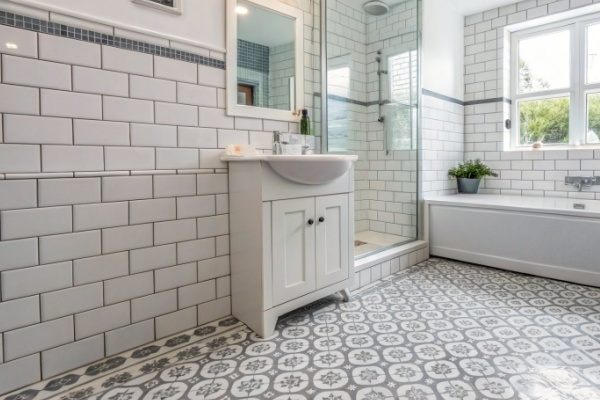
When I talk to new importers or developers, I tell them to forget about the color and pattern for a minute. The first thing we need to discuss is the technical sheet. If the numbers don't match the application, the aesthetics won't matter. There are three numbers that I consider non-negotiable.
The Three Pillars of Tile Selection
Getting these three parameters right will prevent 90% of common tile failures. It's the core of how we develop and recommend products for our OEM partners. If you're building a private-label collection11, these specs are your foundation for a quality product line.
- Water Absorption Rate: This is the most critical spec for water resistance. As I've said, anything over 0.5% is not a true porcelain tile. For any area exposed to moisture, indoors or out, this is the first number you should look for.
- PEI Rating9 (Wear Resistance): This tells you how durable the tile's surface is. It ranges from PEI 1 (for light-duty walls) to PEI 5 (for heavy commercial traffic). Using a PEI 2 tile on a floor will result in visible wear and scratches very quickly.
- R-Value10 (Slip Resistance): This is a critical safety metric. The "R" stands for "ramp," as it's tested on an oiled, angled surface. R9 is standard for dry areas, but for bathrooms, kitchens, and any commercial floor, you must specify R10 or higher. For outdoor ramps, pools, or commercial kitchens, R11 or R12 is often required.
Here’s a simple guide I give my clients:
| Parameter | What It Means | Recommendation |
|---|---|---|
| Water Absorption | How much water the tile soaks up. | ≤0.5% for all wet areas (this is the porcelain standard). |
| PEI Rating9 | Resistance to wear and abrasion. | PEI 4+ for residential floors; PEI 5 for commercial. |
| R-Value10 | Slip resistance on a wet surface. | R10+ for wet areas; R11+ for extra safety. |
Conclusion
Choosing water-resistant porcelain is simple when you focus on the right specs. Prioritize a water absorption rate of 0.5% or less1, an appropriate PEI rating, and a high R-value.
Understanding this rate helps ensure tiles are truly water-resistant, preventing damage and mold growth in wet areas. ↩
Vitrified tiles offer extremely low water absorption, making them ideal for high-moisture environments like bathrooms. ↩
Glazed porcelain adds a protective layer, offering both aesthetic variety and enhanced water resistance. ↩
Full-body tiles are durable and slip-resistant, making them suitable for areas with heavy foot traffic. ↩
Tiles resistant to freeze-thaw cycles avoid cracking, crucial for outdoor installations. ↩
A porcelain body ensures low water absorption, preventing damage and enhancing durability. ↩
High slip-resistance prevents accidents in wet areas, ensuring safety for all users. ↩
Chemical-resistant tiles are essential for areas like labs, where exposure to harsh substances is common. ↩
The PEI rating indicates wear resistance, crucial for selecting tiles that withstand heavy use. ↩
The R-Value measures slip resistance, essential for safety in wet environments. ↩
Technical specs form the foundation of a quality product line, ensuring reliability and customer satisfaction. ↩