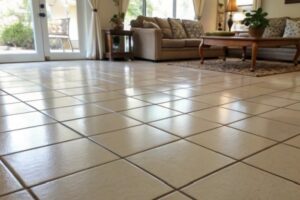
Concerned your porcelain tiles will crack in the heat? This fear can lead to costly project failures. But the real reasons might surprise you, and they are almost always preventable.
Yes, porcelain tiles can crack in hot weather, but heat alone is rarely the direct cause. The problem is usually improper installation1—specifically, not leaving adequate expansion gaps2. Tiles expand in heat, and without space, they press against each other, causing pressure that leads to cracks.
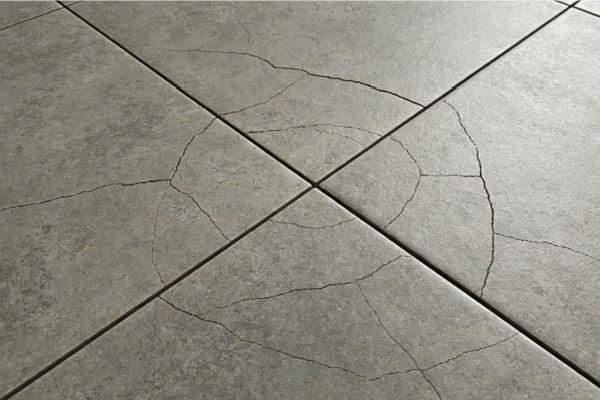
While expansion gaps2 are a critical first step, they are just one piece of the puzzle. As a manufacturer, I've seen countless cases, and tile cracking is a complex issue. It often involves a combination of factors. To truly protect your investment and ensure a flawless installation, we need to look deeper into the three main culprits: workmanship3, the quality of the tile itself, and the surrounding environment4. Let's break them down to help you diagnose and prevent this problem for good.
Is Poor Installation the Main Culprit for Cracked Tiles?
Your tiles cracked despite a professional installation? Now you're caught in a frustrating blame game. Pinpointing specific workmanship3 errors is key to finding a real solution and preventing future issues.
Often, yes. Poor installation is a leading cause of tile cracking. Common mistakes include leaving insufficient expansion gaps2, improperly preparing the surface, inadequate soaking of certain wall tiles before installation, and incorrect cutting techniques5 that create hidden stress points, especially around corners.
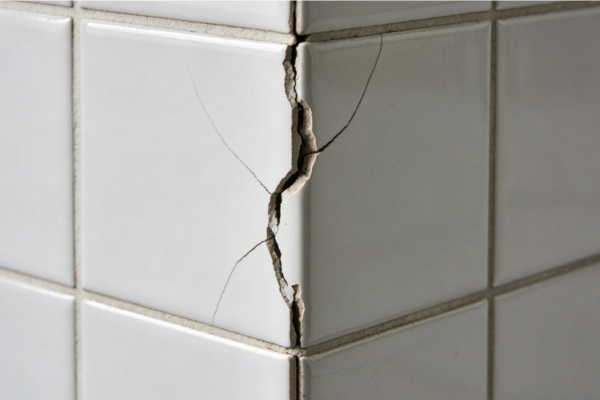
From my experience working with contractors worldwide, installation errors are the most common source of conflict. Many teams, trying to save time, skip crucial steps that lead to long-term problems. It's not just about getting the tiles on the wall; it's about creating a system that can withstand daily stress and environmental changes. A small oversight during installation can turn into a huge headache down the road.
Key Installation Mistakes
The most frequent errors we see fall into a few categories. Each one creates a weak point in the finished surface.
- The Grout Gap Mistake: Porcelain tiles have a different thermal expansion coefficient6 than the concrete or mortar bed they sit on. When temperatures change, they expand and contract at different rates. Without a proper gap (we recommend 1.5-3mm), the tiles have no room to move and will push against each other, causing chipping, buckling, or cracking.
- Improper Substrate Preparation: You can't put a perfect tile on a flawed surface. If a wall has hollow spots or the waterproofing layer is weak, the base itself will move over time. This movement transfers directly to the tile, creating tension that eventually leads to a crack.
- Incorrect Cutting: Cutting tiles for corners, outlets, or drains is a skill. A rough cut or a small nick can create a point of stress concentration. Over time, normal vibrations or temperature changes will cause a crack to start right from that weak spot.
| Installation Error | Telltale Sign | How to Prevent It |
|---|---|---|
| Insufficient Gaps | Cracks along edges, buckling, or tenting | Use professional tile spacers (e.g., 2-3mm) |
| Poor Substrate | Long, straight cracks across multiple tiles | Ensure the wall is solid, flat, and properly primed |
| Bad Cutting | Cracks originating from a cut corner or hole | Use a high-quality wet saw and smooth all cut edges |
Can the Quality of the Porcelain Tile Itself Cause Cracking?
Do you suspect the tiles are defective? It’s hard to prove without technical expertise, and it can lead to frustrating disputes with suppliers. Understanding the signs of a manufacturing flaw gives you a huge advantage.
Absolutely. While less common with reputable manufacturers, manufacturing defects7 can cause cracking. These include issues from the firing process8, like internal stress from uneven cooling, or the use of poor-quality raw materials. This results in a tile with low density and poor resistance to thermal shock.
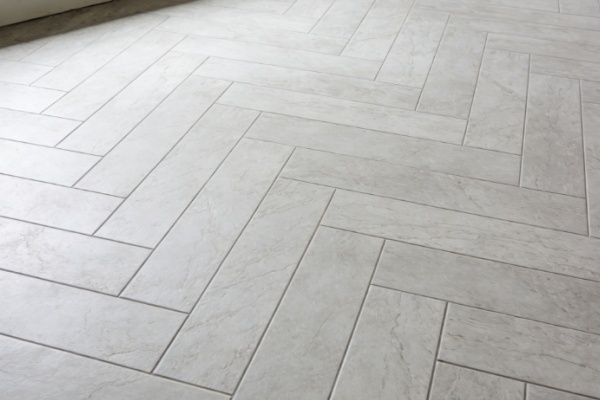
As a manufacturer, our reputation is built on quality. The production process for porcelain tile is highly technical, and any shortcut can compromise the final product's integrity. A quality tile is incredibly strong, but a defective one has a hidden weakness that might not show up until after it's installed. This is why we have such a rigorous quality control system, checking everything from raw material purity to final dimensional stability.
Signs of a Defective Tile
Manufacturing flaws are typically rooted in the production process. Here’s what to look for:
- Firing and Internal Stress: If a tile isn't fired at the right temperature or for the right amount of time, it won't be fully vitrified. This leaves it porous and weak. Similarly, if the kiln's temperature isn't perfectly uniform, it can create invisible micro-cracks (we call them dark cracks) inside the tile body. These are time bombs waiting to expand.
- Glaze and Surface Issues: The glaze on a tile isn't just for looks; it's a protective layer. If the glaze is too thin, it offers little protection. If it's too thick or doesn't bond well with the tile body, it can develop fine cracks (crazing) or chip easily because its expansion rate doesn't match the tile body's.
- Material Performance: The foundation of a good tile is high-purity raw materials. Using low-quality or recycled clays can result in a tile that fails key performance tests for hardness, density, and thermal shock resistance9. A tile with poor thermal shock resistance9 is especially vulnerable in areas with rapid temperature changes, like kitchens or balconies.
| Defect Type | Common Cause | How It Leads to Cracking |
|---|---|---|
| Firing Defect | Uneven or incomplete heating in the kiln | Creates internal stress and invisible micro-cracks |
| Glaze Mismatch | Glaze and tile body expand at different rates | Leads to surface crazing and chipping under stress |
| Poor Materials | Low-purity clays and fillers | Results in low hardness and poor thermal shock resistance9 |
What Environmental Factors Can Make Your Tiles Crack?
The installation was perfect and the tiles were high-quality. But cracks still appeared, leaving you completely confused. The problem might not be the tile work at all, but the building itself.
External environmental factors are a significant, often overlooked, cause. These include the structural shifting of a new building, heavy vibrations10 from nearby construction or renovations, or extreme and rapid temperature changes near heat sources. These forces can be stronger than any tile or adhesive.
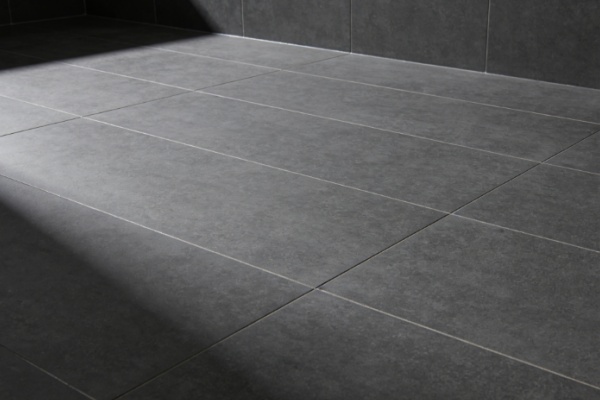
Sometimes, the tile and the installation are both perfect, but the environment they are in is not. I've consulted on projects where everything was done by the book, yet cracks appeared a year later. In these cases, we often find the cause is external. The building itself is a dynamic structure, and external forces can place incredible stress on rigid surfaces like tile. It’s important to consider the building's age, location, and what’s happening around it.
Beyond the Tile and Tiler
These external factors are powerful and can cause very distinct types of cracks.
- Structural Movement: New buildings often experience minor settlement in the first few years. This movement can create long, clean, and relatively straight cracks in walls and floors, which will travel right through any tiles installed on them. You'll often see the crack continue across multiple tiles in a line.
- External Vibrations and Heat: Is your neighbor renovating? The constant vibration from a jackhammer or heavy drilling can transfer through the structure and cause tiles to crack. Likewise, installing tiles too close to a major heat source, like a commercial oven or a large water heater, can cause repeated, rapid expansion and contraction that eventually leads to stress fractures.
- Timing of Installation: When you install the tiles matters. Installing during extreme summer heat can cause the mortar to dry out too quickly, creating a weak, brittle bond. Installing in freezing winter temperatures can prevent the mortar from curing properly. Both scenarios lead to a poor bond that is more likely to fail and crack later on.
| Environmental Factor | Typical Crack Pattern | Main Cause |
|---|---|---|
| Building Settlement | A long, straight crack crossing multiple tiles | The foundation or structure of the building is shifting |
| Heavy Vibrations | Cracks concentrated on a shared wall or specific area | Force from nearby construction or heavy machinery |
| Extreme Temperatures | Localized cracks near a heat source or widespread failure | Rapid expansion/contraction or improper mortar curing |
Conclusion
Tile cracking is rarely simple. It usually involves a mix of installation quality, tile integrity, and environmental stress. Understanding these three areas is key to preventing costly project failures.
This link will provide insights into the risks associated with poor installation practices. ↩
Understanding the significance of expansion gaps can help you avoid costly mistakes in your tile projects. ↩
Discover how skilled workmanship can make a difference in the longevity of your tile installations. ↩
This resource explains how environmental factors can impact the performance of your tiles. ↩
Explore expert cutting techniques to ensure your tiles are installed without stress points. ↩
Understanding thermal expansion can help you make informed decisions during tile installation. ↩
Discover how to identify manufacturing defects that could compromise your tile's integrity. ↩
Understanding the firing process can help you appreciate the quality of your tiles. ↩
Explore the concept of thermal shock resistance and its importance in tile selection. ↩
Learn how external vibrations can compromise the integrity of your tile installations. ↩