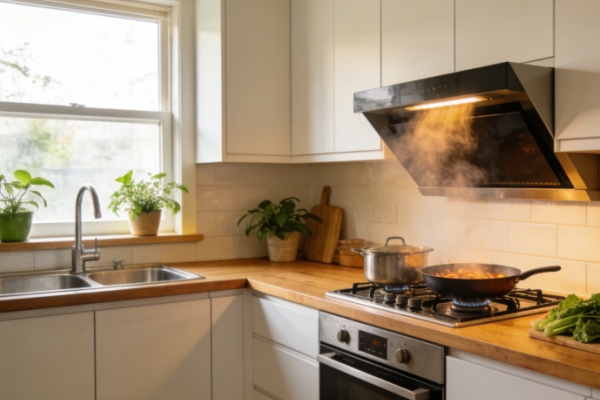
Are you worried that a hot pan or cooking splatters could crack or stain your kitchen tiles? This is a common concern that can ruin the look of your kitchen.
Yes, most kitchen tiles are heat resistant, especially porcelain tiles. They are fired at very high temperatures during manufacturing, so they can easily handle the heat from a stove or brief contact with a hot pan without getting damaged. This makes them a perfect choice for kitchens.
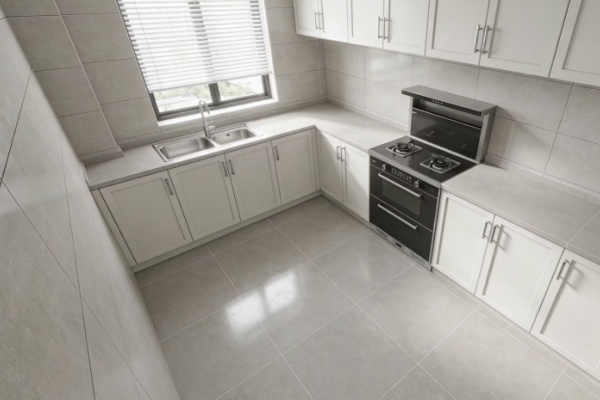
Choosing the right tile is about more than just its ability to handle heat. A great kitchen is a clean kitchen, and the materials you choose play a huge role in how easy it is to maintain. I've seen firsthand how a clean, well-organized kitchen inspires you to cook, while a greasy, cluttered one makes you want to order takeout.
It really affects your quality of life. The right tile choice is the foundation for a kitchen you'll love to use every day. So, how do you pick the best tiles for both your walls and floors to handle everything a kitchen throws at them?
How do you choose the best wall tiles for a kitchen?
Kitchen walls get covered in grease and cooking splatters. Scrubbing stained or greasy walls is a chore nobody enjoys, and it can make your whole kitchen feel dirty and unpleasant.
For kitchen walls, glazed porcelain tiles1 are the best choice. The smooth, glassy surface is non-porous, which means oil and food splatters can't soak in. They wipe clean effortlessly, keeping your kitchen hygienic and looking new. They are also fire and heat resistant.
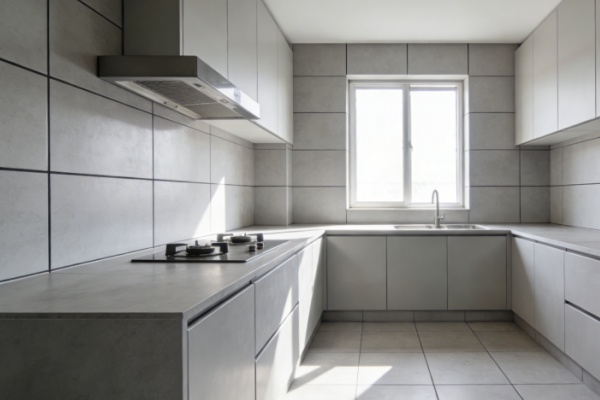
I remember seeing old houses where the kitchen walls were just painted. The area behind the stove was always dark and shiny with years of built-up grease. It’s a perfect example of why paint just isn't suitable for a kitchen environment. This is why, as a manufacturer, we always advise tiling the kitchen wall all the way to the ceiling.
A smooth, glazed porcelain tile acts like a protective shield. Any splatters from cooking can be wiped away in seconds with just a damp cloth, leaving no trace behind.
While some clients are drawn to the intricate look of mosaic tiles, I always advise them to be careful. All those tiny tiles mean a lot of grout lines2, and grout is like a magnet for dirt and grease. It can become a nightmare to keep clean. A much better way to achieve a decorative effect3 is by using small-format tiles, like 5x5 inch squares, to create unique patterns without the cleaning headache.
Key Factors for Kitchen Wall Tiles
To make it simple, here are the most important things to consider for your kitchen walls.
| Feature | Recommended | Why It Matters |
|---|---|---|
| Surface Finish | Glazed Porcelain | The glaze creates a non-porous barrier4 that resists stains and is incredibly easy to wipe clean. |
| Tile Size | Medium to Large | Larger tiles mean fewer grout lines2, which gives grease and grime less space to accumulate. |
| Color | Light or Cool Tones | In smaller kitchens, light colors like white or light gray make the space feel bigger and brighter. |
| Coverage Area | Full Wall (to ceiling) | Tiling the entire wall protects it from cooking fumes and makes the whole area much easier to clean. |
What kind of tiles are best for a kitchen floor?
Spills, splashes, and dropped utensils are just a part of daily life in a busy kitchen. But a wet floor can quickly become a serious safety hazard for you and your family.
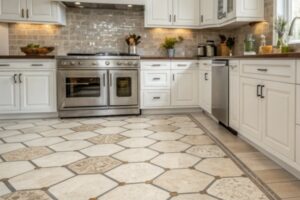
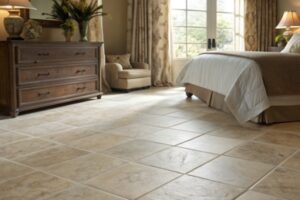
The best kitchen floor tiles provide excellent slip resistance5 and durability. I recommend unglazed, full-body porcelain tiles6 or tiles with a textured matte finish7. Their surface provides great grip even when wet, and their dense body resists wear, scratches, and stains.
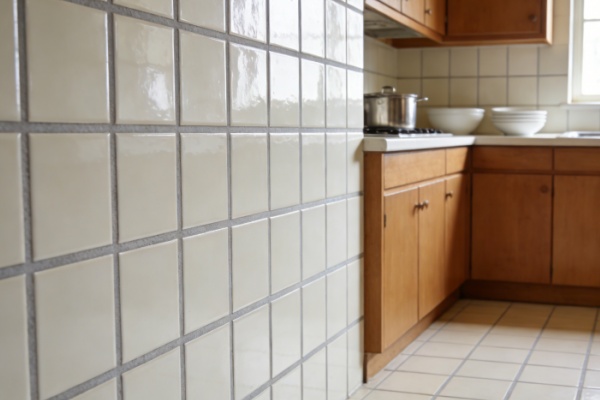
In my years of experience supplying tiles for projects worldwide, the biggest mistake I see is choosing a kitchen floor based on looks alone.
A client might fall in love with a beautiful polished tile that shines in the showroom, but that same tile can become an ice rink the first time a little water is spilled on it. Safety must always be the number one priority in a kitchen. This is why I always guide our partners toward unglazed, full-body porcelain tiles6 or those with a certified anti-slip rating8.
The slightly textured surface provides the grip you need to walk confidently, even if the floor is wet. We even manufacture specialized tiles for commercial kitchens that must meet strict government safety codes. While some people like the look of natural stone, it’s not a practical choice for a kitchen floor. It's porous, so a drop of oil or wine can easily leave a permanent stain, and it also becomes very slippery.
Choosing Safe and Durable Kitchen Floor Tiles
A kitchen floor needs to be waterproof, anti-slip, durable, and easy to clean. Here is a quick comparison of common options.
| Tile Type | The Good | The Bad |
|---|---|---|
| Full-Body Porcelain | Extremely durable, great slip resistance5, and won't stain. The best all-around choice. | The design is part of the tile body, so patterns are often simpler. |
| Glazed (Matte Finish) | Offers good slip resistance5 and comes in a huge variety of colors and designs. | The top glaze layer can eventually show wear in very high-traffic areas over many decades. |
| Polished Porcelain | Looks very sleek and is easy to clean when it's perfectly dry. | Becomes extremely slippery and dangerous when wet. I never recommend it for kitchen floors. |
| Natural Stone | Each piece is unique and can look beautiful. | It's porous, so it stains easily. It also requires sealing and can be very slippery. |
Which tile materials offer the best heat resistance?
You're cooking a big meal and need to move a hot pot off the stove for a second. You place it on the counter, right next to your new tile backsplash.
Porcelain tiles, especially vitrified and full-body types, offer superior heat resistance. We fire them at over 1200°C (2200°F), creating an incredibly dense body that handles high temperatures from cooking without cracking or discoloring. They are the most reliable choice.
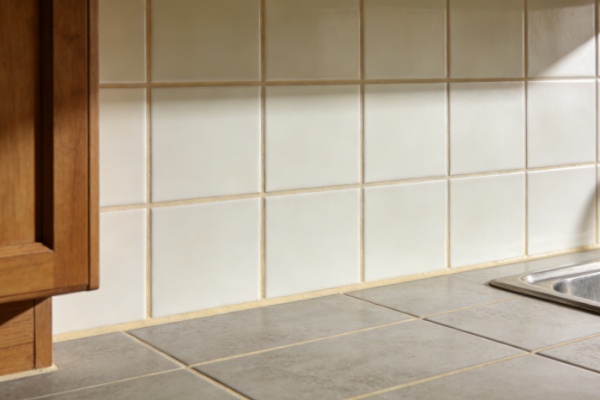
The secret to a tile's heat resistance lies in how it's made. It all comes down to density, which is achieved by firing the tile at extremely high temperatures. A standard ceramic tile9 is fired at around 1000°C. It’s solid, but it still has microscopic pores that make it slightly less dense.
A porcelain tile, on the other hand, is made from finer clays and fired at much higher temperatures, over 1200°C. This intense heat vitrifies the material, which means the raw materials fuse together into a glass-like, non-porous structure.
This process eliminates almost all the pores and creates an incredibly dense and strong tile body. That is why a porcelain tile can handle the constant heat radiating from a stovetop or even brief contact with a hot pan without any risk of damage. It simply won't crack, scorch, or discolor. For true peace of mind in the kitchen, a high-density porcelain tile is the best and safest investment you can make.
A Closer Look at Heat Resistance in Tiles
Not all tiles are created equal. The material and manufacturing process directly impact how well they stand up to heat.
| Tile Material | Firing Temperature | Heat Resistance Level | Best For |
|---|---|---|---|
| Standard Ceramic | Lower (~1000°C) | Good | General wall use, but not ideal for areas with direct, intense heat. |
| Glazed Ceramic | Lower (~1000°C) | Very Good | Backsplashes, as the glaze adds a layer of thermal protection. |
| Full-Body Porcelain | High (1200°C+) | Excellent | Any kitchen floor or wall, including areas near stoves and ovens. |
| Vitrified Porcelain | Very High (1200°C+) | Superior | The best choice for backsplashes directly behind a stove or for any high-demand application. |
Conclusion
Choosing the right porcelain tile ensures your kitchen is not only beautiful but also safe, easy to clean, and highly resistant to heat, stains, and daily wear.
Glazed porcelain tiles offer a non-porous surface, making them easy to clean and maintain, perfect for a hygienic kitchen. ↩
Grout lines can attract dirt and grease, making cleaning difficult, so minimizing them can enhance kitchen hygiene. ↩
Small-format tiles offer unique patterns with fewer grout lines, combining aesthetics with easier maintenance. ↩
A non-porous barrier prevents stains and makes cleaning effortless, ensuring your kitchen remains spotless and inviting. ↩
Slip-resistant tiles enhance safety in the kitchen, reducing the risk of accidents, especially in wet conditions. ↩
These tiles offer durability and slip resistance, making them ideal for busy kitchens where safety and longevity are priorities. ↩
A textured matte finish provides grip, reducing slipperiness and enhancing safety in the kitchen environment. ↩
An anti-slip rating ensures tiles provide adequate grip, preventing accidents and ensuring a safe kitchen space. ↩
Standard ceramic tiles may not withstand intense heat, making them less suitable for areas near stoves and ovens. ↩