Where and How to Use Porcelain Tile
A Performance-Based Guide for Commercial & Institutional Projects
Porcelain tile is not simply a design material — it is a high-performance surface solution1 engineered for demanding environments.
In commercial and institutional projects, porcelain tile is selected based on measurable performance criteria such as water absorption, abrasion resistance, slip resistance, freeze-thaw durability2, and load-bearing capacity.
This guide outlines where and how porcelain tile should be specified in professional applications.
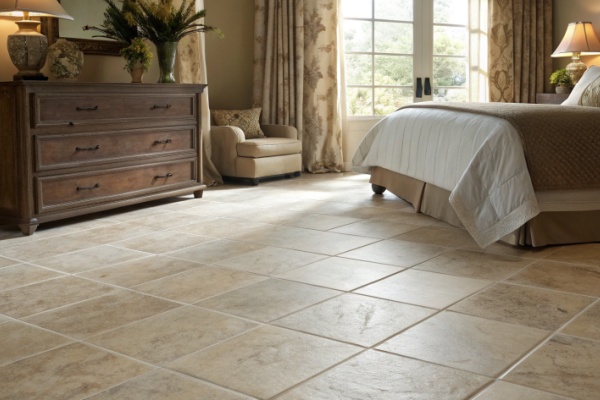
1. What Defines Porcelain Tile?
According to ANSI A137.1, porcelain tile must meet:
- Water absorption ≤ 0.5%
- High density and low porosity
- Increased mechanical strength compared to standard ceramic tile
This low absorption rate makes porcelain suitable for environments where moisture, freeze-thaw cycles, and heavy traffic are factors.
2. Commercial Applications of Porcelain Tile
2.1 High-Traffic Interior Floors
Typical environments:
- Retail stores
- Airports
- Shopping centers
- Hospitality lobbies
- Educational facilities
Required performance considerations:
- PEI rating3 appropriate for traffic level
- High abrasion resistance
- DCOF ≥ 0.424 (wet conditions)
- Breaking strength per ANSI A137.1
Porcelain tile performs well in these spaces due to its resistance to scratching, wear, and staining.
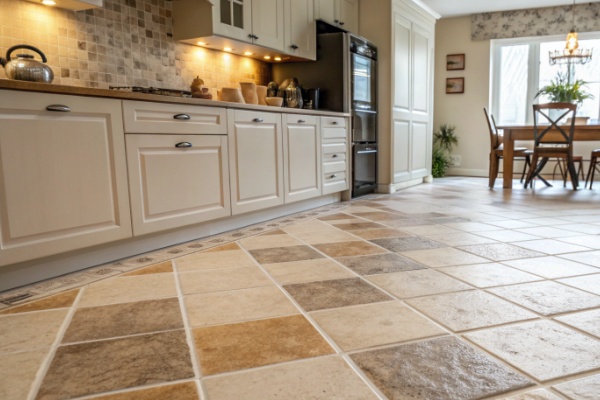
2.2 Bathrooms, Commercial Kitchens & Wet Areas
Because porcelain absorbs minimal moisture, it is well-suited for:
- Commercial restrooms
- Locker rooms
- Food preparation areas
- Healthcare environments
Specification considerations:
- Low water absorption (≤ 0.5%)
- Slip-resistant surface texture
- Proper grout selection
- Movement joint compliance per TCNA EJ171
Surface texture selection is critical to reduce slip risk in continuously wet environments.
2.3 Exterior Applications & Freeze-Thaw Climates
Porcelain tile is suitable for:
- Exterior facades
- Patios
- Outdoor walkways
- Balcony systems
- Rooftop terraces
Performance requirements:
- Frost resistance
- ASTM C1026 freeze-thaw compliance
- Proper slope and drainage
- Exterior-rated setting materials
Due to its low absorption rate, porcelain resists cracking caused by freeze-thaw cycles when properly installed.
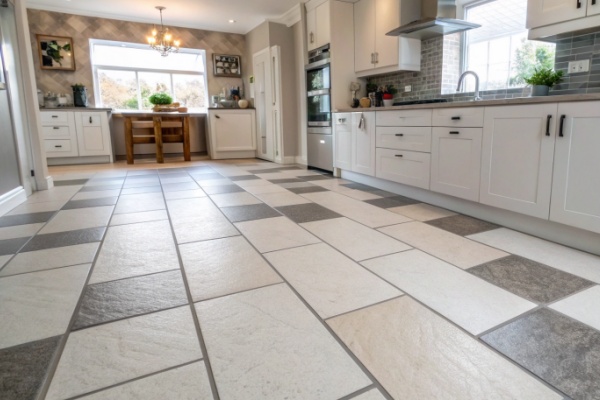
2.4 Industrial & Heavy Load Environments
In certain cases, porcelain tile is used in:
- Warehouses
- Manufacturing facilities
- Transportation hubs
Critical specifications:
- High breaking strength
- Thick body construction
- Load distribution design
- Substrate reinforcement compliance
Structural design must account for point loads and rolling loads.
3. Large Format Porcelain Tile Applications
Large format porcelain tiles (15" and larger on any side) are commonly used in:
- Corporate offices
- Luxury hospitality
- Healthcare facilities
- Modern retail spaces
Additional requirements:
- Substrate flatness per ANSI A108.02
- Lippage control systems
- Narrow but controlled grout joints
- Verified installation tolerances
Improper substrate preparation significantly increases visual and performance risks.
4. Porcelain vs. Ceramic in Commercial Projects
| Criteria | Porcelain Tile | Ceramic Tile |
|---|---|---|
| Water Absorption | ≤ 0.5% | Higher |
| Density | High | Moderate |
| Durability | Suitable for heavy traffic | Moderate traffic |
| Outdoor Use | Yes | Limited |
| Cutting Difficulty | Higher | Easier |
Porcelain is generally preferred in:
- High traffic commercial areas
- Exterior installations
- Long lifecycle projects
Ceramic may be suitable for light-duty interior applications.
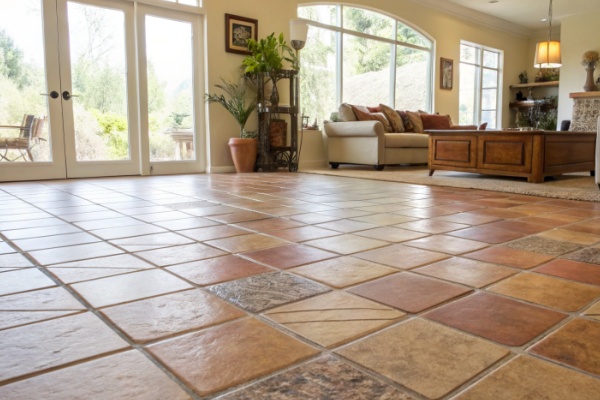
5. Slip Resistance & Safety Considerations
Slip resistance should be evaluated using:
- DCOF (Dynamic Coefficient of Friction)
- Surface texture classification
- Intended environmental exposure
For commercial flooring in wet conditions, DCOF ≥ 0.424 is typically recommended.
Highly polished surfaces should be carefully evaluated in public environments.
6. Installation Considerations
Porcelain’s density makes it:
- More difficult to cut
- More demanding to drill
- More sensitive to improper mortar coverage
Best practices include:
- Using polymer-modified thin-set mortar5
- Ensuring full mortar coverage (95%+ in wet areas)
- Verifying substrate flatness before installation
- Providing movement joints per TCNA EJ171
Professional installation is strongly recommended for large-scale projects.
7. Limitations of Porcelain Tile
Although highly durable, porcelain tile has considerations:
- Hard surface may increase impact noise
- Requires proper subfloor preparation
- May be slippery if improperly specified
- Higher initial material and labor cost
However, its lifecycle durability6 often offsets upfront costs in commercial settings.
8. Lifecycle & Long-Term Performance
When properly specified and installed, porcelain tile can exceed 50–60 years of service life in commercial environments.
Benefits include:
- Color stability
- UV resistance
- Low maintenance
- Resistance to chemical staining
- Minimal long-term degradation
This makes porcelain a strong candidate for projects requiring durability and lifecycle value.
Conclusion
Porcelain tile is a performance-driven material ideal for:
- High-traffic commercial floors
- Wet and moisture-prone environments
- Exterior freeze-thaw conditions
- Institutional and healthcare applications
Successful specification requires attention to:
- ANSI A137.1 compliance7
- Slip resistance standards
- Substrate preparation
- Installation best practices
- Movement joint planning
When selected and installed correctly, porcelain tile provides long-term durability, safety, and design flexibility in demanding environments.
Understanding why porcelain tile is considered a high-performance surface solution can help you make informed decisions for demanding environments. ↩
Find out how freeze-thaw durability ensures porcelain tiles withstand harsh outdoor conditions without cracking. ↩
Discover the significance of the PEI rating in determining the suitability of porcelain tiles for various traffic levels. ↩
Explore why a DCOF of 0.42 or higher is essential for ensuring slip resistance in wet commercial environments. ↩
Learn why polymer-modified thin-set mortar is recommended for ensuring strong adhesion and durability of porcelain tiles. ↩
Explore the factors that contribute to the long-term durability and performance of porcelain tiles in commercial settings. ↩
Learn about ANSI A137.1 compliance and its role in ensuring the quality and performance of porcelain tiles. ↩
