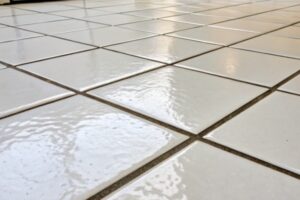
Are your new porcelain floors losing their shine? You worry that daily foot traffic, spills, and grime will slowly dull their beauty. But with a few simple steps, you can easily keep them looking brand new.
The best way to care for porcelain tile1 is with a consistent routine. Sweep or vacuum daily to remove abrasive grit. Mop weekly using a pH-neutral cleaner2 and warm water. Always clean up spills immediately to prevent staining, especially on unglazed or matte-finish tiles.
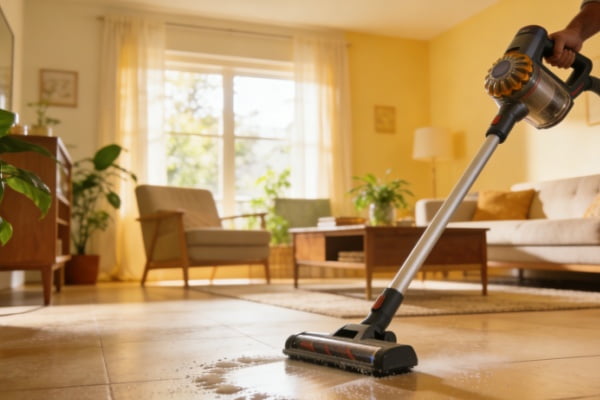
That simple routine is the foundation for a lifetime of beautiful floors. But as a manufacturer, I know that real-world situations often require more than just the basics. You need to know how to handle deep cleaning3, tough stains, and the occasional accident.
This is the expert knowledge we share with our partners to ensure the products they buy from us perform perfectly for their customers. Let's go deeper into the specific techniques that will protect your investment and keep your floors in pristine condition for years to come.
What's the Best Way to Clean Porcelain Tiles Daily?
Every day, tiny bits of dust and grit get tracked onto your floors. These particles seem harmless, but they act like sandpaper, creating tiny scratches that slowly dull your tile's finish.
A simple daily routine4 can easily stop this damage before it starts.
For daily care, your best tools are a dry microfiber mop5 or an electrostatic duster. These grab and hold onto dust instead of just pushing it around. Place good-quality mats at all entrances to catch most of the dirt from shoes before it even reaches your floor.
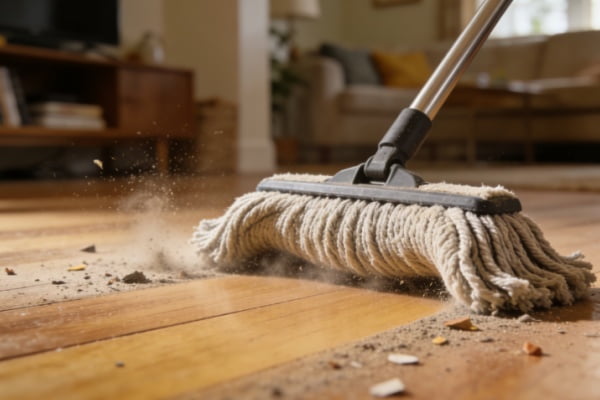
Your daily and weekly routines are your first line of defense. Think of it as a two-step process. The first step is removing dry debris, and the second is wet cleaning. I always advise my clients to focus on the dry part first.
If you mop a gritty floor, you're just making a gritty, abrasive soup that you then spread all over your tiles. So, always start with a thorough sweep, dust mop, or vacuum (using a hard floor setting6).
Once the grit is gone, you can move to weekly mopping. Avoid harsh, acidic, or alkaline cleaners. A simple, pH-neutral cleaner2 is all you need.
You can even use a small amount of dish soap in a bucket of warm water. After mopping, it's a good idea to dry the floor with a clean towel or open a window to speed up drying. This prevents water spots7 and is especially important for matte finish tiles, which can be more prone to absorbing moisture if puddles are left sitting.
| Frequency | Task | Tools | Purpose |
|---|---|---|---|
| Daily | Dry Dusting | Microfiber Mop, Vacuum | Removes abrasive grit and dust. |
| Weekly | Wet Mopping | pH-Neutral Cleaner, Water | Cleans away grime and buildup. |
| As Needed | Spot Cleaning | Baking Soda Paste, Soft Cloth | Tackles stubborn individual spots. |
How Do You Deep Clean and Protect Tile Grout?
Even when your tiles are spotless, dirty or moldy grout lines can make the entire floor look old and neglected. Scrubbing feels like a never-ending task, and the discoloration often comes right back. But a few deep maintenance tricks can restore your grout and keep it looking fresh.
To deep clean grout, scrub the lines annually with an old toothbrush and a diluted bleach solution (one part bleach to ten parts water). For new floors, I strongly recommend using a high-quality grout sealer8 after installation. This creates a barrier that prevents stains and mold growth.
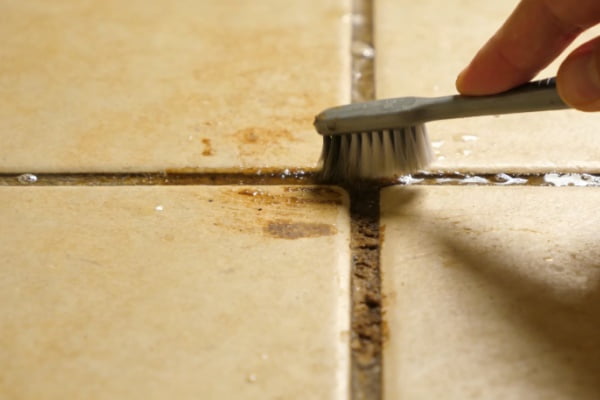
Grout is porous, which means it acts like a tiny sponge for dirt and moisture. This is why it gets dirty so much faster than the tile itself. The bleach-and-brush method is effective for killing existing mold and lifting stains.
After cleaning and letting it dry completely, applying a penetrating grout sealer8 is the best long-term solution. You just paint it into the grout lines, and it provides protection for a year or more.
The tile finish also matters. For high-gloss glazed tiles, you can restore their shine every couple of years with a specialized porcelain tile wax9 or polish.
This fills in micro-scratches and brings back that factory luster. Never use wax on matte or textured tiles, as it will create a sticky, uneven mess that is very difficult to remove. For those unglazed or antique-style tiles, a penetrating sealer (different from a grout sealer8) is the way to go.
It soaks into the tile's pores to prevent stains without changing the matte appearance. This should be applied after installation and then reapplied annually.
What's the Secret to Removing Tough Stains from Porcelain?
A sudden spill of red wine, coffee, or ink can cause a moment of panic. You worry that the stain is now a permanent part of your floor, ruining its perfect look.
But porcelain is incredibly dense and non-porous, and knowing the right cleaning agent10 can remove almost anything.
The most important rule is to act fast. For most fresh spills, a pH-neutral cleaner2 and water will work. For specific tough stains, you need to match the cleaner to the stain. For example, use an alkaline solution like sodium hydroxide for grease, but a diluted acid for rust.
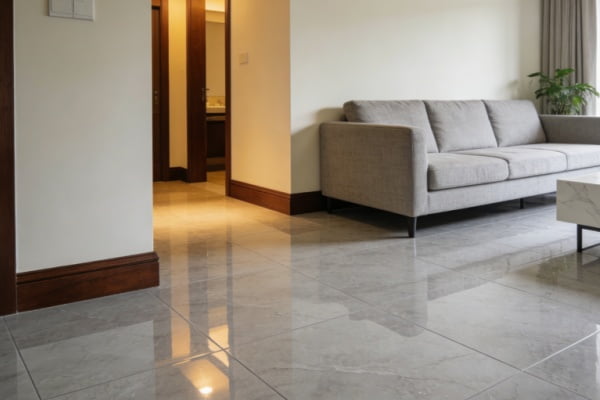
Over the years, we've compiled a comprehensive guide for our B2B clients on how to handle any stain imaginable. The key is understanding what the stain is made of. Is it organic, oil-based, or mineral? This determines the chemical needed to break it down.
Before using any strong chemical, always test it on a hidden area, like under an appliance or in a closet, to ensure it doesn't affect the tile's glaze or color. Also, always wear gloves and ensure the area is well-ventilated when working with acidic or strong alkaline cleaners. Here is a quick reference table based on the professional-grade solutions we recommend.
| Type of Stain | Recommended Cleaning Agent |
|---|---|
| Coffee, Tea, Juice, Food | Hydrogen Peroxide, Sodium Hypochlorite |
| Grease, Oil, Fats | Alkaline Cleaner (e.g., Sodium Hydroxide) |
| Ink, Marker, Dye | Solvents (e.g., Acetone, Turpentine) |
| Rust, Mineral Deposits | Mild Acidic Cleaner (e.g., Diluted Acetic or Nitric Acid) |
| Cement, Grout Haze | Sulfamic Acid Cleaner |
| Paint (Latex) | Latex Paint Remover |
| Paint (Oil-Based) | Paint Thinner, Mineral Spirits |
How Can You Prevent Scratches and Fix Minor Damage?
Accidents are a part of life, from dragging a chair to dropping a tool. A noticeable scratch or scuff can feel like a huge deal on an otherwise perfect floor. But knowing what to avoid and how to perform a few simple repairs can easily save your floor's appearance.
To prevent damage, never use steel wool, abrasive powders, or hard-bristled brushes on your porcelain tile1, as they will cause permanent scratches.
For light surface scratches, you can often buff them out using a dab of white toothpaste on a soft, damp cloth.
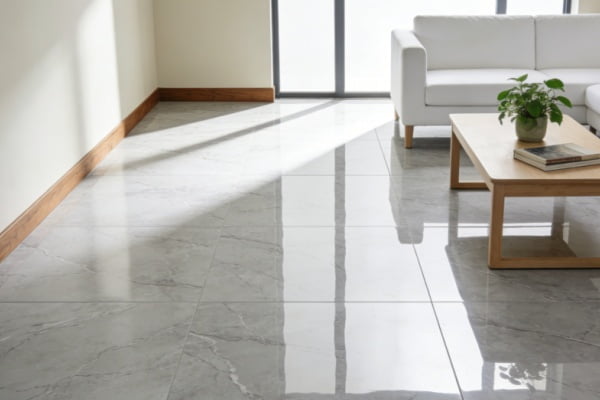
Prevention is always the best strategy. Besides avoiding abrasive cleaning tools11, I tell my clients to put felt pads12 on the bottom of all furniture legs. This is the single biggest step you can take to prevent scratches13 from daily use. Also, be very careful with harsh chemical cleaners. A product like toilet bowl cleaner, which contains strong acids, can permanently etch the glaze of a tile if spilled and left to sit.
When minor damage14 does occur, you have a few options. The toothpaste trick15 works for very light surface scuffs because it's a super-mild abrasive that polishes the surface. For dark marks left by metal objects (like an aluminum ladder leg), try making a paste of Vitamin C powder and water.
Let it sit on the mark for a few minutes, and the mild acid will often dissolve the metal deposit. For more serious issues like a loose or hollow-sounding tile, this indicates a problem with the underlying adhesive.
You need to address this quickly by injecting an epoxy or grout beneath the tile to re-bond it and prevent it from cracking under pressure.
Conclusion
Proper care is simple and keeps your porcelain floors looking beautiful. A routine of daily sweeping, weekly mopping, and quick spill cleanup ensures they will last a lifetime, protecting your investment.
Explore expert tips to maintain the beauty and longevity of your porcelain tile floors. ↩
Learn why using a pH-neutral cleaner is essential for preserving your tile's finish. ↩
Discover advanced techniques for deep cleaning that can restore your tiles to their original shine. ↩
Find out the most effective daily routine to keep your porcelain tiles in top condition. ↩
Understand why microfiber mops are the best choice for keeping your floors dust-free. ↩
Learn the importance of using the right vacuum settings to protect your tile floors. ↩
Explore tips to avoid water spots and keep your tiles looking flawless. ↩
Find out how a grout sealer can prevent stains and extend the life of your grout. ↩
Understand when and how to use tile wax to restore shine without damaging your tiles. ↩
Learn about the right cleaning agents to use for various stains to protect your tiles. ↩
Get recommendations on the best cleaning tools to maintain your porcelain tiles effectively. ↩
Learn how felt pads can significantly reduce scratches and extend the life of your floors. ↩
Explore practical tips to prevent scratches and maintain the pristine look of your floors. ↩
Discover simple repair methods to address minor damage and keep your tiles looking new. ↩
Discover this simple yet effective method for buffing out light scratches on your tiles. ↩