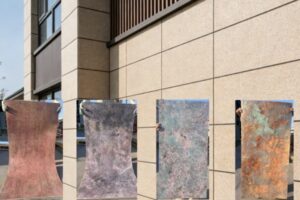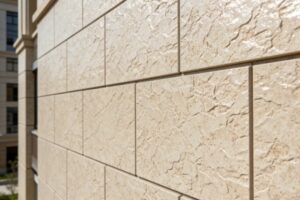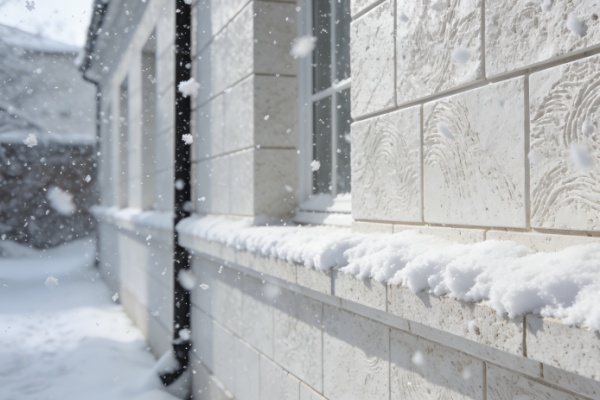
Worried about exterior cladding cracking in the cold? The wrong material means costly repairs. Flexible stone is a durable, reliable solution designed to withstand harsh winter conditions.
Yes, flexible stone is highly suitable for cold climates. Its excellent freeze-thaw resistance1, flexibility to handle temperature shifts, and waterproof properties2 prevent cracking, peeling, and moisture damage3, ensuring long-term durability and performance in freezing conditions.
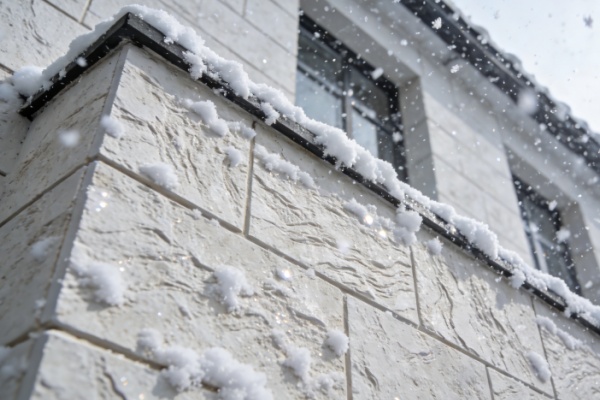
I've seen many projects struggle with materials that just can't handle the winter. It's a common concern for my clients, especially those in regions with severe temperature swings. They want a material that not only looks good but also performs year after year without failing. That's why we often dive into the specific properties that make a material like flexible stone a smart choice. You might be wondering what exactly gives it this incredible resilience. Let's break down the key features that make it a top performer in freezing environments.
How Does Flexible Stone Withstand Freeze-Thaw Cycles?
Afraid that freeze-thaw cycles will destroy your facade? Water seeps into materials, freezes, and creates cracks. Flexible stone is specifically engineered to resist this destructive natural process.
Flexible stone withstands freeze-thaw cycles due to its specialized formula and manufacturing process. It can endure temperatures as low as -40°C and over 100 freeze-thaw cycles without cracking or peeling, maintaining its structural integrity4 and protecting the building underneath.
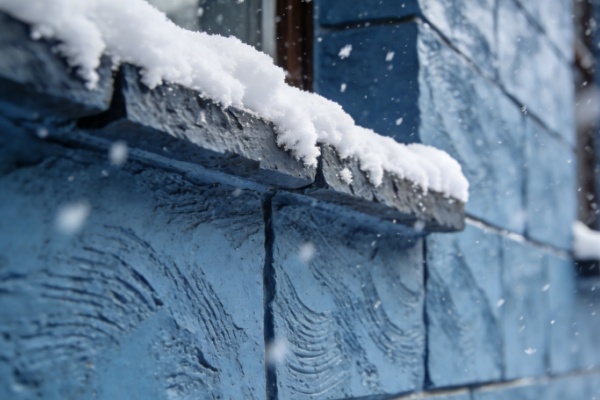
The freeze-thaw cycle is the number one enemy of exterior cladding in cold regions. When I talk to contractors, this is their biggest headache. Water penetrates a material's pores, freezes, and expands by about 9%. This expansion exerts immense pressure from within, causing micro-cracks. Over time, these cracks grow, leading to spalling, flaking, and eventual failure. Flexible stone is different by design, and as a manufacturer, I can tell you exactly why.
Specialized Material Composition
Its core ingredients, which include natural stone powder, fine sand, and polymers, are processed to create a dense structure. This composition is key because it significantly limits water absorption5. Less water getting into the material means less internal pressure when temperatures drop below freezing.
Rigorous Testing Standards
We don't just guess that it works. Our products undergo strict testing protocols. This involves subjecting them to repeated cycles of freezing and thawing to simulate decades of winter exposure.
| Feature | Standard Cladding | Flexible Stone |
|---|---|---|
| Water Absorption | High to Moderate | Very Low |
| Freeze-Thaw Cycles | Fails after 20-50 cycles | Withstands 100+ cycles |
| Common Failure | Cracking, Spalling | No visible damage |
This proven resistance means you can specify flexible stone for projects in places like Northern Europe or Canada with complete confidence. It’s not just a claim; it’s a tested reality that ensures the building's facade remains intact and beautiful for years, saving on maintenance and repair costs.
Why Is Flexibility Important for Cladding in Cold Weather?
Do rigid cladding materials crack under temperature stress? This mismatch causes ugly gaps and delamination. Flexible stone’s unique elasticity allows it to move with the building, preventing damage.
Flexibility is crucial because all building materials expand and contract with temperature changes. Flexible stone's inherent elasticity allows it to absorb this movement without stress. This prevents the cracking and delamination common in rigid materials, ensuring a seamless, durable facade.
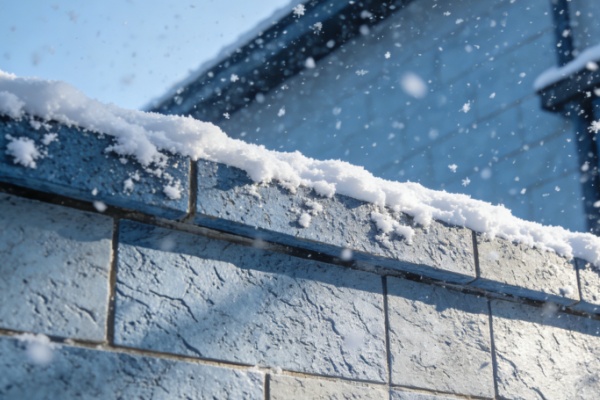
I remember a project developer who was tired of seeing hairline cracks appear on his new buildings after just one winter. The issue wasn't poor installation; it was thermal stress6. Every material has a coefficient of thermal expansion, meaning it changes size with temperature. The building's substrate, like concrete or steel framing, expands and contracts at one rate, and the exterior cladding at another. When a rigid material is used, this difference in movement creates immense internal stress that has to go somewhere. Usually, it results in a crack.
Accommodating Thermal Movement
This is where flexible stone shines. Its polymer-based composition gives it a degree of elasticity. So, as the substrate shifts during a cold night or a sunny day, the flexible stone cladding moves with it. It bends and stretches slightly, absorbing the stress instead of resisting it. This prevents the buildup of tension that causes cracks, which is a game-changer for long-term durability.
Performance on Irregular Surfaces
This flexibility also makes it perfect for cladding curved walls or other non-linear architectural features. With rigid tiles, these shapes require difficult cuts and create stress points at the joints. Flexible stone simply conforms to the shape. This adaptability is a huge advantage for both new construction and renovation projects, ensuring a perfect, long-lasting fit that rigid materials just can't match.
How Does Flexible Stone Prevent Water and Weather Damage?
Worried about water getting behind your cladding? Trapped moisture leads to rot, mold, and frost damage. Flexible stone acts as a reliable waterproof barrier, protecting your structure.
Flexible stone's dense, low-porosity surface7 makes it highly waterproof and moisture-resistant. It prevents water from penetrating the wall structure, which is critical in cold climates to avoid internal frost damage. Its excellent weather resistance8 also protects against UV rays9 and acid rain10, preserving its color and integrity.
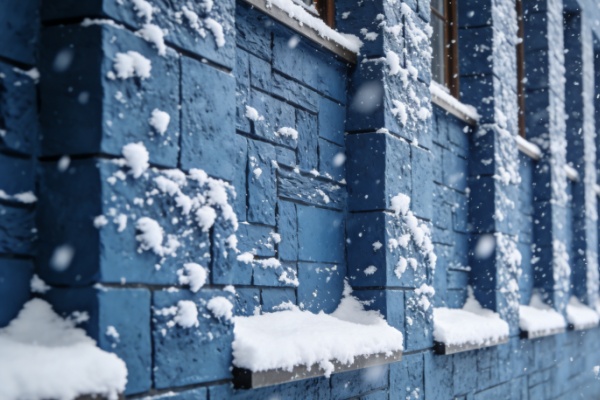
Protecting the core structure of a building is the most important job of any cladding. As a manufacturer, I know that a beautiful facade is useless if it allows the building to degrade underneath. Water is the main culprit. In my experience, flexible stone offers a powerful, two-pronged defense against water and general weathering, which is why I recommend it so often to my clients.
Superior Water Resistance
First, its composition creates a surface with very low porosity. Rain, snow, and sleet simply run off the surface instead of soaking in. This is vital because if water gets into the wall cavity and freezes, it can cause catastrophic damage. By creating this waterproof shield, flexible stone effectively eliminates the risk of freeze-thaw damage within the wall itself, protecting insulation and structural components.
Long-Term Weatherability
Second, it's built for long-term exposure. The materials used are inherently stable and resistant to environmental factors11.
| Environmental Factor | Impact on Standard Materials | Performance of Flexible Stone |
|---|---|---|
| UV Radiation | Fading, discoloration, brittleness | Colorfast, remains stable |
| Acid Rain | Etching, surface degradation | Chemically resistant, no damage |
| Wind-Driven Rain | Water penetration at joints | Low absorption, protects substrate |
This robust weather resistance8 ensures that the cladding not only protects the building but also maintains its original appearance for many years, reducing the need for cleaning or recoating. It’s a solution that delivers both performance and lasting aesthetic value.
Conclusion
In summary, flexible stone’s resistance to freezing, its unique flexibility, and its weatherproof nature make it an excellent and reliable choice for exterior cladding in cold climates.
Understanding freeze-thaw resistance helps you choose materials that withstand harsh winter conditions, preventing costly repairs. ↩
Exploring waterproof properties ensures your building is protected from moisture damage, enhancing durability and longevity. ↩
Preventing moisture damage is crucial for maintaining the integrity of your building, avoiding rot and mold issues. ↩
Discover how structural integrity in materials ensures your building remains safe and stable over time. ↩
Low water absorption prevents freeze-thaw damage, ensuring your building's facade remains intact and beautiful. ↩
Understanding thermal stress helps you choose materials that prevent cracking and delamination in extreme temperatures. ↩
A low-porosity surface prevents water infiltration, protecting your building from freeze-thaw damage. ↩
Weather resistance ensures your building withstands harsh conditions, maintaining its appearance and structural integrity. ↩
Learn how UV resistance in materials preserves color and integrity, reducing maintenance costs. ↩
Discover how acid rain can damage materials and why chemical resistance is essential for long-term durability. ↩
Explore how various environmental factors impact materials and why resistance is crucial for longevity. ↩