Porcelain Tile Supplier Guide for Commercial and Project Buyers
For commercial buyers sourcing porcelain tile from manufacturers or wholesale suppliers, selecting the right product is only part of the decision. Equally important is understanding how porcelain tile performs1 across different applications, how to work with a reliable supplier, and how to ensure long-term supply stability2 for projects.
This guide is written for architects, contractors, developers, and project buyers who are evaluating porcelain tile suppliers for commercial, hospitality, and large-scale developments.
Who This Guide Is For
This article is intended for B2B buyers involved in specification and procurement, including:
- Architects and interior designers working on commercial projects
- Contractors and builders sourcing materials in bulk
- Developers and project managers overseeing multi-phase developments
- Hospitality, retail, and institutional buyers
If you are searching for a porcelain tile supplier that can support professional requirements beyond retail-level purchasing, this guide is designed to help you make informed decisions.
Why Porcelain Tile Is a Preferred Material in Commercial Projects
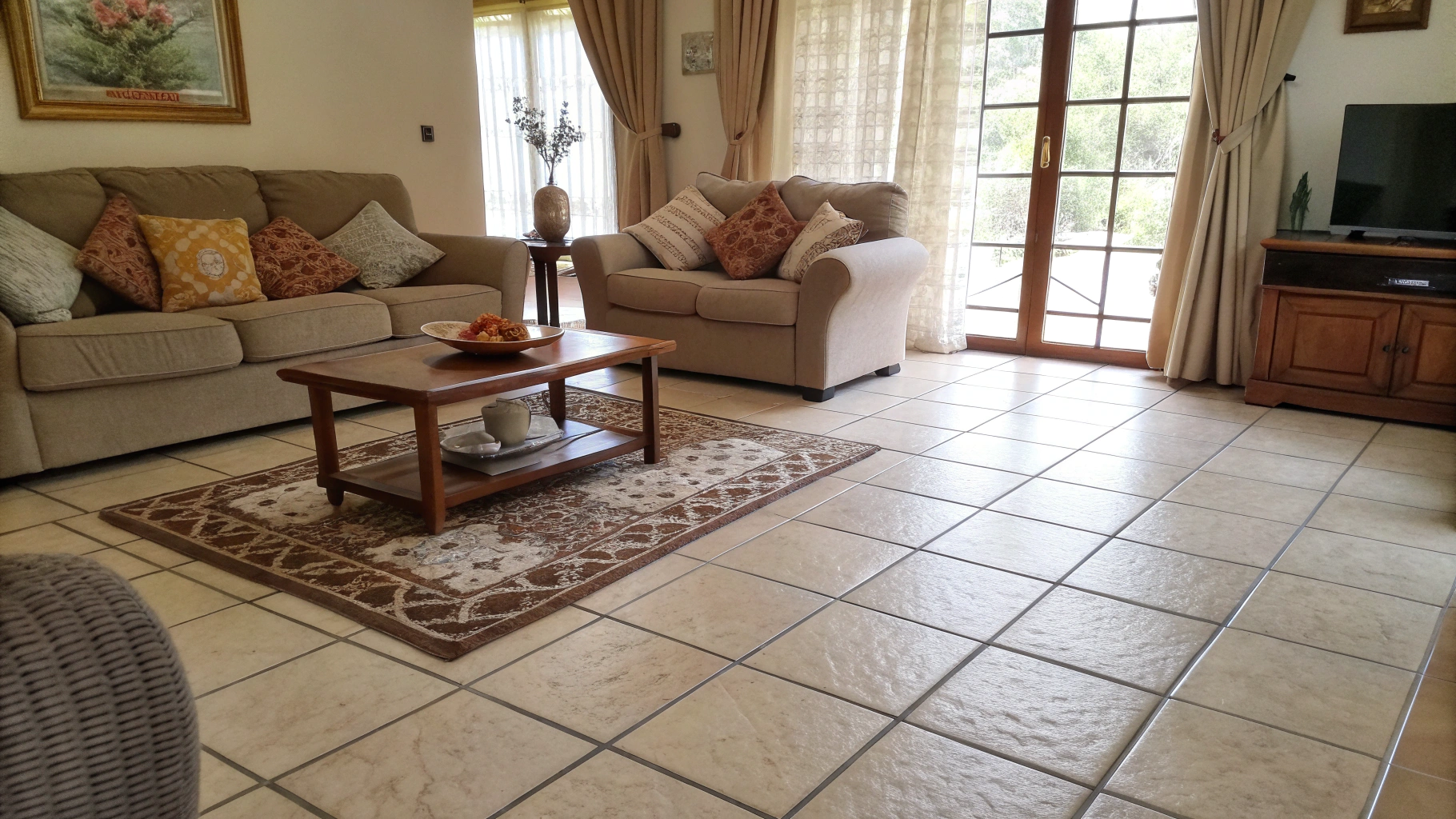
Porcelain tile is manufactured at high firing temperatures3, resulting in a dense, low-porosity material with consistent mechanical strength. These characteristics make it suitable for environments where moisture exposure, heavy traffic, and frequent cleaning are unavoidable.
Key performance benefits include:
- Water absorption ≤ 0.5%4, suitable for wet and humid environments
- High wear resistance5, ideal for high-traffic commercial areas
- Low maintenance requirements, reducing lifecycle costs
- Design versatility, including stone-, wood-, and marble-look finishes
For project buyers, these advantages translate into predictable performance and fewer long-term maintenance issues.
Porcelain Tile Applications Commonly Specified by Suppliers
Professional porcelain tile suppliers typically support a wide range of commercial applications. Understanding these use cases helps buyers specify the right product from the start.
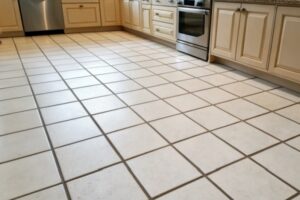
Porcelain Tile for Commercial Kitchen Floors
Porcelain tile is widely specified for commercial and multi-unit kitchen floors due to its durability and resistance to staining and chemicals.
Supplier considerations:
- Slip resistance6 appropriate for wet and greasy conditions
- Tile thickness suitable for load-bearing requirements
- Resistance to aggressive cleaning agents
Common applications include hotels, serviced apartments, and institutional kitchens.

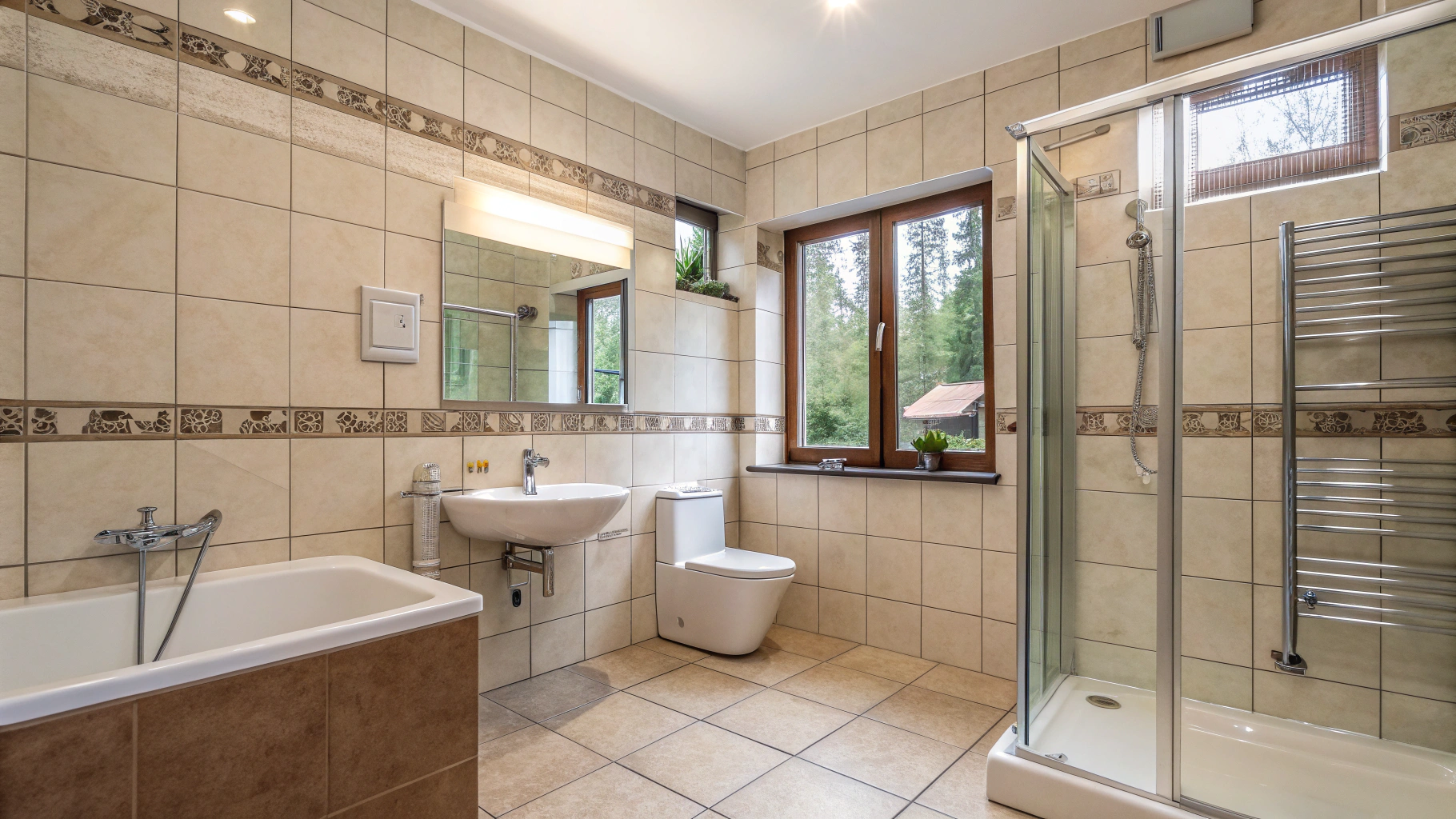
Porcelain Tile for Bathroom and Shower Walls
For bathrooms and shower walls, porcelain tile offers reliable moisture resistance without the sealing and upkeep required by natural stone.
Key advantages for project buyers:
- Stable surface quality across large production batches
- Compatibility with standard waterproofing systems
- Consistent appearance for multi-room or multi-building projects
These factors make porcelain tile a standard specification in hospitality and residential developments.
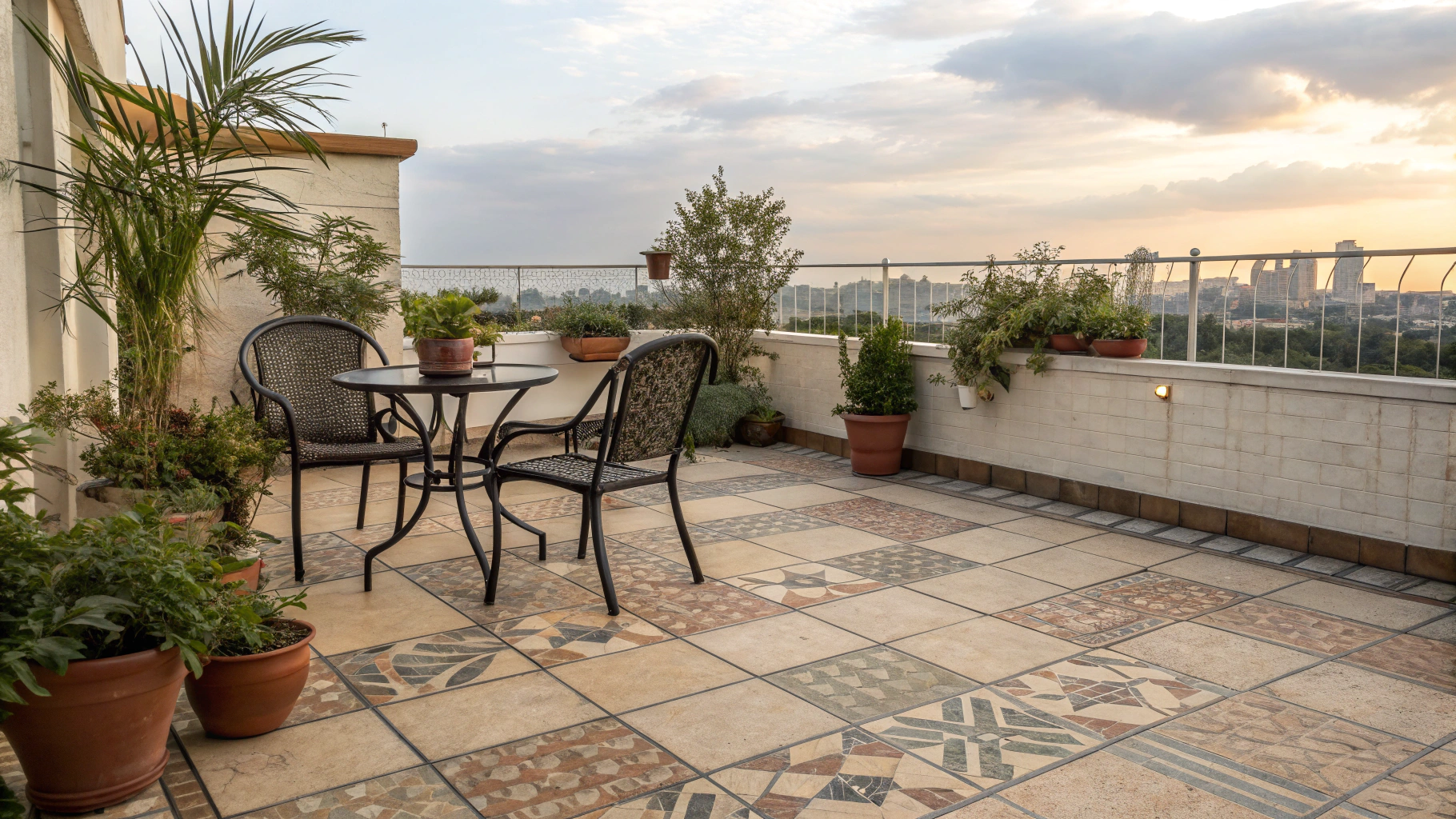
Porcelain Tile for Indoor–Outdoor Commercial Spaces
Many porcelain tile manufacturers now produce tiles specifically designed for indoor–outdoor continuity7.
Supplier-supported features include:
- Frost resistance for exterior installations
- Slip-resistant textures for outdoor safety
- UV-stable finishes to prevent color fading
When sourced from an experienced porcelain tile supplier, indoor–outdoor applications can maintain both visual consistency and functional performance.

How to Evaluate a Porcelain Tile Supplier for Projects
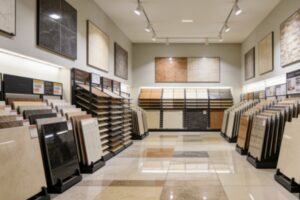
Choosing the right porcelain tile supplier is as important as selecting the tile itself. Project buyers should evaluate suppliers based on more than product appearance.
Key factors to assess include:
- Production capacity8 for large or repeat orders
- Batch consistency9 for phased construction schedules
- Technical documentation, including test reports and specifications
- Customization capability, such as size, finish, or thickness
- Lead time reliability and logistics coordination
A supplier that understands project workflows can significantly reduce procurement risk.
Common Sourcing Mistakes in Porcelain Tile Projects
Even experienced buyers can encounter issues when sourcing porcelain tile at scale. Common mistakes include:
- Selecting retail-grade products for commercial environments
- Failing to confirm long-term product availability for replacements
- Overlooking slip resistance requirements in wet areas
- Underestimating production and shipping lead times
Working with a professional porcelain tile manufacturer or wholesale supplier helps mitigate these risks early in the project lifecycle.
Wholesale vs Retail10 Porcelain Tile Sourcing
For commercial buyers, sourcing porcelain tile through wholesale or factory-direct channels offers clear advantages over retail purchasing.
Wholesale and manufacturer-direct sourcing typically provides:
- Better cost control for bulk orders
- Greater flexibility in specifications and customization
- Stable supply for multi-phase or multi-location projects
- Direct communication regarding production schedules
These benefits are particularly important for hotels, residential developments, and commercial facilities with standardized specifications.
When to Work Directly With a Porcelain Tile Manufacturer
In large-scale or repeat projects, working directly with a porcelain tile manufacturer can be advantageous when:
- Custom sizes, thicknesses, or finishes are required
- Long-term supply consistency is critical
- Private labeling or OEM solutions are needed
- Projects span multiple locations or timelines
Manufacturer-level sourcing allows buyers to align product specifications more closely with operational and design requirements.
Final Thoughts
Porcelain tile remains one of the most reliable materials for kitchens, bathrooms, showers, and indoor–outdoor commercial spaces. For professional buyers, success lies not only in choosing porcelain tile, but in working with the right porcelain tile supplier who understands project demands, technical standards, and long-term supply requirements.
By combining proper application knowledge with strategic supplier selection, commercial buyers can reduce risk, control costs, and deliver projects that perform consistently over time.
Understanding the performance of porcelain tile in various applications helps ensure it meets the specific needs of your project. ↩
Ensuring long-term supply stability is crucial for maintaining consistency and meeting project timelines without delays. ↩
High firing temperatures contribute to the durability and strength of porcelain tiles, making them suitable for demanding environments. ↩
Low water absorption makes porcelain tiles ideal for wet and humid environments, reducing the risk of damage and maintenance. ↩
High wear resistance ensures that porcelain tiles can withstand heavy traffic, making them perfect for commercial areas. ↩
Slip resistance is crucial for safety in wet and greasy conditions, preventing accidents in commercial kitchen environments. ↩
Porcelain tiles designed for indoor–outdoor continuity maintain visual consistency and performance across different spaces. ↩
Assessing production capacity ensures the supplier can handle large or repeat orders, crucial for project success. ↩
Batch consistency ensures uniform appearance and quality, essential for phased construction schedules. ↩
Wholesale sourcing offers cost control, customization, and stable supply, essential for large-scale projects. ↩